What Is GEO vs SEO? The Calgary Guide for 2026
GEO versus SEO is the question Calgary business owners started asking the moment AI answers showed up at the top of Google. Here is the plain version. Search engine optimization, the classic side, covers ranking your pages in normal results. GEO means generative engine optimization, the newer work of getting your brand named inside those AI answers. Same goal. Different machines reading your content.
SEO Company To-The-TOP! has been doing search work since 2007, and the past year shifted the ground more than the five before it. Let me walk through what each term actually means, where the two overlap, and what a real local business should care about. No hype. Just how search is changing.

What the two terms actually mean
Search engine optimization is the older discipline. You research keywords, write useful content, earn links, fix the technical side, and a crawler rewards you with a ranking. Ten blue links. You know the format. People click, they land on your site, you get the visit. That model ran the web for two decades.
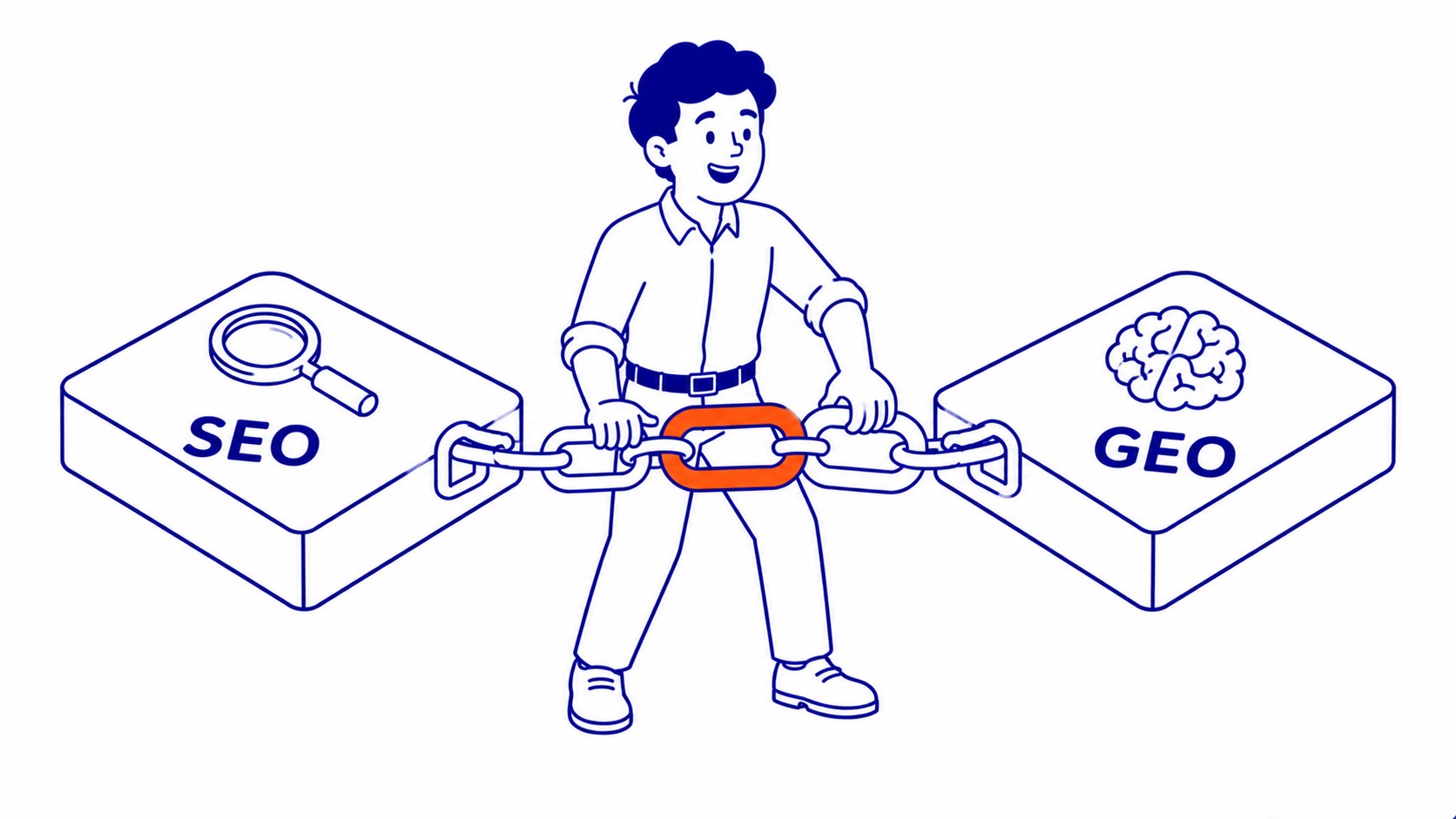
Generative optimization is the response to a different behaviour. More people now ask a question and read the answer the model writes back, without clicking anything. Google AI Overviews, ChatGPT, Perplexity, Gemini. These tools read content across the web, then generate one synthesized reply. GEO is the practice of shaping your content so those systems pull from you, cite you, and name your brand inside that reply. The optimization target moved. Work that rhymes with the old discipline, except the finish line is a citation now, not always a click.
One acronym worth knowing while we are here. AEO, answer engine optimization, gets used almost interchangeably with GEO. Some marketers split hairs between them. For most businesses the distinction does not matter much yet. The skill is identical: be the clearest, most trustworthy source on your topic.
Where the two approaches differ
They share a spine. Both reward content that genuinely answers what a person asked. Thin, stuffed, copied pages get punished either way. A technically sound site that a crawler can read is non-negotiable for each. Weak foundations produce weak visibility too. These are not rivals. Generative work sits on top of solid search work.
Now the differences that matter.
Classic optimization aims at a ranking position. The generative kind aims at inclusion in a written answer. A page can sit at position three in the search results and still get skipped by the summary above it. Different game, played on the same field.
One side measures success in clicks and rankings. The other counts visibility inside answers and brand mentions, which are harder to track. You will not always see a tidy number. That bothers people who like clean reports.
Keywords and backlinks drive the older approach. Clarity, structured facts, and how often large language models already associate your brand with a topic drive the newer one. Get quoted in enough places, and the models learn you are the answer. Reputation work, as much as content work.
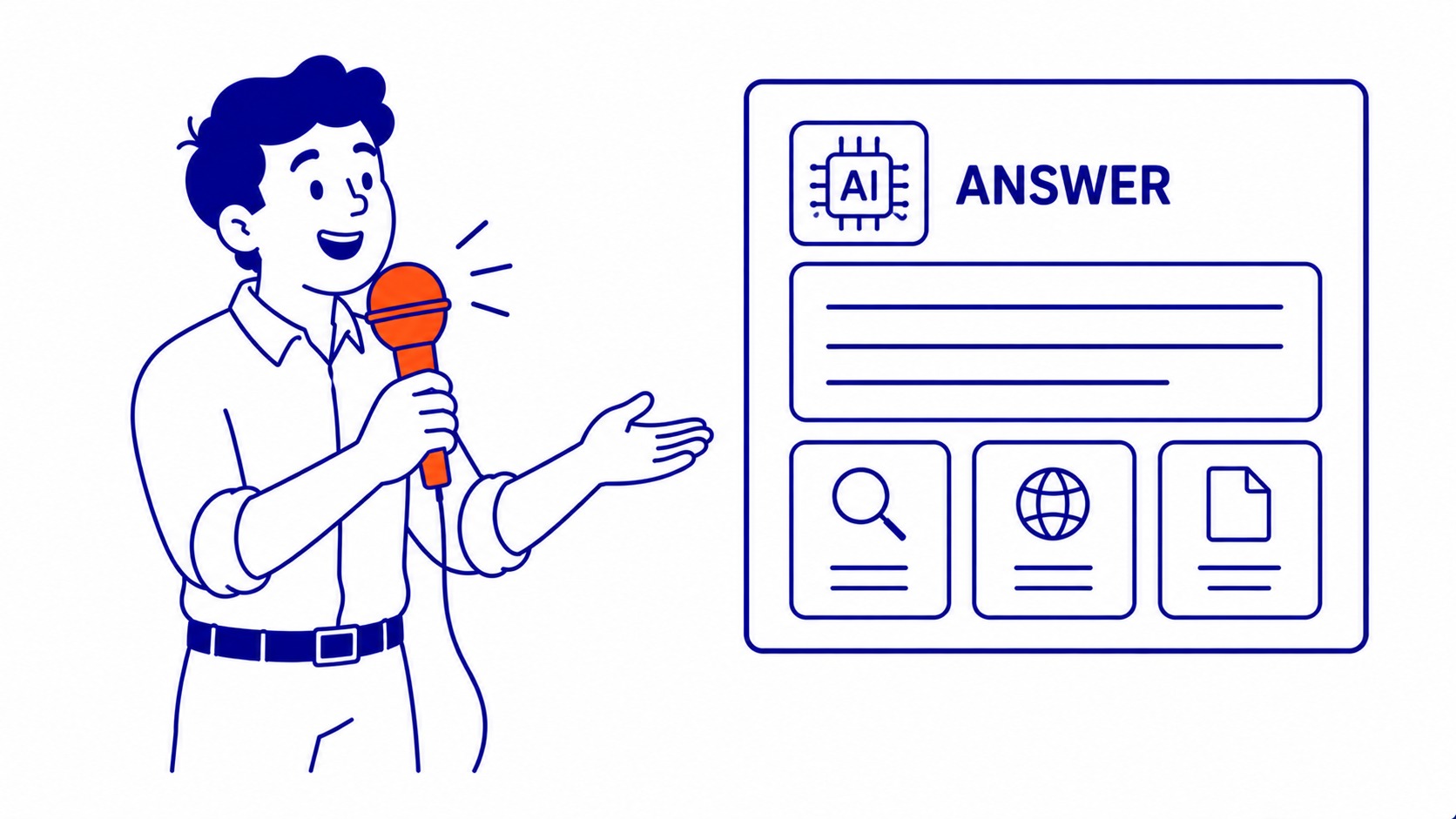
How generative engine optimization works
Less mysterious than the buzz suggests, honestly. These systems still read the open web. They favour content that states facts plainly, answers the question early, and backs claims with specifics. You write the way a helpful expert talks, basically.
A few things move the needle. Answer the question in the first sentence of a section, then explain. Clear headings that match real questions people type help a lot. Specific numbers, dates, and named examples matter, because vague content gets paraphrased away while concrete content gets quoted. Keep your facts consistent across your site, your Google Business Profile, and any directory that lists you.
Structured data helps the machines understand what a page is about. So does a clean site that loads fast and works on a phone. None of that is new. It is the same technical hygiene good search work always wanted. The shift just raised the stakes on doing it properly.
Reputation feeds the models too. When trustworthy sites mention your brand, the systems pick up on it. Reviews, citations, press, a portfolio of real results. Generative engines are reading all of it, building a sense of who is credible on a topic.
Is SEO dead now that AI answers everything?
No. And anyone selling you that line is selling something. Search is not dead, it changed shape. Google still sends enormous traffic to websites. The new answer boxes sit on top of organic results, they did not erase them. Plenty of queries still produce ten blue links and a click. Work that earns a strong ranking is the same work that earns a citation in an answer.
Here is the honest read. Businesses panicking about generative search usually skipped the basics first. They want a shortcut into machine answers while their own site is slow, thin, and unclear. That does not work. Good optimization is still the foundation, and what SEO is at its core has not changed: be useful, be findable, be trusted. GEO is a new layer, not a replacement.
Want the practical playbook? Our guide on how to use AI for SEO covers the tools side. The strategy side is simpler than it sounds.

What Calgary businesses should actually do
Start with the boring stuff, because boring is what these answer engines reward. Make sure your site is fast, mobile friendly, and easy for a crawler to read. Fix the technical errors. Then build content that answers the real questions your customers ask, in plain language, with specifics.
Keep your business information identical everywhere. Name, address, phone, hours. Inconsistent details confuse both search engines and the systems trying to summarize you. That is local search work quietly doing double duty.
Avoid chasing every new acronym. Marketers shouting loudest about generative optimization often have the least to show for it. A solid program, run patiently, already does most of the visibility job. Layer new tactics on top once the base is strong, not before. Running that program well is often a job for outside help, and what an SEO agency does covers when that makes sense.
If paid traffic matters while the organic side builds, Google Ads management can hold the line. Prefer to hand the whole search problem to one person who has watched it evolve since 2007? That is what Calgary SEO from To-The-TOP! is for. Our SEO services cover the foundation that both classic and generative search depend on.
Where does this go next? Nobody fully knows. The platforms are still rewriting their own rules. Worth watching closely, worth panicking over not at all.
Common questions about GEO and SEO
What is the difference between SEO and GEO?
Classic search ranks your pages in normal results so people click through to your site. Generative optimization shapes your content so answer engines pull from you and mention your brand inside the generated reply. One targets a ranking. The other targets a citation. Both reward clear, trustworthy content.
What does GEO mean for a website?
GEO stands for generative engine optimization. Think of it as optimizing content for AI tools like Google AI Overviews, ChatGPT, and Perplexity, so your brand appears in the answers they generate. A new layer built on the search foundation, not a separate skill.
How does GEO fit into marketing?
Within marketing, the term covers getting your business represented inside machine generated answers rather than only in traditional rankings. It blends content quality, structured facts, and brand reputation so large language models treat you as a credible source on your topic.
Is SEO dead with AI?
No. Search changed, it did not die. Google still drives huge traffic to websites, and answer boxes sit on top of organic results rather than replacing them. Content that ranks well also tends to get cited. A strong foundation is what makes generative visibility possible in the first place.
What is the difference between GEO, SEO, and AEO?
Classic optimization targets search rankings. Generative optimization targets inclusion in machine generated answers. AEO, answer engine optimization, often gets used as a near synonym for GEO, focused on directly answering questions. For most businesses the practical work overlaps heavily, so the labels matter less than doing the content well.
