What Is Off-Page SEO? Backlinks, Brand Mentions, and Building Authority
The pattern shows up in every audit at SEO professionals in Calgary. On-page work is clean: titles structured, headings in order, content matching search intent. Rankings still sit on page 3. Then we look at the link profile: a dozen referring domains, half of which are directories the owner signed up for years ago, nothing earned since. The competitor above them has 90 referring domains from trade publications, local press, and supplier networks. That gap is the off-page problem.
Off-page SEO covers every ranking signal that comes from outside your own site. Backlinks are the core of it, but unlinked brand mentions, local citations, and the broader network of references pointing toward a domain all contribute. How backlinks signal authority explains why this category carries so much weight: Google’s PageRank model, introduced in 1998, was built on the idea that a link from one site to another is an endorsement. That mechanic still runs underneath the modern algorithm.

Off-Page vs On-Page SEO
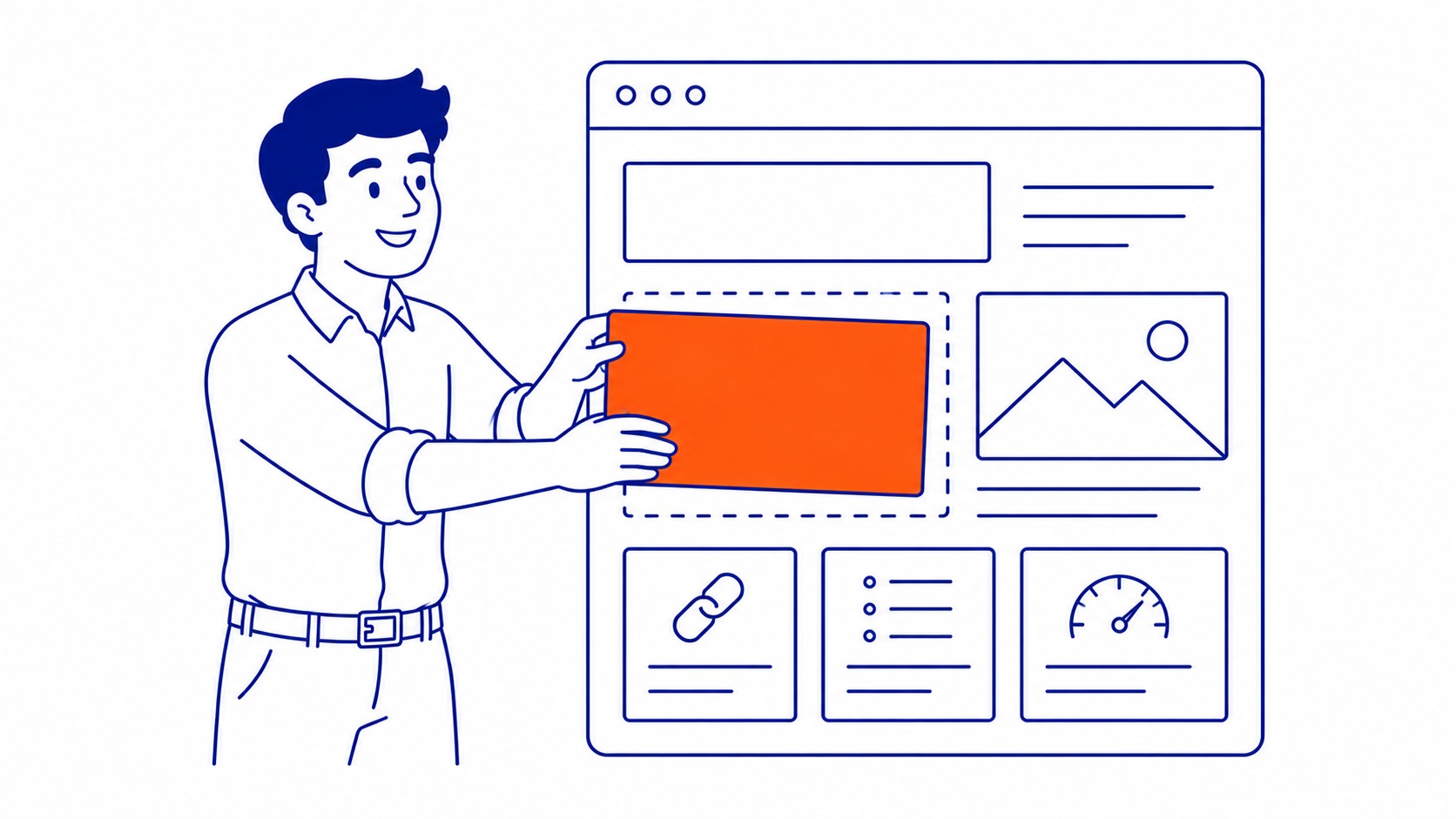
On-page SEO factors cover everything within your site: title tags, heading structure, content, internal linking, and page load performance. Adjustable, controllable, fixable this week. Off-page signals come from outside sources you do not control directly. Another site deciding your content is worth linking to, a local directory confirming your business address, a press outlet mentioning your brand name. All external. Earned through other sites choosing to reference you.
Both matter. On-page without off-page authority can rank on low-competition queries. Off-page without on-page optimisation sends authority to pages search engines struggle to interpret. The point where most sites plateau after solid on-page work is almost always an off-page problem. Rankings stopped moving, and the reason is usually that the competition built more backlinks over the same period.
Why Off-Page SEO Matters for Rankings
Search engines treat links as votes. A credible site linking to yours tells Google the content is worth citing. Pages with more votes from relevant, authoritative sources outrank pages with fewer. That mechanic has held since PageRank launched. Algorithm updates change how signals are weighted, but the signal class itself has never stopped mattering.
Off-page authority compounds. A site with 50 referring domains earning 3 new backlinks per month will, in three years, look very different from a site that stopped building at 50. The sites holding position 1 on competitive queries today are almost all sites that built consistently over several years. Catching up is possible, though it requires the same patience applied earlier and sustained longer.
Local service businesses feel this acutely. Two electricians in the same Calgary neighbourhood with similar on-page setups will diverge in rankings almost entirely based on which one built more local citations, earned more Google Business Profile authority, and accumulated relevant backlinks from regional sources. Technical parity between two sites produces no ranking parity when the off-page gap is wide.
The Main Off-Page SEO Signals
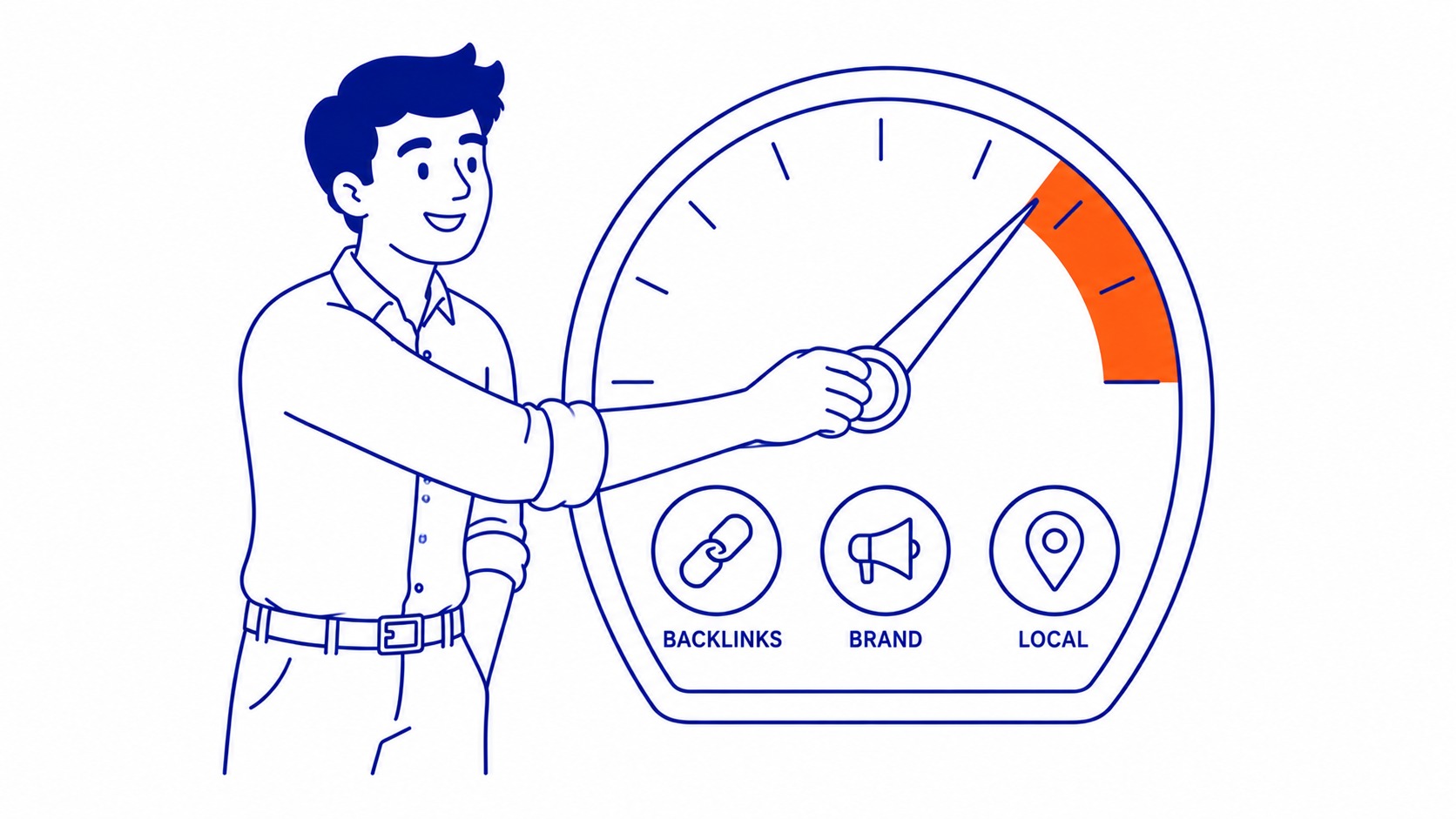
Three categories appear consistently across Google’s documentation and ranking factor research: backlinks, brand mentions, and local citation signals. Backlinks carry the most direct weight. Brand mentions and citations reinforce topical authority and local relevance. Each operates differently, which is why SEO services in Calgary that address only one category leave ranking potential untouched.
Backlinks: Still the Heaviest Signal
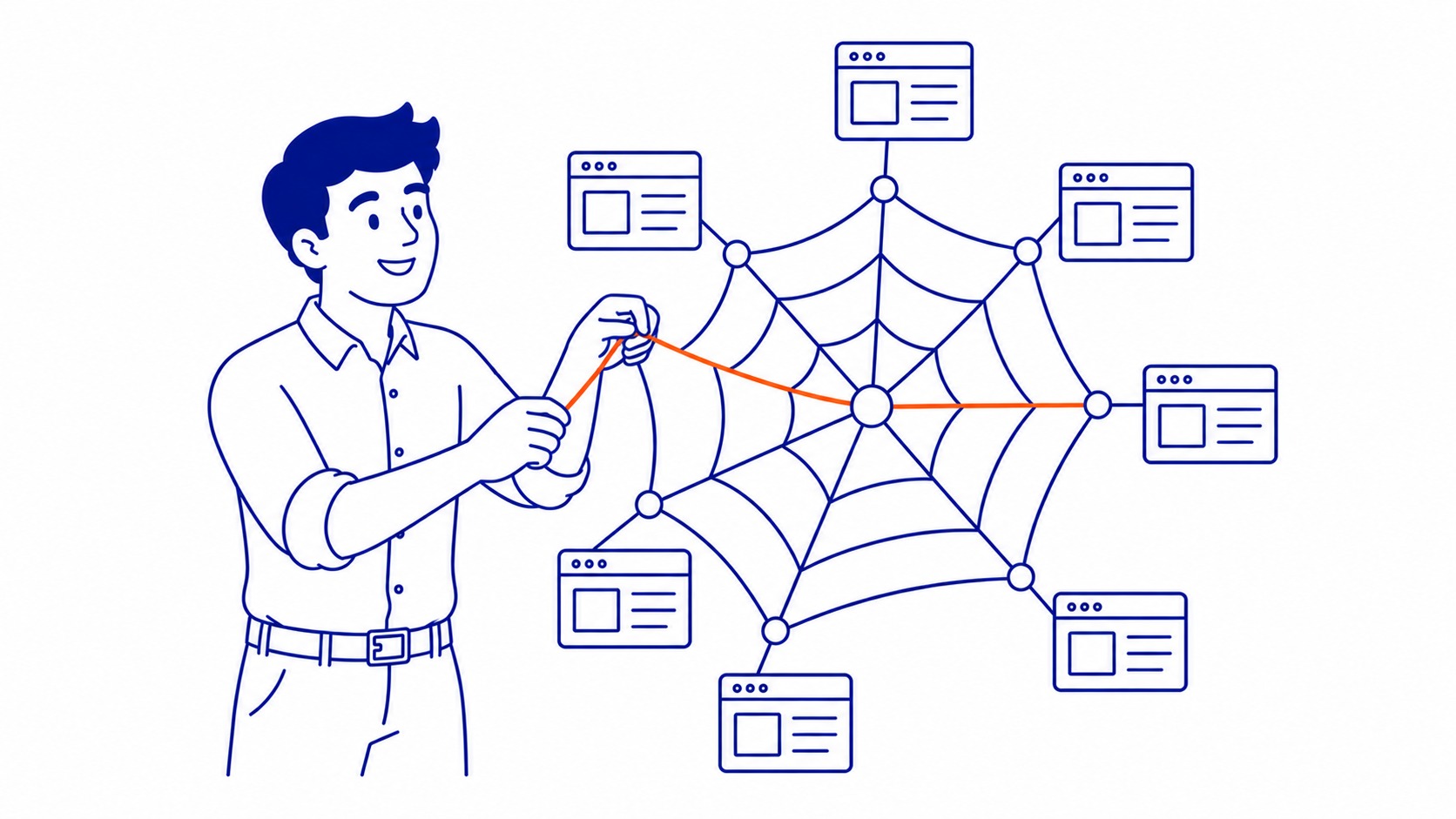
A backlink from a domain Google already trusts carries the most off-page weight available. Domain authority of the linking site, topical relevance between the linking page and the destination, and placement of the link on the page all determine how much passes. Body copy links carry more weight than footer or sidebar links. Fifty links from thin directories with no traffic often contribute less than three editorial links from relevant industry publications.
Anchor text matters, though not in the way most people optimise for. Over-targeting one keyword phrase across every inbound link is a pattern Google flags. Natural link profiles carry varied anchors: brand name, naked URL, partial-match phrases, and broad descriptive text. Every inbound link reading the same phrase signals manipulation, not genuine editorial citation. Varied anchors from varied sources is the healthy pattern.
Brand Mentions, Social, and Local Citations
Unlinked brand mentions register as off-page signals. When a regional news site writes about a business without linking to it, Google’s natural language processing picks up the mention as a relevance signal. Weaker than a backlink. Not absent from the ranking calculation, however. Presence across the web in contexts that reinforce what the domain is about is the broader goal.
Building local citations covers consistent name, address, and phone number data across Google Business Profile, Bing Places, Apple Maps, and industry directories. This is the foundation for map pack visibility. Citation inconsistencies (different phone numbers, abbreviated address formats, old locations) create conflicting signals about the business. Conflicting signals suppress local rankings. The fix is methodical and unglamorous. It directly moves map pack positions.
Social signals sit in a secondary position. Google does not use social media shares or follower counts directly as ranking factors. What social media presence does is increase discovery and brand mention velocity. More content distributed through social channels means more eyes on content, more organic link opportunities over time. The indirect path exists. Direct ranking influence does not.
How to Build Off-Page SEO the Right Way
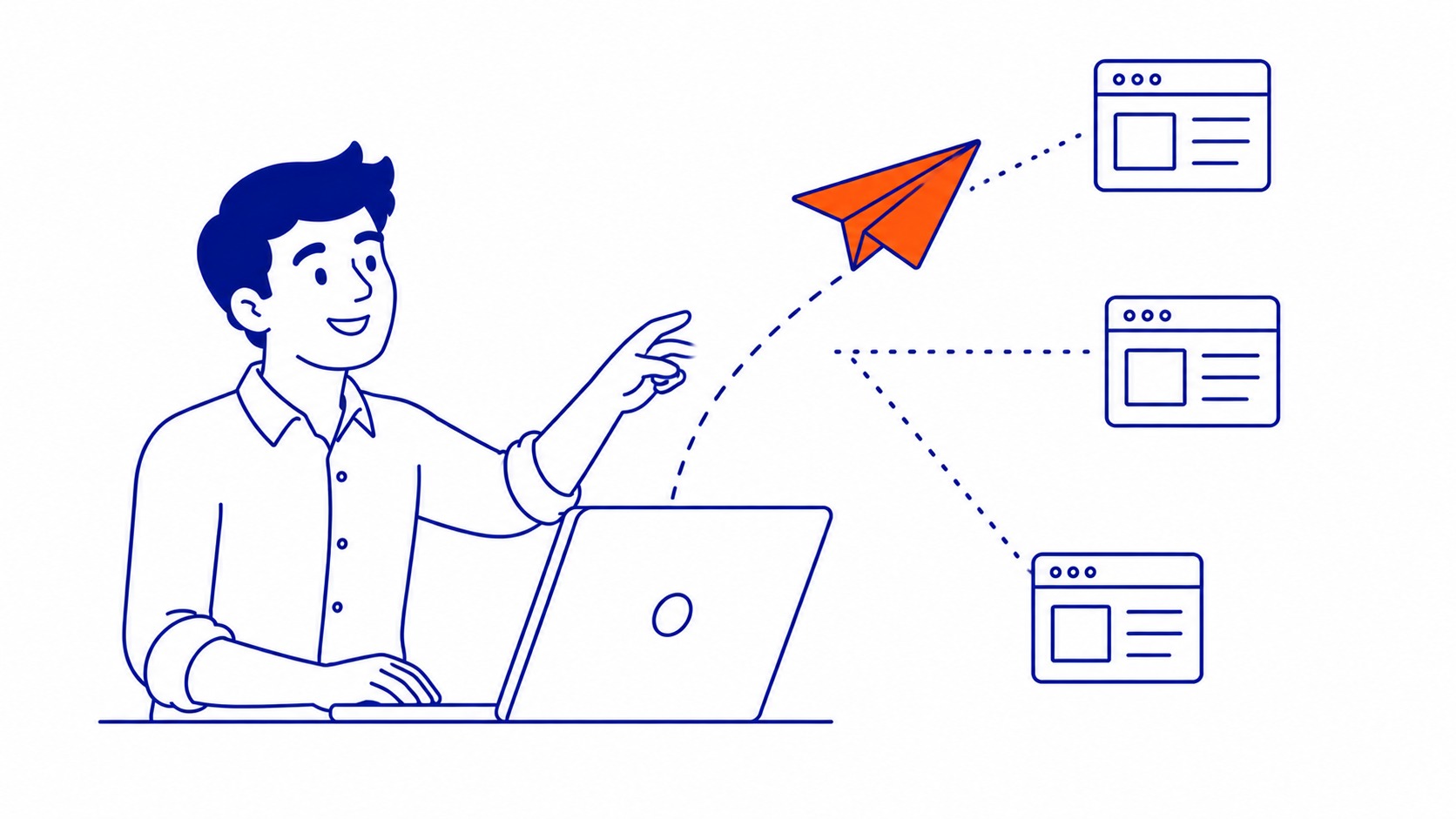
Link building is the primary tactic. Guest posting on relevant industry publications, broken link outreach, digital PR tied to original data or expert comment, and supplier or partner page listings all produce links from external sources that pass authority. The link building process covers each method with realistic expectations: outreach conversion rates run single-digit on cold campaigns. Volume of prospecting matters because conversion is not predictable.
Digital PR produces the highest-authority backlinks available to small and mid-size businesses. One expert quote cited in a trade publication, or a local business story picked up by a regional news outlet, generates a backlink from a domain Google already treats as credible. Hard to engineer consistently. One strong placement from a relevant publication outperforms months of directory submission work.
Google Ads management alongside an off-page SEO programme serves a different purpose. Paid search captures demand now. Link building accumulates authority over 12 to 18 months. Neither replaces the other. The most productive setups run both in parallel. Paid search surfaces what converts, and that data informs which organic targets to prioritise in the off-page build.
What does not work: paid link schemes, private blog networks, link farms, and bulk directory submissions on sites no one visits. Google’s guidelines prohibit link schemes. Penalties, both algorithmic and manual, can erase years of ranking progress overnight. White hat methods only. Any link acquired for a client needs to withstand a manual review if Google looks closely. In 19 years, no manual penalty at To-The-TOP!.
Frequently Asked Questions
What is off-page SEO with an example?
Any ranking signal that originates outside your own pages. Concrete example: a Calgary roofing contractor writes a storm damage inspection guide. A local home services publication links to it as a recommended resource. That single editorial backlink from a relevant, credible site produces more off-page weight than the contractor’s entire directory listing history. Unlinked brand mentions in regional news coverage and consistent local citations are also off-page signals, though backlink-based signals carry the most direct ranking influence.
What does ‘off-page’ mean?
Signals that come from outside the pages of your own site. Title tags, content, and internal links are on-page because they live on your site and you control them. Backlinks, brand mentions, and citations are off-page because they are earned from external sources. The distinction matters strategically: on-page adjustments can take effect within days; off-page authority takes months to build. Starting earlier always produces the advantage.
What is the main difference between on-page and off-page SEO?
On-page SEO is what you do to your own pages. Off-page SEO is what other sites do for yours. Title tags, heading structure, and internal links are on-page decisions. Backlinks from external sources, brand mentions, and local citations are off-page signals. Most SEO plateaus after thorough on-page work are off-page problems. On-page makes a site rankable. Off-page authority makes it rank above competitors who have done the same on-page work.
Is off-page SEO important?
Critical on competitive queries. Low-competition searches with no authoritative sites targeting the same term can be won on on-page alone. That ceiling appears quickly as more players enter the same category. At that point, the site with stronger backlinks, more consistent citations, and broader brand mention coverage wins. For any business competing where established operators already have a backlink profile, off-page SEO is not a secondary priority.
