How PPC Can Help SEO and What Paid Search Data Reveals About Organic Rankings
PPC and SEO are not the same thing. Nothing in paid ads touches organic’s infrastructure. What you learn from running PPC can make your SEO significantly sharper, though.
Most businesses treat them as separate budgets managed by separate people. The ones that win usually do not.
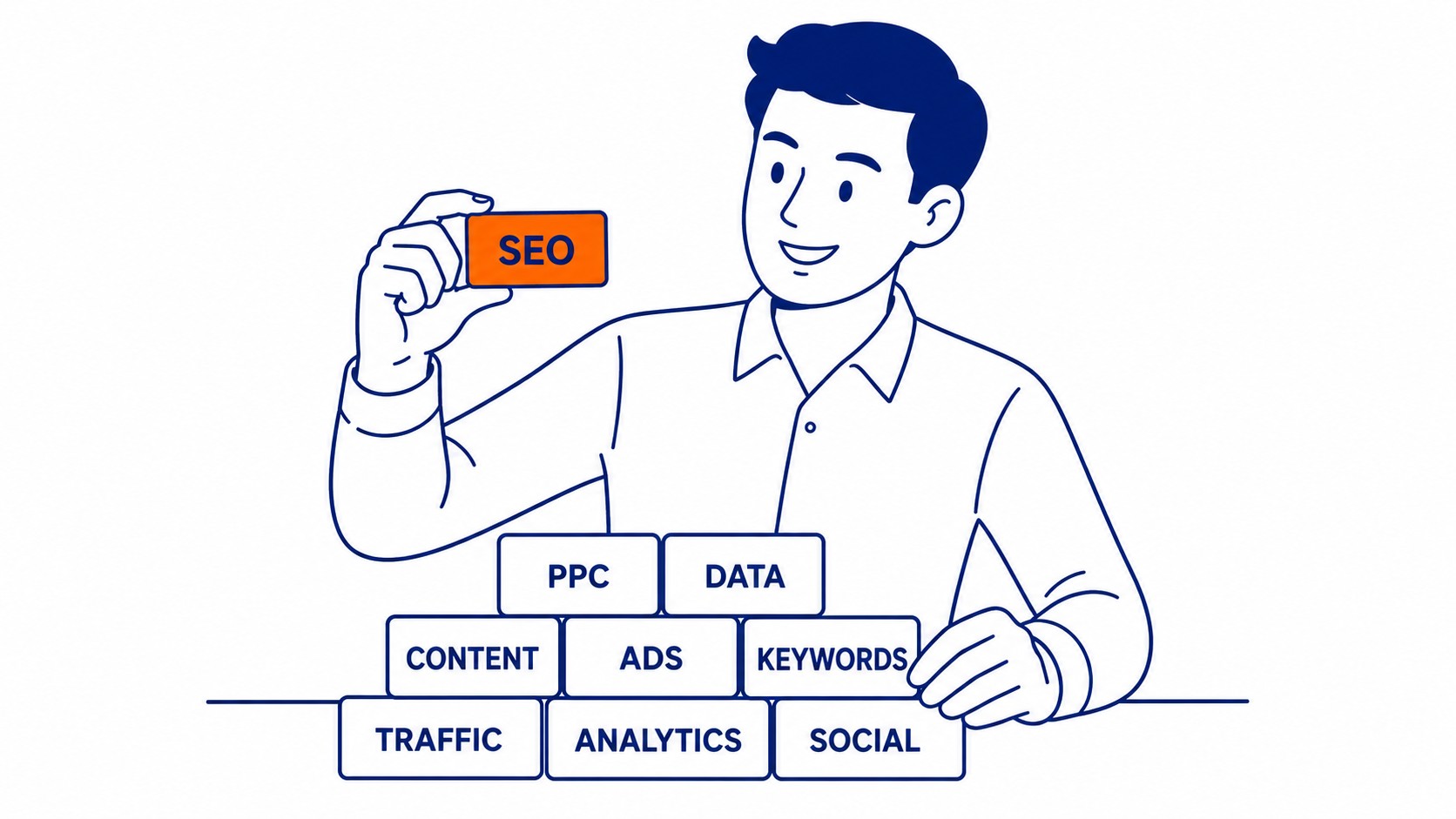
PPC as a Keyword Intelligence Engine
Organic keyword research relies on estimated data. Search volume tools give approximations, not facts. PPC gives you facts. A paid campaign shows you exactly which terms convert. It shows actual click-through rates, not estimates. And it surfaces search queries triggering your ads even when you did not specifically target them.
The search terms report in Google Ads is underused. It shows you every actual query that triggered an ad click. Some of those queries you never anticipated. Several of them will have meaningful traffic volume. Zero of them will be in your current SEO content plan unless you are cross-referencing this data deliberately.
Pull the search terms report monthly. Filter for queries that have five or more clicks and a conversion rate above your account average. Those are candidate keywords for dedicated SEO pages. You already know they work because you paid to find out. Judging those clicks means knowing what a good CTR looks like in your category first. Add them selectively, though; the case against huge keyword lists still holds.
Testing Headlines Before Committing to Organic Content
Writing a long-form SEO page takes time. Writing the wrong page wastes it. PPC lets you test page concepts before you invest heavily in them.
Run a small PPC campaign on a keyword you are considering targeting organically. Try three or four headline variations. See which phrasing drives clicks and which gets ignored. The headline that wins in PPC is your strongest signal for the title tag and H1 on the organic page.
Two weeks of paid data costs a fraction of what organic requires. Write, publish, then wait three to six months for a page to find its footing. PPC skips that wait. The insight it delivers is not available any other way at that speed.
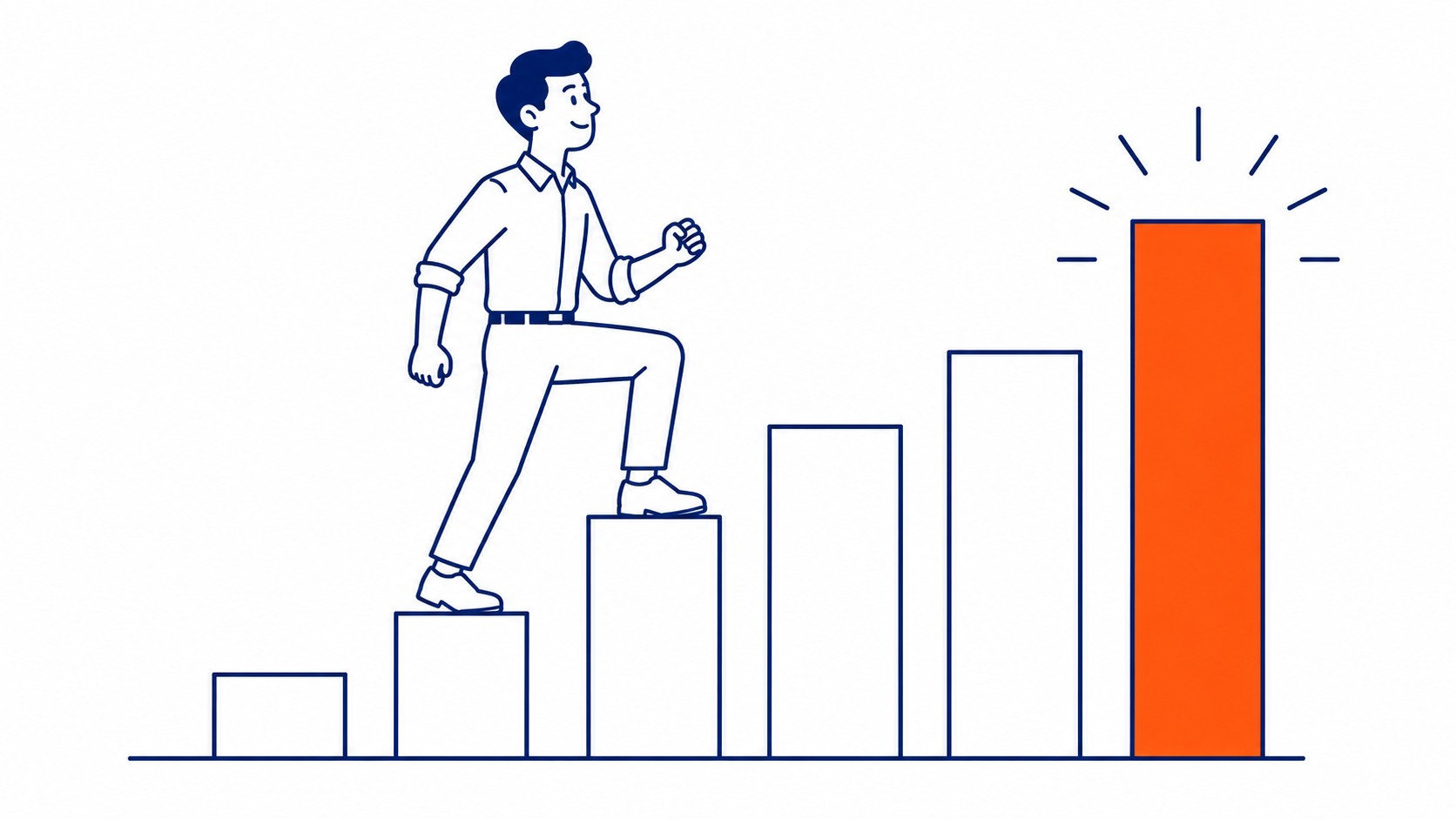
Covering the SERP While SEO Builds Traction
SEO takes time. Paid search does not. A new page targeting a keyword might sit on page three for six months before it climbs. That does not mean you should wait. Run PPC on those keywords while the organic ranking matures. You stay visible. Traffic arrives. Conversions happen while the SEO investment compounds in the background.
A Calgary SEO campaign typically launches with Google Ads management on commercial terms while organic pages build authority in the background. Many clients reduce their ad spend on those keywords once organic positions hit page one. The ads served their purpose.
Double coverage on a SERP is also worth holding even after organic ranking improves. Brands appearing in both paid and organic positions get a higher combined click-through rate than either position alone delivers. Searchers see your brand twice on the same page. Trust builds faster. The Calgary SEO page has the local-market version of this breakdown.
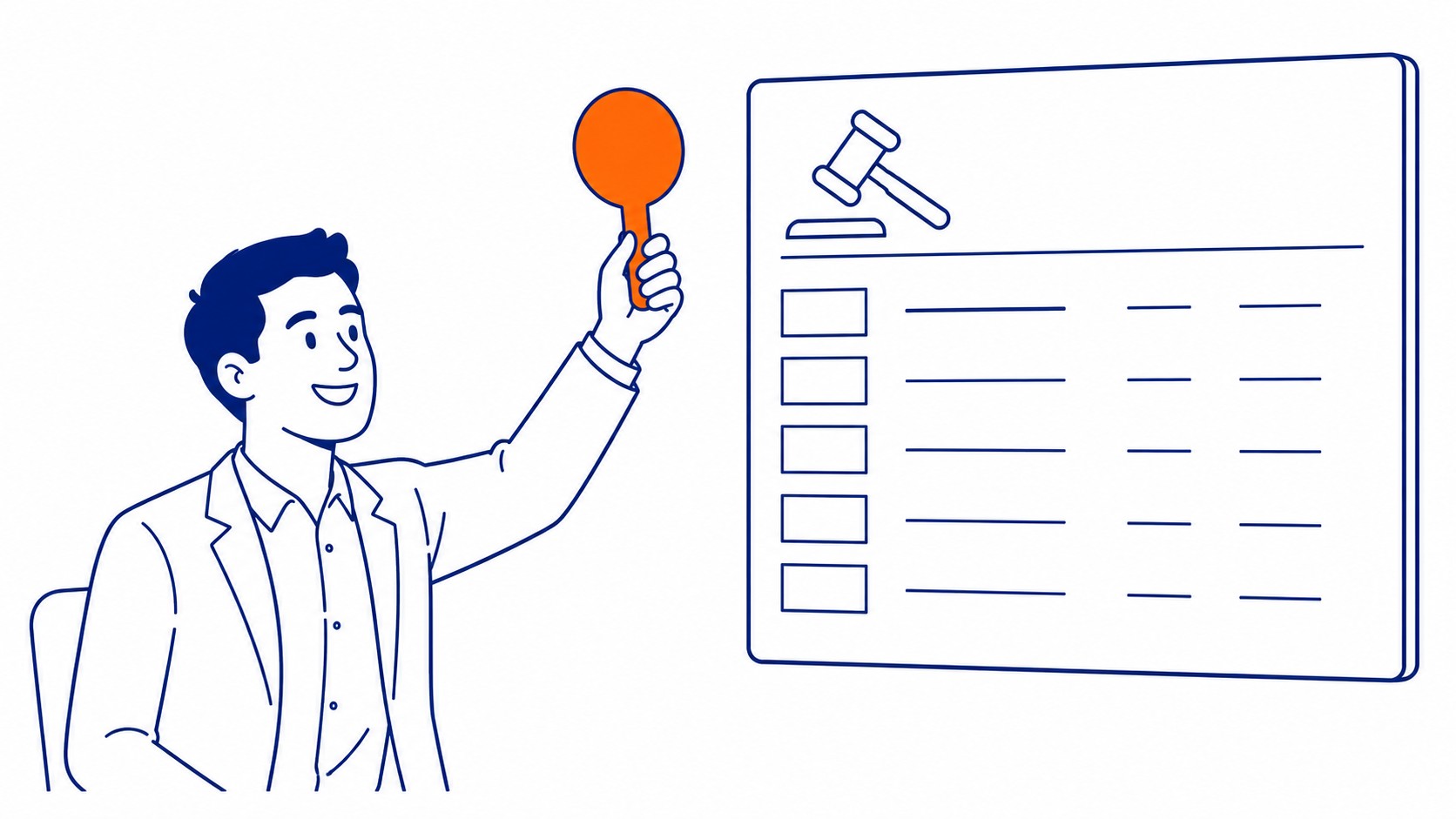
Using PPC Quality Score to Diagnose Landing Page Problems
Google’s quality score for paid ads reflects relevance and expected click-through rate. Landing page experience factors in heavily too. A low quality score on a landing page is a direct signal that the page is underperforming on user experience metrics.
Low quality scores mean Google’s systems think your landing page is not satisfying searcher intent well. That is exactly the same judgement organic Google applies to ranking pages. A PPC quality score problem is almost always an organic SEO problem waiting to be noticed.
Fix the landing page issues flagged by quality score diagnostics. Improve content relevance. Reduce load time. Sharpen the match between the page content and the keyword intent. PPC costs drop as quality score rises. Organic tends to follow.
Remarketing Data as SEO Content Signals
Remarketing audiences show you who visited but did not convert. Segment them. Look at which pages those visitors came from and which keyword groups they entered on. High visit, low conversion combinations tell you something is wrong with that page’s ability to close.
That is a content gap. Either the information is missing. Trust signals might be weak. Or the page is targeting the wrong buying stage. Each diagnosis has an SEO fix. Adding a comparison section. Including specific pricing signals. Repositioning the page from consideration to awareness intent.
PPC data makes those problems visible in days. Organic analytics take months to accumulate enough signal to catch the same gap. Days versus months, which is the practical part of whether AdWords helps SEO.
Frequently Asked Questions
Does running PPC directly boost organic SEO rankings?
Not directly. Google has stated publicly that paid spend does not lift organic rankings. What PPC generates is keyword data and conversion feedback that feeds into SEO strategy. The benefit is indirect but substantial. Businesses sharing data between both channels consistently outperform those that don’t. See the SEO blog for more on integrated channel approaches.
What PPC data should I be sharing with my SEO team?
Search terms reports and ad copy performance data. Quality score diagnostics and conversion rate by landing page. Those four data sources answer most of the questions SEO strategy needs to ask. Search terms show keyword opportunities. Ad copy data reveals headline and messaging preferences. Quality score flags page experience problems. Conversion rate by landing page identifies content gaps worth fixing organically.
Is it worth running both PPC and SEO at the same time?
Yes. First months are where this matters most, before organic builds any traction. Ads fill that gap. Together they hold more SERP real estate than either channel alone. Good organic positions on those terms eventually free up the ad budget. One strategy beats two parallel silos.
Contact Calgary SEO Company To-The-TOP!
Questions about anything in this article, or about your own rankings? Talk to a Calgary SEO specialist directly.
Phone: (403) 308-5949
Address: 1509 14 Ave SW, Calgary, AB T3C 0W4
Hours:
Monday to Friday: 10:00 am – 7:00 pm
Saturday: 12:00 pm – 4:00 pm
Sunday: closed
