What Is Google Ads and How Does It Work
Most businesses that call To-The-TOP! about Google Ads have already tried it. Budget went in, the dashboard showed activity, and the revenue picture did not change much. The question is never about what Google Ads is. More often, it is why the campaigns produced clicks without conversions.
The answer is almost always the same. Clicks are easy to buy. Converting those clicks is not.
2000 was Google AdWords. A text ad auction, nothing more. The name changed in 2018, but only after Gmail, YouTube, Shopping, and display had all been added. One thing never changed, however: the pay-per-click auction mechanics.
Calgary, Edmonton, and Vancouver are where To-The-TOP! runs Google Ads campaigns. The work is building campaigns that produce results, not just activity.
What Are Google Ads
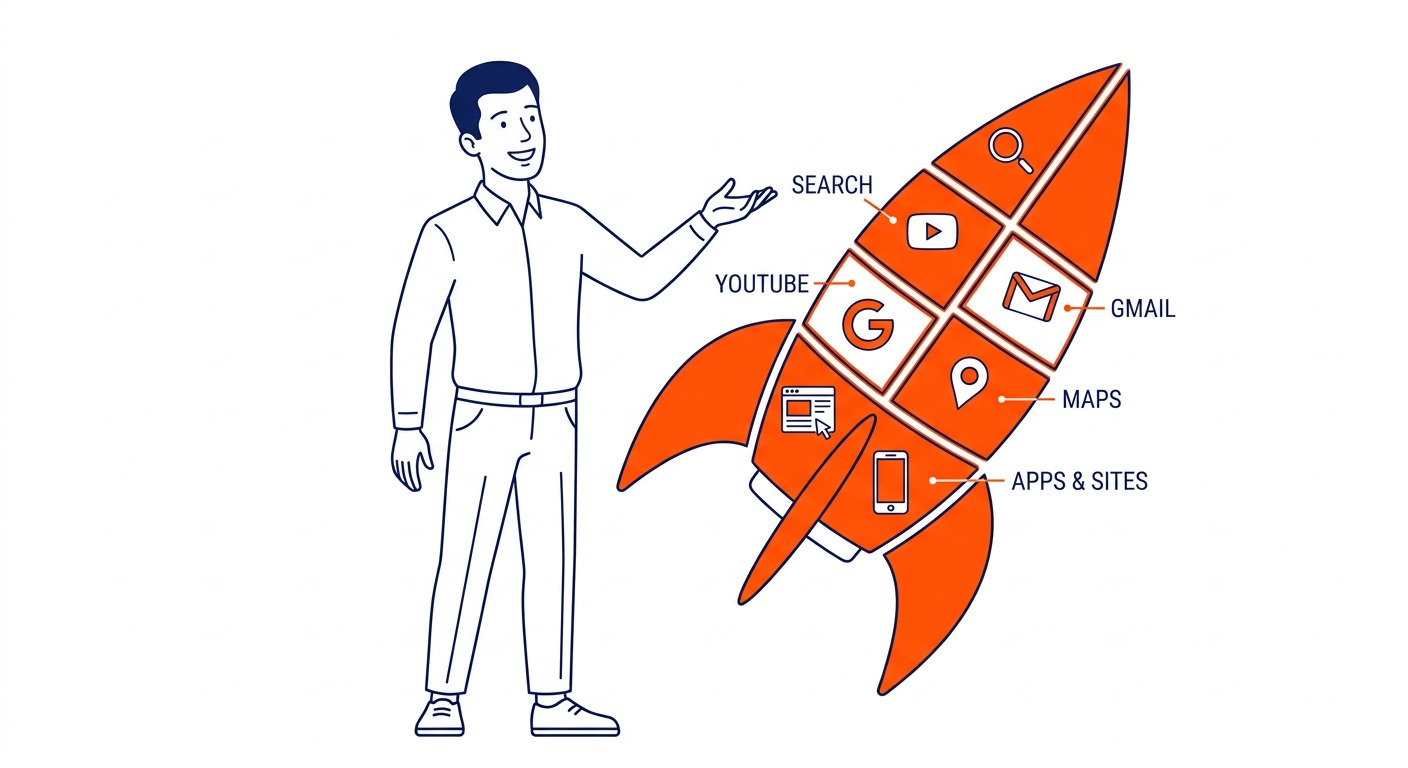
Search is just one piece. One account handles YouTube ads, Gmail promotions, Maps placements, and banner ads across the Google Display Network. Two million websites and apps. That is the reach of the Display Network alone.
Sponsored results at the top of the page are Google search ads. Advertisers pay on the click, not on the impression.
Ad shows. Nobody pays. User clicks. Then the advertiser pays. That is the pay-per-click model for most formats. Local Services Ads charge per lead instead.
Budget, keywords, ad copy, bid. A search happens, Google auctions placement in real time, and the highest-scoring ads appear.
Organic rankings and Google Ads are separate work. Rankings develop over months through content and links, while Google Ads is bought placement. Both still have their role. Working with a Calgary SEO company gives a business the long-term foundation for visibility in the market. Paid ads run in the gap while organic rankings develop.
How Google Ads Works
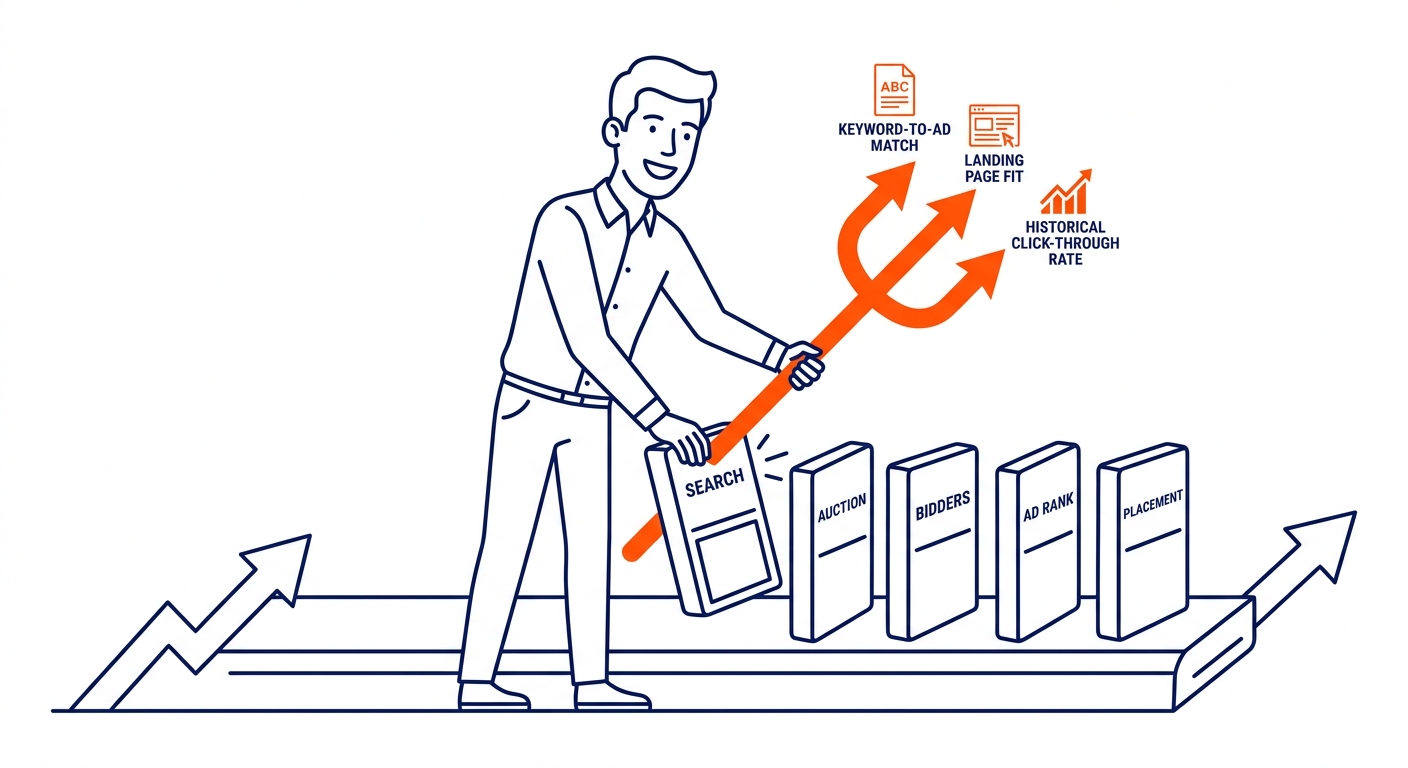
Each search triggers an auction. Every advertiser who bid on a related keyword enters it. Highest bid still does not automatically win.
Ad Rank decides placement. Quality Score (1 to 10) multiplies against the bid. Three factors go into it: keyword-to-ad match, landing page fit, and historical click-through rate.
$2 bid. Quality Score 9. It outranks the $5 bid at Quality Score 3 every time. Quality Score, then, is how Google rewards relevance. A tightly managed account with matched landing pages costs less per click than a loose account spending more.
Keywords drive the auction. Match type controls which searches trigger which ads. Exact match is tight. Phrase match allows variation around the core phrase. Broad match captures the widest range. Without negative keywords, broad match generates clicks on searches that have nothing to do with the business.
Negative keywords block irrelevant searches before they cost anything. Most underperforming accounts are short on them, too. For businesses that want to get keyword selection right before building campaigns, To-The-TOP!’s SEO keyword analysis service covers which terms are actually worth bidding on.
Types of Google Ads
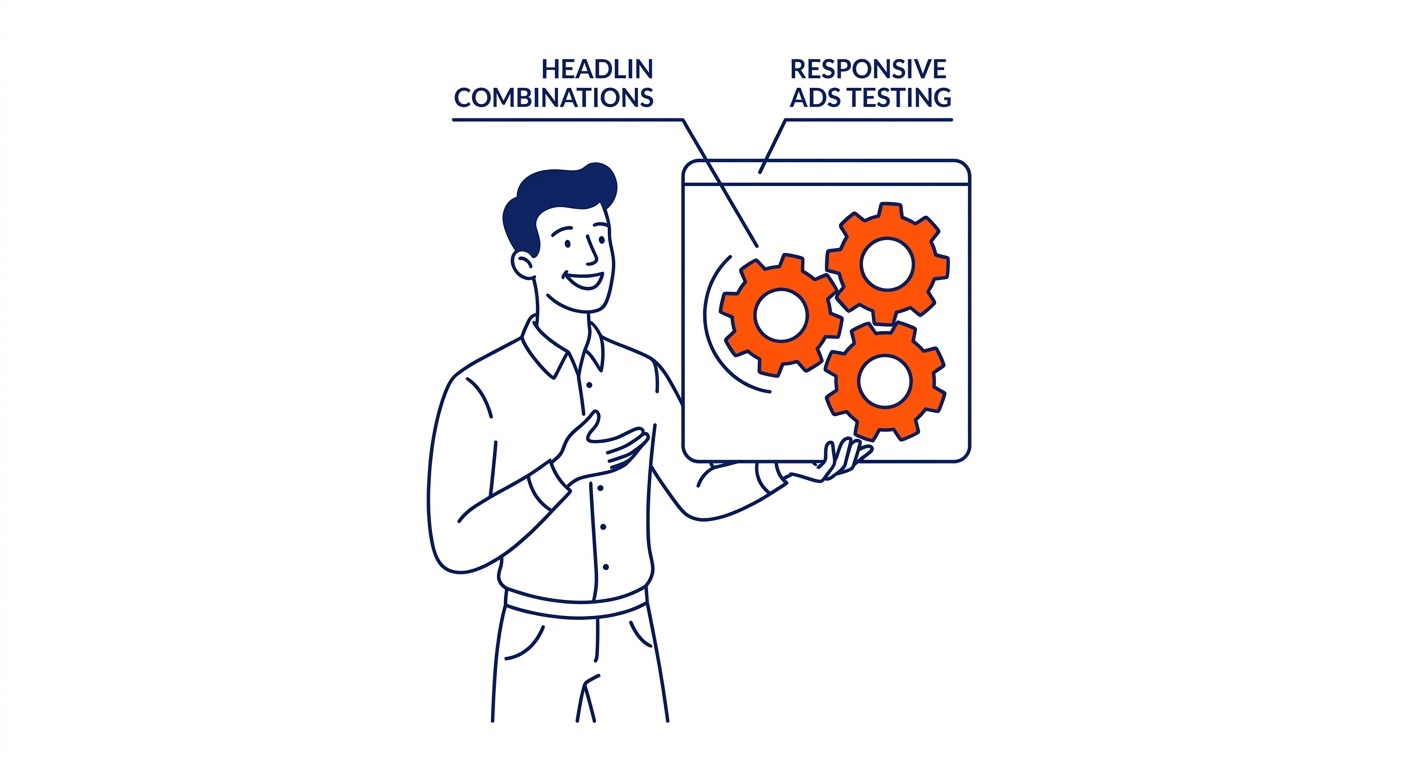
Most accounts that come through To-The-TOP! are running search ads only. For most businesses, that is the right starting point. Text results at the top of Google when someone searches for what is being offered. Within search, three variations exist: responsive search ads test headline combinations automatically, call ads put a phone number directly in results, and dynamic search ads generate headlines from website content. Responsive search ads are the standard entry point.
Display is where confusion tends to live. Banner ads, images, and rich media placed across the Google Display Network as users browse other websites. For re-engagement, reaching past visitors while they are browsing elsewhere, display has a clear role. Display advertising is less effective for reaching people who have no prior interest in the business. For direct conversions from cold audiences, search ads outperform display ads in most accounts.
Product image, price, and store name. All visible inside Google search results before anyone clicks. That is what Shopping ads do. Buyers see the price before committing, which filters intent. Shopping ads are standard for e-commerce clients, and conversion rates tend to be stronger because of that filtering. These campaigns run through Google Merchant Center.
Video Google Ads
Video ads run on YouTube and partner sites. Skippable in-stream is the most common format. After five seconds, the viewer can skip. Non-skippable runs 15 seconds. Six-second bumpers and in-feed are the other options. YouTube is a Google property, so all video campaigns run from the same account.
App ads are for mobile app promotion. Budget and a target action go in. Google generates creative from the app store listing and runs ads across Google Search, YouTube, Google Play, and the Display Network.
Performance Max is the AI campaign type. One campaign, every channel: search, display, YouTube, Maps, Gmail. Google handles the bidding, the targeting, the creative. It works once the account has conversion data for Google to learn from. Without that history, Performance Max tends to burn budget. A focused search campaign usually outperforms it at the start.
Local Services Ads sit above standard search ads in local search results. Charged per qualified lead, not per click. Qualifying requires verifying both licence and insurance.
How Much Does Google Ads Cost
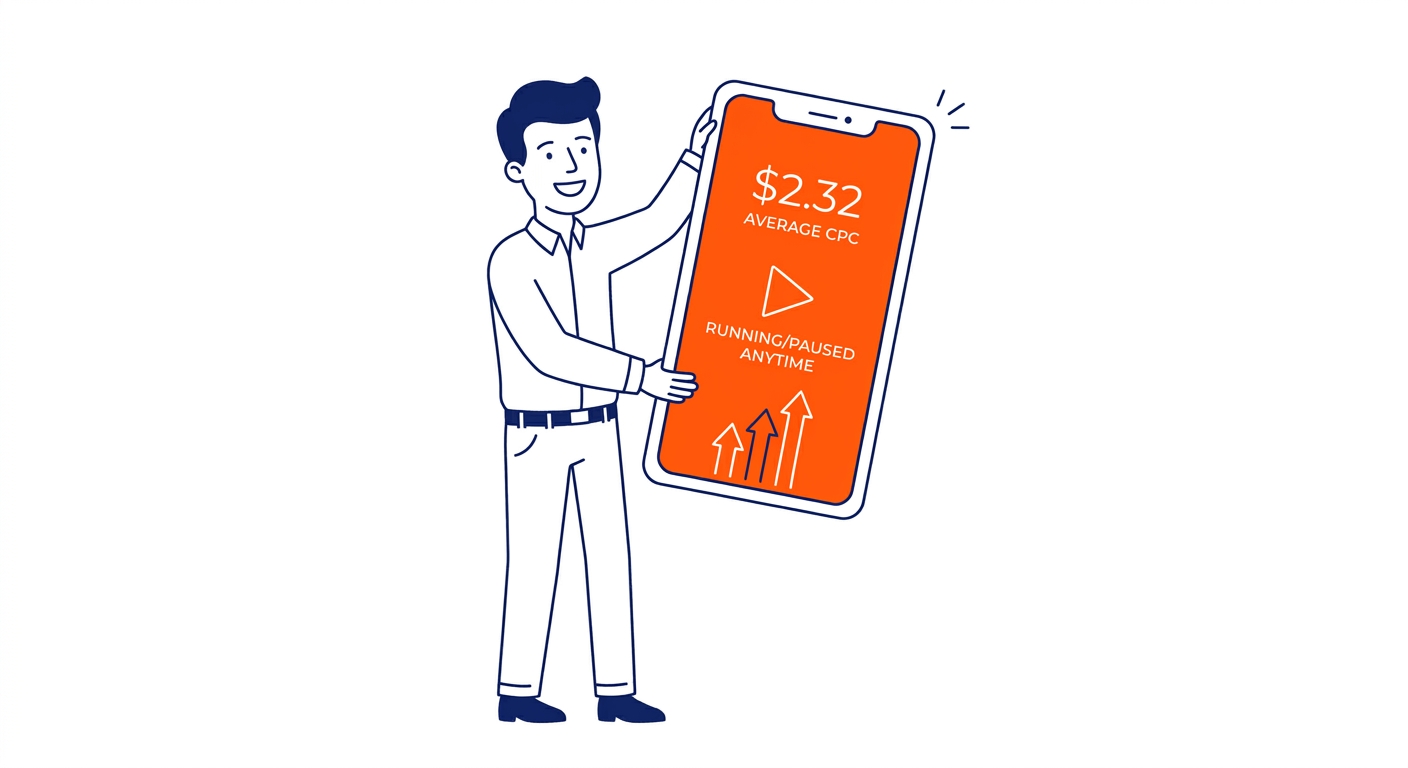
No minimum budget. Ten dollars a day runs a real campaign. Pause it anytime.
What you pay varies by industry, keyword, Quality Score, and competitor bidding. The average cost per click across all sectors in the United States sits around $2.32, though that number covers a wide range. Legal and financial keywords run far higher, however. Local services and retail typically come in lower.
Several pay-per-click bidding strategies are available. Manual CPC means setting the bid per keyword. Target CPA tells Google the cost per acquisition to optimize toward. ROAS bidding, similarly, targets return on ad spend. Maximize conversions and maximize clicks are fully automated options. New accounts without conversion data typically start on manual CPC or maximize clicks, then shift to smarter automated bidding once enough performance history exists. Campaign performance improves significantly once Google has sufficient conversion data to work from.
Why Businesses Use Paid Search
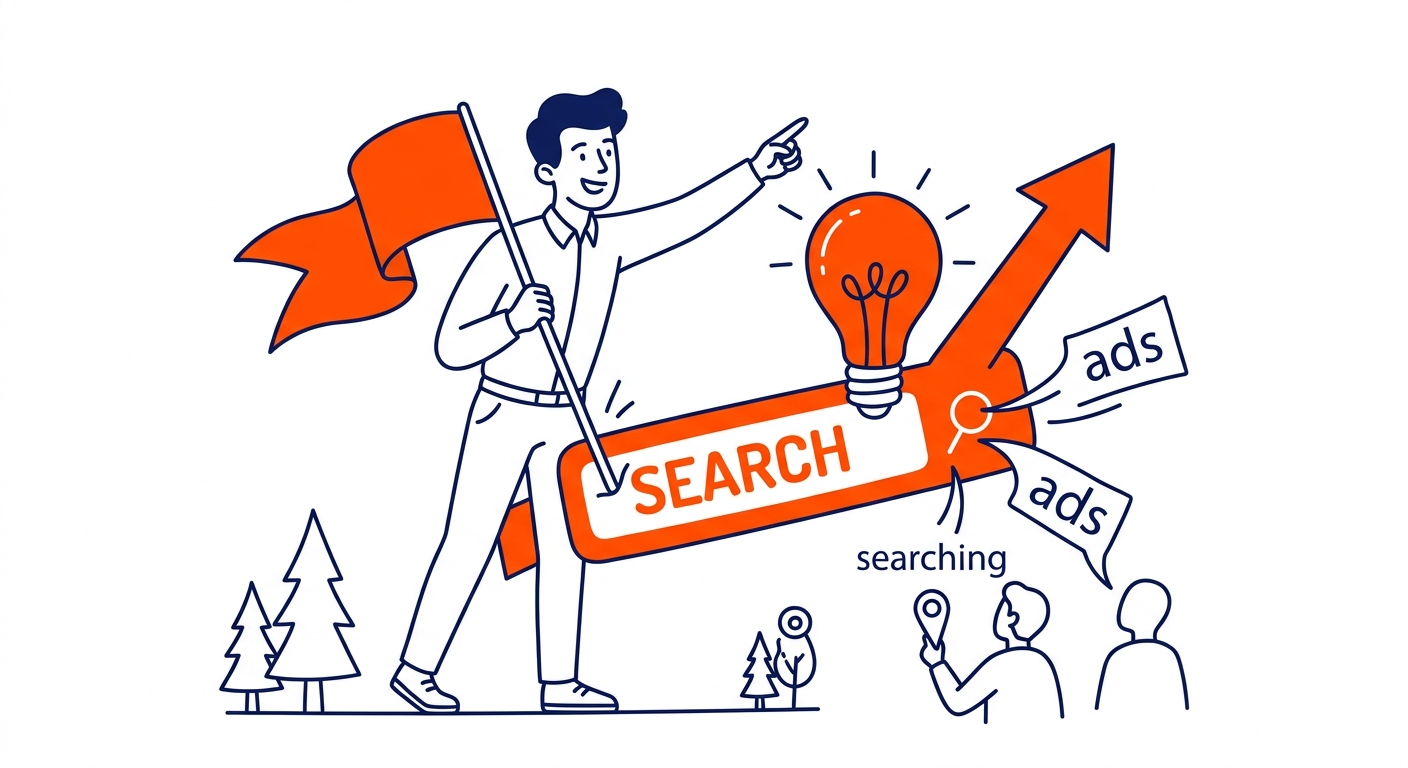
Timing, above all, is the main reason. Search ads show when someone is already looking for what you offer. Unlike display or social advertising, where a message reaches people who may have no interest at all, search intent is already present when the ad shows.
Targeting is also specific. Location narrows by postal code, radius, device, time of day, or demographics. Interest-based audiences and remarketing lists of past visitors also layer on top, through the Display Network.
Tracking makes the math visible too. Which keywords, ads, and campaigns generated sales, calls, or form completions, visible at the keyword level. That attribution is still hard to get from traditional advertising.
Speed also matters. A new Google Ads campaign can even drive traffic the same day it goes live. Meanwhile, organic SEO typically builds over months. For Calgary, Edmonton, or Vancouver businesses building long-term visibility, our SEO services are the foundation. Paid search also covers the gap.
Small businesses do well on Google Ads because the auction does not run on budget size. Relevance wins. In fact, a $1,500 per month account, tightly built with a matched landing page, beats a $5,000 account with no structure behind it. Small businesses often get more from paid search than from the traditional advertising they had been running.
Finally, remarketing. Past visitors who did not convert see display ads follow them across the Google Display Network and YouTube as they browse. Some come back. Many, however, do not. Remarketing keeps those former visitors seeing the brand.
FAQ
What is a Google ad?
The Sponsored listing at the top of search engine results is one. So is the pre-roll before a YouTube video, the promotion in a Gmail inbox, or a banner on a news site. Paid placement across Google’s properties and partner network. Advertisers pay per click for most formats. Local Services Ads charge per lead.
What can Google Ads do for a business?
Reaching people who are already searching for what you offer, mainly. Search ads meet existing demand. Display and video reach audiences before the search happens. Foot traffic, app installs, leads, and e-commerce sales. One platform covers all of it.
Did Google AdWords become Google Ads?
Same platform. It launched as Google AdWords in 2000 and was renamed in 2018, once Gmail, YouTube, Shopping, and display had all been added. The auction mechanics never changed.
How does bidding work in Google Ads?
A search happens. Milliseconds. That is the entire window Google has to find the advertisers bidding on those keywords, score each one, and settle placement. Highest bid is not automatically the winner, however. Specifically, the winning metric is Ad Rank: your bid times your Quality Score. With a strong Quality Score, you pay less per click and reach a higher position. The top spot is earned on relevance, not budget.
How much does a click cost in Google Ads?
Legal and finance CPCs run $10 to $50 and up. Local services and retail are often under $3. The $2.32 U.S. average across all industries is not a useful number in isolation. The right cost per click is the one that produces conversions at a margin that still makes the spend worthwhile. That math is different for every business.
For Google Ads management in Calgary, Edmonton, or Vancouver, To-The-TOP! runs campaigns for businesses looking for measurable results from paid search.
Contact Calgary SEO Company To-The-TOP!
Questions about anything in this article, or about your own rankings? Talk to a Calgary SEO specialist directly.
Phone: (403) 308-5949
Address: 1509 14 Ave SW, Calgary, AB T3C 0W4
Hours:
Monday to Friday: 10:00 am – 7:00 pm
Saturday: 12:00 pm – 4:00 pm
Sunday: closed
