What Is SEO
Three letters. Everyone in marketing uses them. Fewer people can explain what they actually involve, why results take months, or why two businesses with identical budgets end up in completely different places. The longer answer follows.
What Is SEO and What Does It Mean
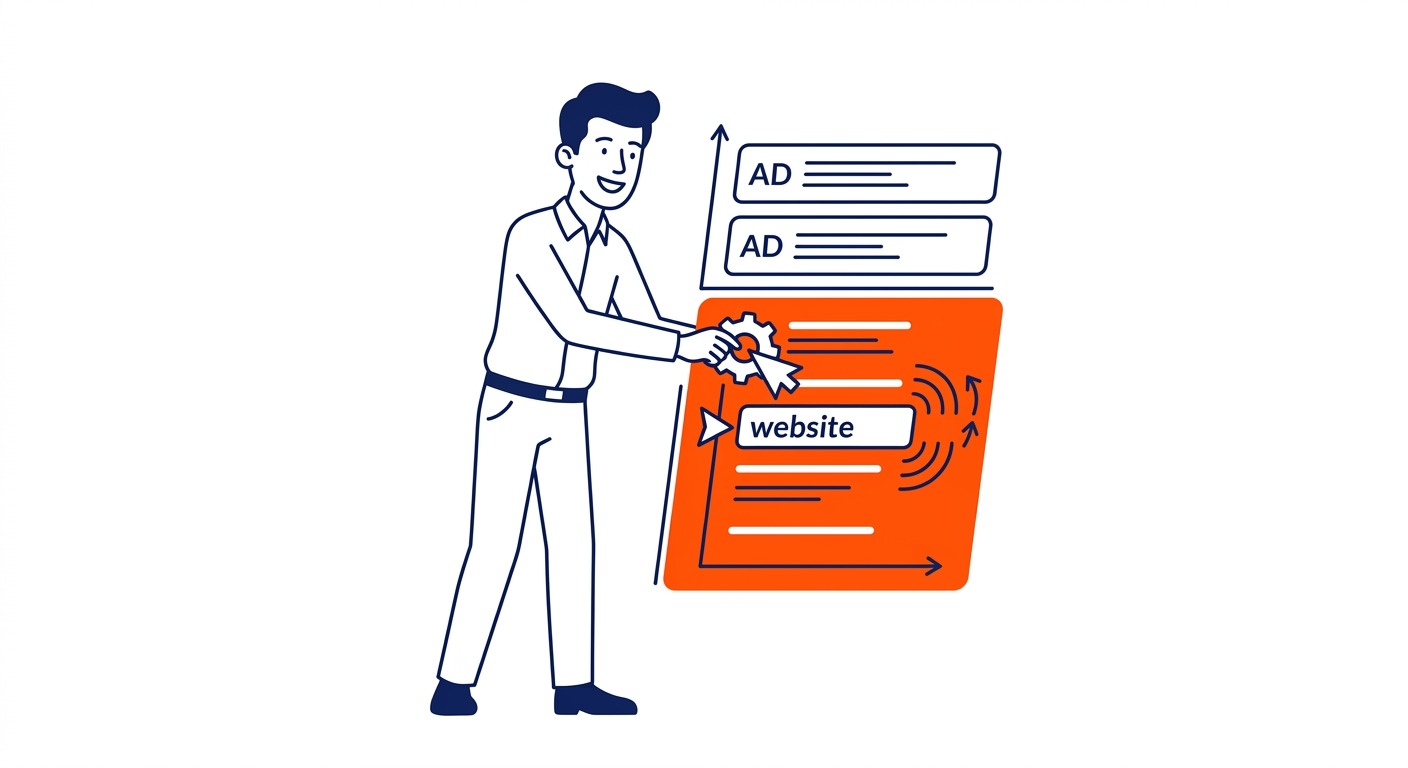
SEO stands for search engine optimization. The practice covers what a business does to improve where its website shows up in unpaid search results. Not the ads at the top. The organic listings below them.
That distinction matters because the two behave very differently. Paid ads stop the moment the budget runs out. Organic rankings earned through SEO do not. A website holding a strong position keeps getting traffic without paying per click, as long as the work is maintained and competitors are not moving faster.
Depending on who uses it, the label shifts. SEO marketing, organic SEO, search engine strategy. Same underlying practice, different names. Earning placement in unpaid results rather than buying it.
How Search Engines Work
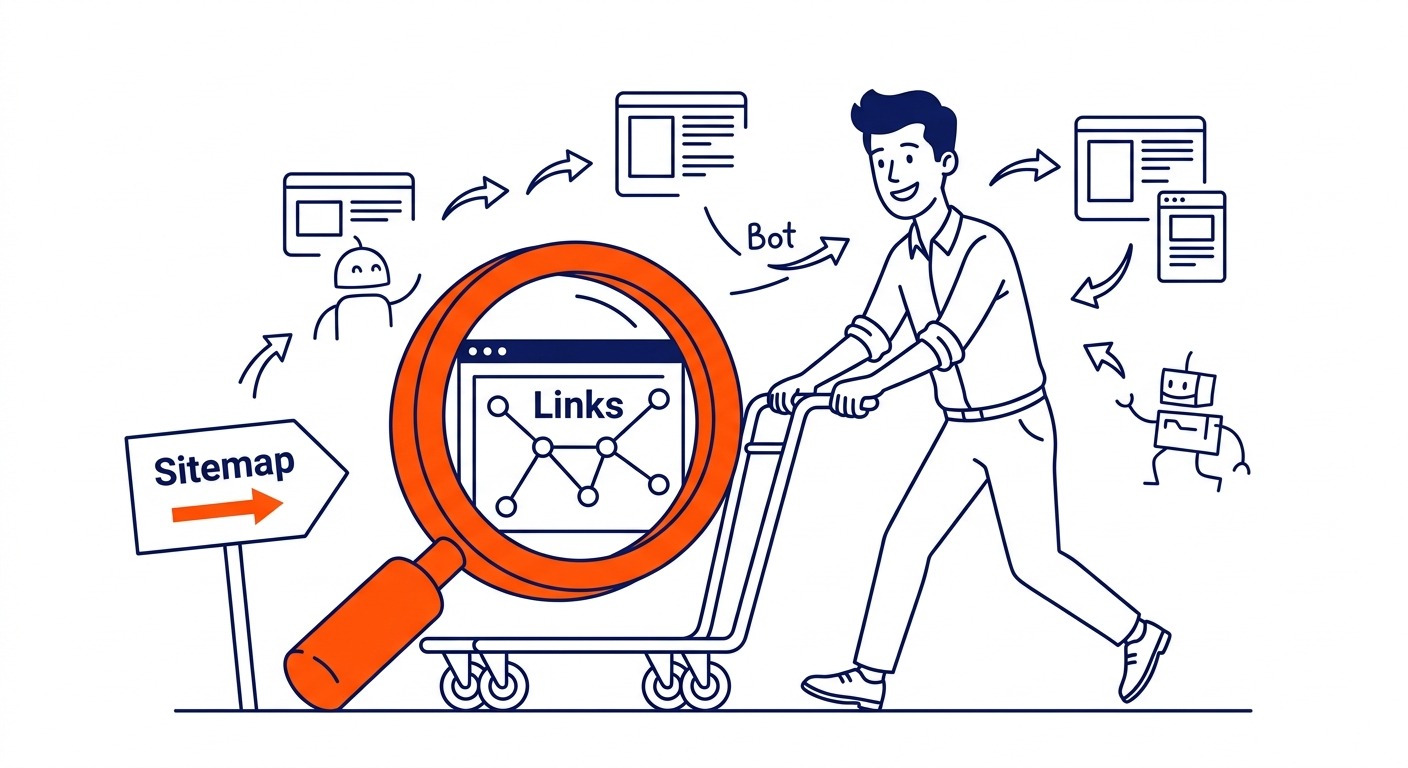
Bots crawl first. They follow links across the web looking for pages. No inbound links means no discovery. Getting found requires either links from pages already in the index or a sitemap submitted directly to Google Search Console.
After crawling comes indexing. What goes into that analysis for search engines: content, structure, headings, links, and dozens of other signals. The result is a database entry summarizing everything they know about the page.
Someone types a query. Ranking happens right then. From the index, search engines pull relevant pages and decide, in milliseconds, which ones best answer the query. Google runs hundreds of signals through that calculation, and user experience is one of them.
Good keyword analysis for SEO is the foundation. Content targeting phrases people actually type into search ranks. Pages built around what a business assumes people search often do not. Understanding that pipeline explains most of the importance of SEO to a small business.
What SEO Marketing Involves
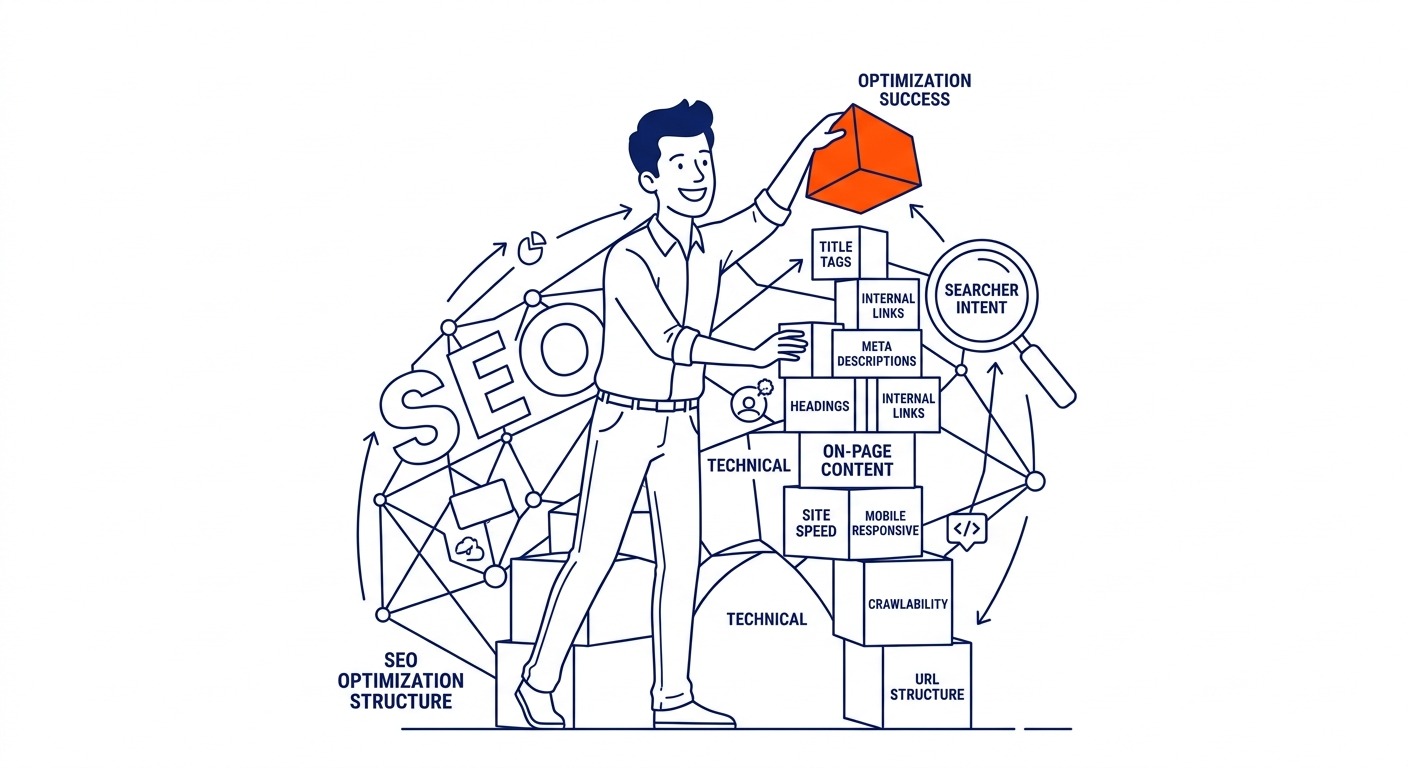
Three areas cover most of the work.
On-page is the content side. Title tags. Headings, meta descriptions, internal links, the words on the page. Google assesses whether any of it serves the searcher.
Technical SEO is the infrastructure. Site speed. Mobile responsiveness. Crawlability, URL structure, clean redirects. Search engines need to get in and out without hitting obstacles. Slow pages rank lower. Broken links compound the problem. Poor user experience is a ranking signal too.
Off-page is authority. Trusted, relevant websites linking to a page are a signal that it is worth ranking. One strong link from a well-known source outweighs fifty links from directories nobody reads.
Hiring a Google Ads management agency and investing in SEO are both routes to visibility in search. Paid search buys it immediately. SEO builds it over months. Both work better when the underlying keyword strategy is the same. Search is one channel among several, and SEO as a marketing channel is the wider frame.
Why SEO Matters for Your Website
Organic traffic costs nothing to receive once a page is ranking. Every visit from a search result also costs nothing beyond what was spent building the optimization.
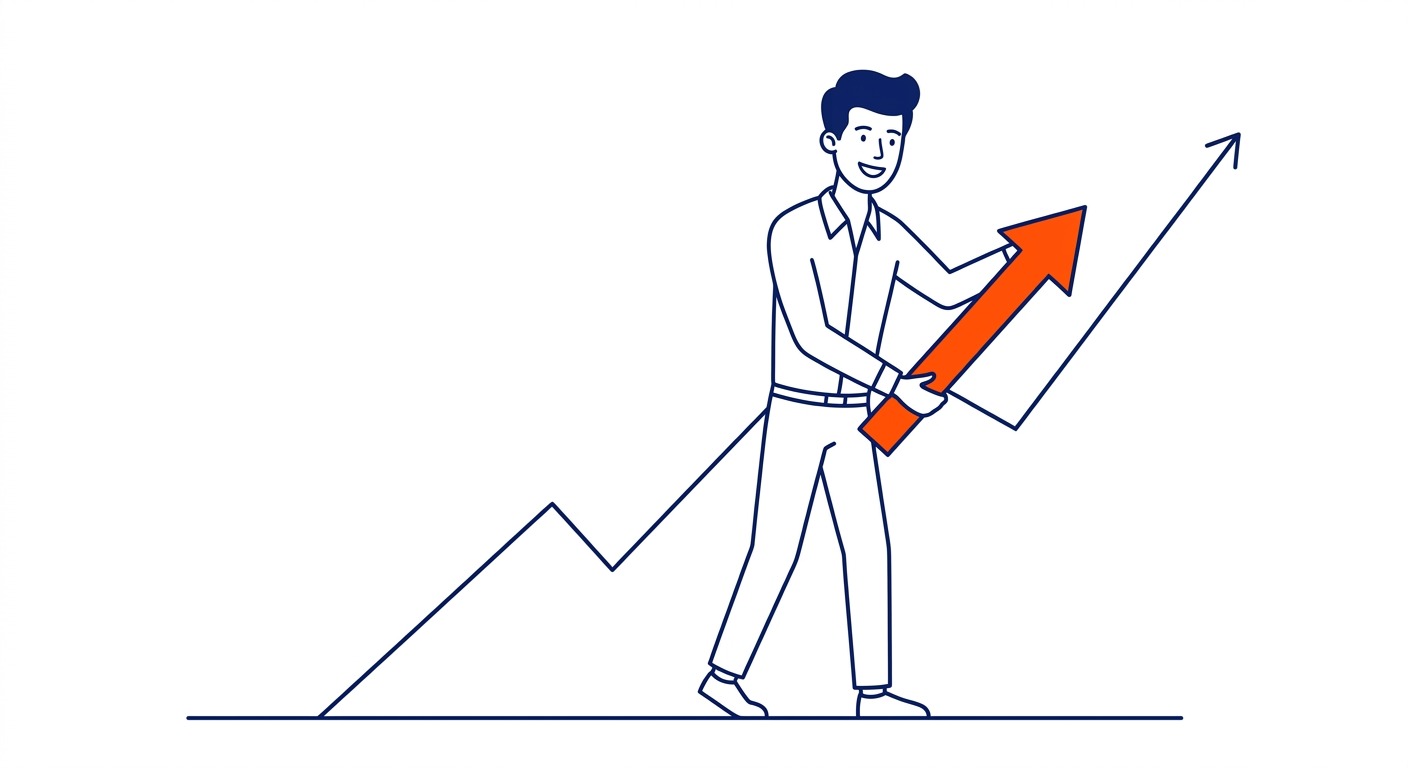
That compounds. A page in position three for a high-traffic term keeps delivering visitors for months or years. Paid search stops the moment budget runs out.
Users also trust organic results more than ads. For most non-commercial queries, organic listings get clicked more than paid results. Ranking near the top also signals credibility before anyone even visits the site.
For local businesses, the numbers work in their favour. Any SEO agency Calgary owners talk to will confirm it: competition on local terms is lower than on national ones, so budget goes further. The audience is already pre-qualified by geography. Someone searching “dentist Calgary northwest” is in buying mode.
The alternative, relying solely on paid search, requires constant funding. Stop paying and traffic disappears, while SEO builds something the business actually owns.
How Long Does SEO Take
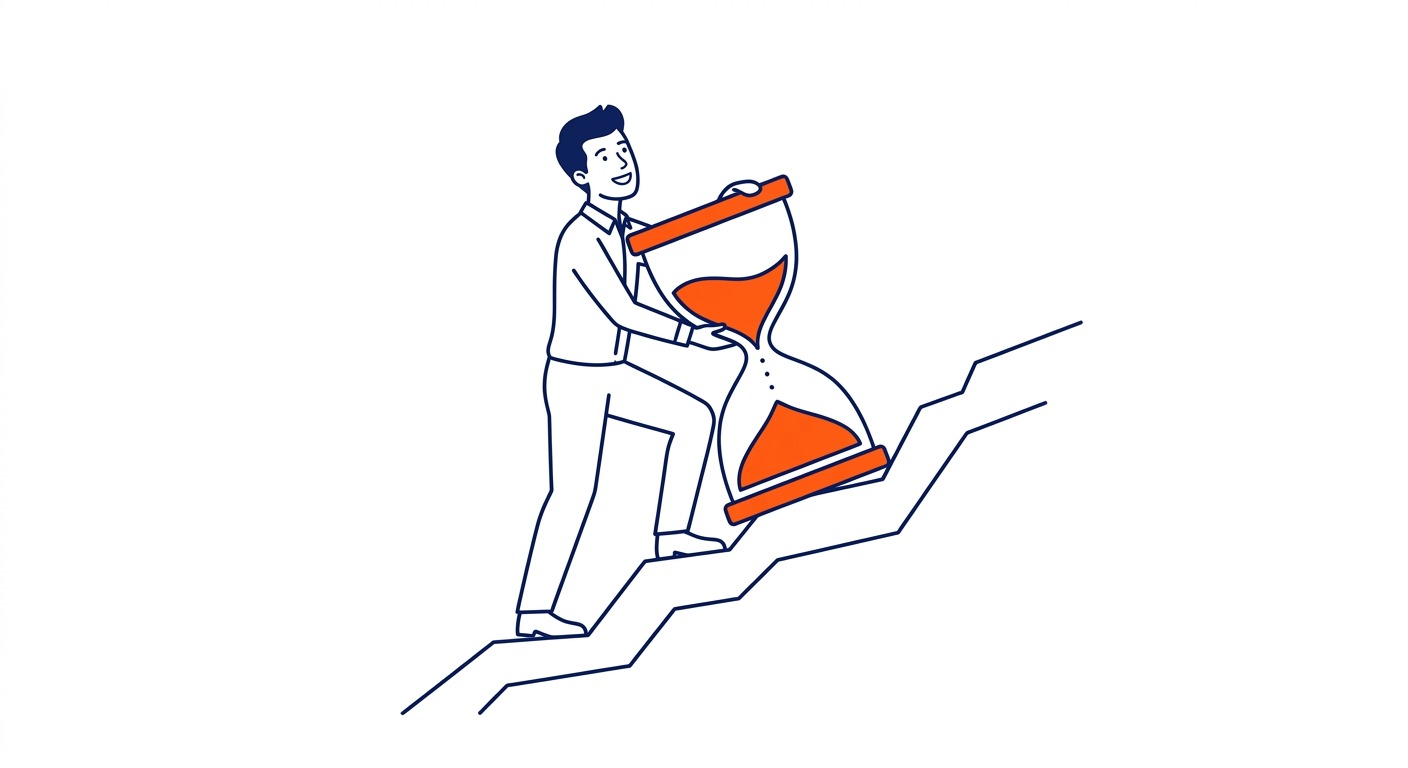
Still, three to six months for early results. Longer for competitive terms. Most businesses do not want to hear that. It is the straight answer regardless.
New pages do not rank immediately. Crawling takes time. Indexing takes time. Search engines then measure performance against established competitors, and that takes time too. A new page going after a low-competition phrase might start moving in a few weeks. Targeting “Calgary electrician” in a city full of established contractors takes considerably longer.
Several factors shape the timeline. Domain age. How much content already exists on the site. Whether technical foundations are clean. How competitive the target keywords are. A site with a strong existing presence still moves faster than a brand new domain.
Work done in months one and two rarely shows results until months four or five. That is not a sign the strategy is failing, though. It is simply the normal delay between optimization and measurement. Expecting results in thirty days sets up a false comparison, since SEO and paid search operate on entirely different timelines. The delay is part of what organic SEO means as a channel.
FAQ
What does SEO stand for?
Search engine optimization. It covers improving where a website appears in organic, unpaid results on platforms like Google. Not the ads. The listings below them that businesses earn through content and optimization rather than ongoing ad spend.
What is SEO and how does it work?
Bots find the page. Index it. Then at query time, Google pulls pages and decides which best match what the searcher needs. Content quality matters. So does the technical setup underneath the site. Links from other pages also factor in. Take one out and the others carry less weight.
What is the difference between SEO and SEM?
SEM is the bigger bucket. Search engine marketing covers both unpaid rankings and paid ads. SEO is one half. Google Ads is the other. Organic results earned through SEO stay up without ongoing spend. Paid spots disappear the moment billing stops. One builds an asset. The other rents visibility.
How much does SEO cost?
Active campaigns with consultants or agencies typically run $1,500 to $5,000 per month. Content, technical audits, link building, reporting. The return compounds in a way paid ads do not. Most of the SEO services Calgary companies offer start with an initial audit, then a quoted monthly rate.
What is local SEO?
Showing up for local queries. “Dentist Calgary.” “Plumber near me.” The optimization is different from national SEO. Google Business Profile matters a lot here. Consistent directory listings matter too, along with local keywords and citations from nearby sources. For most small businesses, this is where the return comes fastest.
Contact Calgary SEO Company To-The-TOP!
Questions about anything in this article, or about your own rankings? Talk to a Calgary SEO specialist directly.
Phone: (403) 308-5949
Address: 1509 14 Ave SW, Calgary, AB T3C 0W4
Hours:
Monday to Friday: 10:00 am – 7:00 pm
Saturday: 12:00 pm – 4:00 pm
Sunday: closed
