How Long Does SEO Take? The Three-Stage Timeline Explained
Three to six months for first SEO movement. Twelve months before most businesses see organic traffic that changes their lead volume. Two years to reach the ceiling on competitive head terms. Those ranges hold across most industries and most markets, not best-case or worst-case.
The actual timeline depends on four variables: current site condition, keyword competition level, content output rate, and link acquisition pace. Change any one and the timeline shifts. A new domain in a competitive market takes longer than an established site targeting narrower queries in a smaller city. Google builds trust in new sites gradually. Those ranges are not arbitrary.
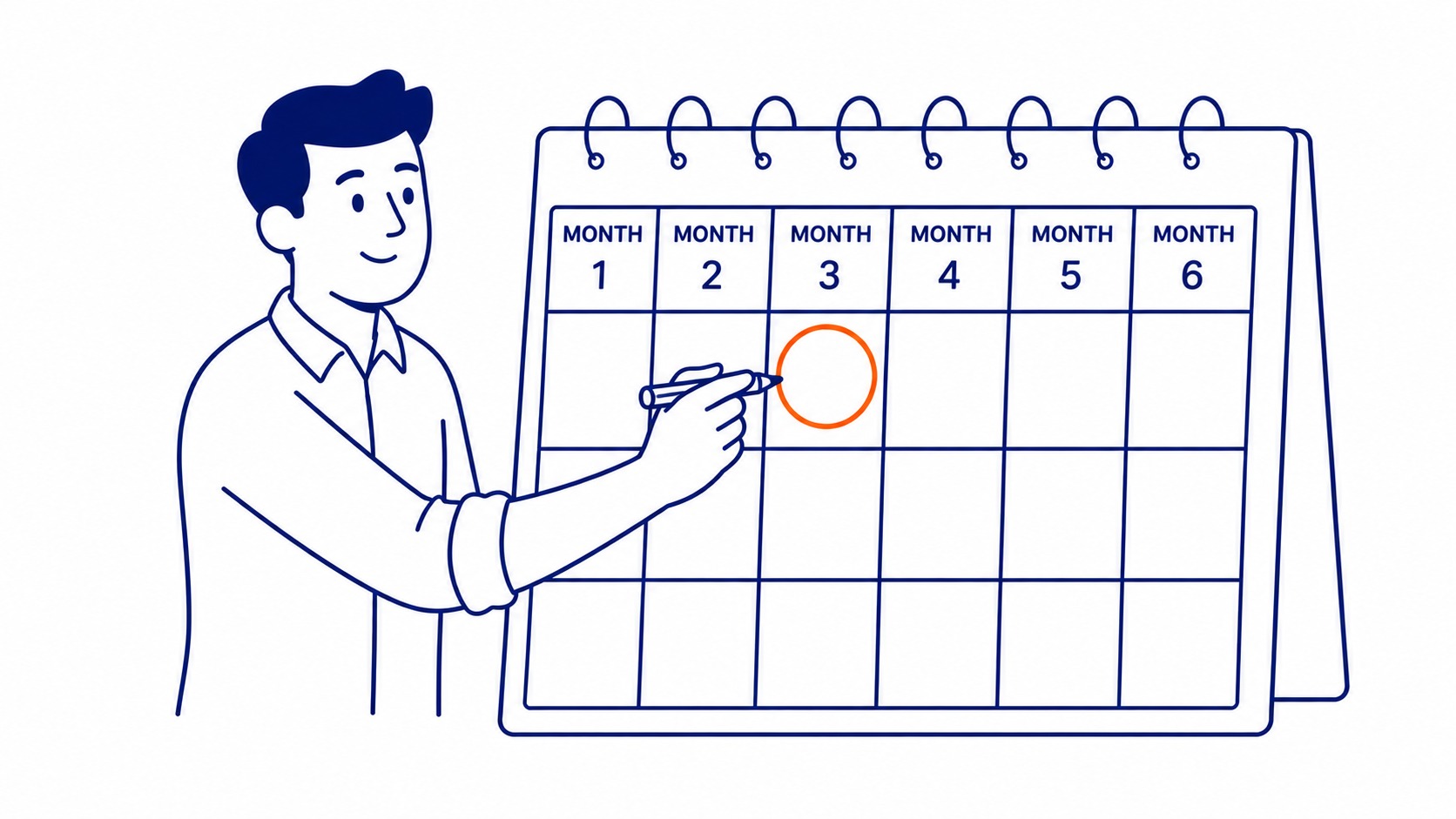
The Honest SEO Timeline: Three Stages
Months one to three are foundation work. Technical fixes, site structure cleanup, and first content published. Rankings rarely move. Google re-crawls the site, re-evaluates content coverage, and processes structural changes. Positions sometimes dip before improving. Technical corrections disturb the short-term baseline before strengthening the long-term one. Working with Calgary SEO specialists through this phase looks from the outside like nothing is happening. The work is still essential.
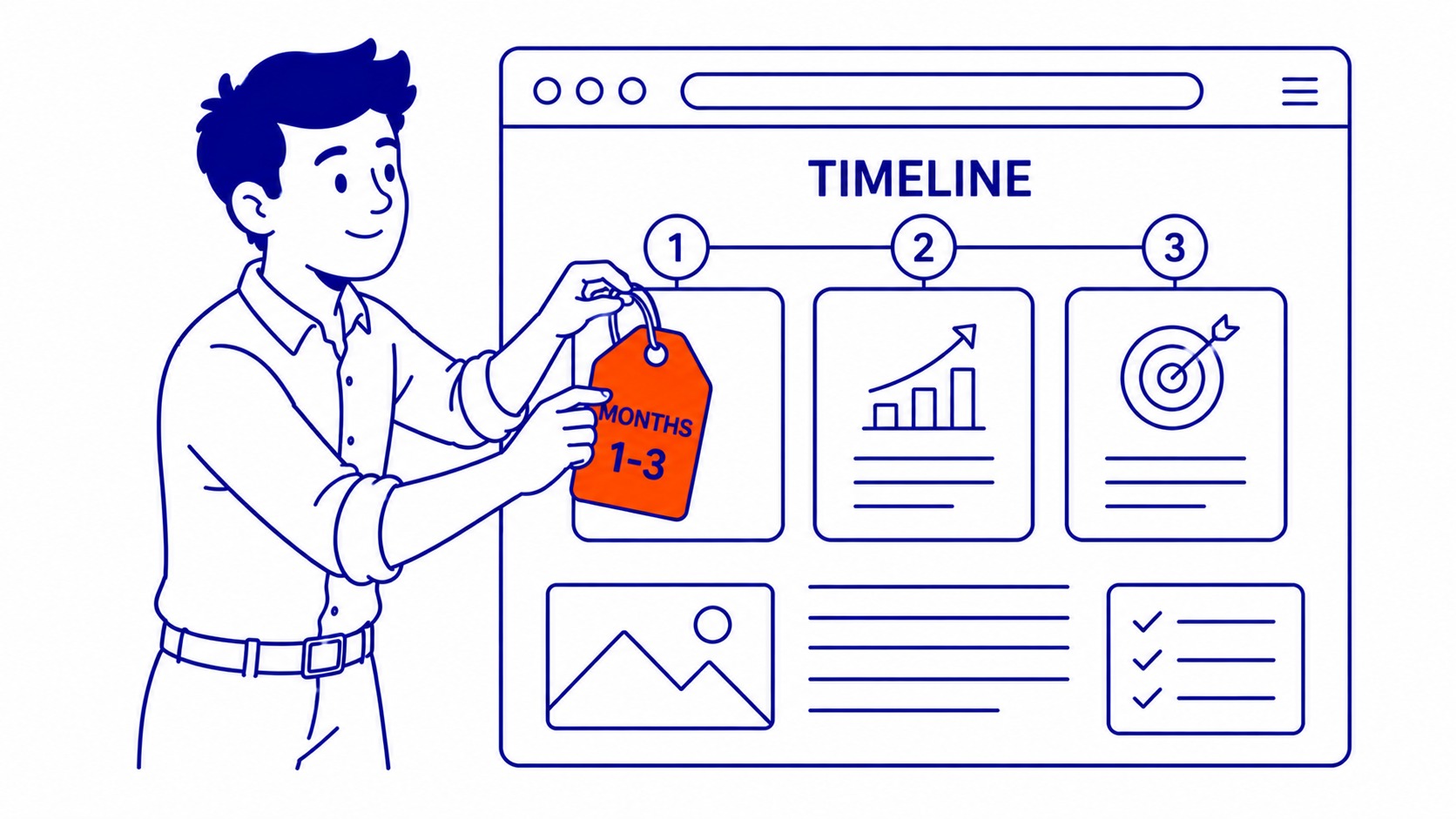
By month three, growth begins. Rankings on lower-competition terms start moving. Traffic starts. Slowly at first, more noticeably by month five or six. Content published during the foundation phase starts earning impressions in Google Search Console. Most businesses see first organic leads in this window, typically after month four.

After month nine, compounding takes over. Earlier content earns passive links. Established pages climb further. New content publishes into a more authoritative domain and ranks faster than the first pieces did. The return per new content piece increases because domain authority has improved. Running a Google Ads campaign alongside this phase generates leads during the compounding wait. Paid and organic are not in competition with each other.
Factors That Change the Timeline
Competition. The most important variable. A plumbing business targeting “plumber Calgary” competes against dozens of local and national results. Specialty contractors targeting narrower services in smaller markets may see movement in eight to twelve weeks. Same SEO investment, different clock speed.
Domain age and history. Sites with years of publishing and an established link history move faster. New domains have no trust signals for Google to reference. Typically three to six additional months on stage two. Not permanent, but it is a real cost.
Technical foundation. Sites with slow load times, crawl errors, or duplicate content spend more of stage one in repair mode. A clean technical baseline accelerates everything that follows. What actually moves rankings starts with technical health, before a single new piece of content is published.
Content output rate. Two posts per month produces different results than eight. Content compounds. More published pieces mean more ranking opportunities, more pages attracting external links, and faster topic authority. Volume matters more than most clients expect when planning a realistic timeline.
Monthly investment. Budget determines pace. More investment covers more content output and more proactive link acquisition. The monthly SEO investment required to reach meaningful organic traffic in year one is higher in competitive markets than most initial estimates reflect. Businesses planning on a minimal budget over twelve months are often working with the wrong timeline expectations.
What to Expect Month by Month
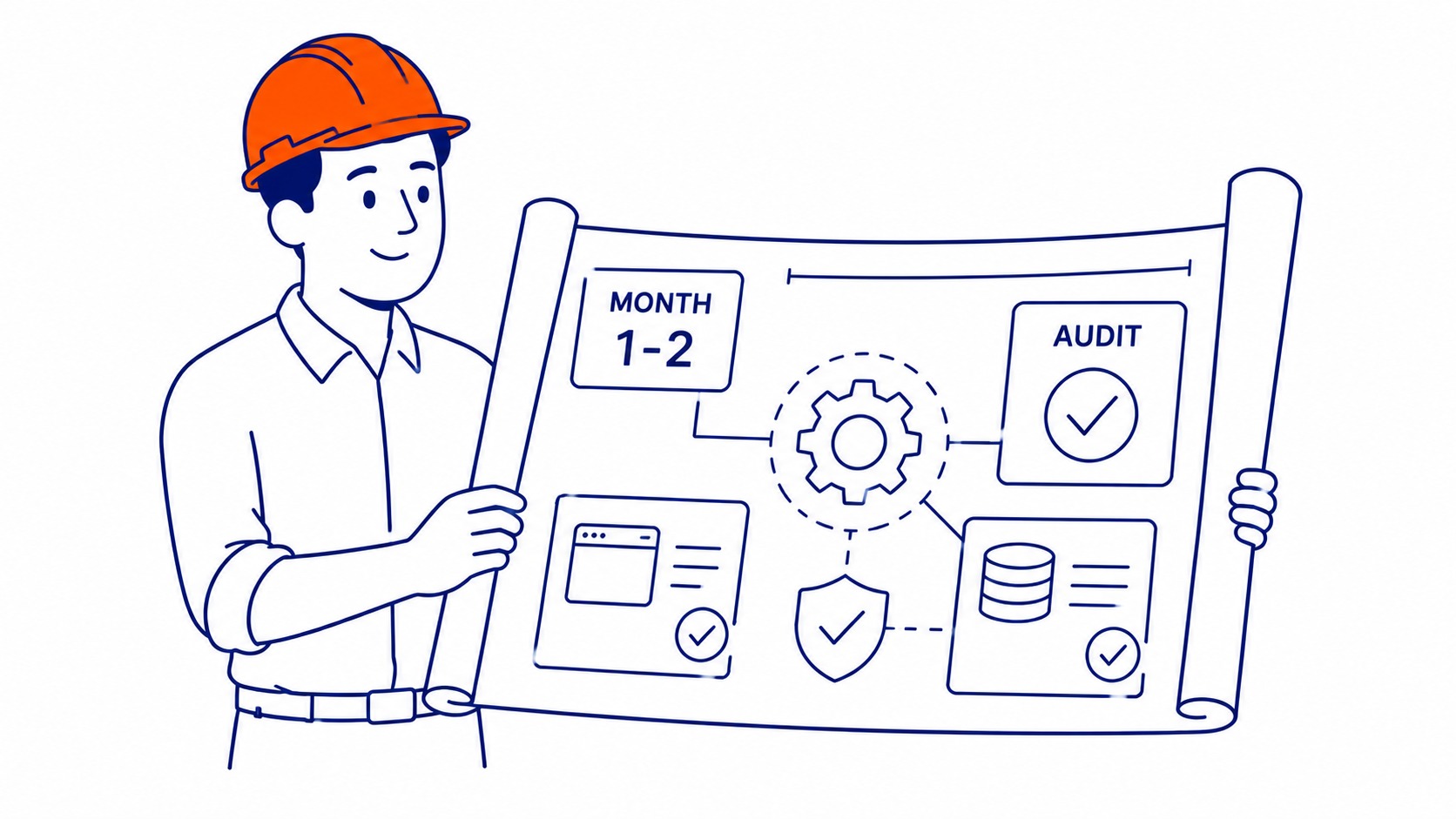
Months 1 to 2: Technical audit complete. Site structure adjusted. Keyword research finished. First new content published. Rankings flat or slightly down on existing terms.
Months 3 to 4: First position changes on long-tail and low-competition terms. Search Console impressions rising. Near-zero traffic but trending upward for the first time.
Months 5 to 6: Rankings on medium-competition terms beginning to appear. Traffic measurable in Analytics, small but consistent. First organic leads possible in this window for sites with well-converting landing pages.
Months 7 to 9: Position gains continuing. Some pages moving from page two to page one. Month-over-month traffic growth visible. The SEO investment starts looking justifiable in the reports.
Months 10 to 12: Compounding effects apparent. Earlier content pieces earning passive external links. Organic lead volume starting to justify the investment math. Medicine Hat businesses in service industries typically reach this milestone around month ten; lower local competition means the compound phase arrives faster than in Calgary or Edmonton.
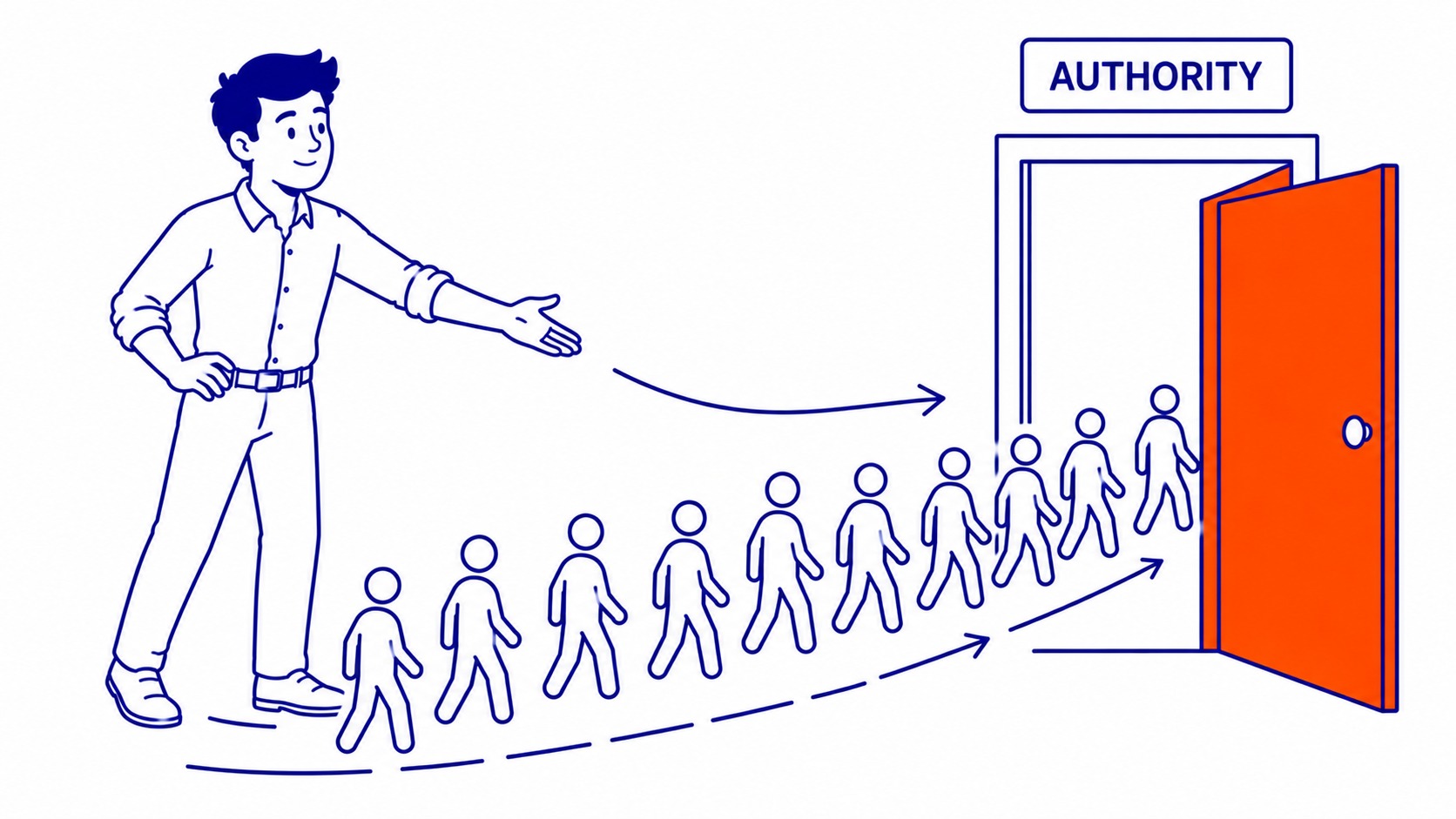
New Site vs Established Site
New domains have no ranking history, no existing authority, and no external links. Foundation work takes longer. Growth rankings take longer to appear. For competitive terms, eighteen months to two years is a realistic timeline for meaningful organic traffic. The first year is mostly investment with delayed return.
Established sites with existing rankings in Search Console move faster. Technically clean sites with consistent content publishing can show position improvements in three to four months. A full SEO program for an established site typically produces its first visible results two to three months sooner than the same program on a new domain. In the Kelowna SEO market, local service competitors often have older domains with authority but thin content; consistent publishing on an established site outpaces them in under a year.
The single biggest accelerant: completing the technical foundation before content work begins. Sites that skip this step redo the work later, at higher cost and further into the timeline.
Frequently Asked Questions
How long until I see first position changes?
Eight to twelve weeks for low-competition terms on an established, technically clean site. Three to six months for medium-competition terms. Twelve months or more for competitive head terms. Search Console impressions typically start climbing before ranking positions change, which is usually the first visible signal that SEO work is taking effect.
Does paid search speed up organic SEO?
No. Google Ads spend does not influence organic rankings. Running paid search alongside an SEO program generates leads while organic builds; the business case is revenue continuity during a twelve-month wait, not an SEO shortcut. The two channels serve different stages of the same goal.
What slows SEO down most?
Thin content published at low frequency. Sites that publish one short piece per month move slowly regardless of other factors. Content is the asset that attracts links and earns organic rankings. Technical debt runs second: unresolved crawl errors, slow page speed, and mobile rendering issues delay stage two even when content quality is high. Both are fixable. Neither gets better on its own.
