
Does AdWords Help SEO? What We Actually See After 19 Years
The question comes in two forms. Sometimes it is “does running Google Ads help my rankings?” Other times it sits in a budget conversation: “If I spend more on AdWords, will Google reward my organic results too?” After running SEO campaigns and Google Ads accounts at SEO Company To-The-TOP! since 2007, the answer we give is the same one Google gives: no, not directly.
Paid ad spend does not move organic rankings. Google has been explicit about this for years, and the search team operates in a genuinely separate environment from the ads side. Spending more on AdWords will not push your site up a single position in organic search results, nor will it build domain authority. The two systems do not communicate that way.
That said, the question deserves a straight answer rather than a flat denial. Ads and SEO interact in ways that are indirect but real. Understanding where those connections exist changes how most businesses think about their digital marketing budget.

Google’s Position Has Not Changed
Worth knowing before the debate starts. Google confirmed years ago that ad spend carries zero influence on organic rankings, and the answer has not shifted.
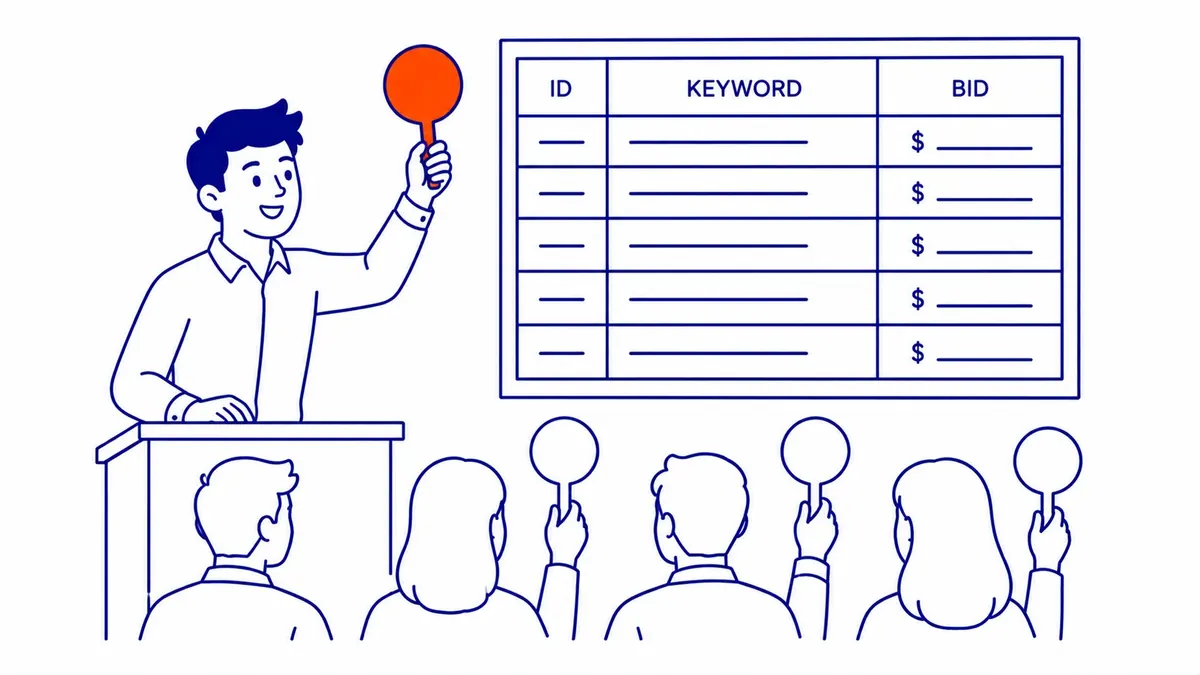
The algorithm scoring content relevance and page authority does not see your campaign data or monthly AdWords spend. This is not just policy language. Independent tests have run this scenario repeatedly: businesses that pause Google Ads do not see their SEO rankings drop. Businesses that double their ad budget do not see positions improve. The organic index measures authority and relevance; the ad auction measures bid and Quality Score. Different systems, different signals.
What Your Google Ads Account Actually Tells You
Buried in every Google Ads account is a data source most businesses are not using for their SEO. The Search Terms report shows the exact phrases people typed before clicking your ads.
SEO keyword research tools estimate search behaviour from monthly averages. Your Google Ads account measures it directly, with conversion data attached. Six months of PPC campaign management will surface buying-intent queries that standard keyword tools miss, because those tools aggregate industry-wide volumes rather than tracking what your specific target audience types during active campaigns.
Those terms go directly into your SEO content plan. For your site, that means building pages around the search terms that already convert in paid results. Your business can cover the same ground organically over time, once you know which queries actually drive action rather than just traffic.
If your business is running paid ads and not sharing the Search Terms report with your SEO specialist, that is an oversight worth correcting. The overlap between what converts in PPC and what should be targeted organically is almost always higher than businesses expect. Whether the spend itself pays off is a different question, and our write-up on PPC takes it up. Pulling everything from that report into your campaigns causes keyword bloat in Google Ads.
Ad Copy as a Title Tag Testing Lab
Faster feedback than waiting on organic data. The ad account gives your business the quickest headline-testing environment available.
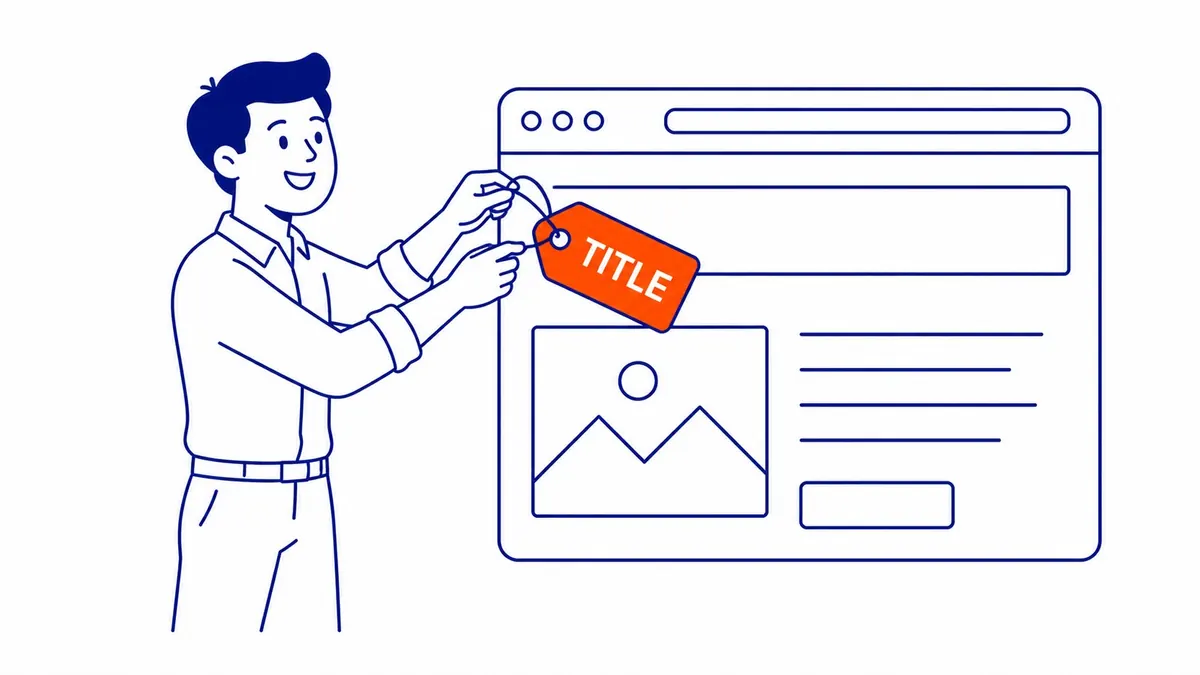
SEO takes months to surface whether a title tag resonates with searchers. Your Google Ads account shows click-through rate data within days. A headline pulling 11 percent CTR in your AdWords campaigns is strong evidence for the meta title on the same topic. One pulling 2 percent tells you the framing is wrong, before you spend months building content around it.
Businesses that run PPC ads alongside an SEO services agency in Calgary get this feedback loop by default. Ad copy performance informs your content approach; well-structured content improves landing page Quality Score in return. Both channels sharpen your site over time.

Landing Pages: What Quality Score Reveals
Quality Score surfaces page problems fast. A landing page earning a low Quality Score from Google costs more per click. The fixes are not complicated: faster load time, content that matches the ad and the search term, and a clear path to conversion.
Those same fixes improve organic ranking performance. Page speed, content relevance, and user experience affect how your site ranks in search results alongside how your PPC ads perform. Google Ads bills you immediately when your landing page underperforms. SEO shows the same gap as ranking suppression over months, not weeks. Many businesses fix landing pages under pressure from the AdWords account, then find their organic results improve as a direct side effect. That side effect is the clearest way PPC can help SEO without anyone planning it.
Running AdWords and SEO Together
Two results on the same query changes the game. When your site holds a paid position and also ranks organically for the same term, you cover more of the visible search results page. The probability of a click increases regardless of which result the searcher selects.

There is also a brand recognition carry. People who see your ad, skip it, and later find your organic listing already recognise the business name. Familiarity shapes click decisions. This shows up in branded search volume over time and is harder to measure directly than CPC data, but it is real.
To-The-TOP! has managed both channels for Calgary businesses since 2007. The pattern holds: businesses treating paid and organic as complementary channels consistently outperform the ones treating them as competing budget lines. Not by small margins.
Sequence matters for businesses just starting out. Google Ads generate immediate traffic while your SEO builds page authority. SEO then builds long-term organic visibility while the ad budget covers the near-term load. Both SEO and PPC ads have a place; which comes first depends on the stage your business is at.

Already using Google Ads management services? Ask your SEO specialist to look at the Search Terms data together. That conversation typically surfaces several content opportunities your SEO strategy had not yet mapped.
Frequently Asked Questions
Does AdWords improve SEO?
Not directly. Ad spend has no influence on organic rankings; Google has confirmed this for years. The indirect benefits are real, however: Search Terms data sharpens your competitor keyword research, ad copy click-through rates inform your meta title decisions, landing page improvements carry over to your site’s organic performance, and brand visibility from Google Ads generates more branded searches over time.
Is SEO dead or evolving in 2026?
Still evolving. AI-assisted results have changed how some answers display in search, but the ranking signals themselves have not moved. Content relevance, page authority, technical health: those still determine organic visibility. Weaker undifferentiated content is getting filtered out faster. Pages with real depth and specific editorial decisions hold their ground.
Is $20 a day good for Google Ads?
Depends on the market. Competitive Calgary terms in legal services, dental, or home renovation can consume $20 in two to three clicks. Lower-competition local queries stretch it further. Quality Score and landing page relevance determine how efficiently any budget performs; the daily cap is not the only variable worth optimising.
What is the 80/20 rule for SEO?
Roughly: 80 percent of your organic traffic comes from 20 percent of your pages. For most businesses, a small cluster of well-matched keywords drives the majority of volume. In practice, this means finding where your site already has traction and compounding that effort, rather than spreading effort across dozens of new topics with no existing authority. Worth mapping before starting a new content push.
Contact Calgary SEO Company To-The-TOP!
Questions about anything in this article, or about your own rankings? Talk to a Calgary SEO specialist directly.
Phone: (403) 308-5949
Address: 1509 14 Ave SW, Calgary, AB T3C 0W4
Hours:
Monday to Friday: 10:00 am – 7:00 pm
Saturday: 12:00 pm – 4:00 pm
Sunday: closed