How to Optimize an Ecommerce Product Page for SEO
One product page. One clear search intent to satisfy completely, from start to finish. Every single element on that page either helps Google understand and rank it properly, or gets in the way of that goal.
Product page SEO differs meaningfully from blog SEO in one key way. Commercial intent, not informational curiosity, drives the whole approach.
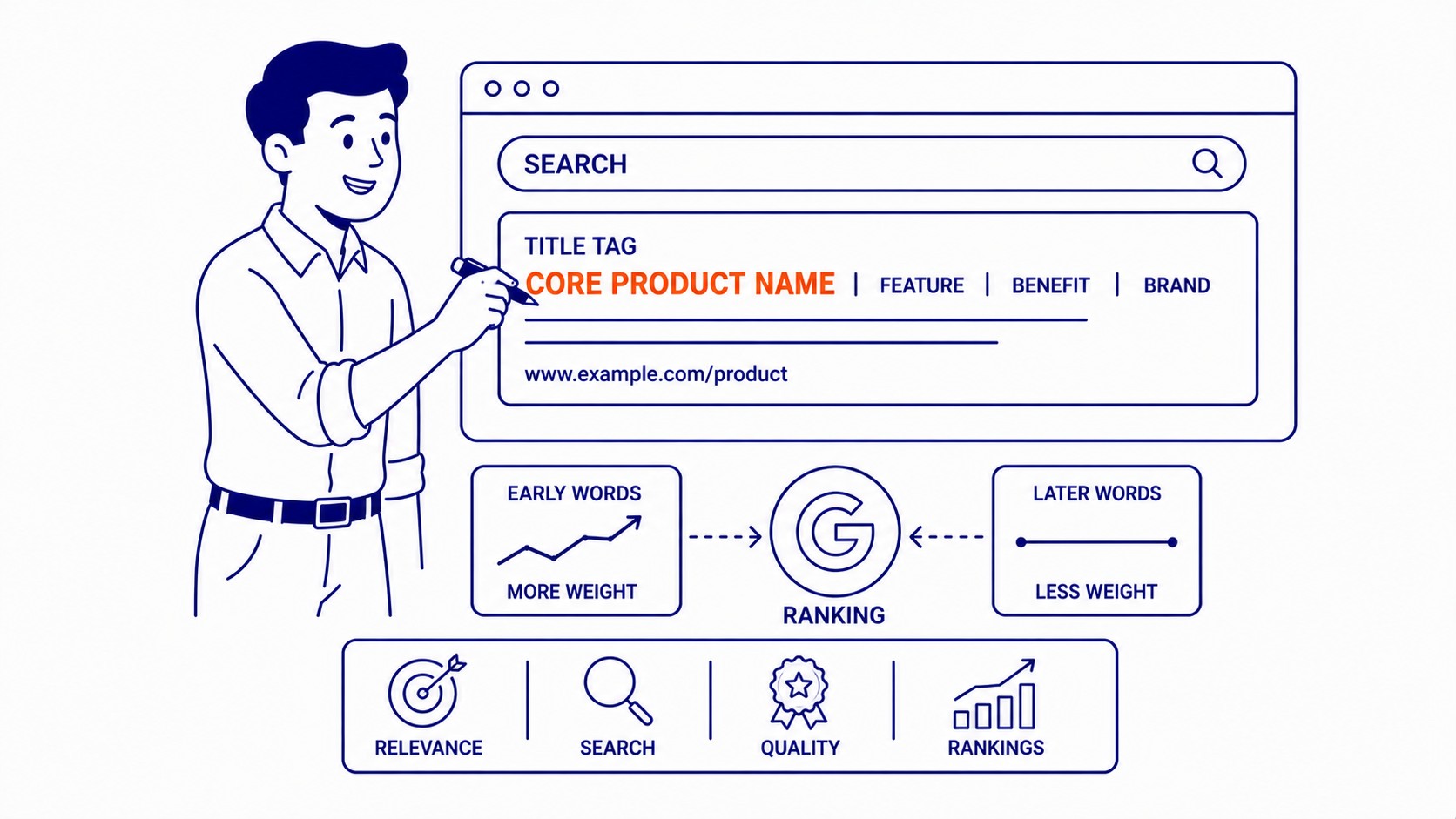
Writing a Product Title Tag That Actually Ranks
The core product name should appear early in the title tag, since Google weighs earlier words somewhat more heavily than later ones.
A strong title tag rounds out with brand name and key specifications. One differentiating detail too, without stuffing every possible keyword variation into one line.
Truncation in actual search results gets prevented by keeping the whole title tag under roughly 60 characters. A cut-off title just looks unpolished and unclear. Product pages get the same treatment through the Yoast focus keyphrase field before publishing.
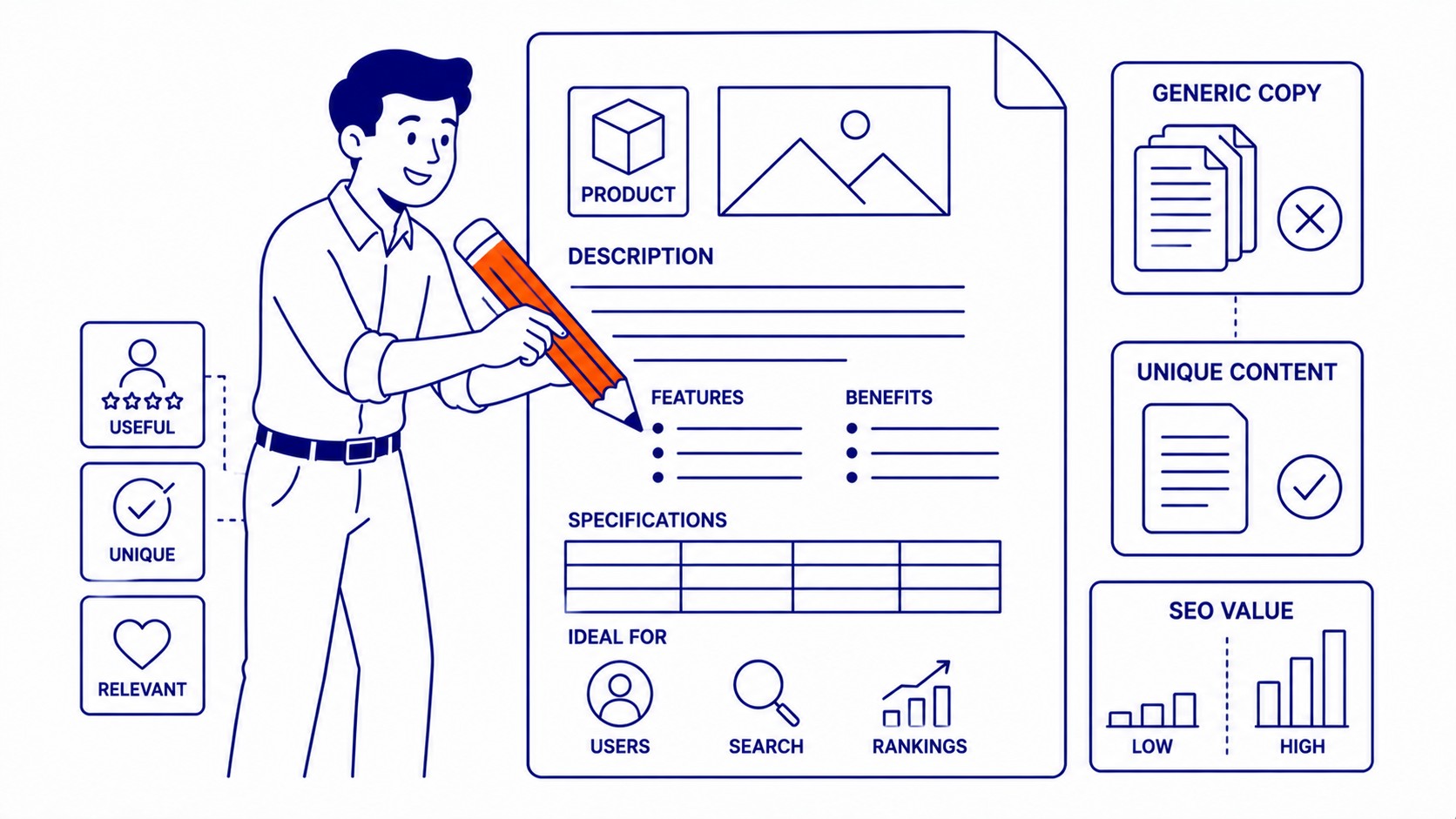
Writing a Product Description That Serves Both Users and Google
Generic manufacturer descriptions, copied directly onto dozens of competing sites, provide almost zero genuinely unique SEO value on their own.
A genuinely unique description, written specifically for that product page, gives Google something distinct to index. Something to rank properly, instead of duplicate content.
Search intent gets served better than generic marketing language alone one way. Answering real buyer questions directly within the description, like sizing or compatibility.
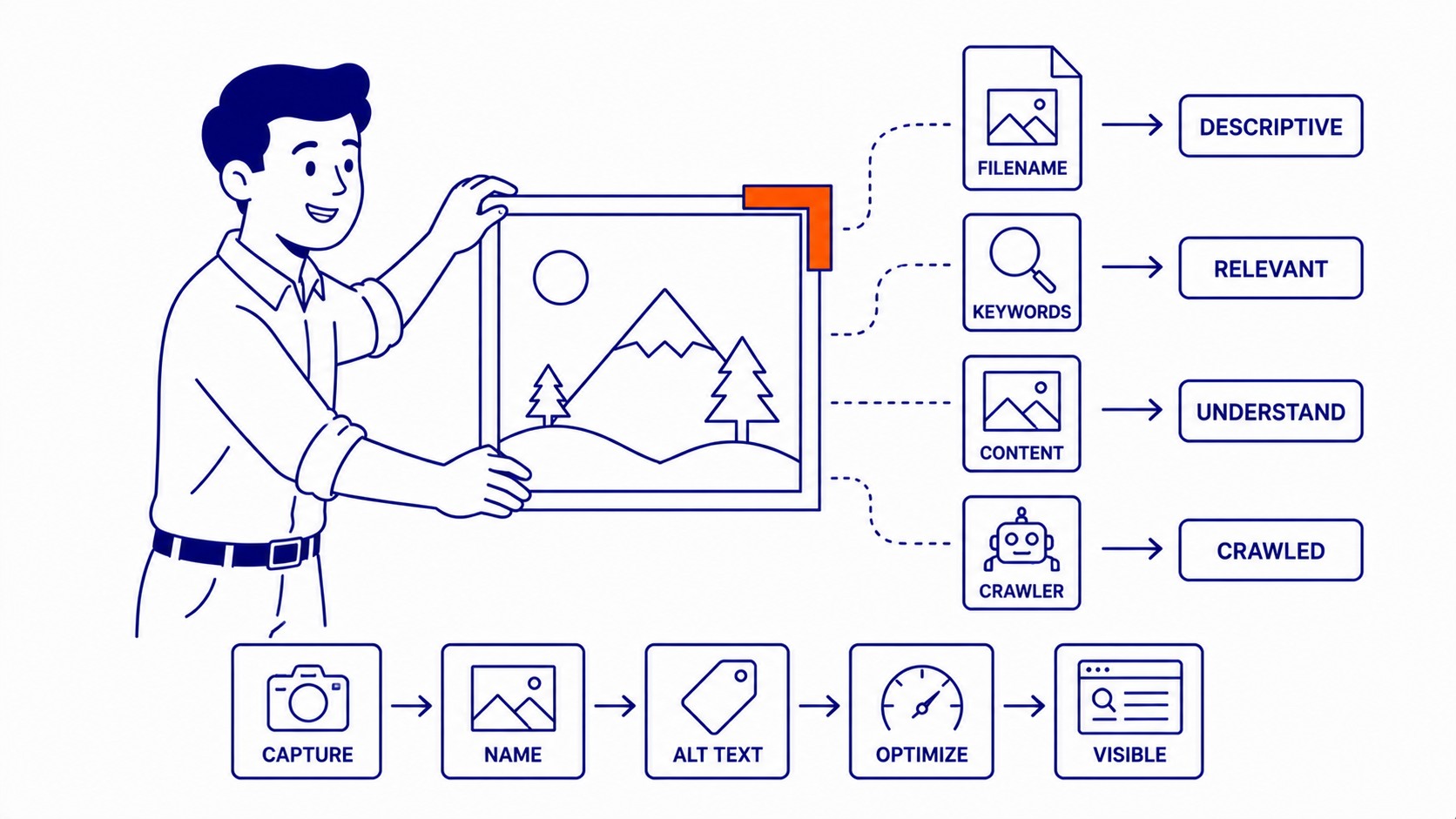
Optimizing Product Images for Search Visibility
Descriptive, keyword-relevant file names for product images help Google understand image content before it even gets crawled properly.
Alt text describing the actual product, not just a generic placeholder phrase, supports both accessibility and image search visibility simultaneously.
Compressed image files load noticeably faster. Page speed still remains a real ranking factor Google weighs across both desktop and mobile search results.
Using Schema Markup to Win Rich Results
Exactly what the page represents gets communicated to Google through product schema markup. Price and availability, all in structured, machine-readable form. Review data too.
Star ratings directly in search results can get triggered by review schema specifically. Genuinely improving click-through rate for a Calgary SEO client’s product listings.
Testing schema markup through Google’s Rich Results Test catches errors early. Those errors would otherwise prevent a specific product page from qualifying for enhanced search features and rich snippets down the line.

Leveraging Genuine Customer Reviews
Fresh, ongoing customer reviews signal continued relevance and real trust to Google. Well beyond just the actual review content itself sitting quietly on the page.
User-generated review content naturally introduces long-tail keyword variations. Ones that a product description alone would rarely include on its own without that added input.
Displaying reviews directly on the page keeps that genuinely valuable content actually crawlable and properly indexed. Rather than hiding it behind a separate clickable tab.
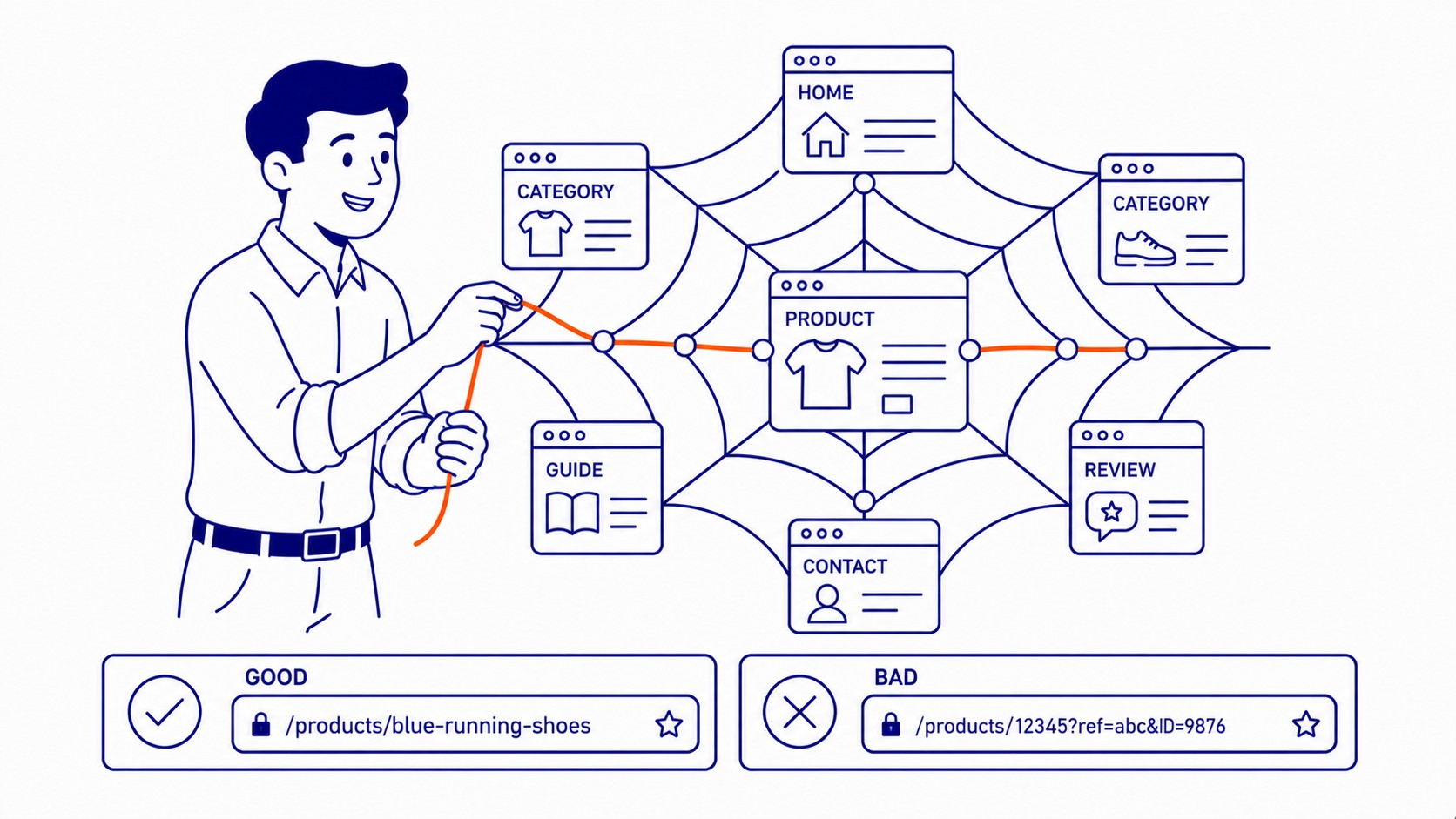
Structuring URLs and Internal Links for Product Pages
A clean, descriptive URL containing the actual product name outperforms an auto-generated string of numbers. Better for both real users and search engines alike.
Internal links from relevant category pages and related product pages pass genuine authority toward individual product pages. Ones that might otherwise rank weakly on their own without that extra support.
Breadcrumb navigation reinforces site structure for Google. It also helps real shoppers understand exactly where a specific product sits within the broader overall catalog structure.
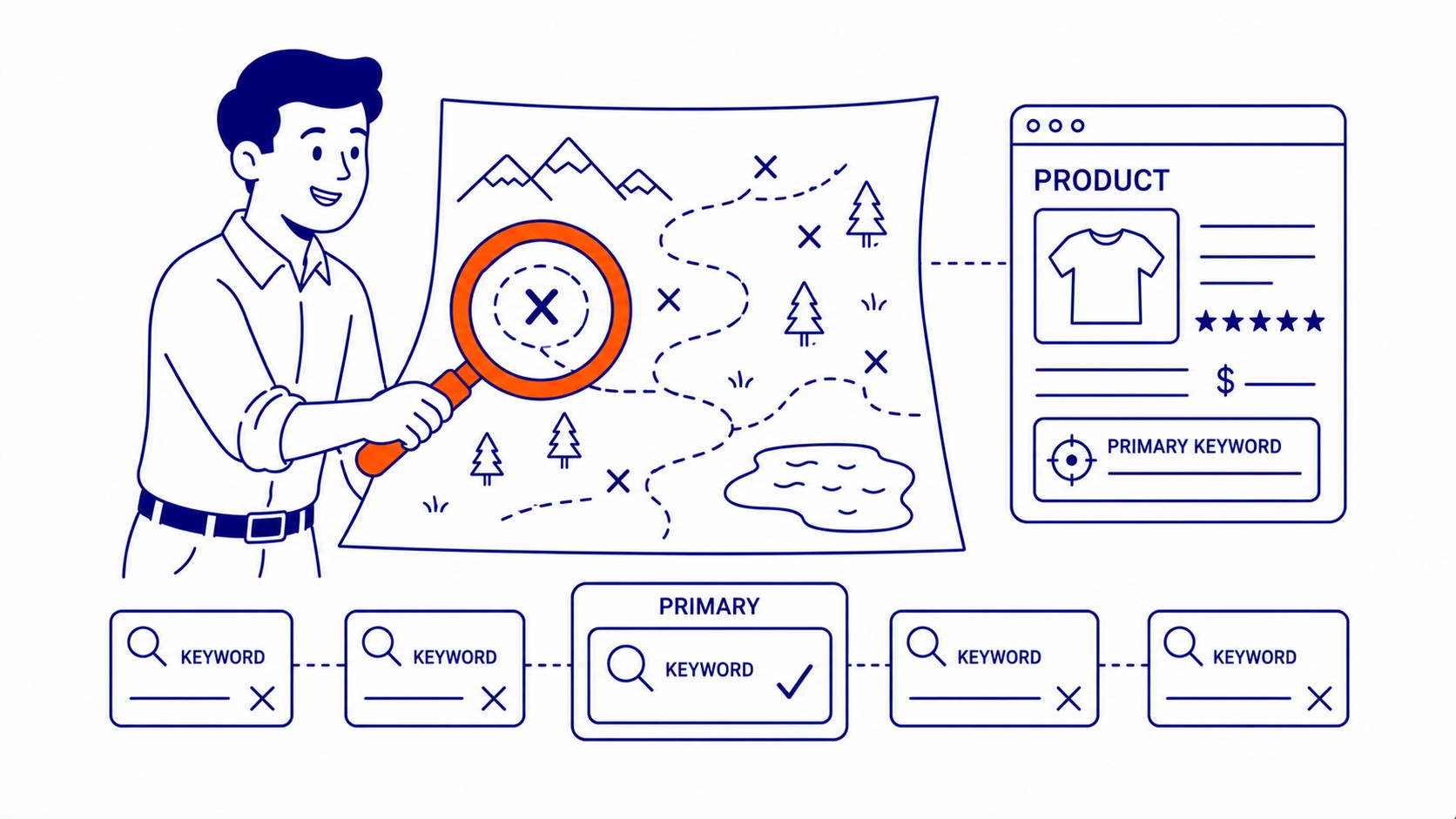
Choosing the Right Keyword Focus for Each Product Page
One primary keyword per product page keeps focus clear. A page targeting five different keywords at once often ends up ranking well for none of them.
Buyers closer to an actual purchase decision get captured by specific, long-tail keyword phrases. Ones describing a product’s exact size. Colour or material specifically, too.
Wasted effort chasing a keyword nobody’s genuinely searching for gets prevented one way. Checking actual search volume and competition for a target keyword before writing the page. Cheap habit, and it saves more time than anything else in SEO for a product catalog. That check is the core of how to do keyword research for ecommerce properly.
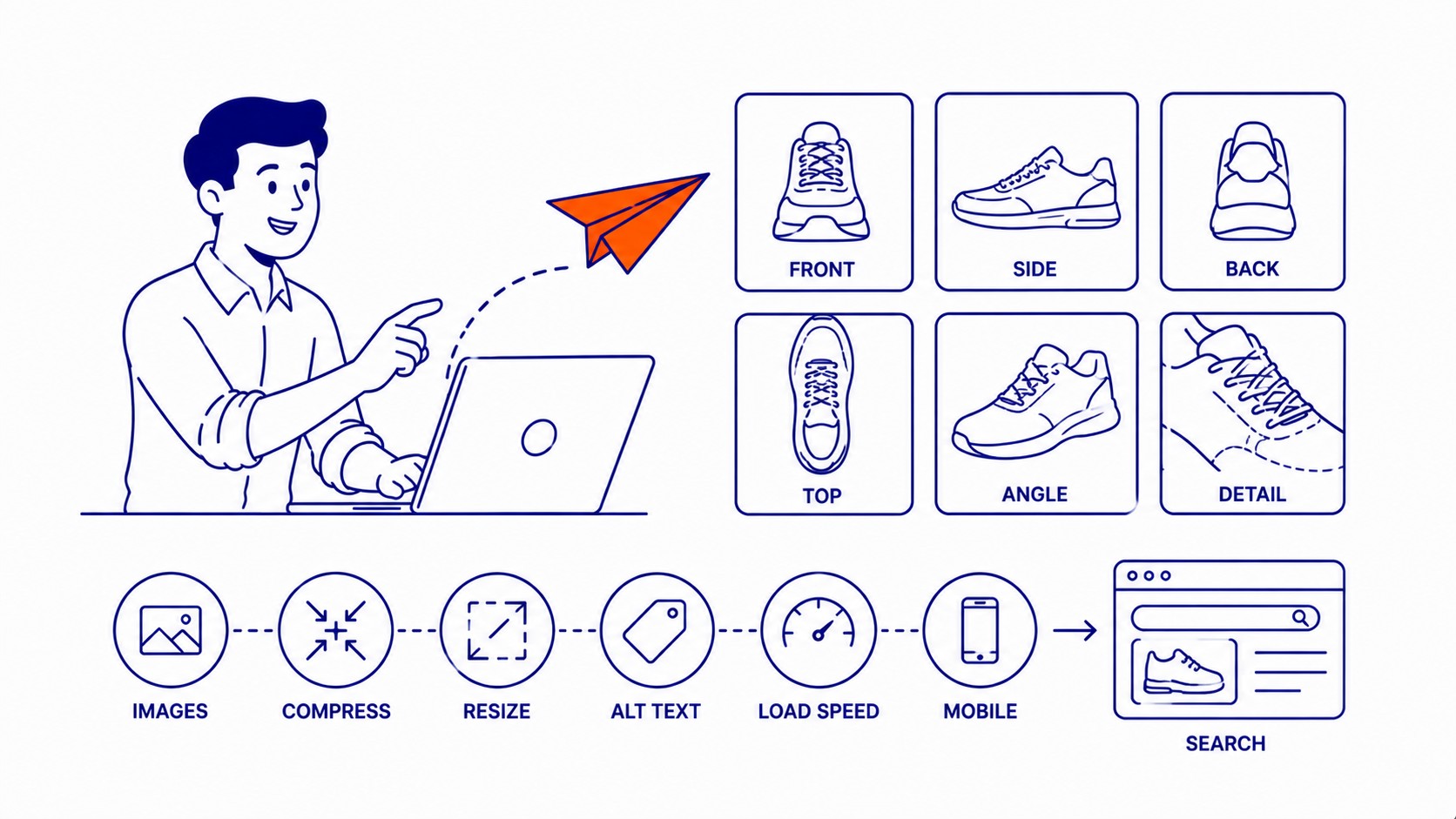
Handling Image Optimization Beyond File Names Alone
Multiple product images from several different angles help both real shoppers and Google. Understanding the product more completely than a single lonely image ever really could manage alone.
Unnecessary resizing that slows page load gets prevented by image dimensions matching what a theme actually displays. An issue Google penalizes across product pages specifically.
Product images that might otherwise get missed during a standard crawl get discovered and indexed one way. A dedicated image sitemap for that product page specifically.
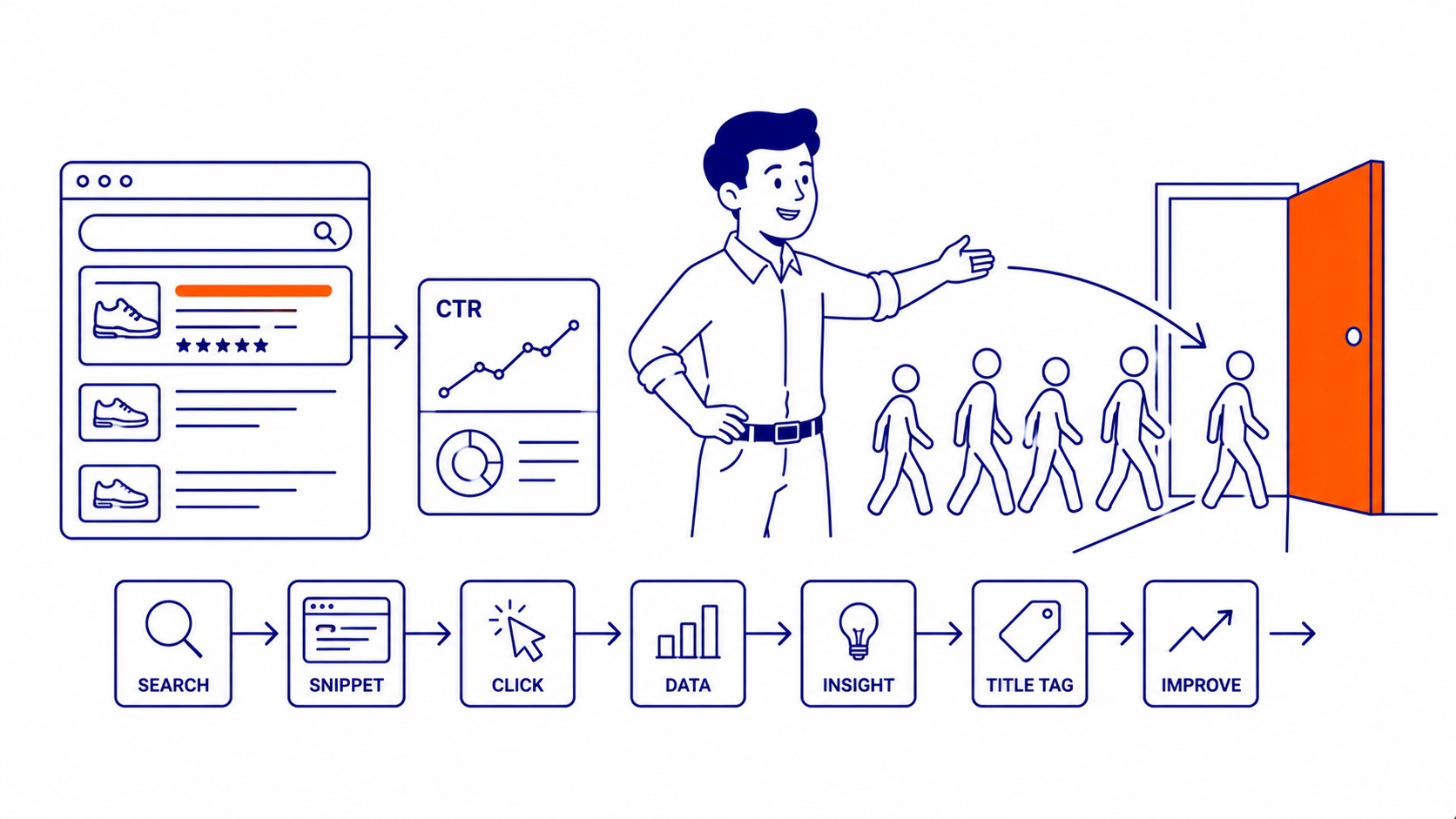
Refining a Title Tag Through Real Testing
Tracking click-through rate for a specific product page’s title tag over time reveals whether the current wording genuinely resonates with real searchers.
Which phrasing pulls more clicks for a particular product page often gets revealed by A/B testing two title tag variations. Even informally, through manual swaps.
Click-through rate can meaningfully improve during a specific window this way. Seasonal or promotional details, like a limited sale, added briefly to a title tag.
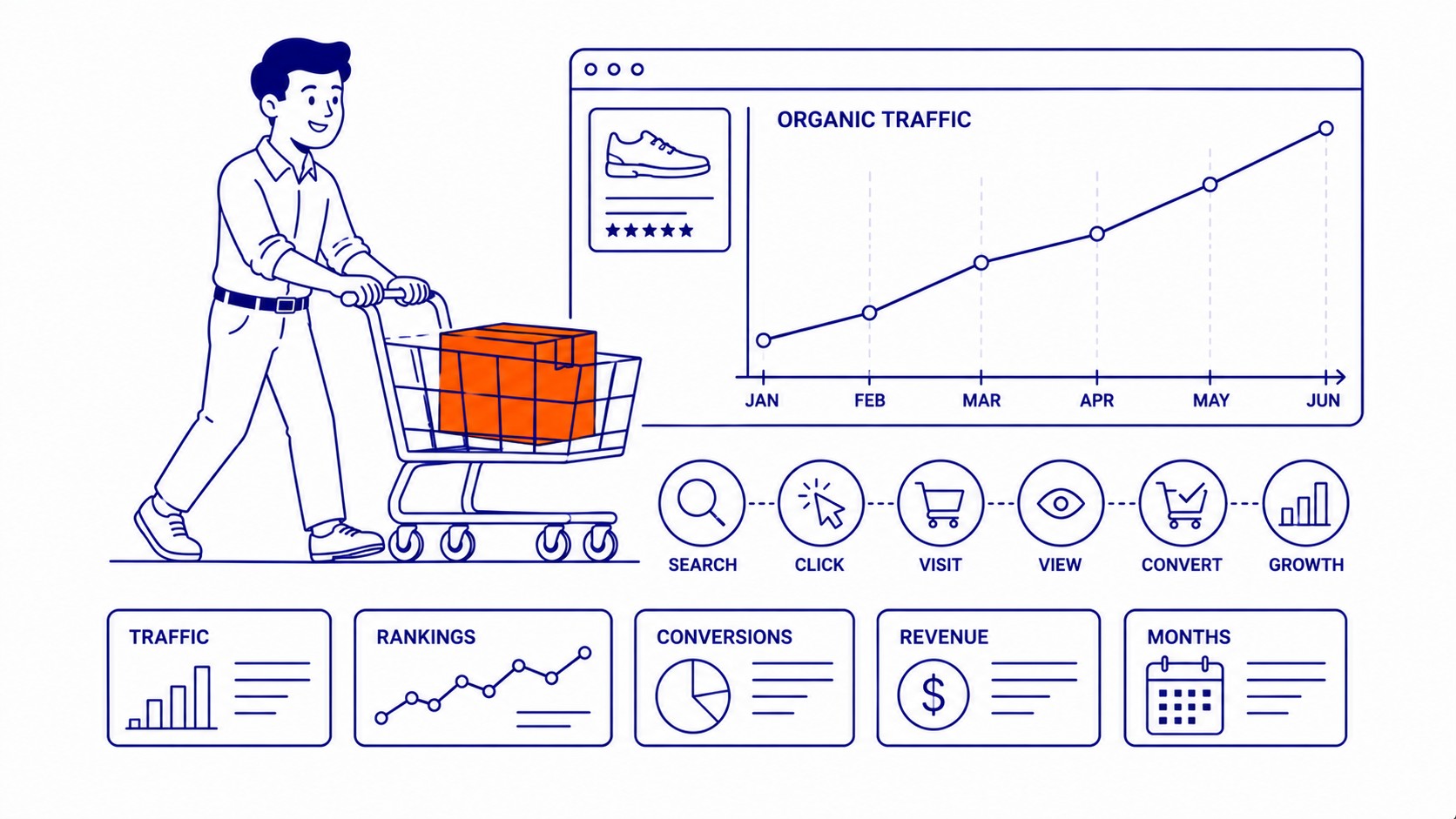
Measuring Whether Product Page Optimization Is Actually Working
Organic traffic to a specific product page, tracked consistently over several full months, shows something useful. Whether the ongoing optimization work is genuinely moving the needle at all.
Conversion rate on an optimized product page matters just as much as traffic volume. More visitors mean little, after all, if none of them actually purchase anything.
A clear, concrete signal of whether the specific changes made any real difference comes from comparing rankings for a target keyword. The comparison spans before and after the optimization work.
Frequently Asked Questions
How long should a product description be for SEO?
Enough to answer real buyer questions thoroughly, typically 150 to 300 words minimum. Thin, one-sentence descriptions rarely rank well against more thorough competitors.
Does product schema markup actually improve rankings?
Not directly, but it improves click-through rate through rich results like star ratings, which indirectly supports overall page performance and visibility.
Should out-of-stock product pages get deleted?
Generally no, if the page still ranks or has backlinks. Keep it live with clear stock status messaging instead. See a full site audit for a complete product page review.
Contact Calgary SEO Company To-The-TOP!
Questions about anything in this article, or about your own rankings? Talk to a Calgary SEO specialist directly.
Phone: (403) 308-5949
Address: 1509 14 Ave SW, Calgary, AB T3C 0W4
Hours:
Monday to Friday: 10:00 am – 7:00 pm
Saturday: 12:00 pm – 4:00 pm
Sunday: closed
