
How to Buy PPC the Way It Is Actually Sold
The literal answer takes about forty minutes. Open an advertiser account on Google Ads or Microsoft Advertising. Add a card. Pick keywords. Set a bid. Money leaves the account after somebody clicks, never before.
No contract. No minimum spend. Nothing sits in inventory waiting to be used up. Anyone can buy PPC on a Tuesday afternoon with a debit card and a business email.
So the mechanics are not the hard part. The hard part is that most people buying PPC never notice the decision they actually made.
What You Are Buying When You Buy PPC

You are not buying ads. Not traffic. No slot on the page. Definitely not a keyword either.
You are buying a billing unit.
Pay-per-click names the event that costs money. Somebody runs a search. They click. You get charged. That is the whole product. Everything else on the platform is packaging wrapped around it.
Other units are sold on the same platforms. Same ad. Identical audience. Charged per thousand impressions instead of per click. Or per video view. Automated bidding runs a variation of its own, where the charge stays per click while the target quietly becomes a completed action.
Identical inventory, then. Only the moment of the charge moves.
Which makes buying PPC a choice rather than a transaction. You picked the click. Somebody down the street picked the impression and is paying for the same screen space on completely different terms.
The Purchase Decision Nobody Treats as One
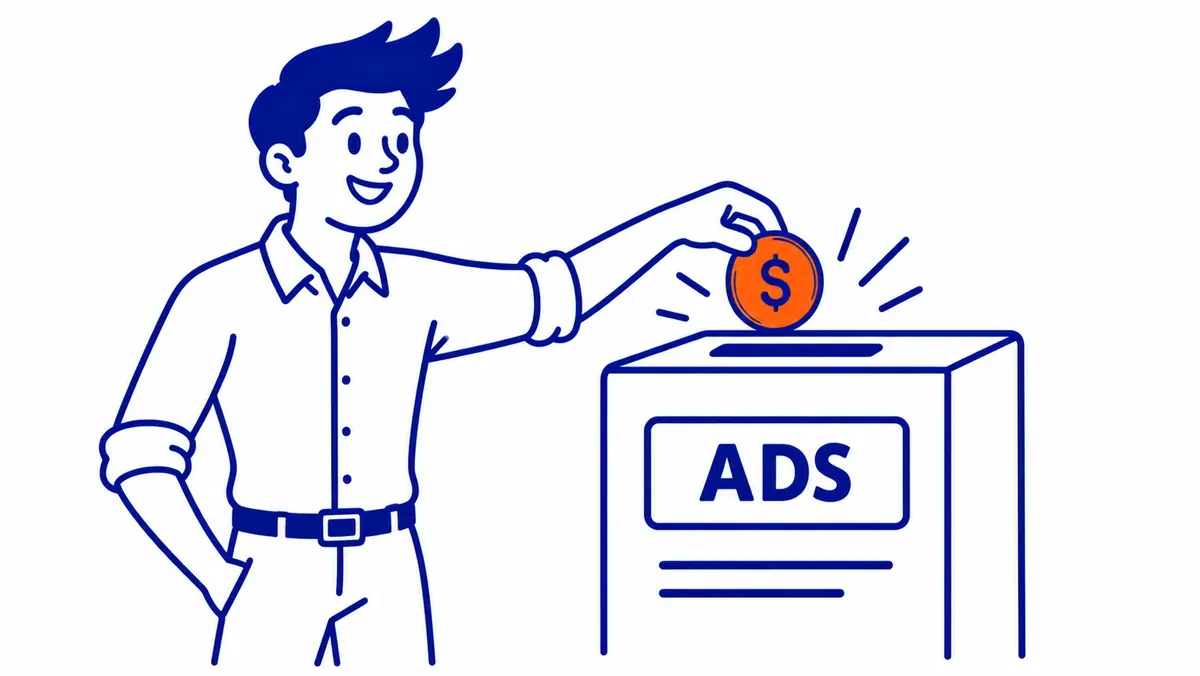
Ask an advertiser when they bought PPC. Nearly all of them describe the billing page. The card, the address, the confirmation email that landed a minute later.
Wrong screen entirely. Your unit got chosen earlier, during campaign setup, in a dropdown most people clear without reading.
Search campaigns sell clicks. Display and video lean toward impressions and views. Hand an account to fully automated bidding and the platform picks the event it optimizes toward. Reasonable thing to allow deliberately. Strange thing to allow by accident.
So the purchase did happen. Nobody experienced it as one.
Worth checking on your own account this week. Open a live campaign. Find the column your spend is accruing against. That column is what you bought, whatever you thought you were buying. Nobody ever sends a receipt naming it.
Buy Per Click When Money Sits Close

One rule covers most of it. Count the steps between the click and the invoice.
A Calgary plumber has about two. Somebody searches for a burst pipe at midnight. They click. Then they call. Technically three steps with the truck in the driveway. Clicks are worth paying for at that distance because almost nothing sits between the charge and the work.
Now take enterprise software with a nine-month sales cycle. Click, demo request, qualification, pilot, procurement, legal review. The click is a rumour of revenue at that point.
Paying per click there is not wrong exactly. It is expensive certainty about an event that predicts very little.
Do the count yourself rather than trusting a benchmark. Name every step between the click and the money. Write them down on paper. A list running past four steps means the click is not really your buying unit, and no bid adjustment repairs that.
Most local service businesses land at two or three. Plenty of them get sold awareness campaigns anyway.
Somebody Will Say the Unit Does Not Matter
Fair objection, and it comes up early. Two thousand dollars a month leaves the account either way. Per click or per thousand impressions, the ceiling is still the ceiling. So why fuss over the unit.
Right about the total. Wrong about what shows up.
The billing unit is also the optimization target. Platforms deliver more of whatever they charge you for, at the lowest price they can source it. That is not a criticism of them. It is the machine doing exactly what it was told.
Buy impressions and the system goes hunting for the lowest-priced impressions available. The lowest-priced impressions in any auction are the ones nobody looks at.
Buy clicks and it finds bargain clicks. Bargain clicks are curious. Curious is not buying.
So the objection arrives and then argues the other side. Same spend, same ceiling, a completely different thing delivered at the end of the month. The unit decided that, not the budget.
Buying PPC Ends at Conversion Tracking
There is one way out of the bargain version of your own unit. Change what the platform counts as a win. Conversion tracking is what does that job.
Import the phone call. The booked job. Every form a real person actually filled in. Each one becomes a conversion the system can see. Then let the bidding chase those instead of the raw click.
You are still charged per click at that point. Only now the buyer has better instructions.
An account with no tracking cannot do any of this. It bought clicks. Then it keeps buying them. Nobody in the building can say which ones turned into work. Plenty of accounts run that way for years, quietly, with clean-looking reports.
Which is why conversion tracking belongs at the start of a PPC purchase rather than in month four. Retrofitting it later means throwing away the first quarter of data.
How To-The-TOP! Buys PPC for Calgary Accounts
SEO Company To-The-TOP! has been buying media for Alberta businesses since 2007. Nineteen years of it. Certified on Google Ads, White Hat only. The same person handles an account from the first bid through the monthly report. No junior handoff halfway.
The first conversation is never about budget. It is about the step count. What happens after a click, and how anybody would know it happened at all. That conversation costs nothing and it happens before any card details do.
The card goes in after the keyword research, never before it. Ongoing Google Ads management then runs in that same order every month. Monthly position reporting comes with it.
Most clients end up running both channels. Paid buys the click today. Proper SEO services reduce how much of that traffic you rent. Businesses looking at SEO in Calgary for the first time usually want the paid side live while the organic side builds. Building takes months rather than weeks. That timeline is worth hearing plainly before anyone signs anything.
Worth asking any agency which unit they are buying on your behalf. The answer takes ten seconds. It is not always the one you would have picked.
Common Questions About Buying PPC
Can you buy PPC without a monthly minimum?
Yes. Both Google Ads and Microsoft Advertising run with no floor and no contract. Set any daily budget you like. Five dollars a day is allowed. Whether that produces enough clicks to read is a separate question.
Is buying PPC the same as buying Google Ads?
Not quite. Treat Google Ads as one seller among several. Pay-per-click is the billing model those sellers share, Microsoft and Amazon included. Buying a Display campaign inside Google Ads is often not buying PPC at all.
How much do you need to start buying PPC?
Enough clicks per month to read a pattern instead of a coincidence. That number falls out of your own cost per click, so it is arithmetic rather than a price list. Work it out from your numbers before anyone quotes you a package.
Does the billing unit change what I pay per click?
No. It changes what the platform hunts for with your money. Two accounts can pay similar prices per click and still receive very different visitors. One of them told the system to optimize toward booked work.
Contact Calgary SEO Company To-The-TOP!
Questions about anything in this article, or about your own rankings? Talk to a Calgary SEO specialist directly.
Phone: (403) 308-5949
Address: 1509 14 Ave SW, Calgary, AB T3C 0W4
Hours:
Monday to Friday: 10:00 am – 7:00 pm
Saturday: 12:00 pm – 4:00 pm
Sunday: closed