
Do Low Search Volume Keywords Affect Quality Score?
Clients who come to us for Google Ads PPC management in Calgary ask this one regularly. They spot the “low search volume” flag on a keyword. Then they worry the whole account is being dragged down. That worry is misplaced. Longer answer is worth understanding, especially if your account has accumulated dozens of these sitting idle.
Low search volume keywords are not scoring badly. They are not scoring at all. That distinction matters more than most guides take time to explain.
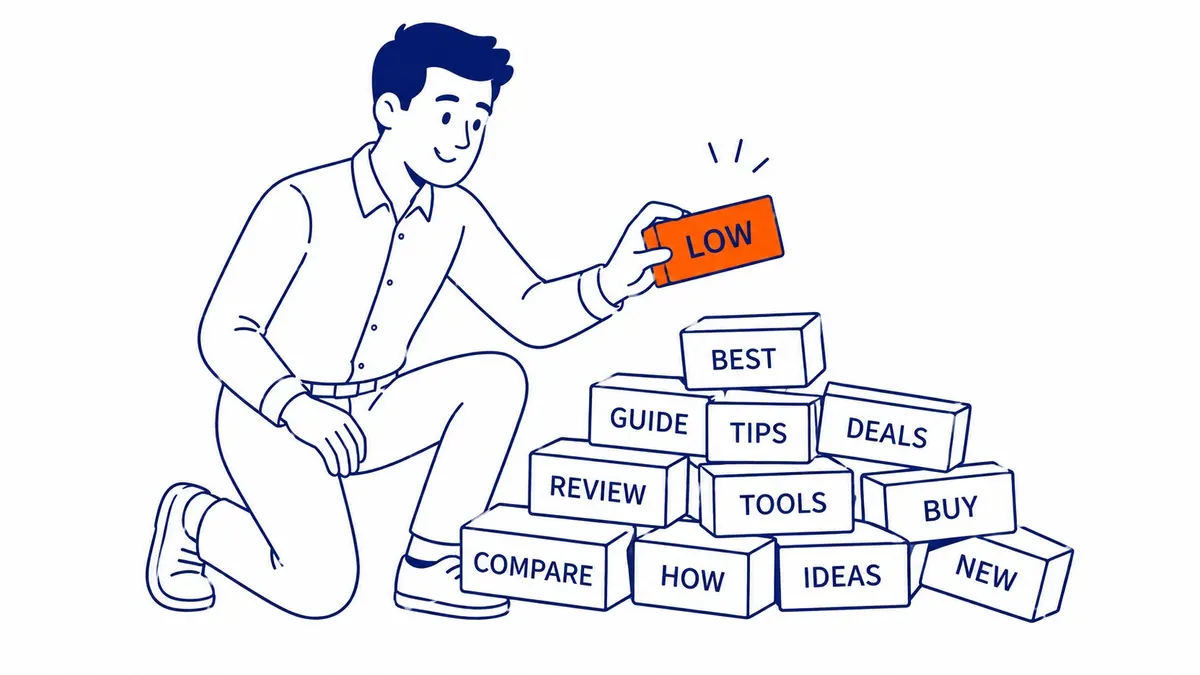
What “Low Search Volume” Actually Means
Google flags these. Not penalises them.
The status appears when a keyword is searched rarely enough that Google cannot match it reliably to real traffic. Under ten searches per month is roughly the threshold. The keyword gets flagged as inactive. Your ad stops entering auctions for that term. Nothing is damaged. The status lifts on its own if search queries pick up over time.
This is Google protecting ad relevance, not punishing your account. The system avoids serving ads against queries too rare to collect meaningful data. Low volume is only one of the ad delivery problems that quietly stop impressions. Thin data also stretches the Google Ads ramp-up period in a brand new account.

How Quality Score Is Actually Calculated
Three factors. Each one independent.
Expected click-through rate. Ad relevance. Landing page experience. Quality Score (1 to 10) is calculated individually per keyword each time Google runs an auction. One keyword’s score never touches another’s. A keyword sitting idle with zero impressions shows “—” in your account instead of a number. That blank is not a zero. It is the absence of data, not a penalty.
The auctions for your other keywords proceed as normal. Those build their own scores. Click history still tells the story per keyword. Nothing about idle keywords changes that.

Why the Account Doesn’t Bleed
Separate auctions. Separate data.
Each keyword competes in its own auction, building its own performance history. Quality Score reflects how well the keyword, the ad, and the landing page work together for that specific search. A low search volume keyword that never triggers an impression never enters that calculation. No pooled account-level score drops when individual keywords go dormant.
That said, account managers at SEO Company To-The-TOP! still review these terms every few months. Not because of Quality Score. Idle terms affect reporting clarity. For an account manager, that is reason enough.

The Clutter Problem in Stale Accounts
Not score drag. Just clutter.
Low-volume keywords accumulate in accounts over time. They clog reporting. Reading through the account gets harder. A bloated keyword list is a management problem, not a Quality Score problem. But it is still a problem worth addressing.
Every account review includes a check on these terms. Worth keeping, or idle long enough to remove? Six months of zero impressions with no realistic prospect of volume is the usual threshold for removal. Not because idle keywords damage the score. Because they waste review time and muddy the data.
A keyword paused for low search volume is not the same as a negative keyword. Negatives block searches permanently until removed. The low-search-volume status is temporary. If search volume later increases, the keyword reactivates on its own.

When Low-Volume Keywords Are Worth Keeping
High intent. Low competition. Different math.
Long-tail keywords often carry surprisingly low search volume. They also tend to reach people who are further into their decision. Someone searching “commercial refrigeration repair Calgary northeast” is not browsing. Twenty searches a month. That might be all it gets. Those twenty convert at a different rate than two thousand searches on “refrigeration repair.”
Search intent still matters more than search volume on these terms. If the keyword matches what a buyer actually types right before a purchase or a call, it earns its place regardless of low numbers.
That judgment gets made properly when you have your keywords researched by somebody who knows the market. To-The-TOP! has been doing keyword selection and research in Calgary since 2007. The difference between a long-tail term worth bidding on and one worth removing is not always obvious from search volume data alone. Conversion history from the account, though, tells a clearer story.
Google Ads management in Calgary means making these calls regularly. Which low-volume keywords stay. The ones that have never driven traffic in six months get paused. Whether the long tails are low-intent browsing terms or high-intent buying terms matters. Those decisions compound over a campaign’s lifetime.
A Calgary SEO agency sees this overlap between organic strategy and paid search all the time. A keyword too thin for a Google Ads campaign might still drive organic traffic. An SEO service in Calgary can capture intent that paid search cannot when the volume threshold is not met. Worth a conversation before writing either off. AdWords keyword counts feed the same judgment call, low-volume terms included.

Frequently Asked Questions
What does low search volume mean on Google Ads?
Google marks a keyword with this status when fewer than roughly ten people per month search that exact term. The keyword becomes inactive. Ads stop serving for it. The status lifts automatically if search volume increases.
Does low search volume hurt Quality Score?
Not directly. Quality Score builds keyword by keyword from actual impressions and clicks on that specific term. An inactive keyword with no impressions shows “—” in the account, not a poor score. That blank does not affect other keywords.
Are low search volume keywords worth targeting for content?
Intent matters more than volume here. Long-tail terms with low search volume often carry stronger search intent than high-volume head terms. Ten searches a month from people ready to buy can outperform a thousand informational queries. Ask whether these searches lead to conversions in your niche.
How do you increase the Quality Score of a keyword?
Ad relevance and landing page experience drive the biggest improvements. Match your ad copy closely to the keyword. Your landing page should deliver what the ad promises. Click-through rate builds over time as the right people see the ad. No shortcuts. Match the keyword to the ad. The landing page should follow the same promise.
Contact Calgary SEO Company To-The-TOP!
Questions about anything in this article, or about your own rankings? Talk to a Calgary SEO specialist directly.
Phone: (403) 308-5949
Address: 1509 14 Ave SW, Calgary, AB T3C 0W4
Hours:
Monday to Friday: 10:00 am – 7:00 pm
Saturday: 12:00 pm – 4:00 pm
Sunday: closed