
How Can Google Ads Help You Advance Your Business Goals?
The same conversation comes up regularly. A Calgary business owner has been running Google Ads for six months and cannot say whether it is working. The account is active. Budget is going out. No one connected the campaign objective to an actual business goal before spending started. That is the pattern behind most underperforming Google Ads accounts.
Google Ads management is what To-The-TOP! has done since 2007. Nearly two decades of campaigns. Long enough to recognise what the platform does well and where it quietly drains ad spend. This post covers both.
What Google Ads Actually Does
Worth knowing before anything else.
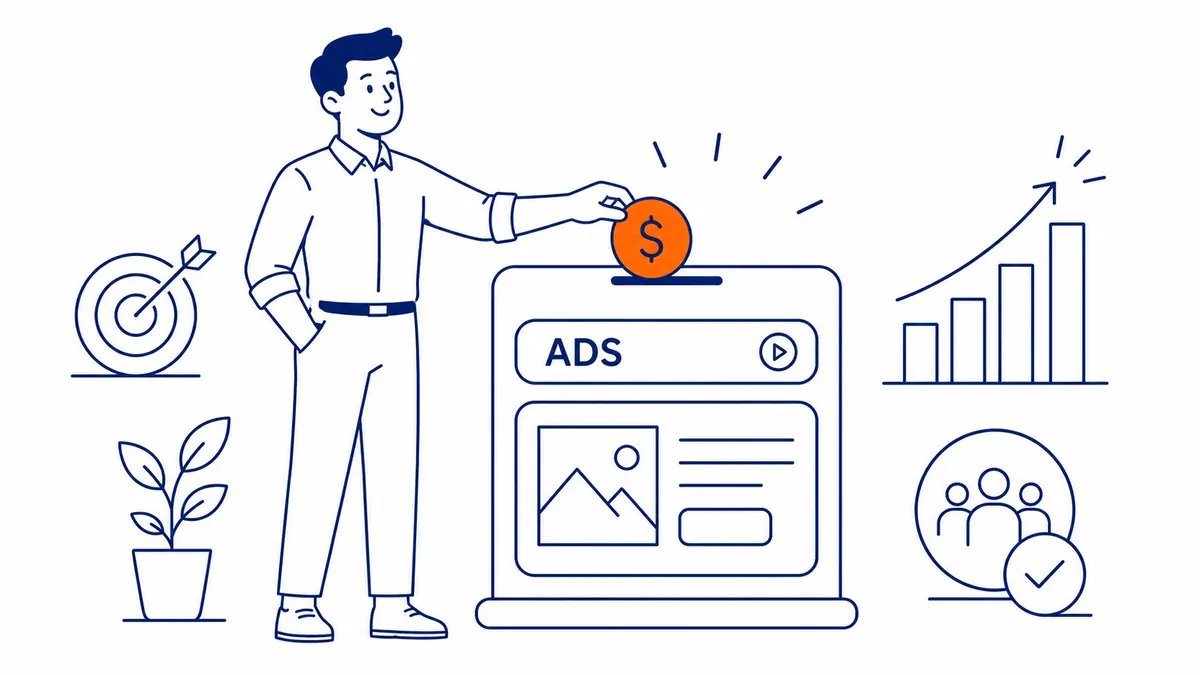
Someone types “emergency plumber Calgary” into Google. A plumber’s ad appears at the top of the page. That person clicks. The plumber pays. No click, no charge. That is the full mechanic.
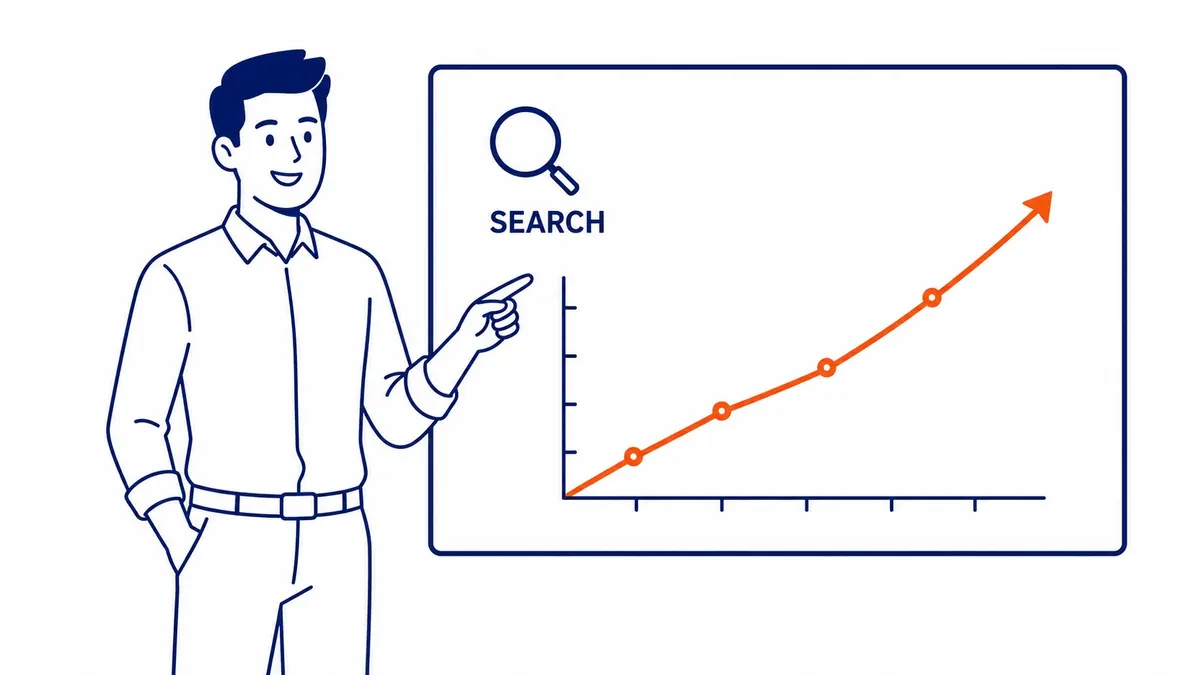
Google Ads is a demand-capture platform. People already searching for what you sell see your business at the moment of intent. Demand capture is different from demand creation. Google Ads surfaces your services to people already looking. It does not generate interest in people who were not.
Calgary businesses in trades and professional services often see Google Ads produce leads faster than organic search. Results from our search engine optimization work still take months to arrive. Google Ads can generate phone calls on the first day a campaign runs. Both channels serve different business goals. The businesses that return the best ROI from Google Ads understand the platform before they launch. Knowing which channel fits the current stage saves significant money. Search is one format; Google display ads in plain terms cover the other half.
Setting Your Google Ads Goals Before the Campaign Runs
Depends on the goal.
Google Ads asks for a campaign objective before anything launches. Sales. Lead generation. Website traffic. Brand awareness. App installs. Each objective changes how the campaign functions. What it optimises for. Where your ads appear. How bids get set automatically.
Selecting a traffic objective instead of lead generation is a common error in Calgary Google Ads accounts. Traffic campaigns optimise for clicks. Lead generation campaigns optimise for form fills and phone calls. Click volume may look similar between the two. Lead volume will not be.
Mismatched objectives account for a significant share of wasted ad spend. Fixing the objective costs nothing. Identifying it requires reading conversion data. Not just impressions and click-through rates. Businesses paying for clicks that never convert are running the wrong campaign type. Almost always.
E-commerce accounts should evaluate Shopping campaigns before defaulting to Search. Shopping ads pull product images and pricing directly into Google search results. For product-based operations, Shopping is typically the strongest ROI entry point in a Google Ads account. Matching it to your business goals first makes a measurable difference in cost per conversion.

Targeting the Right Audience With Your Google Ads
The interface looks complicated. The underlying logic is not.
Age, gender, household income, parental status. Demographics covers all four. Location targeting keeps your ads within a defined radius or postal code list. Interest targeting reaches users based on browsing history rather than only the search query typed.
Location exclusions are the most underused setting we see in paid search accounts. A campaign running across Calgary without exclusions pays for clicks from users too far out to convert. That misalignment rarely shows on a surface-level performance report. It surfaces in the monthly ad spend total with no conversion to explain it.
The other core input is our keyword research. Right keywords reflect what potential customers actually type into Google. Not the terminology the industry uses internally. A Calgary contractor bidding on “commercial roofing solutions” misses the person searching “roof repair near me.” Highest-intent queries are specific and urgent. They rarely match how an industry describes itself. That gap is where most Google Ads spend bleeds out quietly, month after month.
Budget Control and What ROI Actually Looks Like
Quality Score. Most new clients have not heard of it.
Quality Score (1 to 10) multiplies against the bid. $2 bid. Quality Score 9. It outranks the $5 bid at Quality Score 3, every time. With a strong Quality Score, you pay less per click and appear at a higher position. Account structure and keyword relevance are the primary levers. Budget size is secondary.
ROI from Google Ads is not guaranteed, however. It depends on the landing page conversion rate. Keyword competitiveness matters equally. So does whether the bidding strategy matches the campaign goal. Businesses that invest before those three conditions are in place typically see poor results. They draw the wrong conclusion about the platform.
Three to six months of data before drawing reliable conclusions from any account. That is still the realistic timeline. New campaigns need conversion volume before automated bidding can optimise properly. Campaigns pulled at week three for flat results often never accumulated enough signal to improve.
Campaign Types Worth Understanding
Search. Display. Shopping. YouTube. Performance Max.
Search campaigns show text ads when someone types a matching query into Google. The most direct path from intent to conversion for Calgary service businesses. Keywords trigger the ad. The landing page closes the conversion.
Display campaigns show image-based ads across websites and apps in the Google Display Network. Not search-triggered. Display reaches users through interest profiles and remarketing lists. Useful for re-engaging past visitors to your website who did not take action on the first visit.
Shopping campaigns pull product images and pricing from your inventory feed into Google search results. For e-commerce operations, Shopping typically delivers the strongest return in a Google Ads account.
YouTube ads run before and during video content. Better suited to brand awareness goals than direct conversion. Performance Max runs across all Google placements with the algorithm deciding distribution. Structured data feeds and creative assets shape how well the automation performs.
Each campaign type is built for specific objectives and goals. Running the wrong type for your objective is an expensive conclusion to reach after several months of spend. That is why goal-setting happens before campaign setup, not after.
Brand Awareness vs. Lead Generation
Two distinct modes. Easy to confuse going in.
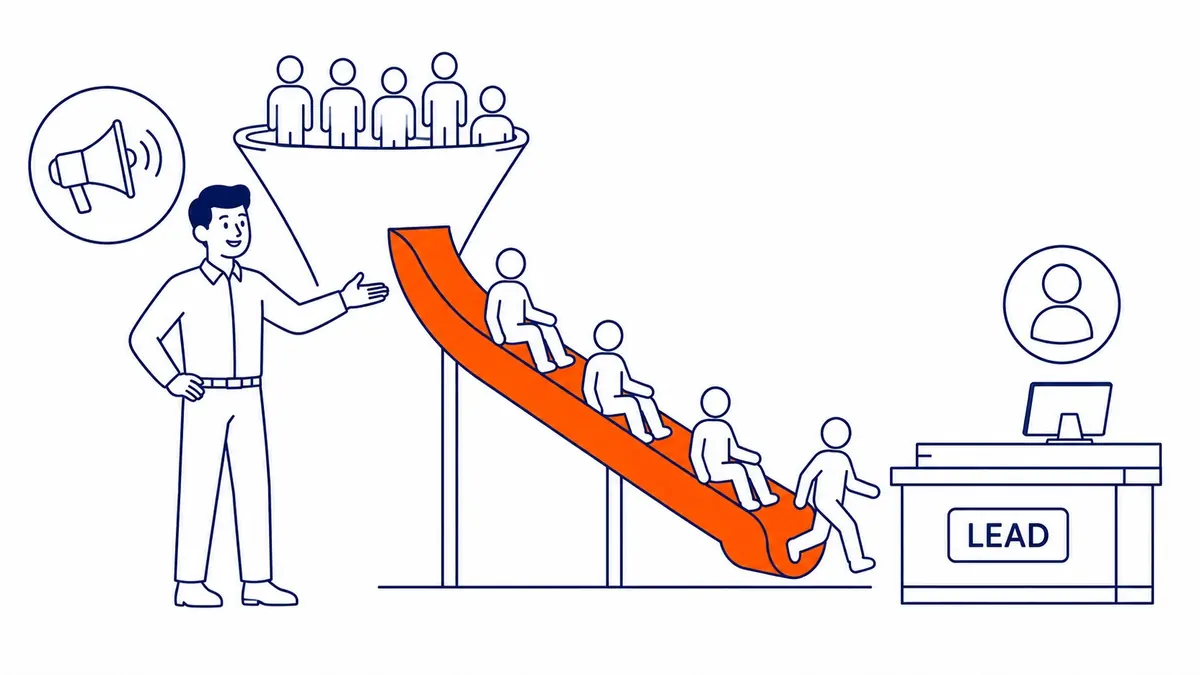
Brand awareness campaigns optimise for impressions and reach. How many people saw your ad. Display and YouTube are the natural channels. ROI here is harder to tie to a direct number. It tends to surface in branded search volume and direct traffic over months.
Lead generation campaigns optimise for conversion events. Calls, form fills, appointments. Each one is tracked in your Google Ads account as a measurable result. Cost per lead is the number that matters. Proper conversion tracking is what makes it real.
Running awareness and lead generation objectives inside the same campaign produces conflicting optimisation signals. Separate campaigns. Different budgets. Clean reporting per goal. Businesses that mix objectives inside one campaign tend to see mediocre results on both goals.
Calgary businesses hiring a Google Ads management agency for the first time should start with lead generation on Search. Fast to show whether the keywords match real demand. Clear line between spend and results. A working lead generation campaign gives the business real data before brand investment makes sense. Most of the Calgary accounts we work with start there and expand into awareness campaigns after the lead gen numbers hold up.
What Google Ads Cannot Do
Worth knowing before the budget gets committed.
Google Ads does not improve organic search rankings. Running paid ads has no effect on the organic rankings To-The-TOP! works to build. The two systems operate independently. Stop the ads and the visibility disappears immediately. Calgary SEO builds over time. It still holds position after the work is done. Google Ads leaves no residual value after spend stops. That matters when long-term visibility is the priority, not just short-term leads.
A weak landing page is something Google Ads cannot fix. Better targeting just sends more traffic to a page that does not convert. Landing page speed matters. So does a clear offer and a visible phone number. Get those right before increasing your ad spend.
New campaigns take time. Four to eight weeks before enough conversion data accumulates for automated bidding to optimise. Campaigns paused at week three because results look flat often never had the signal the algorithm needs to improve. Upper-funnel formats like demand gen need even longer before the numbers mean anything. Automated types like Performance Max campaigns need even longer before the data means anything.

Frequently Asked Questions
Common questions about Google Ads and business goals.
How can Google Ads help you achieve your business goals?
By matching campaign type to the specific objective. Sales goals need Shopping or Search campaigns with purchase conversion tracking. Lead generation goals need Search campaigns tracking form fills and phone calls. Brand awareness goals use Display and YouTube. The platform supports all four. Not from one campaign running all four objectives at once. The right objective before launch is what determines whether Google Ads advances your business goals or quietly misses them.
How can Google Ads help your business?
Paid visibility at the moment potential customers search for what you offer. A well-structured Google Ads campaign gets your business in front of the right audience at the point of purchase intent. Setup matters as much as budget. A Google Ads management partner who builds campaigns around specific conversion goals gives the spend a better chance of measurable ROI.
What are the benefits of using Google Ads?
Fast search visibility while search engine optimization builds over months. Keyword targeting, location filters, demographic layers. Budget control. Set a daily cap and pay only on clicks. Measurable data on which ads and keywords drive conversions. Search term reports from Google Ads also feed keyword research for the longer-term SEO strategy. Two months of that data already reveals more about how customers actually search than months of organic estimates alone.
What is the 3 3 3 rule in marketing?
Not a Google Ads term specifically. The 3 3 3 rule is about reaching a prospect three times, across three formats, before expecting a conversion. Google Ads can support that approach. Search campaigns handle intent-driven touchpoints. Display retargeting handles repeat exposure. YouTube covers broader reach. It is a framework for thinking about the customer journey rather than a platform setting.
Contact Calgary SEO Company To-The-TOP!
Questions about anything in this article, or about your own rankings? Talk to a Calgary SEO specialist directly.
Phone: (403) 308-5949
Address: 1509 14 Ave SW, Calgary, AB T3C 0W4
Hours:
Monday to Friday: 10:00 am – 7:00 pm
Saturday: 12:00 pm – 4:00 pm
Sunday: closed