
How to Choose a Shopify SEO Agency for a Niche Store
Shopify locks down more than most store owners realize. URL structure stays fixed. Collection pages follow a rigid path. App-generated duplicate content piles up fast. None of that gets fixed at the theme level. A general ecommerce SEO agency without real Shopify experience burns weeks relearning constraints a specialist already knows cold.
Niche stores make the problem sharper. A one-category shop selling vintage typewriter ribbons or specialty birding gear has almost no search volume to chase. Playbooks built for high-volume fashion or electronics stores don’t transfer. The right agency needs Shopify fluency. It also needs comfort working small, oddly specific keyword sets that a generic strategist would dismiss as too thin to bother with.
Why Shopify SEO Isn’t the Same as General Ecommerce SEO
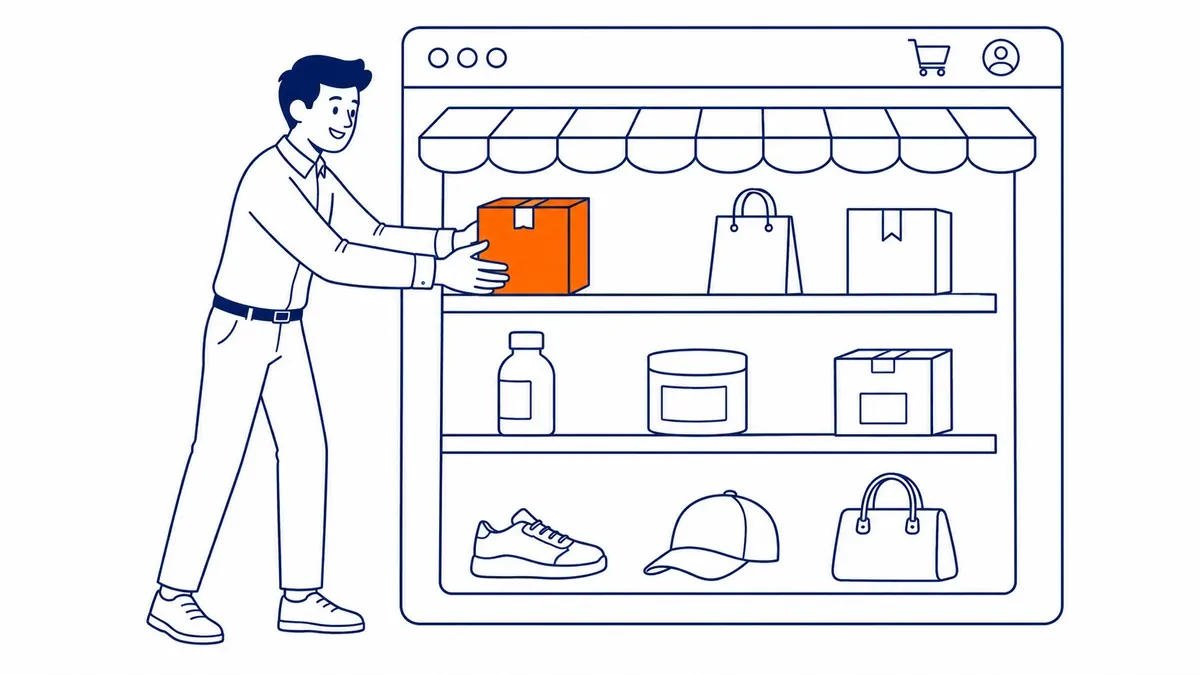
Shopify’s URL structure can’t move. Every collection sits under /collections/. Products sit under /products/, no exceptions. A migration specialist from WooCommerce or BigCommerce might not know that going in.
Filtered navigation creates duplicate content on its own. Tag pages multiply. Colour filters, size filters, price filters, each one spins up a near-identical page competing against itself in search results. An agency that doesn’t audit for this leaves cannibalization sitting untouched for months.
Then there’s the app stack. Shopify stores run on installed tools for reviews, for upsells, for email capture. Each one injects its own script. Site speed drops. Core Web Vitals slide. A Shopify specialist knows which tools are safe and which ones quietly wreck load times.
What a Shopify-Specific Agency Should Understand

Liquid template editing matters here. Touching theme files directly is unavoidable for schema markup beyond Shopify’s defaults. The same goes for canonical tags on filtered pages. An agency that can’t open a theme.liquid file without hesitation isn’t ready for this work.
Blog subdomain issues come up more than people expect. Some Shopify setups route the blog through a separate structure that confuses crawlers. A specialist checks this on day one. Generalists tend to find out three months in, after rankings already stalled.
App conflicts deserve real attention too. Two SEO-adjacent add-ons installed at once sometimes fight over the same meta fields. One overwrites the other’s work silently. Nobody notices until a page’s title tag reverts back to a generic default.
Niche Stores Need a Different Content Strategy

Broad ecommerce SEO chases volume. A niche store chases relevance instead. Fifty searches a month for a specific product variant can matter more. More than five thousand searches for a generic term nobody in that niche actually uses.
Community language matters. Birders don’t search the way general shoppers do. Specialty hobbyists use their own terms, their own shorthand, their own forums full of exact phrasing. An agency that skips this research writes copy that sounds off to the exact audience it needs to win.
Content depth beats content volume in a small niche. One genuinely useful buying guide outperforms a dozen thin pages stuffed with generic filler. It has to be written by someone who actually understands the product category. Niche audiences notice the difference immediately.
Questions to Ask Before Hiring
Ask for a past Shopify project, not just an ecommerce portfolio in general. What would they do about filtered collection duplication on day one? Find out how they handle schema without a developer on retainer.
Ask about niche experience specifically. A previous client in a completely different niche still tells you something. Did that agency dig into community language, or did they write generic copy and hope volume showed up anyway?
Ask what reporting looks like month to month. A niche store with a hundred monthly visitors needs a different reporting cadence than a high-traffic fashion brand. Position tracking on ten specific long-tail terms matters more here than broad visibility scores.
Red Flags Specific to Shopify Work
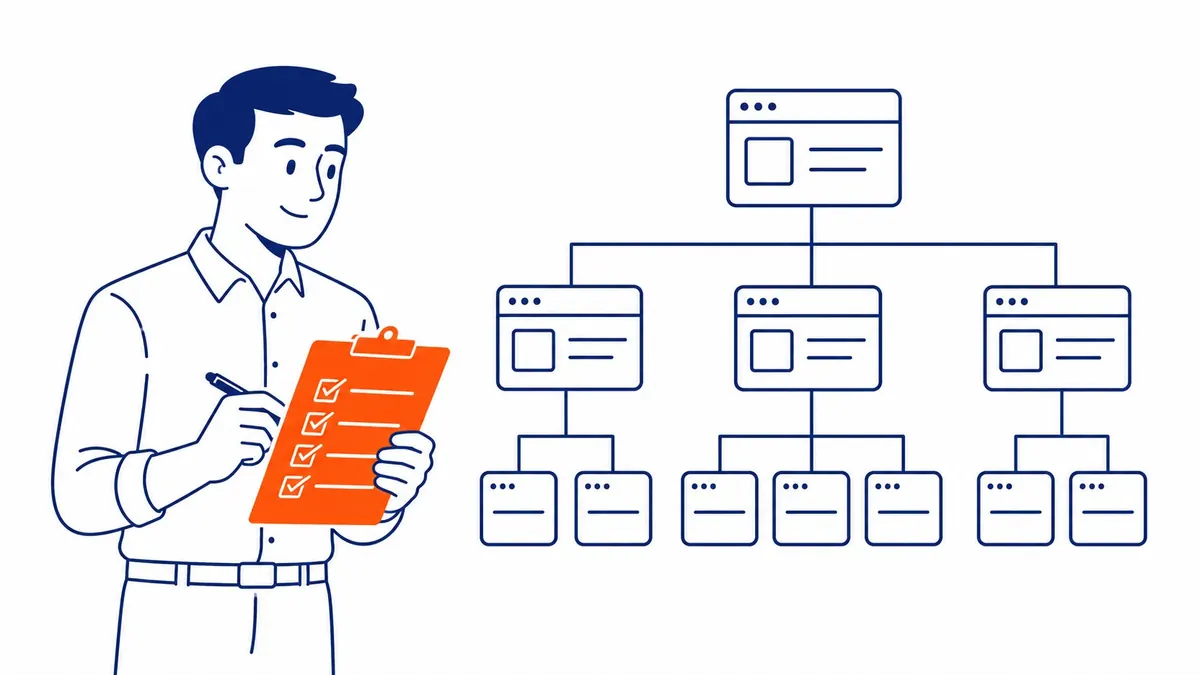
An SEO agency that recommends the same app stack for every client, regardless of vertical, hasn’t actually diagnosed anything. That’s a template pitch, not a strategy.
Vague answers about canonical tags or duplicate collection pages are a warning sign. This is basic Shopify knowledge. An agency that can’t speak to it plainly probably hasn’t worked inside the platform much.
Watch for anyone promising fast rankings on a brand-new niche store. Small search volume and low existing authority mean slower, not faster, movement. Anyone claiming otherwise is selling a story, not a plan.
What This Looks Like on a Small Calgary Niche Store
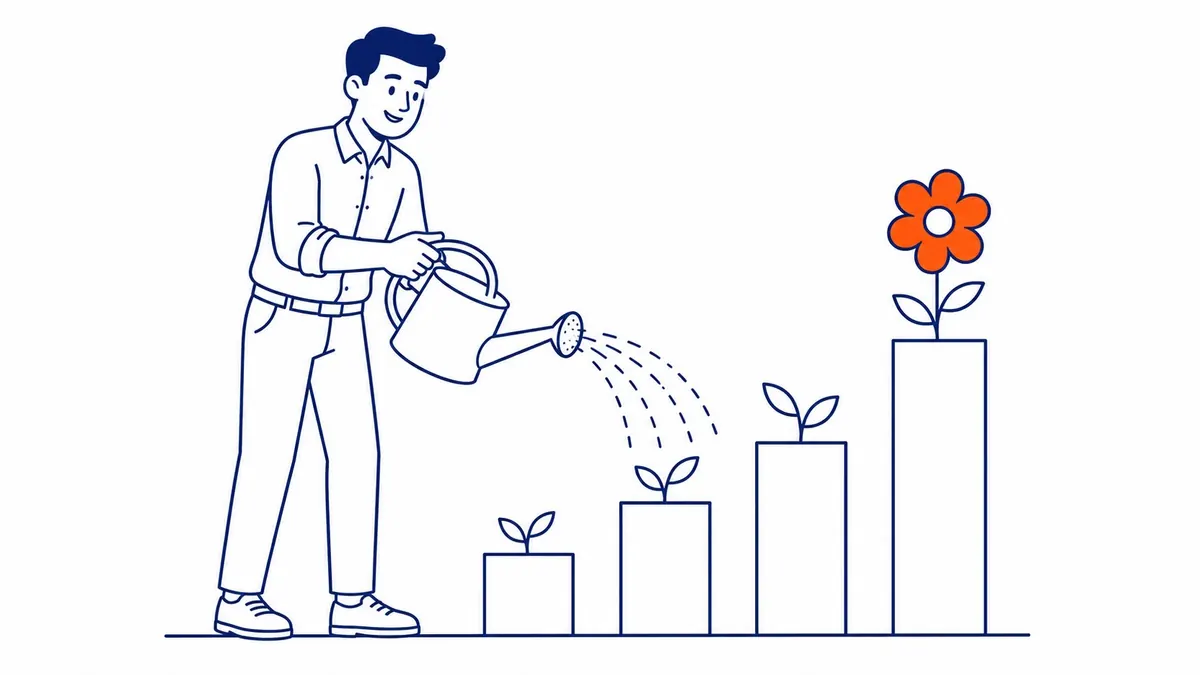
A Calgary client running a specialty outdoor gear shop came in last year with almost no organic traffic outside branded searches. Collection pages competed against each other for the same three keywords. Two review plugins had been silently overwriting each other’s schema for months.
Nineteen years of SEO Company To-The-TOP! work means that gets caught in week one, not month three. Fixing the app conflict alone recovered rich snippets across a dozen product pages. The rest came from writing genuinely useful buying guides instead of generic category filler. Same approach that works for any Calgary SEO client running a tight, specific catalogue.
The Bottom Line
A Shopify SEO agency for a niche store needs two things most generalists lack. Real platform-level fluency with Shopify’s fixed structure and app stack. Genuine comfort working small keyword sets tied to a specific community, not a mass market.
Ask for Shopify-specific proof before signing anything. A portfolio full of general ecommerce work doesn’t answer the actual question. Neither does a promise of fast results on a store with naturally low search volume. The agency that asks good questions about your niche before pitching a strategy is usually the one worth hiring. A solid SEO services partner should also be comfortable folding in paid channels like Google Ads. Especially when organic alone can’t carry a thin-volume niche fast enough.
Frequently Asked Questions
Does a Shopify SEO agency need to know how to code?
Not full development, but comfort editing Liquid templates matters. Fixing schema markup and canonical tags beyond Shopify’s defaults usually requires direct theme file access.
Why does my niche store rank so slowly compared to bigger competitors?
Low search volume and newer domain authority both play a role. Niche stores often need three to six months of consistent work before rankings on specific long-tail terms show real movement.
Can too many Shopify add-ons hurt my SEO?
Yes. Apps injecting scripts slow down page load. Two of them can also conflict over the same meta fields, silently overwriting schema markup another app already set.
Should a niche store target high-volume keywords anyway?
Usually not as a first priority. Specific, lower-volume terms that match how your actual audience searches tend to convert better. Broad terms just pull heavy competition from bigger stores.
What’s the difference between a general ecommerce SEO agency and a Shopify specialist?
A Shopify specialist already knows the platform’s fixed URL structure. Collection page duplication and app stack quirks too. A generalist may need weeks to learn constraints a specialist already accounts for by default.
Contact Calgary SEO Company To-The-TOP!
Questions about anything in this article, or about your own rankings? Talk to a Calgary SEO specialist directly.
Phone: (403) 308-5949
Address: 1509 14 Ave SW, Calgary, AB T3C 0W4
Hours:
Monday to Friday: 10:00 am – 7:00 pm
Saturday: 12:00 pm – 4:00 pm
Sunday: closed