
How to Increase Brand Awareness in SEO
Most SEO conversations start with rankings. Clients want to be first on Google. Fair goal. But underneath that ranking target is a deeper objective. People need to recognise your name when they see it.
Brand recognition compounds. A Calgary accounting firm visible across fifteen different search queries becomes familiar to those searchers over six months. Not because they clicked every result. Because they saw the name, repeatedly, in a relevant context. Your brand name becomes recognisable before a single sales call is made. That is the mechanism SEO creates and paid channels cannot replicate at the same cost.
To-The-TOP! has been building brand visibility for Calgary businesses since 2007. The tools have changed considerably. One principle has not, however.
What Brand Awareness Means in Search Terms
Recognition before the click. That is the mechanism.
Brand awareness in SEO is not a single metric. It is the accumulation of impressions and branded search signals over time. Recognition still builds through consistent organic presence. The clearest indicator is branded search volume. That is how often people type your company name directly into a search engine. A steady climb over several months is the signal that SEO is working on the awareness side, not just the traffic side.
Impressions matter even without clicks. A business that appears in the top results for a relevant query gets seen, even when users click on a competitor. See the same name three or four times across different searches. Give it a couple of weeks. Familiarity starts to form. Researchers call it the mere exposure effect. Practitioners just call it showing up consistently.
SEO creates the conditions for that repetition. Paid ads can generate exposure faster. They also stop the moment the budget does. Organic rankings keep generating impressions in the background, month after month.
An SEO company Calgary businesses hire with brand awareness in mind will target your brand’s visibility across multiple relevant queries. The goal is presence at multiple stages of the customer journey, not just the moment someone is ready to call.
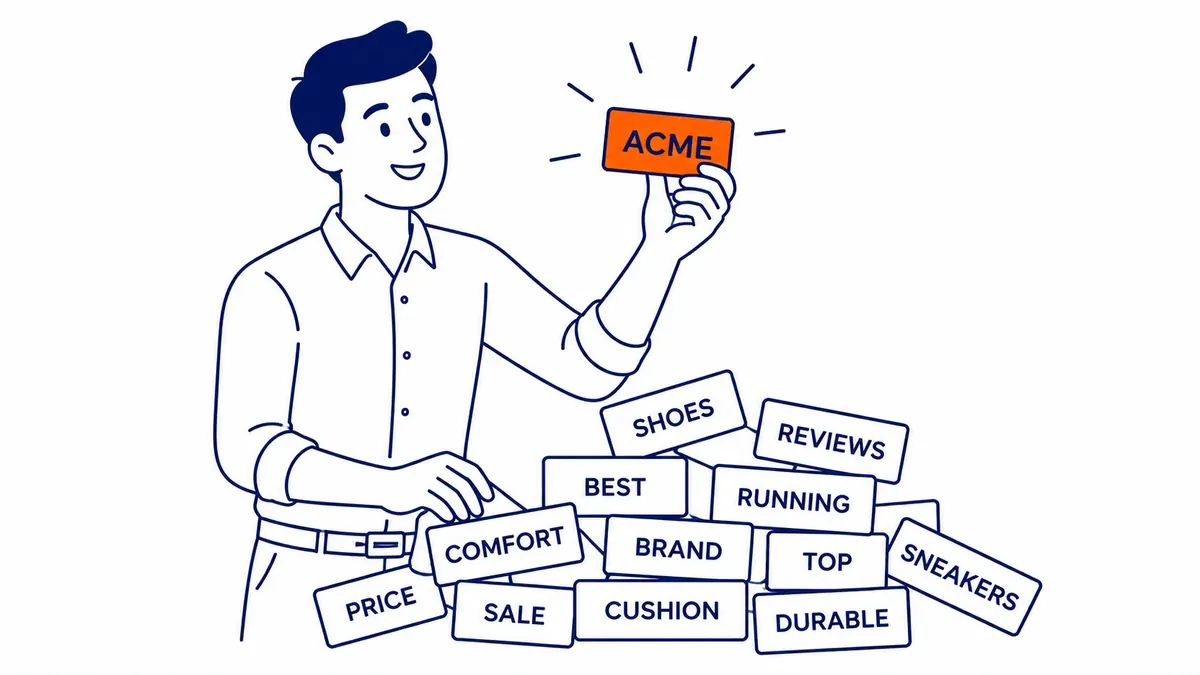
Why SEO and Brand Recognition Feed Each Other
One reinforces the other. Repeatedly.
Brand recognition grows branded search volume. More branded searches signal to Google that people specifically want this business. That feeds domain authority. Higher authority improves non-branded rankings. Better non-branded rankings generate more impressions on new audiences. Those audiences develop familiarity. Some of them search the brand directly on the next occasion.
That loop does not accelerate quickly. Three to six months before meaningful movement. That is the realistic expectation for most markets. Six months to a year before the compounding effect becomes measurable. Businesses that need fast brand exposure are better served by paid search; have us manage your Google Ads and the awareness arrives immediately. SEO builds the longer-term layer underneath it. That layer keeps working after the campaign spend stops.
The businesses that benefit most from SEO-driven brand awareness are the ones who commit to the timeline. Go quiet for three months and the compounding stops. Resume and it rebuilds, but slowly.
We have seen clients double their branded search volume in eight to twelve months without a single paid campaign. Content. Backlinks. Position reporting. Done consistently every month. Not glamorous. Effective.
Consistency, however, is not optional. It is the whole strategy. Every brand mention counts toward it, even the ones nobody links.
Targeting Keywords That Build Brand Visibility
Start broader than you think. Then narrow.
Most businesses focus keyword strategy on transactional terms. “Calgary SEO company.” “Local SEO services.” “SEO consultant near me.” Those are worth having. They convert. But they do not build awareness with people who are six months from being ready to buy.
Brand awareness keywords are informational. Someone searching “how long does SEO take” is not calling today. They might call in three months. Showing up in that search puts your name in front of them before they reach the decision stage. Do that across enough informational queries. Your brand becomes familiar before the prospect ever makes a purchase decision.
Claim your branded search results first
Your company name should rank cleanly and completely. Homepage first. Google Business Profile next. Social profiles matter too. Competitors sometimes bid on your brand name in paid search. That is worth addressing directly.
A website SEO audit frequently reveals that branded results are weaker than expected. Old directory listings with outdated phone numbers. Third-party review pages outranking the actual business. These gaps suppress branded click-through and create confusion for new visitors arriving for the first time.
Target informational terms your audience researches early
Questions people search six months before hiring an SEO company are available in Search Console data and keyword competitive analysis tools. Most businesses have reasonable coverage on purchase-ready terms. Almost none have systematic coverage on the awareness-stage terms.
That gap is where brand differentiation compounds over time. Closing it takes consistent effort, not a one-time campaign.
Content That Builds Brand Recognition Over Time
Volume is not the point. Consistency is.
Each page your website publishes is another indexed asset. Another chance to appear in search results. That means one more impression on someone who has not heard of this business yet. Over twelve to eighteen months, a well-maintained content library builds a presence that spans a wide range of relevant searches. The businesses ranking across five to ten different informational topics are the ones building real awareness for your brand.
Publish what your audience actually searches for
The question “what should we write about” is answerable with data. Search Console shows which queries are already generating impressions for your site. Those are the topics where you have some existing authority. Go deeper on them.
Topics where competitors rank but your site does not appear are also worth targeting. A competitor ranking for “what does an SEO company do” gets that awareness-stage traffic instead. The query exists; the question is whether your site answers it.
Answer one question per page. Depth beats breadth. A focused, thorough post on a narrow question outranks a surface-level overview that covers five questions at once.
Consistency beats one-off publishing bursts
We see it often. A business publishes eight posts in two months, then goes quiet for six. Traffic climbs, then plateaus, then falls. The algorithm, however, treats active sites differently than dormant ones.
A steady publishing pace, even modest, signals to search engines that the site is maintained and current. It also gives your audience a reason to return regularly. Each return visit also reinforces brand familiarity. Worth asking any SEO provider how often they plan to publish before signing anything.

Backlinks and Brand Mentions as Authority Signals
Third-party signals carry weight. Both linked and unlinked.
A website audit often surfaces a specific gap. Almost no external references. No backlinks from relevant publications. Absent from industry directories. No local press citations either. Each missing signal is a missed opportunity to reinforce brand authority in the eyes of search engines.
That absence still matters. Backlinks from credible sources tell Google that other recognised entities in the space acknowledge this business. One quality link from a relevant trade publication outweighs dozens of generic directory submissions. Track your brand’s backlink profile over time. Twelve months of consistent link building changes domain authority meaningfully.
Brand mentions without links also register. Search engines track unlinked citations across the web. A business mentioned in a local news article gets recognition even without a hyperlink attached. Same for trade association newsletters or a well-read industry blog.
Pursuing those mentions, however, requires work beyond on-page SEO. Guest posts in publications your audience reads. Interviews with local media. Partnerships with other businesses your target clients already trust. Each one adds to the brand signal layer that organic SEO cannot build alone.
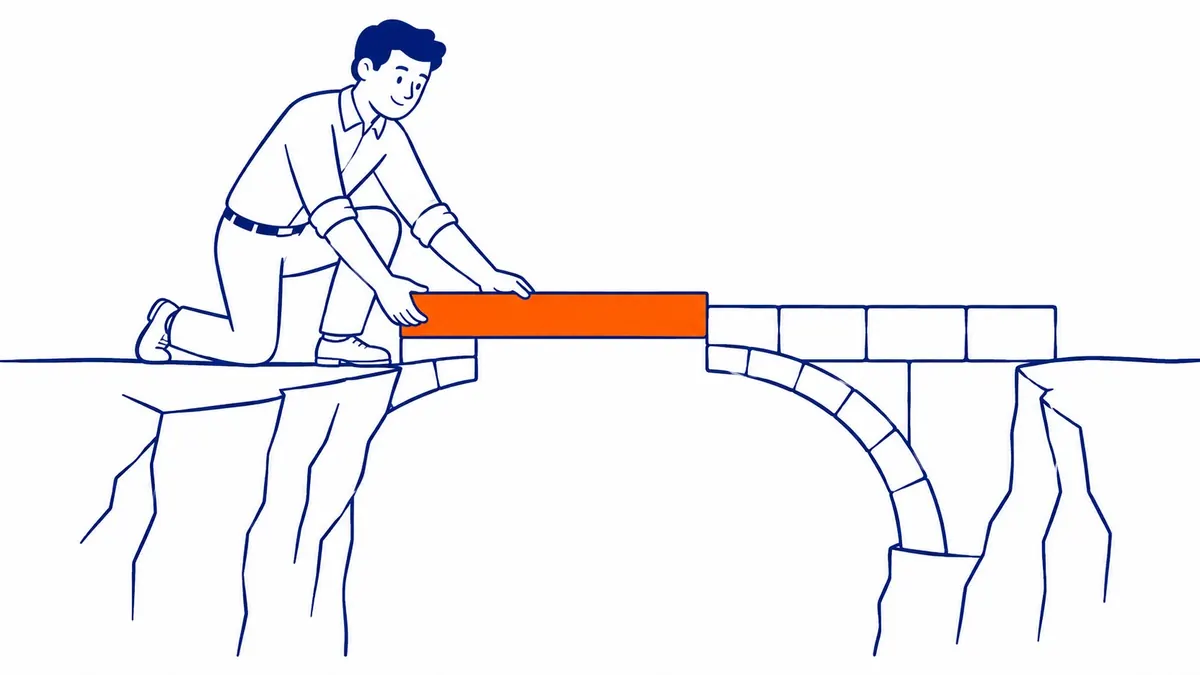
How To-The-TOP! Approaches Brand SEO
Nineteen years on the same problem. Different tools.
Working with a solo practitioner means the same person who builds the strategy runs the work. No account handoffs. Junior staffers do not manage your content calendar. SEO services for Calgary businesses are delivered directly, from initial site review through monthly position reporting.
For brand awareness, we track three things. Branded search volume month over month. Impression totals in Search Console across informational keyword groups. CTR trends on brand-adjacent terms. These metrics move slowly. Three months before trends are visible. Six months before they are meaningful.
The SEO portfolio includes clients at different awareness stages. Some are building from scratch in a competitive niche. Others are defending a ranking position already earned. The starting point differs. Consistent content. Technical accuracy. Genuine authority signals. All three still carry through in both cases.
White Hat only. No shortcuts that unwind later. How much branding for SEO actually moves rankings is a fair question to ask. Whether to chase your own company name for SEO is a separate call entirely.
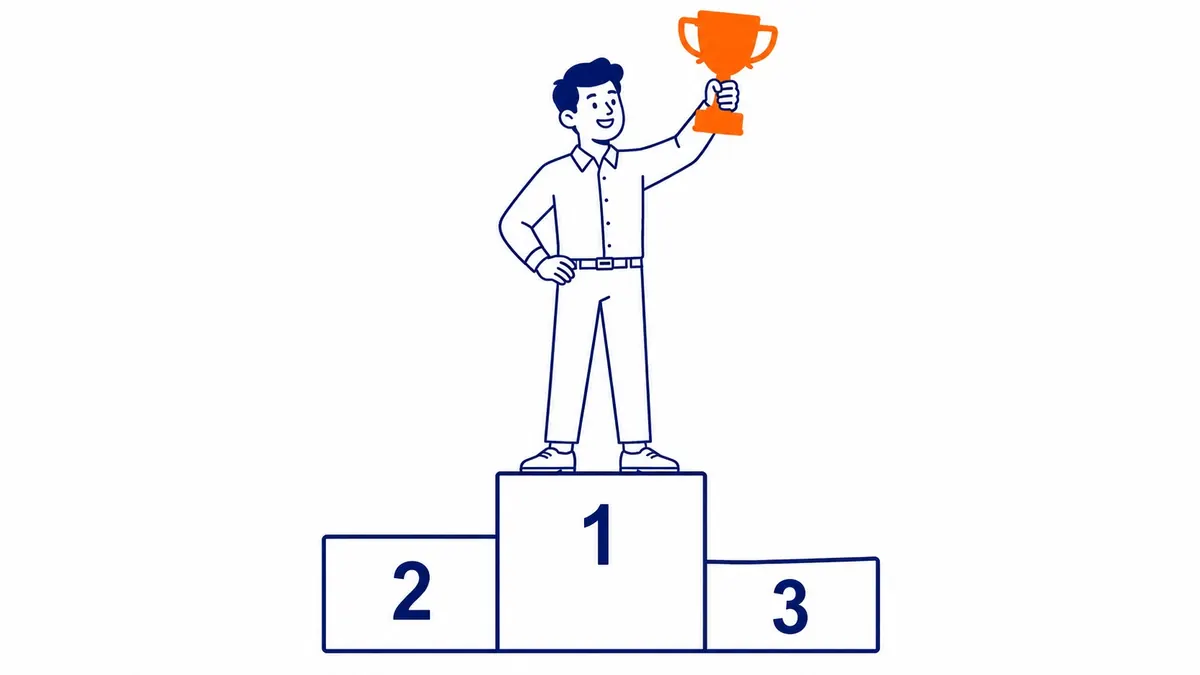
Frequently Asked Questions
How does SEO increase brand awareness?
Organic rankings generate impressions before any click happens. Every search result your business appears in is a brand exposure. Repeated appearances across multiple queries over weeks and months build familiarity. That familiarity lifts branded search volume. Click-through rates improve. Direct traffic grows over time. The loop compounds on itself.
What is the best way to increase brand awareness through SEO?
Consistent informational content on topics your audience searches before they are ready to buy. Pair that with authority signals. Relevant backlinks from credible sources. Brand mentions in publications your audience reads. A technically sound site that does not lose visitors to slow load times or mobile layout problems. There is no shortcut on the timeline. Twelve months of consistent effort outperforms a three-month burst every time.
What is the 3 7 27 rule of branding?
A principle from brand psychology. Three seconds for a first impression. Seven exposures before a prospect remembers your brand. Twenty-seven contacts before trust is established. SEO, however, addresses the seven-to-twenty-seven range specifically. Repeated appearances in search results across different queries still build those exposures organically. No individual appearance feels like advertising. That is part of why it works. The seven-to-twenty-seven range is exactly where search optimization and content marketing intersect.
What are the 5 pillars of brand awareness?
Different frameworks use different language. The underlying elements stay consistent. Visibility in the channels your audience uses. Recognition when your name appears in a relevant context. Recall when a category need arises weeks later. Trust through consistent and credible presence over time. Advocacy when satisfied customers refer others. SEO contributes directly to the first three, though. Trust and advocacy follow from the work done on the ground with existing clients.
Contact Calgary SEO Company To-The-TOP!
Questions about anything in this article, or about your own rankings? Talk to a Calgary SEO specialist directly.
Phone: (403) 308-5949
Address: 1509 14 Ave SW, Calgary, AB T3C 0W4
Hours:
Monday to Friday: 10:00 am – 7:00 pm
Saturday: 12:00 pm – 4:00 pm
Sunday: closed