How to Write Google Ads Copy That Converts
Most copy I see wastes the first headline. Advertisers get so focused on getting the Google Ads campaign live that the ad itself becomes an afterthought, whatever fits in 30 characters. Three months in, CTR sits at 1.2% and the budget keeps climbing. That is where most new accounts land when they first reach To-The-TOP!.
Here is what changes it.
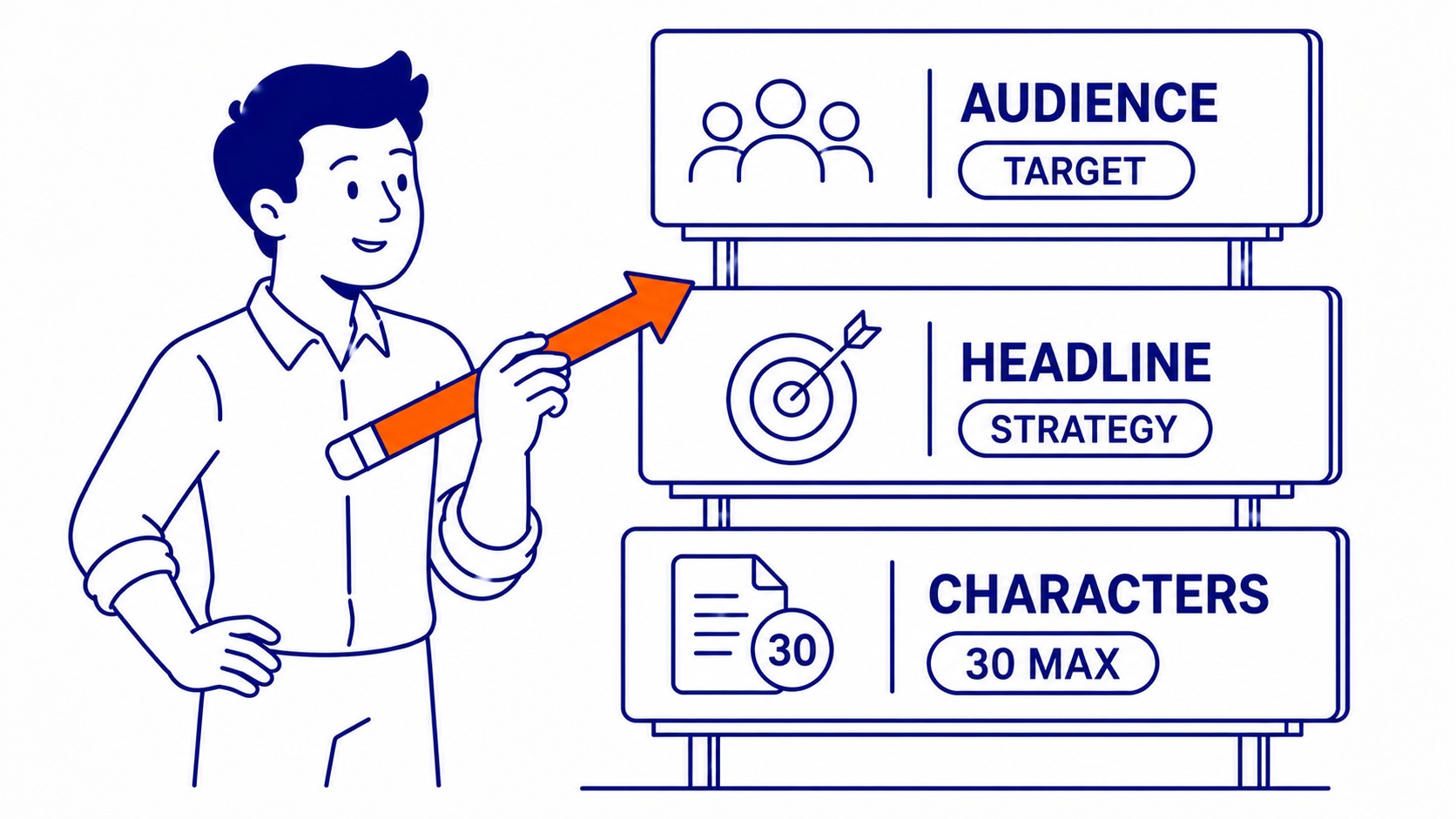
Google Ads gives each ad three headlines of 30 characters, and two descriptions of 90 characters. Responsive search ads load multiple variations. The platform rotates combinations and surfaces whichever performs best for a given query.
That is the canvas: 240 characters to earn a searcher’s attention before they scroll past. Filler phrases like “quality you can trust” burn character count without answering what people are actually searching for. Copy is only half of it, and good CTR explained by category tells you what to aim at.
Know Your Target Audience Before Writing a Single Word
Your target audience first. Your copy second. Always.
One account worth describing: a flooring contractor running search ads for hardwood installation. Original copy led with product features, “Oak, Maple, Birch Available.” Rewriting the headline to address the homeowner’s actual concern, “Hardwood Installed This Week,” pushed CTR from under 1% to 4.8% in one week. Same budget. Identical keywords. Different copy.
The question potential customers are asking is not “what product do you carry.” It is: can you solve my problem, right now. Pain points earn clicks. Features do not. Understand what your customers are worried about before you write a single word.
Before writing anything, list the objections a searcher might have. Too expensive. Can they deliver in time. Is this business legitimate. That list tells you what your copy needs to handle before the searcher clicks elsewhere.
Headlines: Where Clicks Are Won or Lost
In Google Ads, those three headline rows carry the most weight. The click happens or it does not in that first line. Three best practices we apply to every headline set:
The explainer on what is PPC covers the auction mechanics that make well-written ad copy worth the time investment.
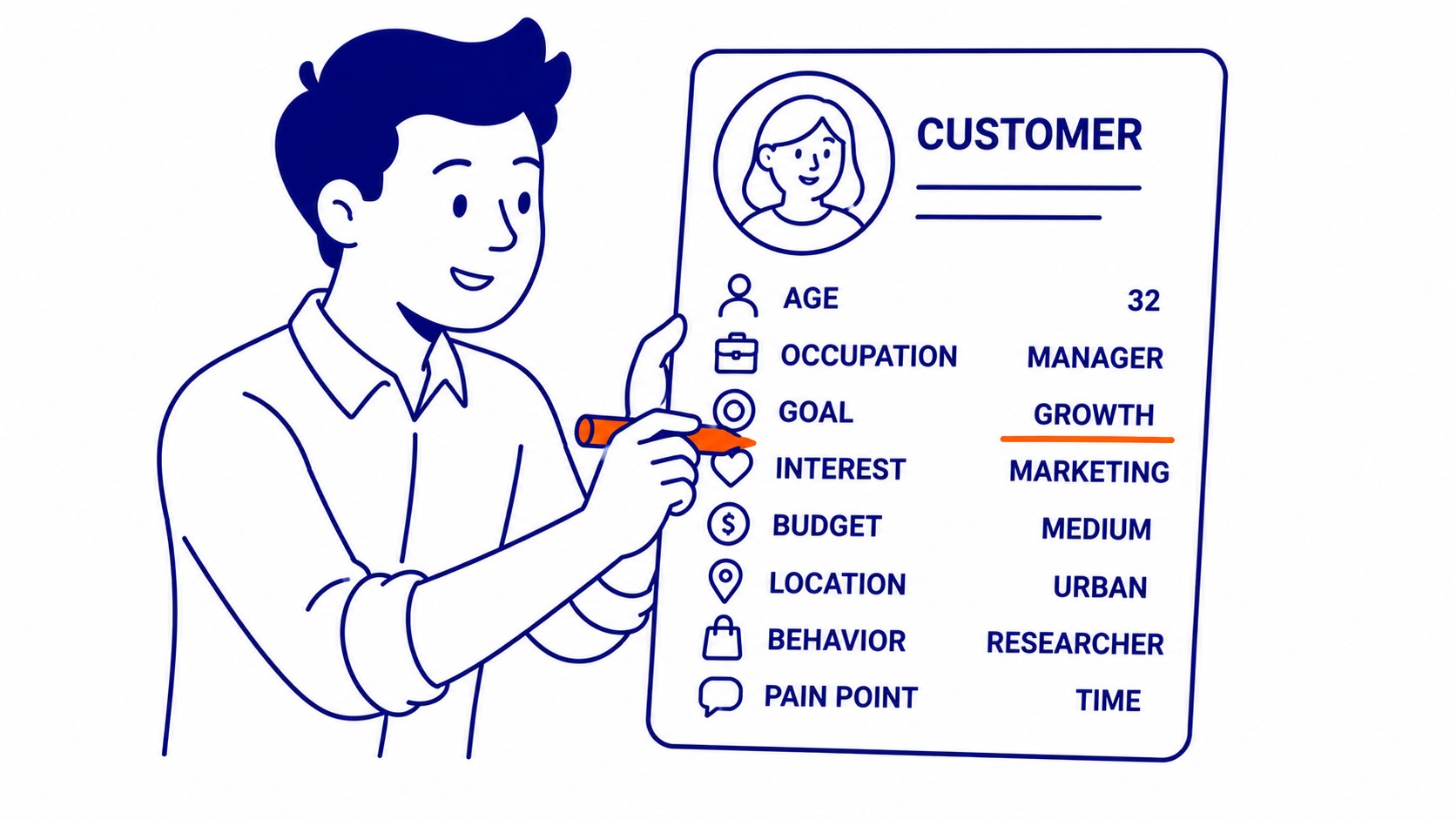
Keyword inclusion in headline one. Ad relevance scoring rewards it. Searchers scanning results look for their query terms reflected back. A headline that mirrors the search query grabs their attention.
Specific benefit over vague claim. “Free Quote in 24 Hours” outperforms “Professional Service” every time. Specificity makes a promise. Vague copy makes none.
Brand or differentiator in headline three. Once you have matched the query and stated the benefit, headline three earns its spot by answering: why you, not the competitor below.
Write every variation with a distinct message. Loading nearly identical variations wastes the rotation Google uses to surface the best combination.
Description Lines: The Second Impression
Two descriptions, 90 characters apiece. The platform selects the combination it predicts will perform best for each auction.
The parallels with what is SEO writing are worth noting: both disciplines require matching the right phrase to the right intent.
Your ad copy in the descriptions should not repeat the headline. The copy that converts handles the objection the headline raised. If the headline says “Emergency Plumber Calgary,” the description answers: “Licensed, available now, transparent pricing before work starts.”
Address what potential customers are about to worry about. They clicked because the offer attracted them. Now they need a reason not to back out. Use those 90 characters to handle the concern and confirm the next step, not to restate what the headline already covered.
Match the Copy to Search Intent
Query to ad to landing page: that chain must hold.
Searchers who land on a general homepage after clicking an ad for a specific service have already decided to leave. The mismatch shows up as a 70% bounce rate and a Quality Score of 4. Weak copy costs more on both ends.
Your ad copy is the bridge. Take the intent from the query, confirm that this page delivers what the searcher expected, and hand them to the landing page without any gap in the story.
Relevant keywords in your copy also push the quality rating up. Quality Score (1 to 10) multiplies against your bid for ad rank. With a strong score, you pay less per click and reach a higher position than a competitor with a bigger budget. That mechanic is what most advertisers miss. Weak google ad copy costs money on both sides of the auction and lands lower on the page.
Copy strategy and keyword research pull on each other in both directions, so a round of keyword competitive analysis against your ad groups pays off before you draft a headline. Which terms appear in your headline copy shapes which searches trigger your ad. For a closer look at that, the work at SEO Company To-The-TOP! covers keyword strategy in detail.
Call to Action: Make It Specific
“Learn More” is the weakest CTA in any campaign. It tells users nothing about what actually happens next.
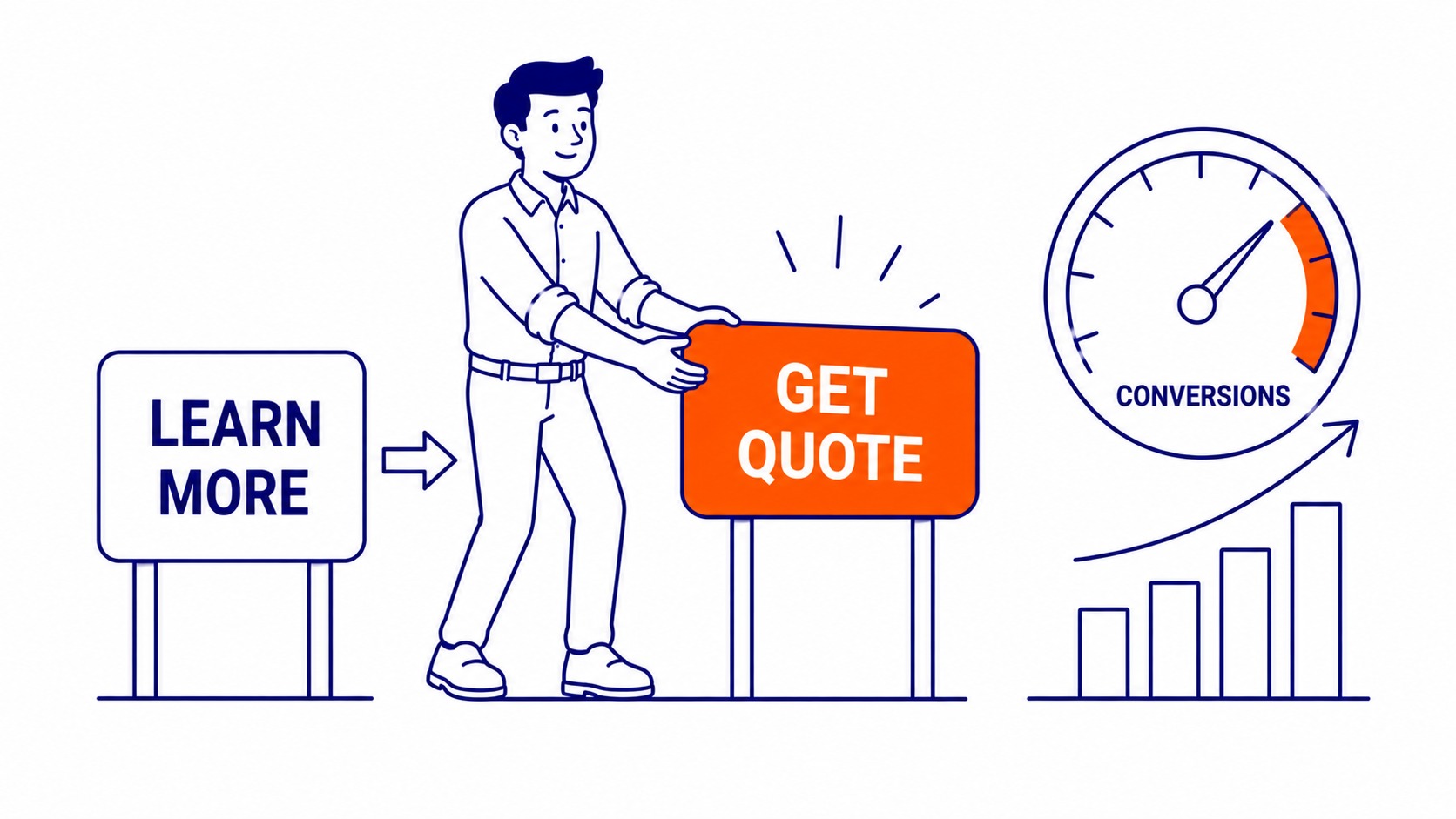
Specific CTAs consistently outperform generic ones. “Get a Free Quote” beats “Contact Us.” “Book Your Inspection Today” beats “Learn More.” The more specific the action promised, the higher the conversion rate tends to run.
Urgency also moves numbers. Limited-time offers or deadline-driven messaging create a reason to act now rather than after the next search result. Use urgency when it is real. Running “Act Now!” permanently trains users to ignore it.
Your copy and the landing page are one system. If the ad promises “Get a Quote in 60 Seconds” and the landing page has a 14-field form, that friction kills the conversion. Build them together.
Extensions: The Copy Below the Ad That Most Advertisers Skip
Sitelinks, callouts, structured snippets, lead forms: not optional. Extensions expand your ad’s visual footprint and give searchers more ways to engage.
Callouts are short phrases that appear below your main copy, no click destination required. Free consultations. 19 years in business. White Hat SEO only. Each callout is another trust signal doing quiet work.
Sitelinks send traffic directly to specific pages: services, pricing, portfolio, contact. A searcher not ready to call might click through to your portfolio instead. That click still converts a portion into conversations.
Running a full extension set also improves ad strength. Google treats complete extensions as a quality signal. Accounts with complete extension sets tend to earn better placement at the same bid. Leaving them empty costs position without saving a dollar. Extensions sit under the ad, so writing a good Google Ad headline still comes first.
Why Your Copy Affects What You Pay per Click
Three factors feed into Quality Score: keyword-to-ad match, landing page experience, and historical click-through rate.
The copy you write controls two of those three directly. Headline text and descriptions determine whether the ad matches the keyword and whether past searchers clicked on it. Landing page experience is the third factor, shaped by how well the copy set expectations before the click.
Strong google ad copy earns better ad rank without increasing the bid. Accounts scoring 7 to 9 routinely outrank competitors bidding 30 to 50% more. That is the most underappreciated reality in paid search: ad copywriting is a cost-control lever, not just a creative exercise.
When you have us manage your Google Ads, copy gets treated as a performance variable in every campaign review. The same thinking shapes the SEO service in Calgary we run alongside paid campaigns. Not an afterthought in either channel.
A/B Testing: How to Know If Your Copy Is Working
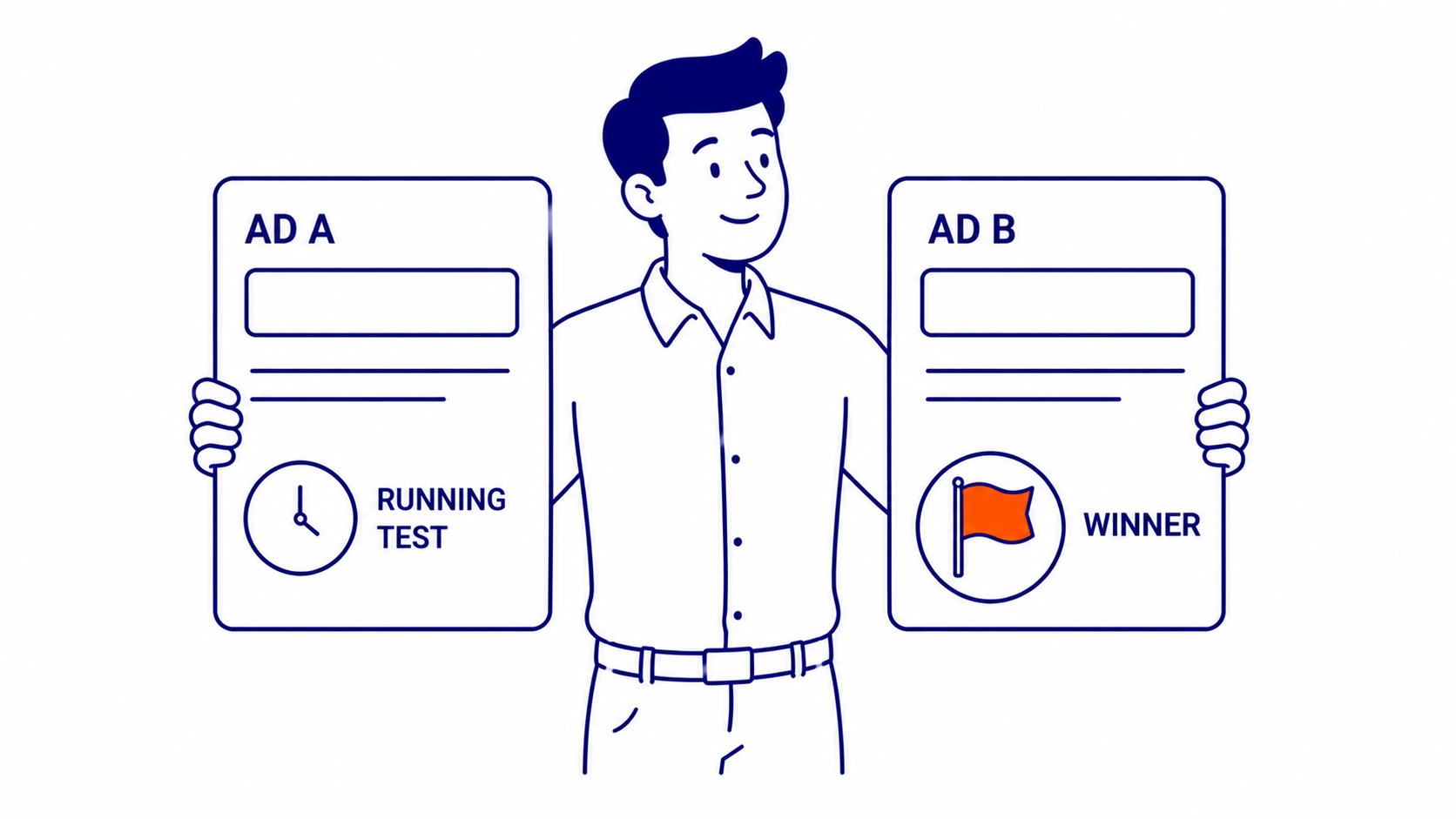
Responsive search ads make testing more accessible than it used to be. Load 8 to 10 headline variations and 3 to 4 description variations. The platform tests combinations and reports which assets perform well, which are average, and which are underperforming.
Swap one element at a time. One headline, one description. Give each test enough data before drawing conclusions, at least two weeks in an active campaign, longer in low-volume accounts.
Your copy is not a set-and-forget asset. The best-performing combination today is the baseline for the next test. A/B testing surfaces patterns you would not predict from judgment alone: which messages your target audience actually responds to, rather than which ones felt right when you wrote them.
Advertisers in Mississauga SEO, Montreal SEO, and Morinville SEO face the same character limits and ad relevance pressures across every campaign.
FAQ: Google Ads Copywriting
How long can a Google Ads headline be?
30 characters per headline, three headlines per responsive search ad. Descriptions run 90 characters apiece, two per ad. Not every combination shows in every auction: the platform rotates based on predicted performance for that context.
Does copy quality affect cost per click?
Copy feeds directly into that score, which multiplies against your bid to determine ad rank. Strong headline copy, high CTR, and a relevant landing page lower your cost per click. Weak copy raises it and drops your position on the page.
How often should I update my Google Ads copy?
Review performance every two to four weeks. Any ad showing poor CTR or low conversions with enough data behind it is a candidate for replacement. Seasonal offers update with the offer cycle. Ongoing copy rotation should track what is working and test against it, not update on a fixed schedule. The accounts that plateau are usually the ones where no one is actively rotating the copy.
Contact Calgary SEO Company To-The-TOP!
Questions about anything in this article, or about your own rankings? Talk to a Calgary SEO specialist directly.
Phone: (403) 308-5949
Address: 1509 14 Ave SW, Calgary, AB T3C 0W4
Hours:
Monday to Friday: 10:00 am – 7:00 pm
Saturday: 12:00 pm – 4:00 pm
Sunday: closed
