
Is Content Important for SEO or Is It Overrated
Yes, genuinely so. Not the only factor, but arguably the single foundational one. Nothing else in SEO works without content for Google to actually rank.
A page gets crawled through technical SEO. Trust gets built through backlinks. Content is what a page actually offers the searcher once they arrive.
Why Content Sits at the Center of SEO

Google’s entire job is matching a search query to the best available answer, out of the millions of pages it has indexed. Without content, there’s simply nothing for that matching process to evaluate against any given search term.
Keywords need somewhere to live. A perfectly optimized technical site with no actual content targeting real search terms ranks for nothing at all.
Backlinks need something worth linking to. Genuinely valuable content attracts natural links far more easily than a thin page ever will.
What Makes Content Actually Rank Well

Matching real search intent matters more than any other single factor. Outperforming one merely mentioning the right keyword is a page answering exactly what a searcher actually wants.
Depth and thoroughness signal quality to both readers and Google’s ranking systems, in ways a superficial page simply cannot replicate. A comprehensive page covering a topic fully tends to outperform a shallow one touching it briefly. Even when both target the exact same primary keyword and share similar technical setups underneath.
Freshness matters for time-sensitive topics specifically. Content covering rapidly changing information needs regular updates to keep matching what searchers currently expect to find.
Where Content Alone Isn’t Enough
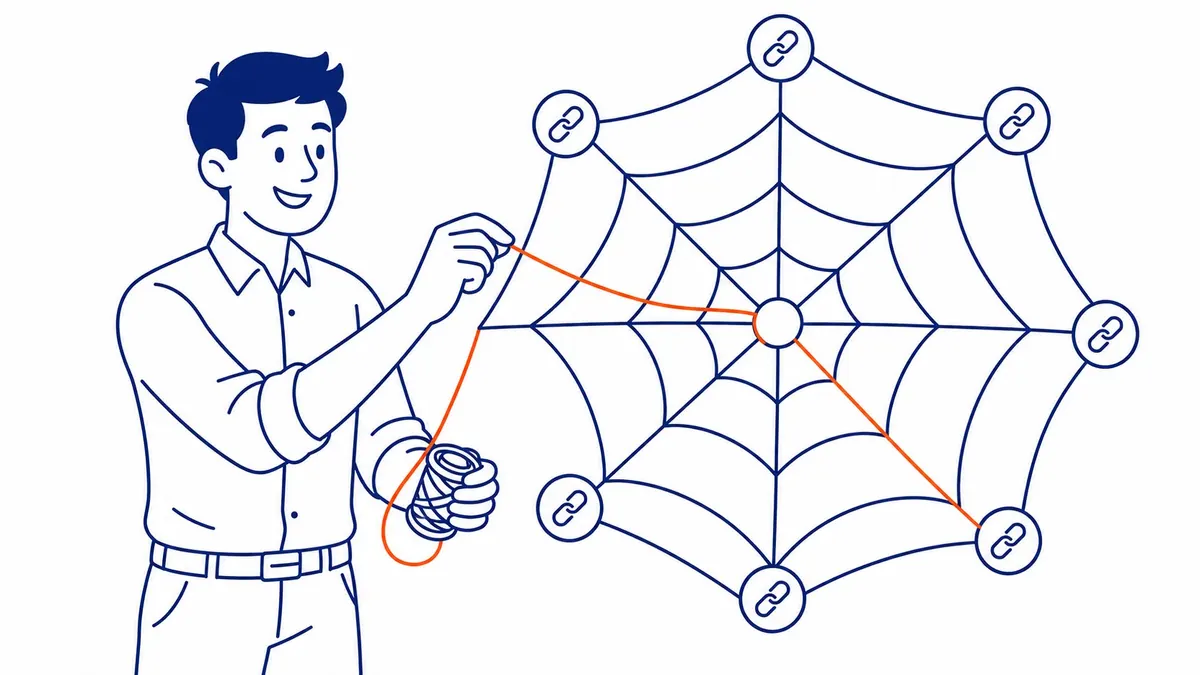
Highly competitive keywords often require real backlinks alongside great content. Excellent content without any external validation still struggles against established, well-linked competitors.
Technical problems block even the best content from ranking at all. A page blocked by robots.txt or riddled with site speed issues never gets the chance to compete.
Content quality matters enormously, but it works alongside technical health and link building. True for a Calgary SEO client, not a total replacement for either.
Common Content Mistakes That Undermine Rankings

Writing for search engines instead of actual people backfires more often than not. The person reading it, not the algorithm itself, is what Google’s systems increasingly reward content for genuinely serving.
Thin or duplicate content wastes crawl budget. Spun content dilutes overall site quality signals too. Consolidating weak pages into one strong one usually outperforms keeping many thin ones.
Wasted effort follows ignoring search intent entirely. Publishing a product page for an informational query, for instance, regardless of how well-written the actual page copy is.
How Much Content Actually Moves the Needle

Word count alone means nothing without genuine relevance and depth behind it. A focused, thorough eight hundred word page can outperform a padded three thousand word one.
The realistic depth and format actually needed to compete gets revealed one way. Comparing content against the current top-ranking pages for a target keyword directly.
Far more than a single burst of posts followed by long silence, consistent publishing over many months compounds content’s real impact.
Keyword Research Still Comes Before Writing Anything
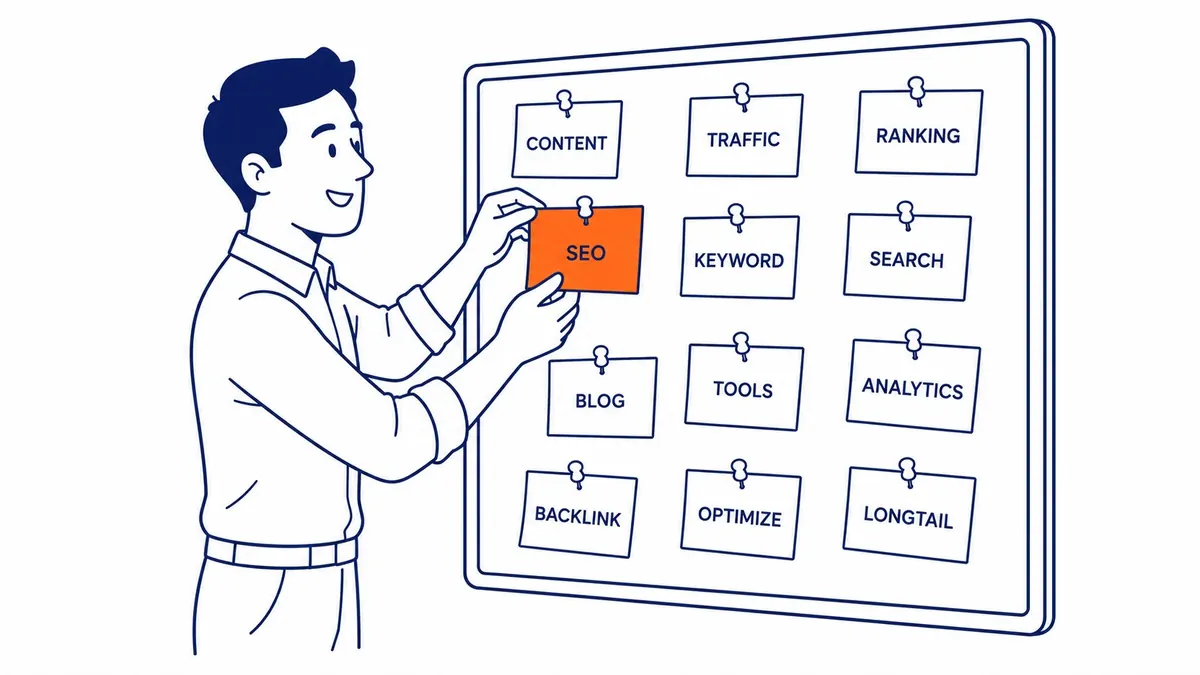
Real keyword research reveals what searchers actually type, in their own natural words. Well before a single sentence of the actual page gets written, ideally always. Skipping this step means guessing at intent rather than genuinely confirming it beforehand with real data.
A target keyword should map to one clear intent, not several conflicting ones at once. Ambiguous keywords sometimes serve informational and commercial intent simultaneously. A genuine judgment call becomes necessary then. About which type of searcher to prioritize, when the two goals actually pull in different directions entirely.
Google’s own search results page reveals intent directly, without much guesswork required at all. Ten organic results already ranking for a keyword show exactly what format works. What Google’s algorithm currently considers the best answer for that specific query right now.
Search Intent Drives Everything Else Downstream

Getting search intent wrong dooms even beautifully written pages before Google ever properly evaluates them. A gorgeous product page targeting an informational search rarely earns a meaningful ranking.
Four broad intent categories cover almost every real search. Informational searches want an answer. Navigational searches want a specific site. Commercial searches want comparisons. Transactional searches want to buy right now.
Intent matching is what separates pages that rank from pages Google quietly ignores. Getting a keyword’s actual intent right first, then building genuinely helpful material around it, regardless of writing quality alone.
Ranking Signals Beyond the Page Itself

Not just what sits on a single page, but hundreds of ranking signals together, is what Google actually weighs. Site-wide authority, built up over years, still influences how a brand-new page performs from day one.
User engagement signals feed back into ranking indirectly. Time on page suggests whether a page genuinely satisfied whoever landed on it from search. Bounce rate and return visits too.
Domain-level trust compounds gradually over time too, building up slowly across years of consistent, genuine publishing. New material published on an established site with a strong track record often ranks faster. Faster than the exact same material would on a brand-new domain.
Building a Realistic Publishing Plan Around All This

Quality over raw volume should genuinely guide every single publishing decision made. Two genuinely excellent pieces monthly beat eight rushed, shallow ones competing weakly against established competitors. Paid search can fill the gap while new content builds, and Google Ads data shows which topics convert before a page is even written.
Mapping keyword targets to specific pages upfront prevents duplicate effort and internal competition down the road. One term, one clear owner, always decided before any actual writing even starts.
This kind of upfront mapping saves real time compared to figuring targets out reactively, one page at a time. Genuinely useful for a Calgary SEO client planning a full year of publishing well ahead of time.
Frequently Asked Questions
Can a site rank well with minimal content?
Rarely, for competitive terms. Low-competition, highly specific terms sometimes rank with less content, though genuine depth almost always helps more than it hurts overall.
Does more content always mean better rankings?
No, not automatically. Relevance and quality matter more than raw volume alone. Shorter, genuinely useful pages often beat padded, low-value content instead.
How does content work together with backlinks for ranking?
Content earns the right to rank through relevance and depth. That trust gets confirmed externally through real backlinks. Neither one replaces the other, working together instead. See SEO services for a fuller strategy combining both.
Contact Calgary SEO Company To-The-TOP!
Questions about anything in this article, or about your own rankings? Talk to a Calgary SEO specialist directly.
Phone: (403) 308-5949
Address: 1509 14 Ave SW, Calgary, AB T3C 0W4
Hours:
Monday to Friday: 10:00 am – 7:00 pm
Saturday: 12:00 pm – 4:00 pm
Sunday: closed