
Are PPC and AdWords the Same Thing?
No. They are two answers to two different questions. Both get used as though there were only one question.
The name changed years ago, and that story gets told properly elsewhere on this site. So does the question of where PPC sits inside SEM. The same goes for the list of other platforms running on the same arrangement. None of it gets repeated here.
What is left is the part nobody covers. The two words overlap. Neither one contains the other.

The Short Answer, and the Half It Leaves Out
PPC stands for pay-per-click. AdWords was the name of a Google product, retired some years back and now called Google Ads.
That settles the question. Only it settles the easy half of it.
Nobody types this wanting a definition. Somebody in a meeting said PPC. Then somebody else said AdWords. Now the question is whether two things were being sold, or one. Somebody else in that meeting will mention Facebook ads, which widens it again.
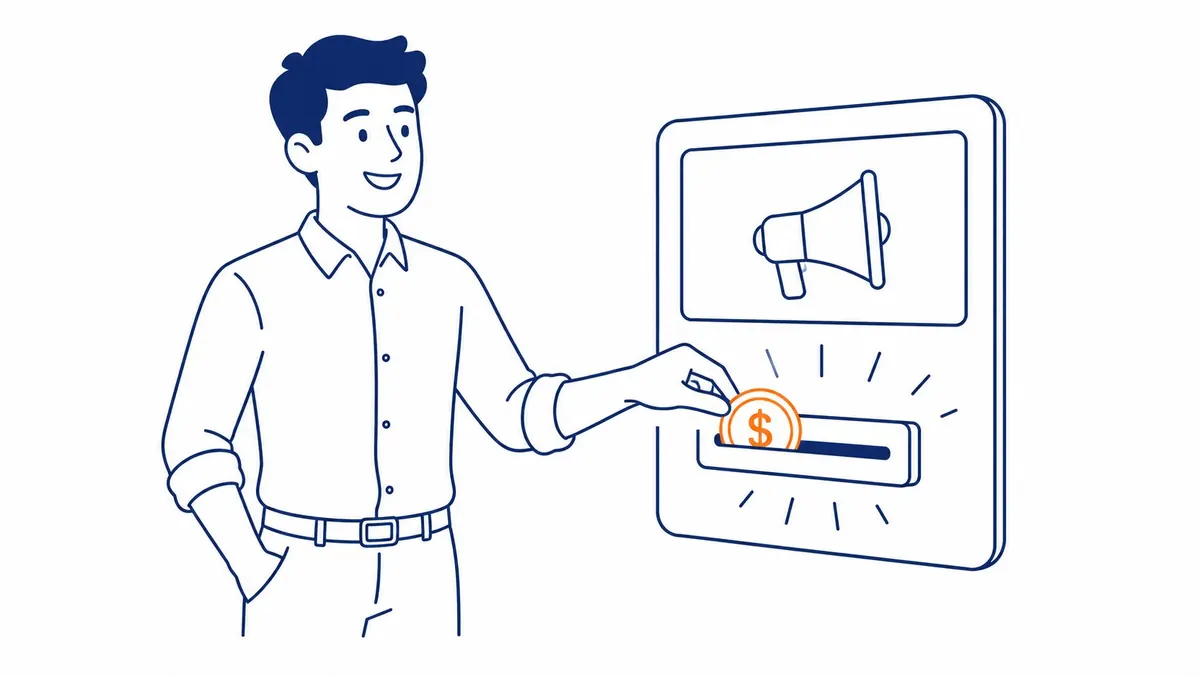
One Names a Price. The Other Named a Place.
Read what each word is about.
Pay-per-click describes what happens to your money. Somebody clicks, so you are charged. Nothing in those three words mentions Google. Search goes unmentioned as well. So does the screen, and so does the country you are standing in.
AdWords named a place where you had an account. A login. Also a company that sends you an invoice.
So one word answers how you pay. The other answered where you were.
Two questions. And the difference goes unnoticed, because for plenty of advertisers the second one only ever had a single answer worth giving.
Saying You Do PPC Names Almost Nothing
Turn it around.
An agency tells you they do PPC. What have they told you? A billing arrangement. That is the whole of it.
Not which platform. Nothing about whether the ads sit beside a search result or underneath a video. Who sees them is anybody’s guess. Somebody buying clicks on a shopping site can use those three letters. So can somebody buying them a continent away.
Meanwhile “we run your Google Ads” hands you the opposite half. Now you know the place. You still know nothing about the rule.

Not Everything in a Google Ads Account Is Pay-Per-Click
Here is the part that costs money.
Charging by the click is not the only way a Google Ads account can bill you. How you bid is one question. What you are charged for is a separate one, and the two do not always match. A video can charge you when somebody watches. Meanwhile a placement can charge when your ad gets shown, whether or not a soul touches it.
None of that is a trick. The bidding on each campaign says so plainly.
Yet the phrase pay-per-click is sitting in your head the whole time you read it.
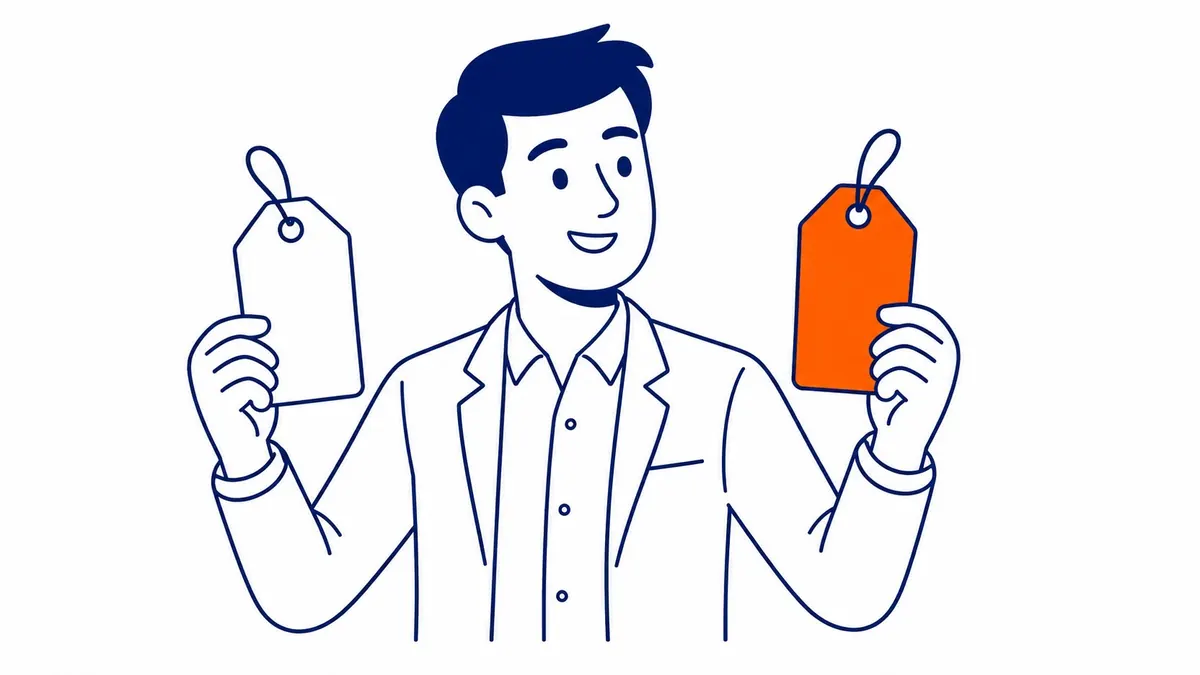
Neither Word Sits Inside the Other
So the two words cross.
There is PPC that is not Google Ads. Somebody paying by the click on another platform is doing PPC. They may never have opened a Google account.
Then there is Google Ads that is not PPC. A campaign charging by the view is still Google Ads. It was never pay-per-click.
Neither word sits inside the other. They share a middle. The middle is crowded, which is exactly why the two get treated as one.
The Comfortable Half of the Phrase
Pay-per-click carries a promise. That promise is why the phrase caught on.
Nobody clicked, so nothing was spent. Reassuring. It is also true of a search campaign, which is the kind of campaign the phrase was built to describe.
Only the promise belongs to the phrase. It never belonged to the account.
Carry it into the rest of the account and it quietly stops holding. Money can leave for something nobody touched. No rule got broken there. The rule was simply never in force.
So the mix-up is no vocabulary slip. Rather it is a belief about your bill.
Where the PPC and AdWords Argument Stops
None of this makes the loose talk a mistake.
Run search campaigns and nothing else, and the two words really do describe the same afternoon. Your ads are pay-per-click. They live in Google Ads. Whichever word somebody reaches for, they mean the thing you are doing. Fair enough, and that covers a great many small businesses for years at a stretch.
The month it matters is the month somebody widens the account. A campaign type gets added. Or a recommendation gets accepted on a Tuesday. Then the word you have been using quietly stops covering everything the account is up to. Nobody announces that.
Worth saying plainly, as well. Knowing the difference will not make a single ad work better. Nothing here wins a click or moves an SEO position. What it protects is your reading of your own invoice. Start with the PPC acronym if the invoice is where the confusion began. Google PPC is another name on that same invoice.

Read Your Own Account, One Campaign at a Time
Skip the argument. Go and look instead.
Open the account. Take the campaigns one at a time, then find what each one is charged for. Read the bidding rather than the name somebody gave it.
Now count the ones charged for something other than a click.
Maybe the count comes back at zero. Then your account is all search. The two words describe the same work, so you can stop thinking about any of this. Or the count is not zero. In which case you have found the half of your bill that was never obeying the phrase.
No statistic about other advertisers settles that one. Yours is already on the screen.
Somewhere in that account there may be a line spending money nobody ever clicked. It was not breaking the rule. Rather it was never in the rule.
What This Looks Like at To-The-TOP!
Both words turn up in the same sentence often enough at SEO Company To-The-TOP!, here in Calgary. Usually nothing is wrong at all. Occasionally something is, and it tends to wear the same shape. A campaign nobody set up on purpose, charging in a way nobody expected.
So the first hour of Google Ads management is rarely clever. Mostly it is reading the account back to the business paying for it. Then comes the keyword research. Anything worth calling strategy comes after that.
To-The-TOP! has been doing this since 2007. The portfolio shows the keywords this work has reached. Search engine optimization runs on a longer clock. Three to six months before much moves, which is a different conversation from this one. No guarantees, either way. Just plain reading first.
Common Questions About PPC and AdWords
Is AdWords still a product I can buy?
No. The name got retired and the same account now goes by Google Ads. Nothing inside it stopped working when the sign changed, and campaigns kept running throughout. The rename itself is covered properly elsewhere on this site.
Is all PPC just Google Ads under another name?
No. Pay-per-click describes how you get charged, so it travels wherever that arrangement is on offer. Other platforms sell it too. Google is simply the one most people mean when they say it.
Is everything inside a Google Ads account pay-per-click?
No. Some campaign types can charge for a view or for an impression instead. The bidding settings on each campaign tell you which. That is the one screen worth reading before you argue about the words.
Does saying AdWords make me look out of date?
Plenty of people still say it, including people who open the account every morning. It is a dead brand name and nothing more. Nothing in the account cares which word you use.
Will knowing the difference improve my results?
On its own, no. It changes nothing about the ads themselves. Nothing about your SEO, either. What it changes is what you expect to see when the invoice turns up.
Contact Calgary SEO Company To-The-TOP!
Questions about anything in this article, or about your own rankings? Talk to a Calgary SEO specialist directly.
Phone: (403) 308-5949
Address: 1509 14 Ave SW, Calgary, AB T3C 0W4
Hours:
Monday to Friday: 10:00 am – 7:00 pm
Saturday: 12:00 pm – 4:00 pm
Sunday: closed