
What Does PPC Stand For? Pay-Per-Click Meaning Explained
PPC stands for pay-per-click, an online advertising model in which the advertiser pays when someone clicks the ad rather than when the ad is shown. Under click-based bidding, simply showing the ad costs nothing, and the advertiser is billed when someone clicks it. Google’s own Help page puts it this way: “CPC pricing is sometimes known as pay-per-click (PPC).” In Canada the same three letters also stand for the People’s Party of Canada, a federal political party, which is covered briefly further down, but this page is about the advertising meaning.

How the pay-per-click charge works
On a platform such as Google Ads, the advertiser chooses the searches or audiences an ad should reach and sets a budget. Every time an ad space becomes available, Google runs an auction among the eligible ads, and the advertiser is charged only if the ad wins a place and someone clicks it. With manual bidding, the advertiser sets a maximum cost per click, which Google describes as the most you will typically be charged, and the actual charge is often lower. Google says you pay only what is needed to clear the Ad Rank thresholds and beat the Ad Rank of the advertiser directly below you, and that if no one below you has cleared the thresholds, you pay the reserve price instead. Because that comparison is made fresh in each auction, the price of a click changes from one search to the next.
Not every click is billed, either. Google filters out what it calls invalid clicks, such as accidental clicks and clicks from bots or other automated software, and states that you won’t be charged for them. If it identifies invalid clicks after you have already paid, it issues a credit on a later invoice where that is appropriate and possible. A click that is genuine but comes from someone who was never going to buy is still billed, which is why the work in a PPC account goes into choosing who sees the ad in the first place.
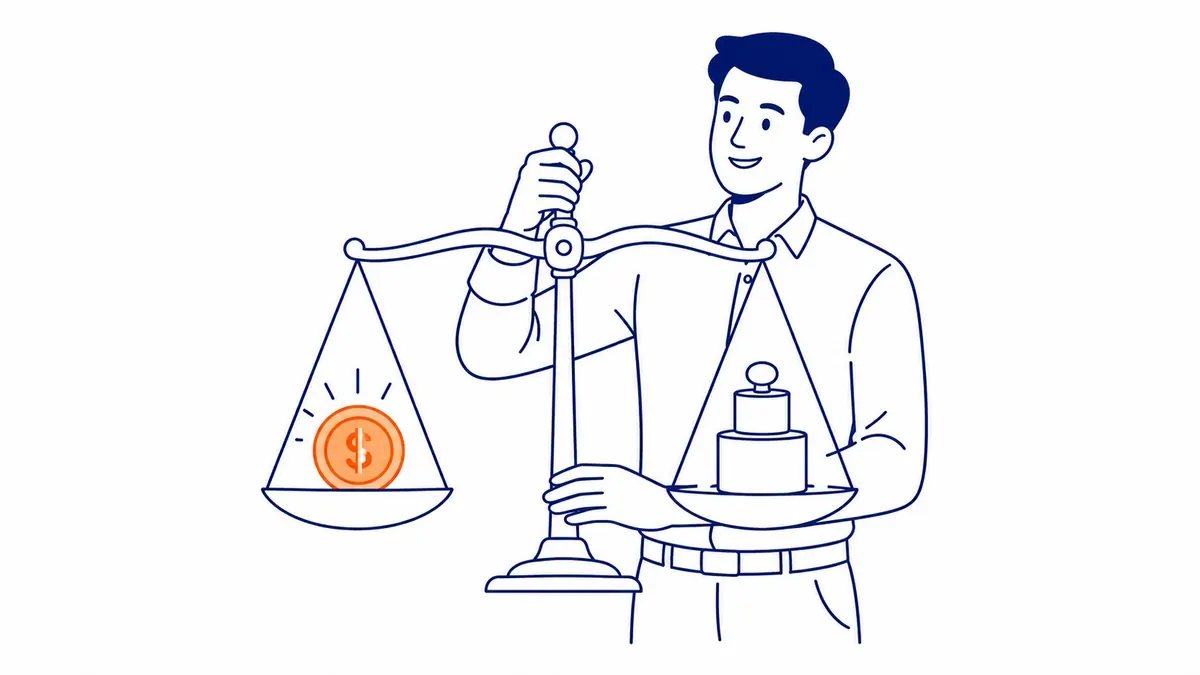
PPC, CPC, CPM and the other letters
PPC sits in a family of abbreviations that are easy to mix up, because some name a billing model, some name a price and some name a bidding method. The table sorts them out using Google’s own definitions.
| Abbreviation | Stands for | What it means |
|---|---|---|
| PPC | Pay-per-click | The model: the advertiser pays when an ad is clicked |
| CPC | Cost per click | The price of one click, and the name of Google’s click-based bidding |
| CPM / vCPM | Cost per thousand (viewable) impressions | Paying for every 1,000 times an ad is shown and viewable; Google offers vCPM for campaigns on the Display Network only |
| CPA | Cost per action | A target cost for each conversion, such as a sale or a form; Google sets the bids, and on Display you still pay for each engaged view and click |
| CPV | Cost per view | Paying for video views and certain video interactions |
| SEM | Search engine marketing | A broad term for marketing in search results, usually meaning paid search and sometimes used to include SEO |
The practical point is that PPC and CPC describe the same arrangement from two sides: PPC is the model and CPC is what each click costs inside it. If you want the figures behind that second side, the guide to cost per click in Google Ads covers max CPC and actual CPC in more detail. Because a Google Ads account can also run campaigns billed by impressions or views, many people use “PPC” loosely to mean paid search advertising in general, even when a particular campaign is not charged per click.
Where PPC ads run
Google Ads is the platform most people have in mind, with text ads above and below the search results, but it is not the only one. BDC’s glossary names search engines such as Google, Yahoo and Bing and social platforms such as Facebook, X and LinkedIn as places businesses buy pay-per-click advertising, and Amazon Ads’ own guide defines PPC as a model in which the advertiser is charged a fee each time an ad is clicked, with ads appearing in search engines, on social media and in banners on websites. Each platform sets its own billing options, so it is worth reading the billing page of any network before assuming every campaign there is charged per click. For the platforms, typical costs and how to decide whether to run PPC yourself, see the full guide to PPC.

What the per-click charge means for a Canadian budget
The “per click” part turns a budget into a number of visits, which is the easiest way to picture what PPC buys. As an illustrative example only, not a quote or a forecast: if clicks in your market averaged $3, a budget of $600 a month would buy roughly 200 visits, and if one visitor in twenty became an enquiry, that would be about ten enquiries. Real click prices and conversion rates vary widely by industry, city and season, so treat any figure like this as a way to think about the arithmetic rather than a prediction.
Two Google Ads rules shape how that budget is spent and billed in Canada. Google says a campaign might spend up to twice its average daily budget on a given day to catch busier traffic, but that over a month it will spend no more than 30.4 times the average daily budget, a limit that shifts if the budget is changed part-way through the month. Google also adds GST/HST for any advertiser with a Canadian billing address who has not added a GST/HST registration number to the payments profile, and in Alberta that means the 5% GST. Thresholds, invoices and payment settings are covered in the guide to how Google Ads billing works.
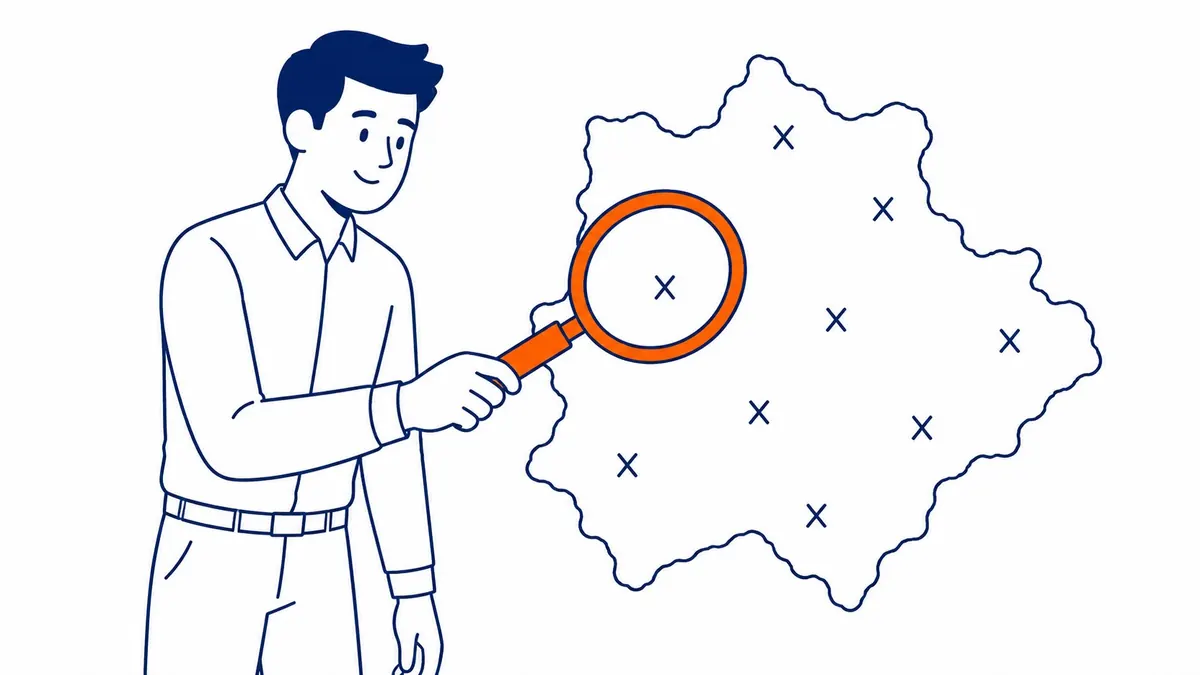
Because the charge follows the click, the biggest controls an advertiser has are decided before any click happens. In a keyword-based Search campaign, keywords and match types decide which searches can trigger the ad, negative keywords stop it from showing for searches the advertiser has marked as irrelevant, and location and schedule settings shape where and when it can appear. Reading the search terms report every few weeks shows which real searches led to paid clicks, and it is usually where wasted spend first becomes visible.
Other things PPC stands for
PPC has a long list of meanings outside advertising, as a look at Abbreviations.com shows, so context matters. In Canadian news and politics, PPC almost always means the People’s Party of Canada. In business it can mean production planning and control, and in older computing it referred to the Pocket PC handheld. Education has its own uses of the letters as well, which are covered separately in the page on what PPC means in schools. When the letters appear next to words like ads, campaign, Google or budget, they mean pay-per-click.
PPC and SEO
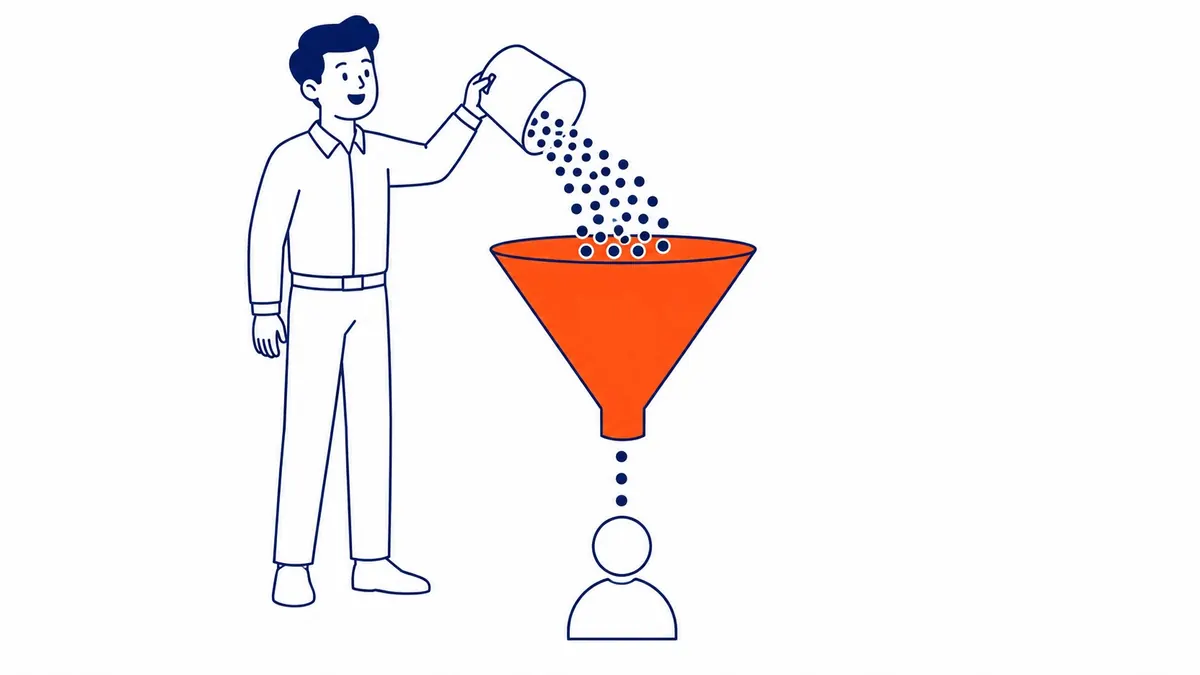
PPC is often compared with search engine optimization because both aim at the same search results page, although they work in very different ways. With PPC you pay for each click and the ads can start showing once they pass Google’s review, while SEO earns unpaid listings that usually take sustained work to build and cost nothing per click once they rank. Ads stop showing when the campaign is paused or the account is no longer funded, whereas organic listings are not tied to an ad budget at all. They come with no ranking guarantee, though, and Google says some changes take effect in a few hours while others could take several months. The page on how ranking differs between PPC and SEO goes through those differences in detail, and many businesses use the two together, with ads covering the searches that organic pages do not yet reach.

SEO Company To-The-TOP! has worked in search from Calgary since 2007, as a solo practice that is Google Ads certified, and it serves businesses across Alberta and British Columbia. If you are deciding whether pay-per-click suits your business, the page on Google Ads management explains how the work is set up, or you can call (403) 308-5949 to talk it through.
Contact Calgary SEO Company To-The-TOP!
Questions about anything in this article, or about your own rankings? Talk to a Calgary SEO specialist directly.
Phone: (403) 308-5949
Address: 1509 14 Ave SW, Calgary, AB T3C 0W4
Hours:
Monday to Friday: 10:00 am – 7:00 pm
Saturday: 12:00 pm – 4:00 pm
Sunday: closed