
How Are Google Ads Charged?
The most common billing question new clients bring: “There is a charge on my card I did not expect.” Nine times out of ten, it is the billing threshold doing exactly what it is supposed to. Understanding the system before launch avoids a lot of confusion.
Google Ads runs on a pay-per-click model. Someone searches. Clicks your ad. That click costs money. The impression, your ad appearing without a click, costs nothing. Your advertising costs only grow when someone actually engages.
The Pay-Per-Click Baseline
Clicks cost money. Impressions do not.
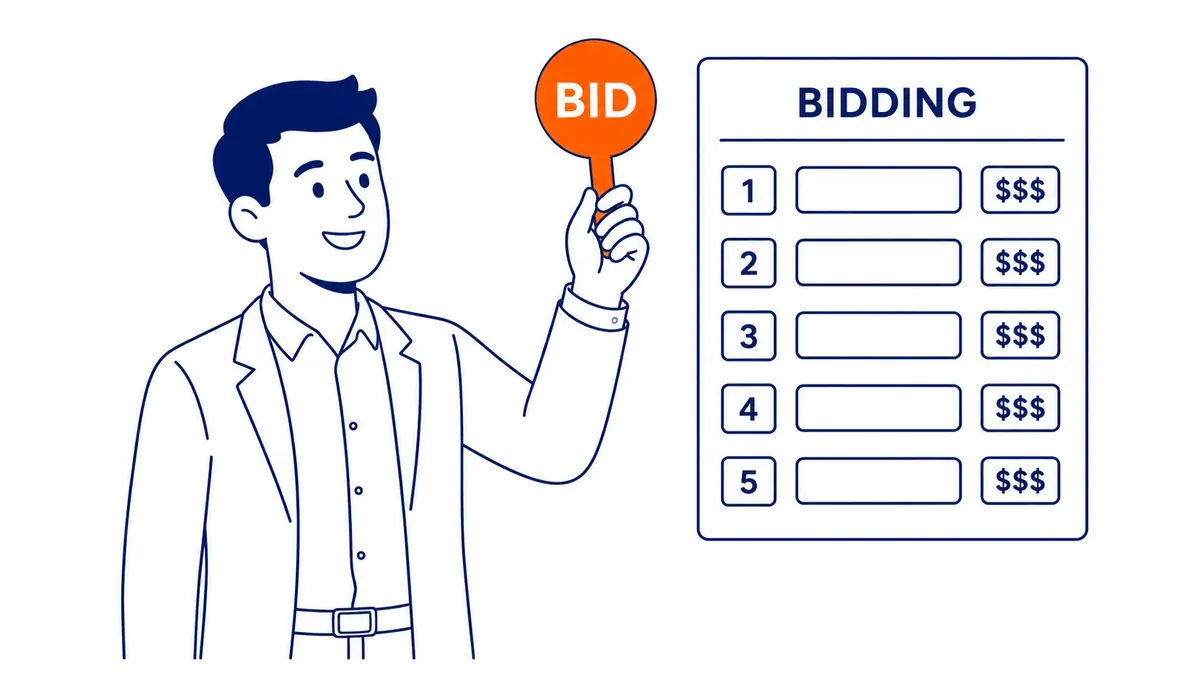
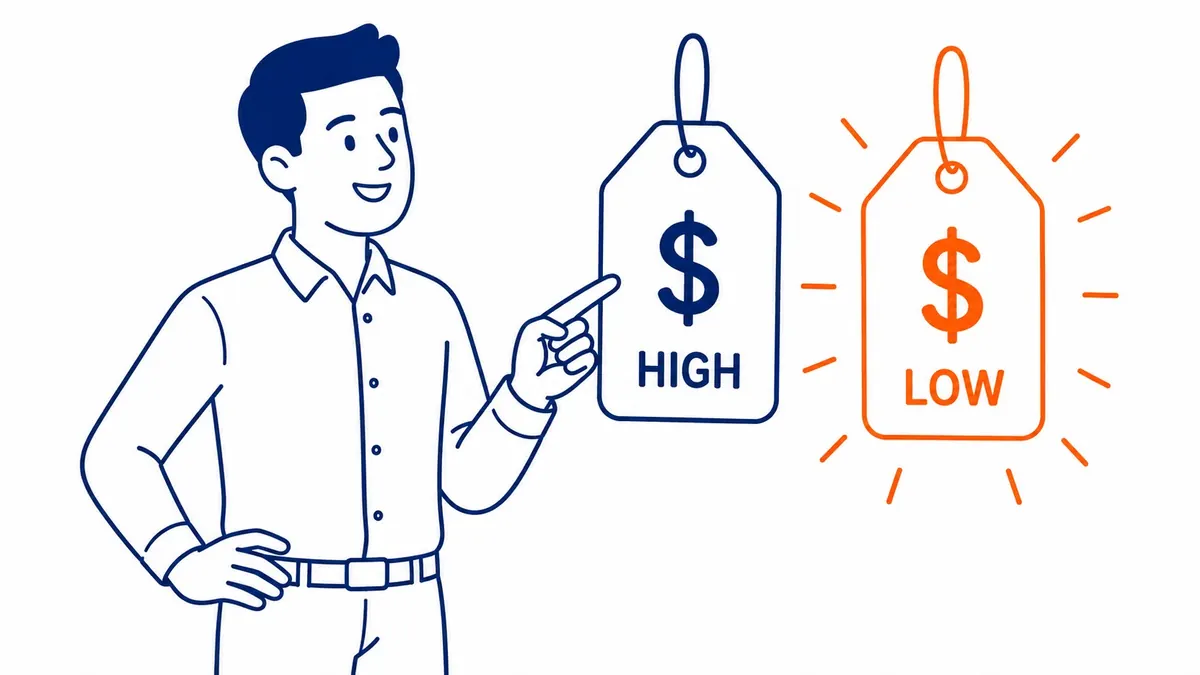
Advertisers pay only when someone clicks. Each click accrues as a cost in your Google Ads account. How much per click depends on your bid and your Quality Score. Quality Score (1 to 10) multiplies against the bid. Three factors go into it: keyword-to-ad match, landing page fit, and historical click-through rate. With a strong Quality Score, you pay less per click. Highest bid does not automatically win, however. That is what makes solid competitor keyword research worth doing before any campaign launches. Quality Score builds from history, and that history sets the timeline for Google Ads results.
Two Ways Google Bills Your Account
Worth knowing before the statements arrive.
Automatic payments
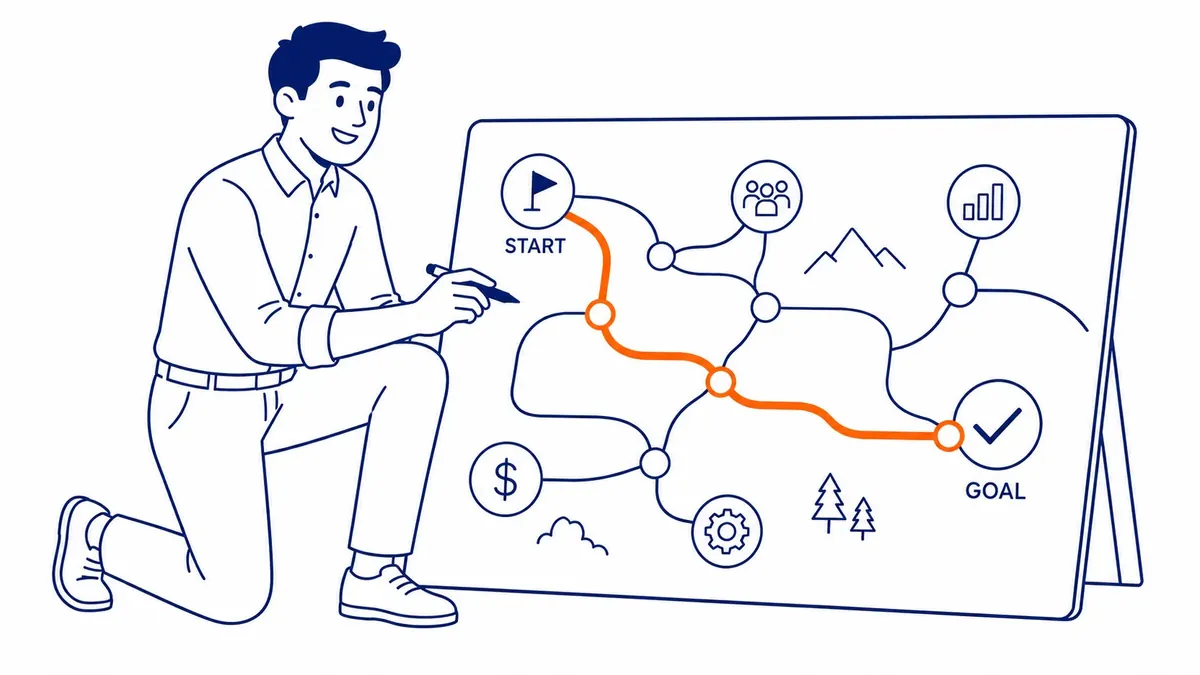
Most advertisers default to automatic payments. Google charges your payment method at two trigger points. One: your costs hit your billing threshold. Two: the end of your billing cycle. Whichever comes first. Card on file, charged as you spend. Automatic payments is the default for most Canadian accounts.
Monthly invoicing
Monthly invoicing is also available to qualifying accounts. Google then sends an invoice at month end covering that month’s advertising costs. Not every account qualifies. Higher-spend advertisers or businesses with a longer credit history tend to get access first. Worth pairing with the answer on Google Ads spend before you set a threshold. Billing is one slice of advertiser control in Google Ads; targeting and bidding are the rest.
How the Billing Threshold Works
Most advertisers are surprised by this one.
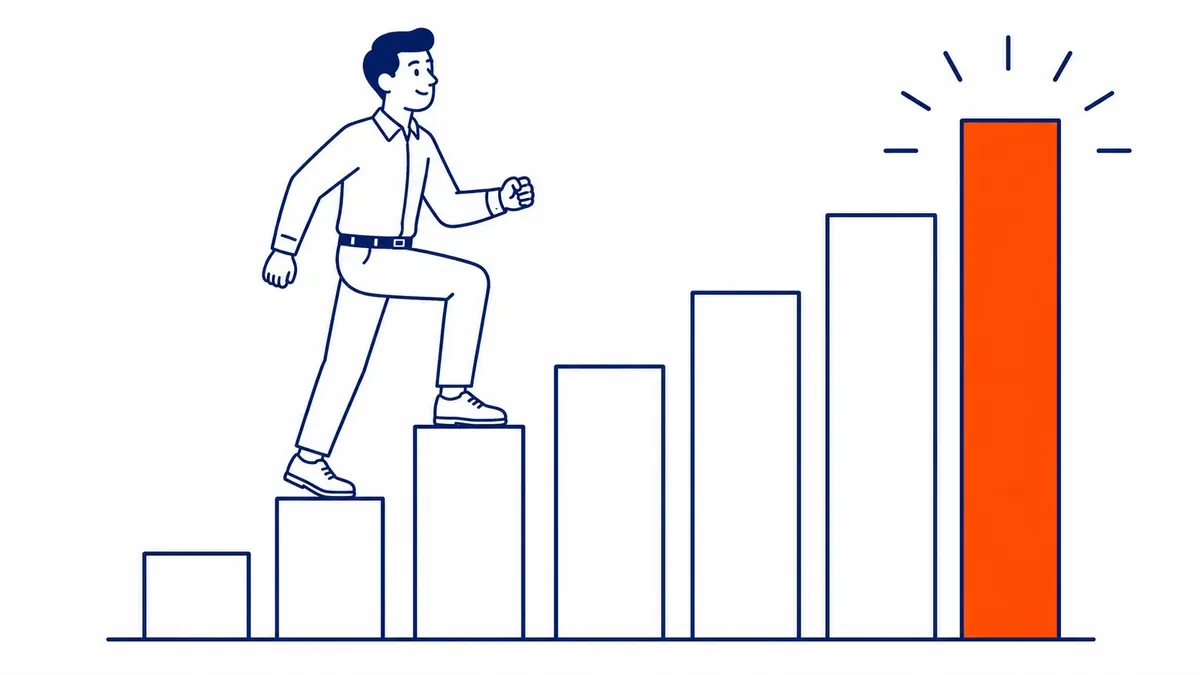
Your billing threshold is the spend amount that triggers a mid-month charge. New accounts start at $50. Once you hit $50 in clicks, your card gets charged. Good payment history still moves your threshold up. $200 next. Then $350. Five hundred after that. Fewer charges per month as the threshold rises. Once it reaches $500, most accounts see at most one mid-cycle charge plus the end-of-month balance sweep.
That $500 charge on someone’s statement? Usually this threshold hitting for the first time on a new account running a busy campaign. Not a billing error. Those earlier charges at $50, at $200, at $350: all the same system, same trigger.
Daily Budget and Monthly Caps
Your daily budget is not a daily hard cap.
Set a $50 daily budget. Google can spend up to $100 on a strong traffic day. Over the course of the month, though, your total charges will not exceed your daily budget multiplied by 30.4. Google calls this your monthly spend limit. Strong days still balance against slow ones. Exceed the monthly cap and over-delivery credits come back to your account automatically.

What Triggers an Unexpected Charge
Three patterns repeat across every account we manage.
Your billing threshold jumps from $200 to $500 mid-campaign. A burst of clicks on a competitive keyword exhausts your daily budget twice in one day. Or your billing cycle resets the same week a threshold charge already posted. None of these, however, are errors. All three are normal billing process. The charge on your bank statement typically shows as Google Ads, sometimes with a country code depending on the bank.
Check your billing history inside your Google Ads account. Every charge is itemised there, with the click dates and amounts that triggered it.

Frequently Asked Questions
Is $20 a day good for Google Ads?
Depends entirely on the industry and the keywords. In some of the service categories we meet doing SEO in Calgary, $20 a day generates real traffic. Cleaning or landscaping at lower competition levels, for example. In competitive verticals like legal or financial services, $20 a day covers a handful of clicks at best. Your daily budget is still a ceiling, not a guarantee of results. The keyword selection ultimately determines what that money actually buys.
Why did Google Ads charge me $500?
Most likely your payment threshold just reached $500. Earlier charges posted at $50 first. Then $200. Three-fifty after that. The $500 charge is not a billing error. This is your billing threshold doing its job as your account matures. Check your billing history in your Google Ads account. Every click that triggered the charge will be listed there with the exact date.
Is $10 a day enough for Google Ads?
For some businesses, yes. Particularly low-competition local keywords in smaller markets. $10 a day across a full month gives roughly $304 in monthly ad spend. Workable for certain niches. Paid search in a competitive urban market, however, typically needs more budget to produce consistent leads, and the same goes for the local SEO services Calgary businesses invest in. Start where your budget allows. Measure results. Scale from there.
Can you change your Google Ads payment method?
Payment method changes go through billing settings inside your account. Credit card or debit card works for most accounts. Bank transfer is also available depending on your country. Changes, however, take effect at the next billing event.
Billing process, payment threshold, reading a Google Ads statement: these come up in nearly every new client conversation. To-The-TOP! has been running Calgary SEO campaigns since 2007, and you can have us manage your Google Ads as well. Questions about your billing process or what a charge covers: worth asking before scaling your budget.
Contact Calgary SEO Company To-The-TOP!
Questions about anything in this article, or about your own rankings? Talk to a Calgary SEO specialist directly.
Phone: (403) 308-5949
Address: 1509 14 Ave SW, Calgary, AB T3C 0W4
Hours:
Monday to Friday: 10:00 am – 7:00 pm
Saturday: 12:00 pm – 4:00 pm
Sunday: closed