
What Is a Keyword Ranking?
We pull keyword rankings for every client at the end of each month. The number tells us whether the work is moving anything. Serious organic traffic lives at position 3 and above. Drop to position 14 and almost nothing clicks through. Organic positions are what our SEO Calgary work targets. Paid results at the top are different. Those come from Google Ads management services.
Understanding how that number gets assigned, and what moves it, is the whole game.
The Number in the SERP
Simpler than it sounds.
A keyword ranking is the position your page holds in Google’s organic search results for a specific search query. Position 1 sits at the top. The SERP is the list that comes back after someone searches. Each organic result below the ads gets a numbered position.

Position 1 through 3 pull most of the clicks. Roughly half of all clicks on any given query. Position 4 through 10 still drive some traffic, though far less. Page two gets almost nothing. Most searchers never scroll there.
Any page that earns organic position 1 through 5 for a query with real search volume will see traffic. A page at position 30 will not. The relationship between position and traffic is not linear. It drops off steeply near the top. Positions move constantly, which is the whole argument for ongoing SEO monitoring. Layout changes have moved those numbers before, with right side ads explained as one case.
Why Rankings Shift
Google does not hold positions fixed.
Rankings move constantly. Google re-evaluates which pages best answer each search query. Content quality feeds into it. Backlinks to your page feed into it. Site authority and page speed feed into it as well. So does what your competitors are doing.
A competing site that earns several strong backlinks this month can jump past your page next month. No change on your end needed. That is why tracking positions weekly or monthly matters.

Seasonal search behaviour shifts rankings too. Some queries peak in January. Others peak in June. A position snapshot in the wrong month gives a misleading read on how a keyword is actually performing. Look at the trend over three months, not a single week.
Algorithm updates also move things. Google runs thousands of updates per year, most small, some significant. A broad core update can shift rankings across many queries at once, sometimes dramatically.
How to Check Your Keyword Rankings
Free option first, then paid.
Google Search Console shows which queries your site earns impressions and clicks for. Average position data sits in the Performance tab. Pull it weekly. Data comes directly from Google’s index.
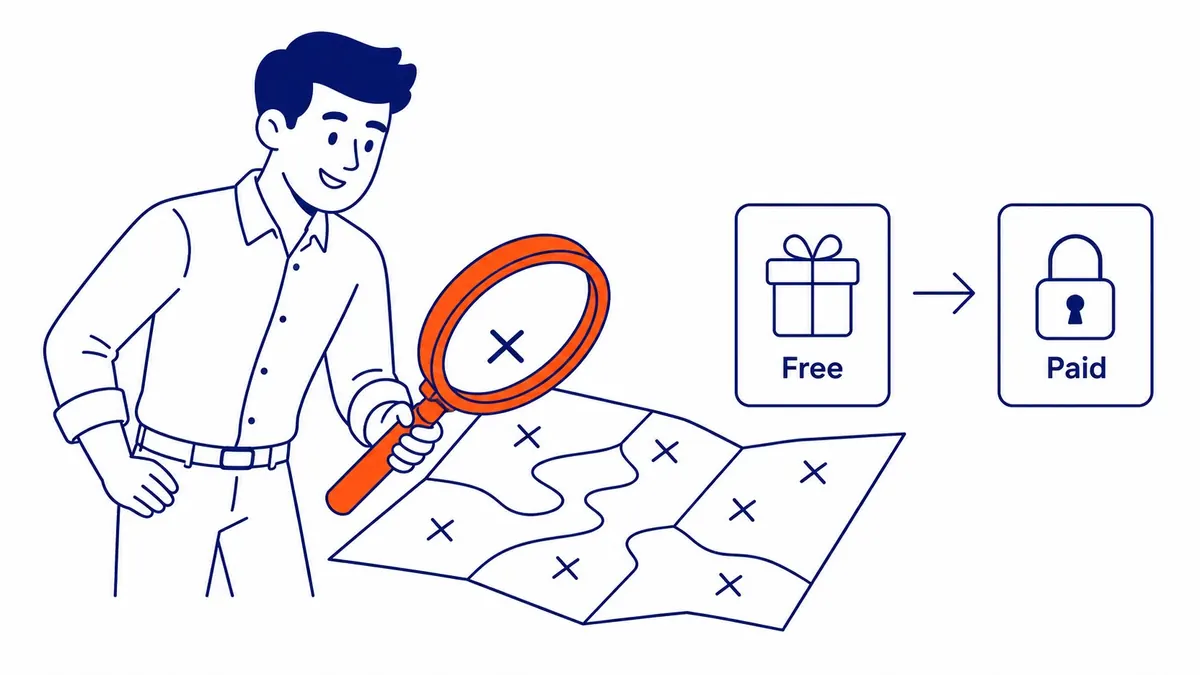
SEMrush and Ahrefs both track rankings over time. Enter a domain and a location. Both tools return current positions and historical position data. You can also see where your competitors rank for the same keywords. That comparison is often more useful than watching your own positions in isolation.
Manual checks still have a place. Search the query in a private browser with your VPN off. Note the result. Good for a quick spot-check; not reliable for trend data, however.
What Moves Rankings Up
Content quality comes first.
A page has to cover its topic well before it competes. Thin content with minimal depth rarely ranks for anything competitive. Google needs enough signal from the page itself to match a search query accurately.
Backlinks matter next. A link from a credible, relevant site signals that other sources consider your page worth referencing. One solid link from a well-established site carries more weight than 20 directory listings. Building those links takes time. There is no shortcut that holds up.
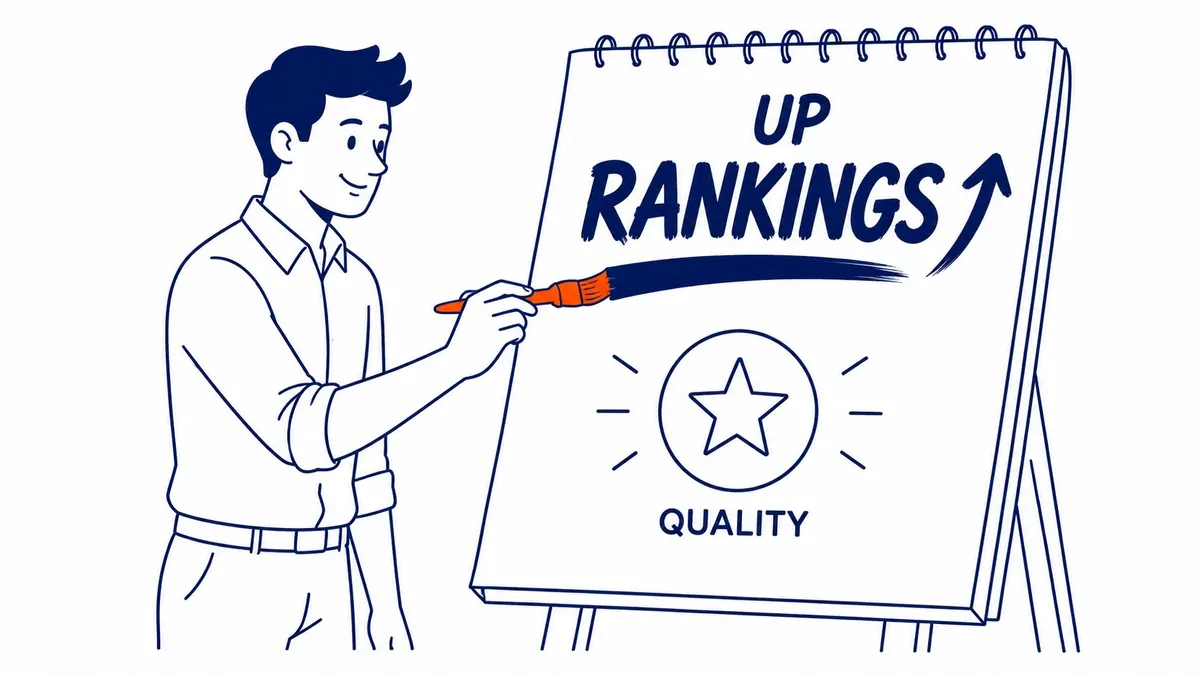
Page speed matters. Mobile performance matters. Clean crawlability matters. A technically broken site has a ceiling regardless of content quality. Fix the technical issues before expecting rankings to move.
Behind all of this sits our keyword research. Targeting terms with real search volume and manageable competition determines whether the SEO work is worth doing at all. To-The-TOP! has been mapping this for Calgary businesses since 2007. Which terms have volume. Whether competition is actually beatable. That analysis comes before the first piece of content gets written. Start by checking your existing keyword positions, since that list shapes everything after it.
Tracking Rankings Over Time
One data point is nearly worthless.
Rankings fluctuate, sometimes week to week. What matters is the direction over three months. Up, down, or flat.
Set up monthly reporting. Connect keyword positions to actual traffic and clicks. A page that climbs from position 9 to position 4 will see traffic follow. Usually within a few weeks. A page that drops warrants attention before it falls off page one entirely.

Tracking your competitors’ keyword rankings alongside your own is also useful. Look at which queries they rank for that you do not. How many of their pages are climbing while yours holds steady? That gap points directly to the next content effort.
Visibility in the SERPs is a function of ranking across many keywords, not just one. Every client gets monthly ranking reports as part of our SEO services. Positions connected to traffic and clicks. Worth asking about if you have never seen what your site actually ranks for.
Frequently Asked Questions
What does keyword ranking mean?
The position your page holds in Google’s organic search results for a specific query. Position 1 is the top organic result. Rankings shift as Google updates its index. Competing pages change. Your own site changes. Monthly tracking is the minimum cadence for an active SEO program.
How do I get keyword rankings?
Consistent SEO work over time. Relevant, well-researched content built around real search queries. Backlinks from credible sources. A technically sound site that Google can crawl without issues. Competitive keywords typically take three to six months before meaningful position movement appears. Less competitive terms can move faster, sometimes in weeks.
What are the 4 types of keywords?
Short-tail, long-tail, local, and branded. Broad terms with heavy competition describe the short-tail category. Long-tail keywords are more specific. Lower volume. Generally easier to rank for. Local keywords carry a city name or geographic signal. “SEO company Calgary” is one example. Branded keywords include your business name or products you sell.
Contact Calgary SEO Company To-The-TOP!
Questions about anything in this article, or about your own rankings? Talk to a Calgary SEO specialist directly.
Phone: (403) 308-5949
Address: 1509 14 Ave SW, Calgary, AB T3C 0W4
Hours:
Monday to Friday: 10:00 am – 7:00 pm
Saturday: 12:00 pm – 4:00 pm
Sunday: closed