
What Is Google Ad Manager? A Straight Answer for Confused Business Owners
Google Ad Manager is Google’s platform for publishers. Not advertisers. That single mix-up trips up more callers than any other Google Ads confusion SEO Company To-The-TOP! fields. It usually costs someone a wasted afternoon before the question reaches us.
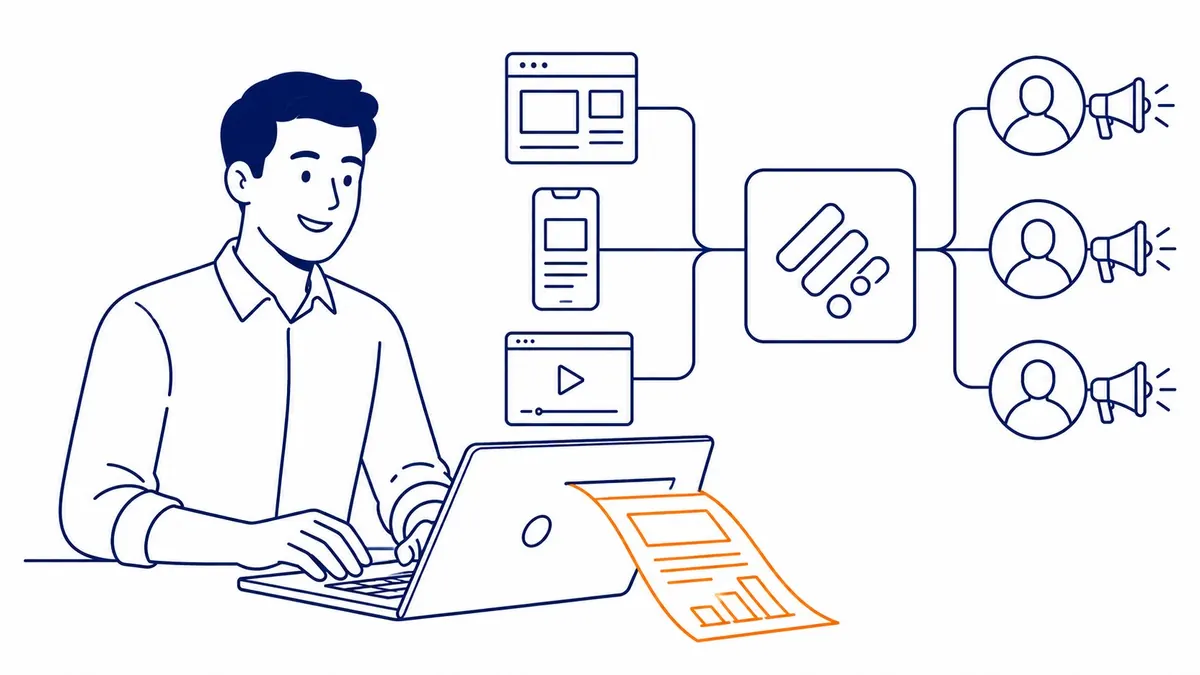
Websites and apps selling their own ad space run on it. Google Ad Manager decides which ads show. It tracks the revenue too, and manages the auction behind the scenes. A completely different tool than the one most people mean when they say “Google Ads.”

What Google Ad Manager Actually Does
Publishers use it. Sites and apps that sell space to advertisers run Google Ad Manager to manage that inventory. Ad slots on a news site. Banner space inside a mobile app. A video pre-roll before content loads. Google Ad Manager decides which advertiser wins each impression, in real time, weighing price against targeting.
Formerly two separate products, folded into one. DoubleClick for Publishers handled the ad serving. Its counterpart, DoubleClick Ad Exchange, ran the live auction connecting publishers to advertisers. Google merged both under the Ad Manager name in 2018.
Each impression triggers a fresh auction. Milliseconds, that’s the whole window, before the page even finishes loading for the visitor. Multiple advertisers bid for that one slot in that gap. That auction runs inside Google Ad Manager, and the winning ad gets handed to the page automatically. The publisher never negotiates a single deal by hand. Advertisers see the other end of that auction, which is the short version of Google PPC.
Google Ad Manager vs Google Ads: The Confusion Point
Buying traffic, that’s the advertiser side, done through Google Ads. Selling space is the publisher side, done through Google Ad Manager instead. Same company, same auction infrastructure underneath, but opposite sides of the same transaction.
A business running search ads for “plumber Calgary” uses Google Ads. Selling banner space on a blog or news site calls for Google Ad Manager instead. Sometimes stacked alongside Google Ads results, sometimes not. Mixing the two up during a sales call happens constantly, since the names sound so close.
Which one do I actually need? That question comes up on almost every call. Nearly always, a business trying to reach customers needs Google Ads. After that, the useful question is where Google puts its ads once you start paying.

Who Actually Uses Google Ad Manager
News outlets run on it. Content sites carrying real traffic volume do too. App developers selling in-app ad space round out the list, plus anyone else monetizing an audience through ads sold to other advertisers.
A small business website selling a product or service has no real use for it. There’s no inventory to sell there. The site exists to convert visitors, not monetize impressions bought by other companies.
Local service businesses around Calgary almost never touch Google Ad Manager. Occasionally a client with a high-traffic blog attached to their business asks about it. Ad revenue from a blog audience is a legitimate strategy on its own. Just not the same strategy as ranking a service page or running search ads through Calgary SEO work.
Volume matters more than most people expect going in. Google’s own guidance points toward meaningful traffic before the setup pays off. A few hundred visits a month rarely generates enough impressions to justify the work. Below that threshold, the auction machinery sits mostly idle.

What Google Ad Manager Replaced
DoubleClick for Publishers launched back in the early ad-serving era, before programmatic auctions existed in their current form. DoubleClick Ad Exchange came later, adding a live marketplace where publishers could auction inventory to multiple advertisers at once.
2008 is when Google acquired DoubleClick. Both products merged fully into Google Ad Manager only by 2018. The old DFP and AdX names still turn up in documentation and old forum threads.

Is Google Ad Manager Free?
Small and mid-sized publishers use Google Ad Manager at no cost. Google Ad Manager 360 is the enterprise tier. It adds premium support and deeper reporting for a fee, built for large-scale publishers managing serious ad revenue.
Free access covers most independent sites and smaller apps without issue. The real cost sits inside the ad transactions themselves, not a subscription. Google takes a cut of whatever runs through the exchange.
Setup takes longer than the free price tag suggests. Ad units need configuring. Targeting rules too, and inventory forecasting, before revenue starts flowing at all. The other confusion worth clearing up is Google Ad Manager as a DSP, a label that only half fits.

Do You Need Google Ad Manager, or Something Else?
Selling ad space on your own site or app calls for this tool, yes. Running ads to bring in customers does not. That second case covers nearly every business that calls asking about “setting up Google ads.”
A Google Ads management team handles the advertiser side. Campaigns, keywords, budget, the traffic that actually brings customers in. Google Ad Manager sits on the opposite end of that transaction entirely. Built for the business selling the ad space, not buying it.
Most of this confusion clears up in one sentence. Publishers use Ad Manager. Advertisers use Google Ads. Worth confirming which side of that line a business actually sits on before anyone signs up for either one. Details on both live on the To-The-TOP! SEO blog, alongside the rest of the paid and organic mix.
Frequently Asked Questions
What does Google Ad Manager do?
Managing ad inventory for publishers, that’s the job. It decides which advertiser’s ad shows in which slot, then tracks the resulting revenue. Built for sites and apps selling space, not businesses buying traffic.
What’s the difference between Google Ads and Google Ad Manager?
Advertisers buying traffic land on Google Ads. Publishers selling ad space use Google Ad Manager instead. Same underlying auction system, still opposite ends of the deal.
Do you need a Google Ads Manager?
Most businesses need Google Ads, not Google Ad Manager. A website selling products or services wants Google Ads management. Ad Manager only matters once a site has its own ad inventory to sell.
Is Google Ad Manager free?
Yes, for small and mid-sized publishers. Google takes a share of ad transaction revenue rather than charging a subscription. The enterprise tier, Google Ad Manager 360, adds paid support for larger publishers.
Contact Calgary SEO Company To-The-TOP!
Questions about anything in this article, or about your own rankings? Talk to a Calgary SEO specialist directly.
Phone: (403) 308-5949
Address: 1509 14 Ave SW, Calgary, AB T3C 0W4
Hours:
Monday to Friday: 10:00 am – 7:00 pm
Saturday: 12:00 pm – 4:00 pm
Sunday: closed