
What Is a Keyword Theme in Google Ads?
A keyword theme is a short phrase you hand Google to say roughly what your business sells. Google then works out which searches fall under it. You add no keywords. Instead you name a subject, and the matching happens somewhere else.
That is the definition. Three sentences.
What This Page Leaves Alone

Whether the simplified campaign mode is worth using gets answered elsewhere, bluntly. So does the walkthrough of every campaign type. How many keywords belong in an ad group. What match types do. Why a bloated keyword list drains a budget. All covered properly, none of it repeated here.
What gets asked far less often is what kind of object a keyword theme is. Content tools raise a similar trust question, and small SEO tools plagiarism checker reliable results get debated just as often. Terminology shifts get asked about constantly too, and an introduction to AdWords keywords clears up most of the confusion. List size raises its own question too, and the working detail on many AdWords keywords to run gets covered separately.
A Keyword Theme Is Never One of the Things
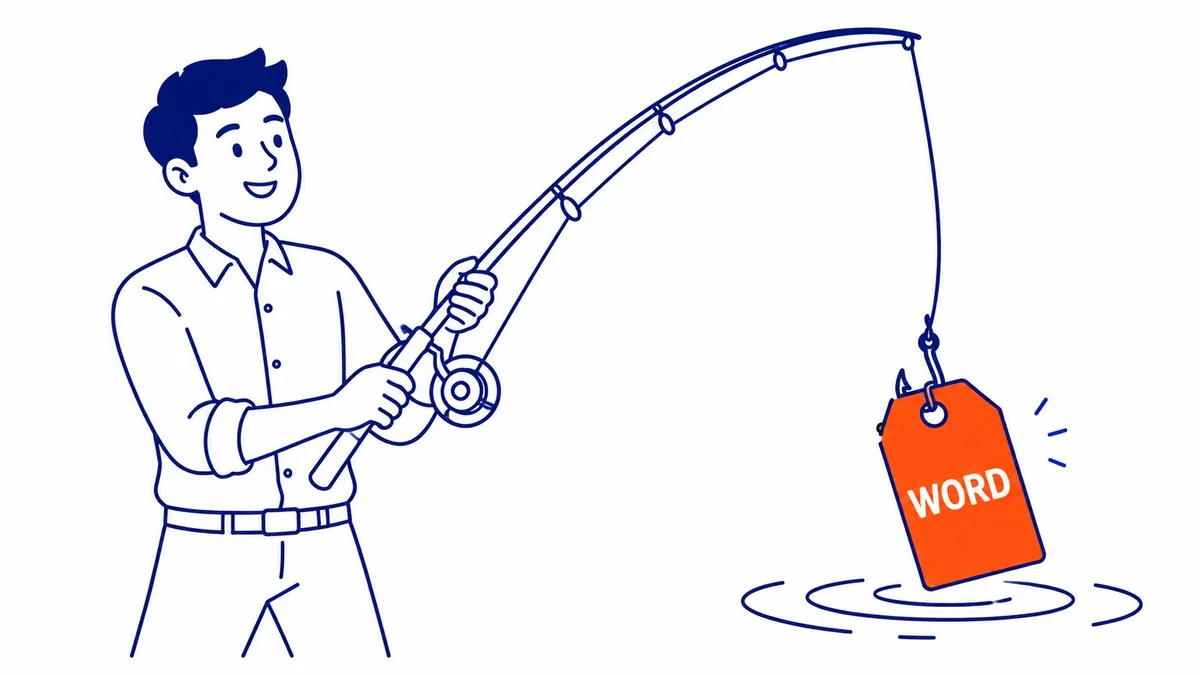
Read the word on its own. A theme is what several things have in common. Never one of them.
Think how the word behaves elsewhere. A theme runs through a set of songs. Somebody notices a theme in a report. Each time it is the thing the parts share, and nothing sits beside them to point at.
Now put that word beside a keyword. A keyword is one string. Somebody typed it. It sits in your account, readable exactly as it went in.
Your keyword theme is nothing of the kind. It names what a group of searches have in common. Which leaves one question, and it is the whole page. Who decided which searches were in the group?
Not you. You supplied the phrase. The rest arrived from elsewhere.
The Words You Typed Never Enter the Auction
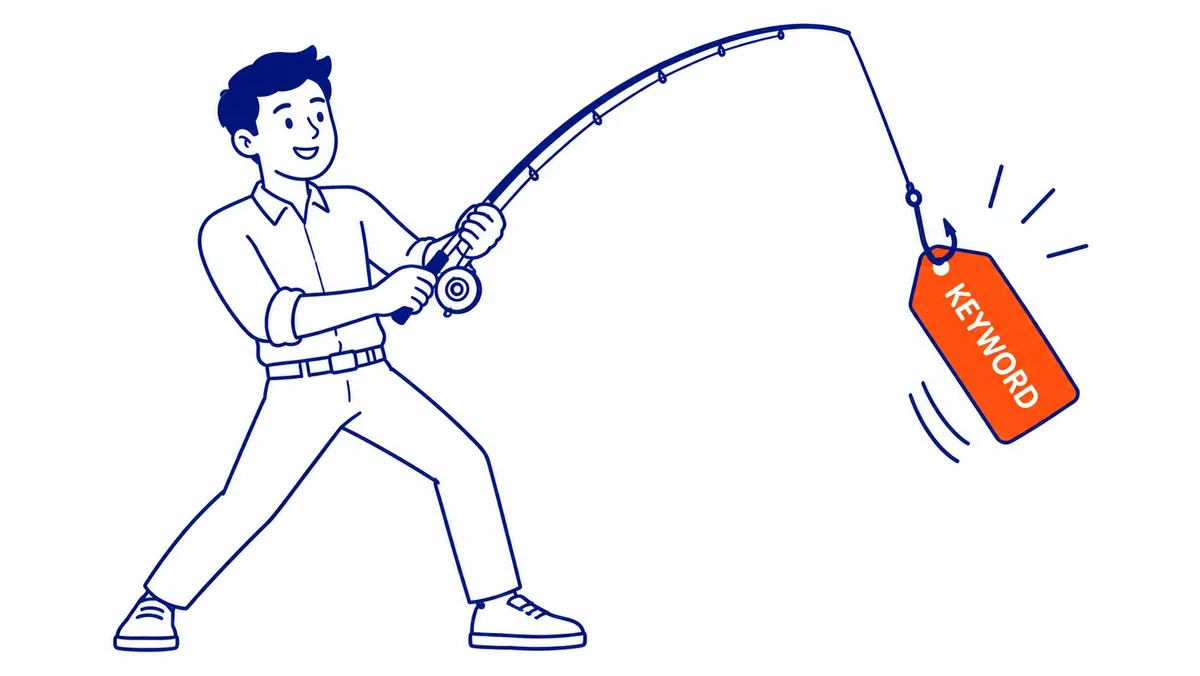
Here is the part that catches people out.
Type emergency plumbing in as a keyword theme. Somebody in your city searches at eleven at night. An auction runs. Your ad appears. Now go looking for your phrase in that transaction. Nobody typed it. The searcher typed something of their own. Your phrase was why those two got connected, rather than one of the two. Sometimes a searcher types your exact words. Coincidence, then, rather than participation.
Compare an ordinary keyword. There your string is in the auction. You wrote it. It entered. Whatever it earned or wasted traces back to a word on screen.
So one is a competitor. The other is an instruction about competitors. Two objects, sold under names that sound almost identical.
Somebody Will Say a Keyword Theme Is Just Broad Match

The fair objection comes fast. Broad match also reaches searches you never typed. So what differs?
Look at what a match type is. A keyword arrives carrying one, and picking it is a real decision somebody put in front of you. That argument gets made elsewhere. Here what matters is that the question got asked.
Nothing in a theme carries a width. It names a subject, and a subject has no setting on it to turn. Which is not a broad match keyword at all. Rather it is what a keyword looks like once the adjustable part comes off.
There Is Nothing on a Theme to Correct

Watch what that does the first time something goes wrong.
Say a search comes through that you would never have spent money on. Somebody hunting for a job. Or a homeowner in a town you do not serve. With keywords the repair is ordinary. Find the word that let it through, then take it out. What failed and what you edit are one object.
Try it on a theme. The search was wrong. Meanwhile the theme is still right. Emergency plumbing genuinely is what you sell. True this morning, and true tonight.
So there is nothing on it to fix. Swapping it for a narrower phrase is available, of course. Only that is a different theme rather than a correction, and it holds no opinion about the search that bothered you.
Somebody Will Point at the Negatives
Fair enough. Negatives are available alongside themes, and adding one settles that afternoon’s problem.
Only look at what you just did. To fix a theme, you reached for a keyword. The repair arrived as a different kind of object, since the one you were handed takes none. Which is the argument rather than a hole in it.
What the Keyword Theme Gets Right

None of this makes it a bad object. It is aimed at somebody specific, and aimed well.
Consider what an ordinary keyword asks of a person. First, knowing that strangers do not use your words. Then a match type. A list of things to exclude comes next, plus the habit of reading what came through. Every one of those is a trade learned over years.
A keyword theme asks for one thing. Can you say what you sell?
Nearly everybody can say what they sell. Hardly anybody can say what strangers type. So the theme sits where a business owner with fifteen minutes has something reliable to offer. Nothing about that is cynical. A small true thing, and genuinely yours.
Where the Keyword Theme Argument Stops

Nothing here is a claim about how Google decides what falls under a theme. Nobody outside the company can settle that.
Nor is any of it an argument that themes fail. Plenty of businesses run on them for years. Customers arrive. Nobody ever wants a word taken out. There, the object fits the buyer.
The claim is narrower. You are handed a name for a group, and somebody else fills the group in. Fine, right up until the day you want a say in the filling.
Name One Search You Would Want It to Miss

Take the theme you would enter. Write down five searches you would want it to catch. Then one you would want it to miss.
That last one is the test. Read the theme again and hunt for where it records the exclusion. It does not. Nor can it.
Nothing came to mind for that sixth line? Then the theme fits your business, so go and use it. Something did come to mind? Then you have described an instruction rather than a subject. Instructions are a different product, sold under one roof.
No statistic about other advertisers settles which of those you are. Yours is a line of writing away.
Google Ads Work at To-The-TOP!

That question turns up often enough at SEO Company To-The-TOP!. Often from somebody who set a campaign running in an afternoon and now wants a word excluded. Rarely is the answer about themes. It is about which object the business has outgrown.
To-The-TOP! has been doing this work in Calgary since 2007, and a Google Ads campaign gets built the same way here. Every keyword readable on a screen. Words you chose to exclude. Nothing running on a description nobody at your company can adjust.
The same discipline runs through the search engine optimization side. There the content on a page answers to a person rather than a setting. That choice comes out of keyword research. No guarantees, and no fixed timeline, since three to six months is the plain range organically. The portfolio shows the keywords this work has reached. Exclusions get built the same careful way, and creating a negative keyword list follows that identical process here. Match types get the same treatment, and a walkthrough for changing keyword match type covers exactly how that gets done. The exclusion side of a campaign gets covered too, and a plain guide to negative keywords covers what they actually do.
Common Questions About Keyword Themes
What is a keyword theme in Google Ads?
A short phrase describing something your business sells. Google reads it, then decides which searches belong under it. You name a subject rather than add a word to an auction.
How many keyword themes should a campaign use?
Few enough that each describes something you genuinely want customers for. A theme covering work you would rather not take on does the opposite of its job, whatever the count.
Can I see which searches a keyword theme matched?
Reporting varies by campaign type and has changed more than once over the years. So check what your own account shows rather than trusting an article. What stays true is that the phrase you typed and the searches that ran are different things.
Are keyword themes better than keywords?
Neither is better. They answer different questions. A theme asks what you sell. Meanwhile a keyword asks what somebody types. The second needs more of you.
Do keyword themes affect my SEO?
Not at all. Paid campaigns and organic traffic are separate systems. Nothing typed into an ad account changes where a page ranks.
Contact Calgary SEO Company To-The-TOP!
Questions about anything in this article, or about your own rankings? Talk to a Calgary SEO specialist directly.
Phone: (403) 308-5949
Address: 1509 14 Ave SW, Calgary, AB T3C 0W4
Hours:
Monday to Friday: 10:00 am – 7:00 pm
Saturday: 12:00 pm – 4:00 pm
Sunday: closed