
What Is Meant by Session in SEO?
A session is one visit to your website, counted by your analytics software. That is the definition. The whole difficulty sits inside the word counted.
A visit is something a person does. Meanwhile a session is something a machine decides. Those are not the same event, and the space between them is where most of the confusion about traffic lives.
Your visitor read a page. Got up for coffee. Came back later and read another. To them that was one afternoon. Whether your reports call it one session or two turns on a rule they never saw and would not care about.
So the number labelled sessions is not a headcount. It is a bookkeeping choice. And plenty of business decisions end up leaning on it.
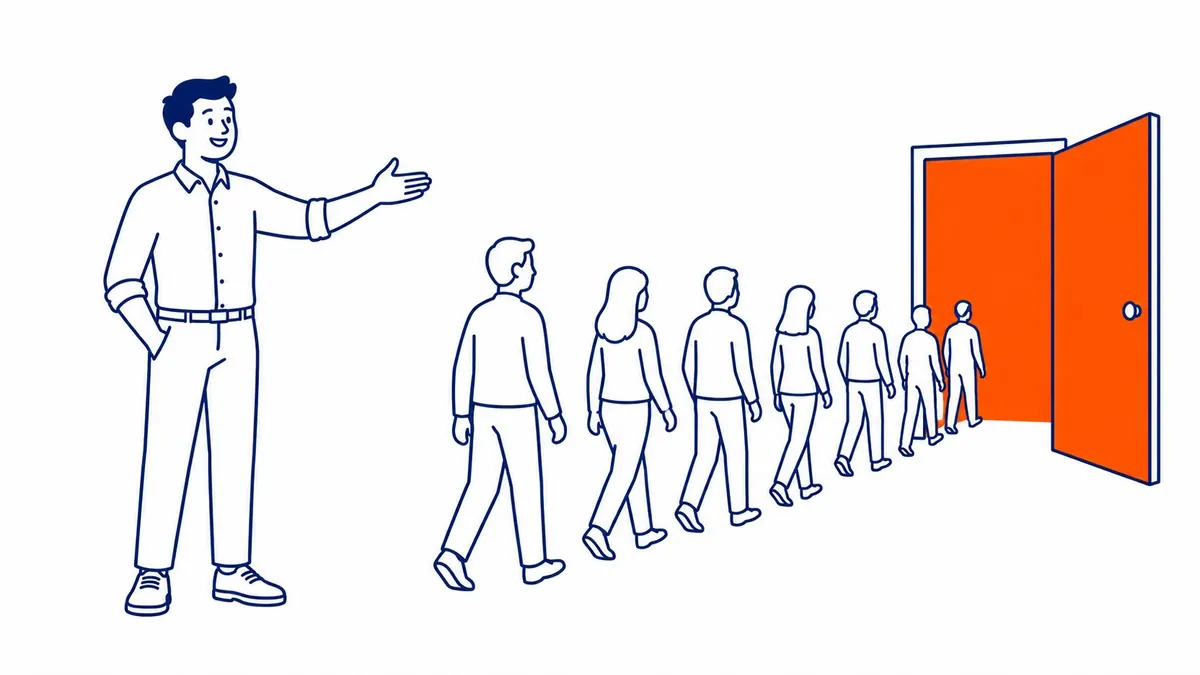
The Porch Light
Picture a porch light that switches itself on when somebody steps under it. It stays lit while there is movement below. Then it clicks off again after a stretch of stillness.
One person can trip that light twice in an evening. Walk up. Collect the mail. Go still on the step reading it, and the light drops dark. Shift your weight a few minutes later and it wakes back up. The porch had one visitor the whole time. Yet the light logged two.
Now run it the other way. Three strangers pass the step, each tripping the light once. It logs three.
Read only the light’s record and both evenings look identical. Three on, three off. That record counts how often the light came on. Never who was standing there.
Your analytics counts sessions the same way. Whether website traffic affects rankings is a separate argument entirely.
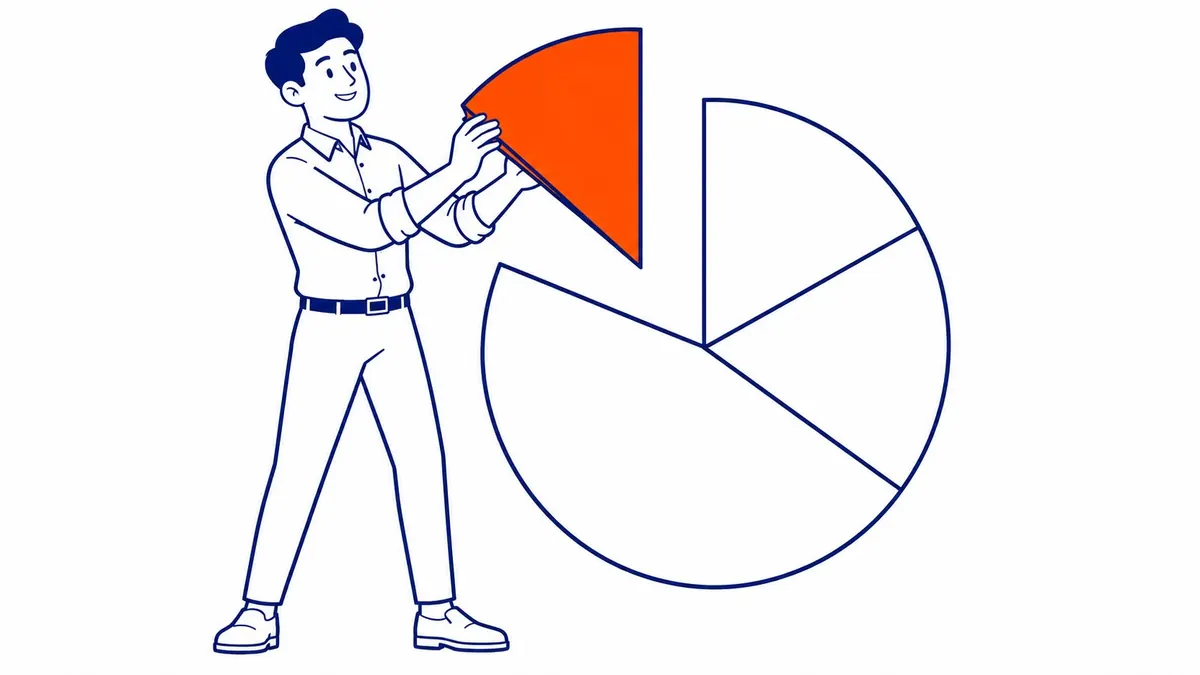
A Session Is a Line, Not a Visit
Every session is a boundary the software drew around a stretch of behaviour. One visitor supplies the behaviour. The software supplies the line.
And the visitor never feels that line. Nobody has ever sensed a session begin, or noticed one end. It happens inside a database, after the fact, by arithmetic printed somewhere in a settings menu.
So hold onto this. A session is not something your visitor did. It is a line drawn around what they did.
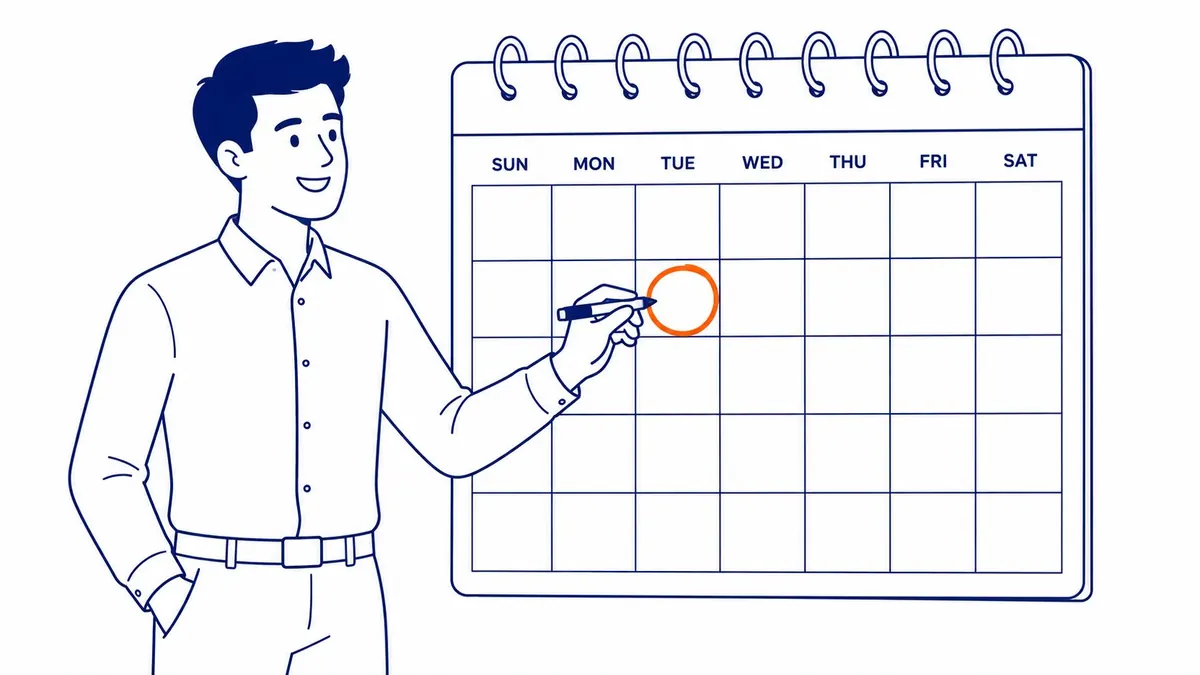
Thirty Minutes of Silence
Here is the rule that draws most of the lines. A session ends when nothing happens for a while. The common setting is thirty minutes of no activity. Then the next click opens a fresh one.
So a visitor idle for twenty-five minutes, then back, is one session. Idle for thirty-one, then back, is two. The person did the same thing both times. Left the tab open, wandered off, returned. Only the clock decided they were now a second visit.
Other things have reset the count too, depending on which tool and which year. A new day rolling over at midnight. Arriving from a different campaign. Those exact rules are published, and they are dull. They have shifted more than once between the old Analytics and the new one. Do not memorize them. Just know that a handful of clock rules, never your visitors, decide where one session stops and the next starts. Which SEO tool you use moves those lines as much as the year does.
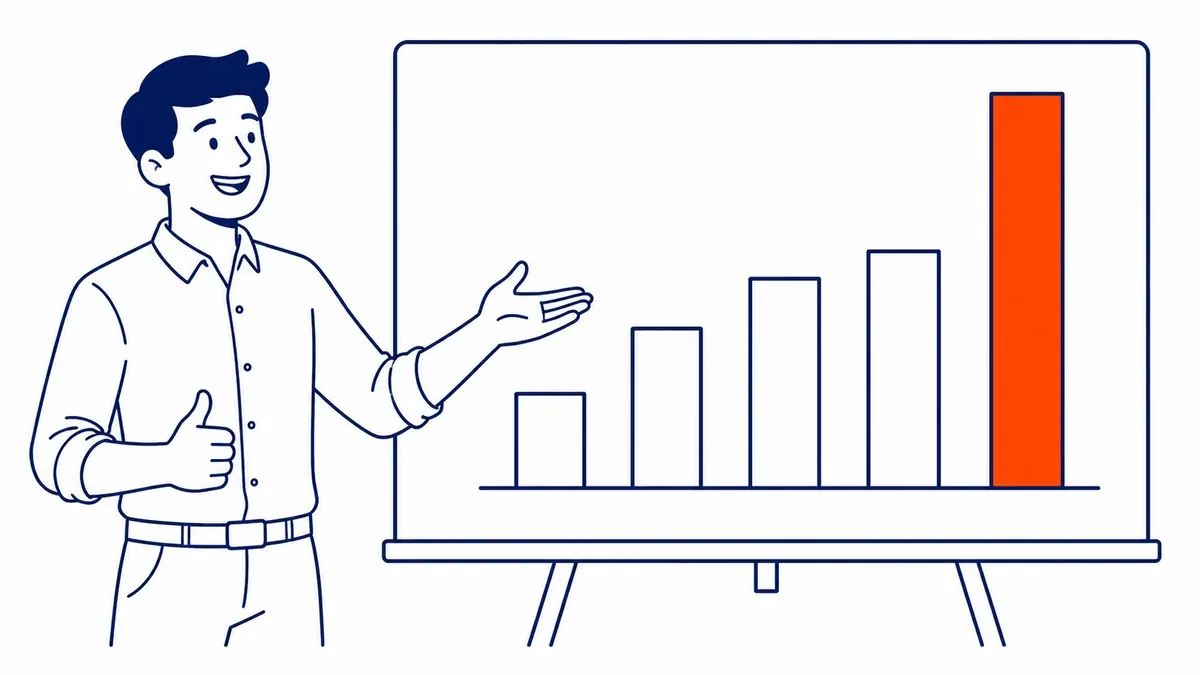
Why the Line Has to Exist
None of this makes the software wrong to draw the line. A visit has to end somewhere. One that never closed would mean nothing at all. You could never set one week beside the next.
Thirty minutes of silence is as fair a place to cut as any. Somebody had to pick a length. They picked one. A boundary is arbitrary the way every boundary is arbitrary, which is not the same as being useless.
And here is where sessions earn their keep. The rule that draws the line stays the same rule every month. So if organic sessions climb forty percent from March to April, that rise is real. The boundary did not move. Only the traffic did. Trend survives the arbitrariness, because you are setting like against like.
That is the number’s real job.

Sessions Are Not People
Where sessions mislead you is the moment you read them as a crowd.
Say sessions doubled last month. It feels like twice as many customers found you. Maybe they did. Or maybe it was one keen reader who kept coming back all week. Perhaps a clock change. Or a report that quietly started counting a channel it used to ignore.
One visitor, back three times, is three sessions. Three strangers, once each, is also three. The report shows the same figure and means opposite things.
This is why sessions and users sit in the same table. Users tries to count the people. Sessions counts the visits. Often the session figure runs well above the user figure, because the same faces came back, not because a fresh crowd arrived. Which of the two you should watch, and for what, is a longer question answered across our other reporting pages.
For now the point is smaller. The count moved. That does not mean the street outside your shop got any busier. A website audit is built to tell real arrivals from bookkeeping, which a raw session count never will.

What We Tell Calgary Clients
SEO Company To-The-TOP! has read these reports for Calgary businesses since 2007. The first thing To-The-TOP! does with a session count is refuse to be impressed by it alone.
A rise in sessions is a question, never an answer. Did more of the right people arrive, or did the same few return more often? Our Calgary SEO work starts by tying traffic to something that actually pays. So a strong month reads as new customers, not a busier chart.
That same caution runs through our Google Ads management, where a session that never buys still charges you for the click. Our SEO portfolio shows the rankings behind the traffic, not the traffic on its own. Phone (403) 308-5949 if you want the reasoning behind any of it. Search work takes three to six months before anything meaningful moves, and we say so before anyone signs.
Sessions counts how many times the light came on. Never how many people came to the door. Google Search Console data counts a third thing again, and it counts it separately.
Common Questions About Sessions in SEO
What is the difference between a session and a user?
A user is the software’s best guess at one person. Each session is one visit by that person. One user can rack up many sessions by coming back, so the session figure almost always runs higher than the user figure.
How long is a session in Google Analytics?
It lasts until roughly thirty minutes pass with no activity, at which point it quietly closes. A new day or a different campaign source can also open a fresh one. The exact settings live in your Analytics account, and they can be changed.
Does a high session count mean good SEO?
Not on its own. A session count tells you how many visits the software drew a line around, never whether those visits were worth having. Pair it with what those visitors did once they arrived.
Is a session the same as a visit?
Close enough for everyday use. Session is simply the word analytics tools use for one visit. They measure it by their own timeout rules, not by anything the visitor consciously starts or stops.
Why do sessions and users show different numbers?
They count different things. Users estimates people. Sessions counts visits. The same people return often. So the session figure climbs above the user figure, and that gap tells you something about loyalty.
Contact Calgary SEO Company To-The-TOP!
Questions about anything in this article, or about your own rankings? Talk to a Calgary SEO specialist directly.
Phone: (403) 308-5949
Address: 1509 14 Ave SW, Calgary, AB T3C 0W4
Hours:
Monday to Friday: 10:00 am – 7:00 pm
Saturday: 12:00 pm – 4:00 pm
Sunday: closed