What Is the Best SEO Software
The question comes up on nearly every first call: what tools are you using, and which one should we be on? That is usually the wrong place to start. Most businesses spend more time evaluating software than actually doing the SEO work, and the gap between a great tool and a decent one matters far less than consistent execution.
That said, the right SEO software does make a difference. There are four categories worth knowing: keyword research tools, technical audit platforms, rank tracking software, and all-in-one suites that combine multiple functions. Each serves a different job, and the best choice depends on what the business actually needs to do right now.

Why Every SEO Stack Starts with Free Tools
Google Search Console is the most valuable SEO tool available. Free. Comes from the source. Shows which queries are generating impressions, which pages are earning clicks, and where crawl issues are appearing. That data answers what keywords do I rank for before any paid tool enters the picture. Most businesses with existing websites have not fully set it up, which means there is already a significant research backlog sitting in a free tool they own.
Google Analytics sits alongside it. Traffic sources, landing page performance, bounce rates, conversion paths: all accessible without spending anything. PageSpeed Insights measures load performance and surfaces optimization opportunities. Rich Results Test checks structured data. This free suite covers enough ground that small businesses could run a solid SEO program for months without a paid subscription. On WordPress, a free plugin handles the on-page side too, and what Yoast SEO is covers that.
The mistake is jumping to a $140/month platform before understanding what the free tools are already showing. Paid tools amplify what you already know how to do. They are not a substitute for understanding search fundamentals. That holds for the answer on SEO AI tools as well.
Keyword Research Tools
Keyword research tools identify what people are searching, how often, and how difficult those terms are to rank for. Google Keyword Planner is the free starting point: search volume ranges, cost-per-click data, and related term suggestions. It is basic, but it covers the fundamentals.
For deeper work, and for competitor keyword research in particular, paid tools deliver substantially more. Ahrefs and Semrush both provide keyword difficulty scores, SERP feature analysis, and competitor keyword gaps: which terms competitors rank for that you do not. Backlink analysis depth tends to favour Ahrefs. Semrush is broader, covering keyword research, rank tracking, and site audits in a single dashboard.
Budget-conscious options include SE Ranking at roughly $65/month and KeySearch at $24/month. Both pull keyword data adequate for most small businesses. Data freshness and database depth are what separates the budget options from Semrush or Ahrefs, not fundamental functionality.
The question worth asking before subscribing to any keyword research platform: are you already using the keyword data you have from Search Console? If not, start there.
Technical SEO Tools
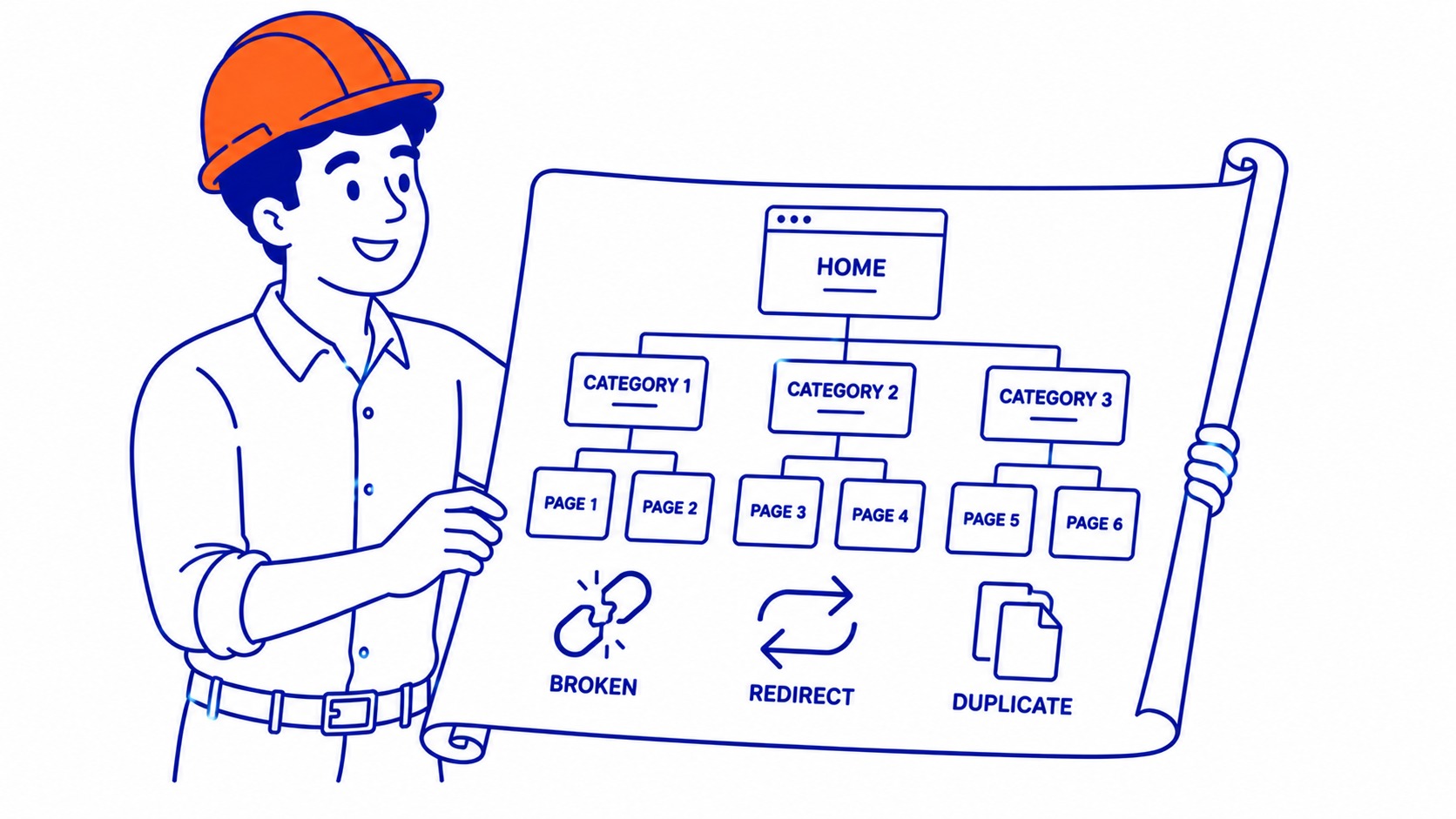
Technical audits catch the site structure problems that prevent Google from properly crawling and indexing pages: broken links, redirect chains, duplicate content, missing meta tags, thin pages, and crawl depth issues. These problems exist on almost every site, and most owners do not know about them until an audit surfaces them. Fixing them is among the highest-return optimization work a site can complete.
Screaming Frog SEO Spider is the standard tool for technical audits. Desktop software. Free up to 500 URLs. It crawls the site the same way Google does and surfaces structural problems with clear diagnostic output. The paid version removes the URL limit and adds integration with Google Analytics and Search Console data.
For businesses wanting a cloud-based option, Semrush’s Site Audit and Ahrefs Site Audit cover the same ground without a desktop install. SE Ranking’s audit function handles most technical needs at a lower price point. For a thorough walkthrough of what a website SEO audit actually covers and how one is conducted, that guide goes through the full process.
Running the audit is one step; knowing which optimization gaps to prioritize is another. That is what how to do an SEO audit covers in detail. Tools surface the data. Judgment determines what gets fixed first. That gap is really the verdict on SEO tools. Monthly reporting is a separate decision, handled by the reporting side of SEO tools.
Rank Tracking Software
Rank tracking tools monitor where specific pages rank for target keywords over time. Position data answers the central question: is the SEO work moving the needle?
Google Search Console provides ranking position data for free, aggregated across queries that are already generating impressions. The limitation is that it only tracks queries where the site is already visible. For tracking specific target keywords or competitor positions, third-party rank tracking software fills the gap.
SE Ranking, Ahrefs, and Semrush all include rank tracking. SE Ranking is particularly strong here, offering accurate local rank tracking useful for businesses targeting specific cities. AccuRanker is a dedicated rank tracker with a strong reputation for data freshness, though it is single-purpose and runs $116/month at the base level.
For most small businesses, the rank tracking inside Semrush or SE Ranking is sufficient. Dedicated rank tracking software makes more sense for agencies managing many client sites or businesses running aggressive multi-keyword campaigns.
All-in-One SEO Tools: When They Make Sense
Semrush and Ahrefs dominate the all-in-one category. Both start around $100-140/month and cover keyword research, backlink analysis, rank tracking, content optimization analysis, and site auditing in one subscription. The appeal is obvious: one login, one monthly cost, enough data to support most professional SEO work.
Real trade-off: neither tool is best-in-class at every function. Screaming Frog does technical audits with more depth than either all-in-one platform. AccuRanker tracks positions with more precision. Dedicated content optimization tools like Clearscope or Surfer add value for content-heavy operations. An all-in-one subscription is a reasonable default, not the ceiling of what is possible.
For businesses already paying for the SEO work we do, the tools question largely answers itself. Most practitioners working at this level already have the subscriptions and know which data matters. Buying Semrush or Ahrefs independently and learning to use them effectively is a real time investment. That is worth acknowledging before signing up.
How to Choose SEO Software for Your Business
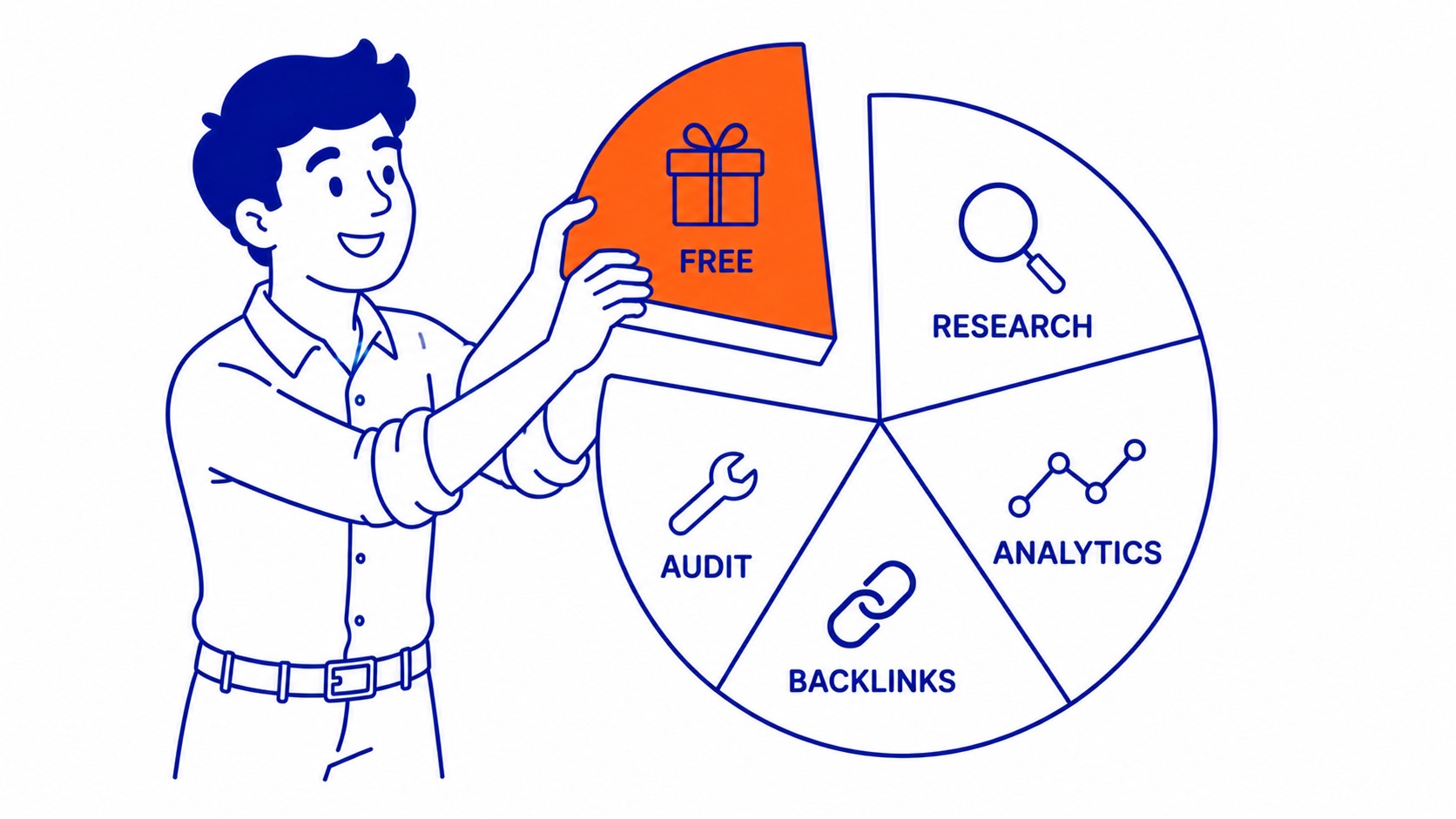
Start with the free stack. Google Search Console, Google Analytics, PageSpeed Insights: set them all up, spend a month learning what the data is showing. If nothing in that data prompts action, a paid tool subscription will not help.
Once the free stack is generating clear questions that need more data, match the tool to the need. Primarily doing keyword research? Ahrefs or SE Ranking. Primarily running technical audits? Screaming Frog. Primarily tracking positions for a local service business? SE Ranking’s local tracking or the rank module inside Semrush.
Budget matters too. A $65/month SE Ranking plan at a Calgary business that uses it consistently will outperform a $199/month Semrush subscription that gets opened twice a year. Tools work in proportion to how much they get used. Whether the reports get run in-house or by an SEO expert Calgary businesses rely on, the ongoing discipline of actually running them matters more than the brand on the subscription.
To-The-TOP! has been doing this work since 2007. If there is a specific tooling question that comes up when evaluating an SEO engagement, that is a reasonable thing to ask before any commitment. Google Ads management is handled separately from organic SEO and runs on its own platform and reporting stack.
Frequently Asked Questions
Which software is best for SEO?
Depends on the use case. Google Search Console is best for traffic and visibility data on your own site: it is free, accurate, and comes directly from Google. For keyword research, backlink analysis, and competitor analysis, Ahrefs and Semrush lead the paid category. Technical audit work: Screaming Frog has no real peer at the price. Most small businesses start with Search Console plus one mid-tier tool like SE Ranking or Semrush, not both premium platforms at once.
Is SEO dead or evolving in 2026?
Evolving. AI Overviews and conversational search have changed the distribution of some SERP features, but the ranking signals behind those results still depend on content quality, technical health, and link authority. The tools that surface those signals are more important than ever. Search behaviour is shifting toward AI-assisted answers, but the underlying content still needs to rank to appear in those answers.
Can ChatGPT do SEO?
Partly. ChatGPT handles content drafting, title generation, meta description writing, and schema markup assistance well. What it cannot do: pull live search volume data, track keyword rankings, crawl your site for technical errors, or access Google’s indexing data. It supplements SEO tools but does not replace them. Businesses getting the most from AI in SEO are using it alongside Search Console and keyword research platforms, not instead of them.
What is the 80/20 rule of SEO?
Roughly 80% of organic traffic comes from 20% of the keywords, and most SEO impact comes from a small subset of actions: fixing the most damaging technical errors, targeting the keywords closest to conversion, and earning links from a handful of authoritative sources. The 80/20 rule argument in SEO is basically a reminder to prioritize the highest-leverage work rather than optimizing every small detail equally. Search Console data surfaces that 20% faster than any paid tool.
Contact Calgary SEO Company To-The-TOP!
Questions about anything in this article, or about your own rankings? Talk to a Calgary SEO specialist directly.
Phone: (403) 308-5949
Address: 1509 14 Ave SW, Calgary, AB T3C 0W4
Hours:
Monday to Friday: 10:00 am – 7:00 pm
Saturday: 12:00 pm – 4:00 pm
Sunday: closed
