
Why Associations Can No Longer Ignore SEO: 6 Reasons
Associations can no longer ignore SEO because the questions that used to reach the office by phone are now typed into Google first, and someone else answers them if the association does not. Six reasons stand out: search has replaced the phone call, your own members compete with you in the results, Google’s guidance rewards the expertise an association already holds, members-only resources are invisible to search, AI answers are built from pages that exist, and events, designations and the member directory all depend on being found. None of these depends on a change to Google’s algorithm. They follow from where an association sits in its own industry, which is why the work looks different from SEO for an ordinary business.
1. The questions moved from the phone to the search box
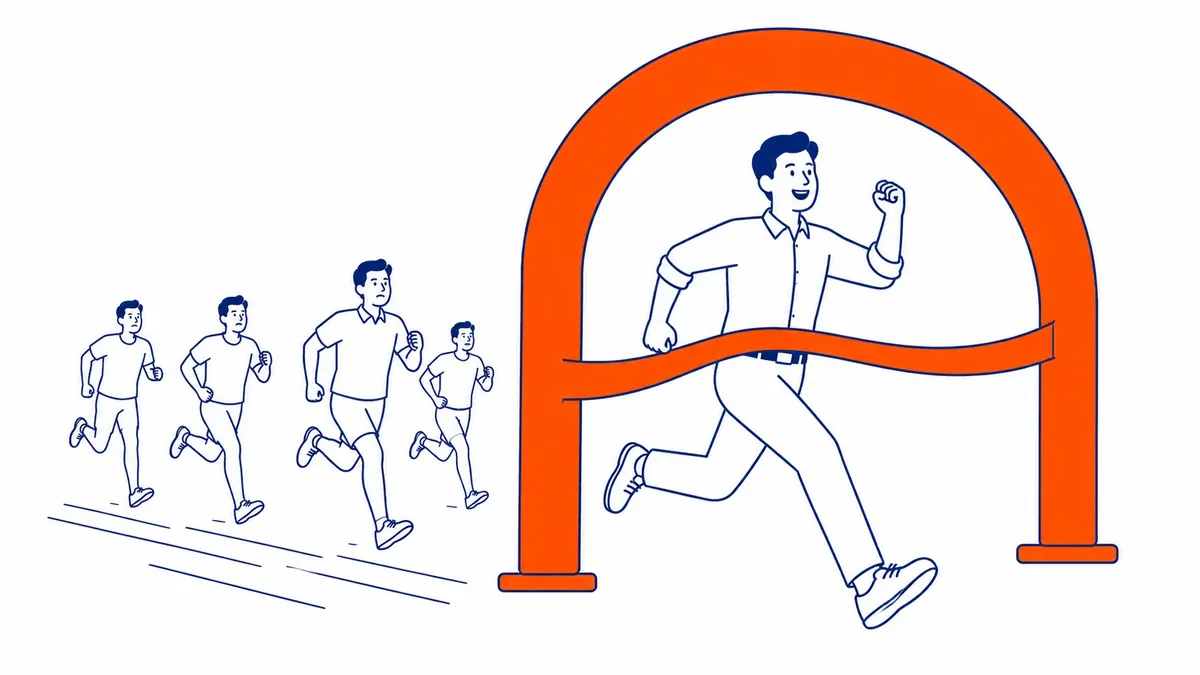
Every association office knows the calls it gets most. What should this job cost, how do I check that a contractor is certified, is this course recognized in Alberta, and what do I need to enter the trade? Those questions have not gone away, but more of them are now typed into a search box before anyone thinks to phone. The answer still gets given, only now it comes from whichever page ranks: a member firm, a national aggregator, a forum thread or an AI summary.
That is the real meaning of “can no longer ignore”. An association that stays out of search has not avoided the conversation; it has handed it to sources that may be less accurate and are rarely neutral. A newcomer to the profession, a homeowner comparing quotes or a reporter writing about the sector will form a view from whatever they find, and that view will often include nothing from the organization that sets the standards.
2. Your members are your search competitors
Consider who publishes about your subject. An association of electrical contractors writes about electrical work, and so does every member firm with a blog. They target the same questions, often in the same words, and a member’s article can easily sit above the association’s page. The arrangement is unusual, because the organization is funded by the businesses standing beside it in the results.
This changes what the work is for. A keyword list borrowed from an ordinary business points at commercial terms such as “electrician Calgary”, and those terms belong to members, so winning one means taking a place a member wanted. What an association can own is the question behind the commercial search: what the work should cost, how to tell whether it was done properly, and when a person does not need it done at all. A member firm can answer all of those, and many do it well, but every answer ends with a company that would like the job.
The association has no stake in which member gets that job. It is not neutral about its industry, since it exists to advance the trade and the trade pays for it, but it is neutral about the choice a searcher is actually making. That narrow neutrality is the one advantage in search that no member can buy, however much it spends on content. It also means the most valuable pages are the slightly awkward ones, because a board made up of members may prefer the association not to publish what the work costs or how to spot poor work.

3. Google rewards the expertise an association already holds
Google’s guidance on helpful content asks publishers to show who created a page, how it was made and why it exists, and it says its systems use a mix of factors to identify people-first content that shows experience, expertise, authoritativeness and trustworthiness, while noting that E-E-A-T is not itself a ranking factor. Associations are unusually well placed here. They write the standards, run the exams, publish the codes of practice and employ people who have answered the same questions for years.
The problem is that this expertise usually lives in PDFs, committee minutes and staff inboxes rather than on pages that answer a question clearly. A practice standard that only appears as a 40-page download does little for someone who searched a specific question about it. Turning that knowledge into plain pages, each with a clear owner and a date, is how an association converts the authority it already has into something a search engine can see.
4. Members-only resources are invisible to search
Many association sites put their best material behind a member login, which is a reasonable choice for the benefit it protects. The side effect is that Google cannot see it. Google’s technical requirements state that if a page requires a log-in to view it, Googlebot will not crawl it, so a library of guides, webinars and templates can be excellent and still contribute nothing to how the association is found.
The practical answer is not to open everything up. It is to decide which knowledge is a member benefit and which is public service, then publish a useful public summary of each locked resource that explains what it covers and who it is for. Where an association wants gated articles indexed, Googlebot has to be able to reach the full text, and Google documents structured data for subscription and paywalled content so that showing the text to Google but not to visitors without a login is not treated as cloaking. The markup does nothing for pages Googlebot cannot reach. That is a technical decision worth making on purpose rather than by default.

5. AI answers are built from pages that exist
Google Search can now answer a question with an AI Overview or in AI Mode, which summarize a topic and link to supporting pages. Google’s documentation on AI features says the same foundational SEO practices apply, and that to be shown as a supporting link a page must be indexed and eligible to appear in Search with a snippet. It adds that there are no extra technical requirements.
For an association, the consequence is simple. If the authoritative answer to a question about your profession is not on a public, indexable page, an AI summary has to find its supporting links elsewhere, usually among members, aggregators and forums. Publishing clear answers is the same work whether the reader arrives from a classic result or an AI summary, and there is more on how a page earns a place in an AI Overview elsewhere on this site. No page is guaranteed a citation, but a page that does not exist cannot be cited at all.

6. Events, designations and the directory depend on being found
Conferences, courses, exam sittings and annual meetings are where many associations earn revenue and recruit members. Google’s Event structured data documentation explains that marked-up events can be eligible for its event experience in Search results and in other Google products such as Maps. That applies to events the general public can book; Google excludes events that need a membership or an invitation before someone can buy a ticket or attend, so a members-only annual meeting will not qualify, while an open conference or public course can. An association that lists its public events only as a PDF calendar or a social post gives up that eligibility.
Designations work the same way. When an employer or a client searches whether someone holds a credential, or what a set of letters after a name means, the association is the only source that can answer with authority. A public page explaining each designation, and a lookup where one exists, captures searches that no member can serve.
The member directory benefits too, though less directly than many boards expect. A directory page is mostly a list of company names, so it tends to struggle for broader questions on its own. It is more likely to be trusted when the rest of the site answers real questions without selling anything, because a stranger is more likely to rely on a list published by an organization that has already been useful to them. The referral half of the site depends on the half that looks as though it earns nothing.
Where the case for association SEO stops
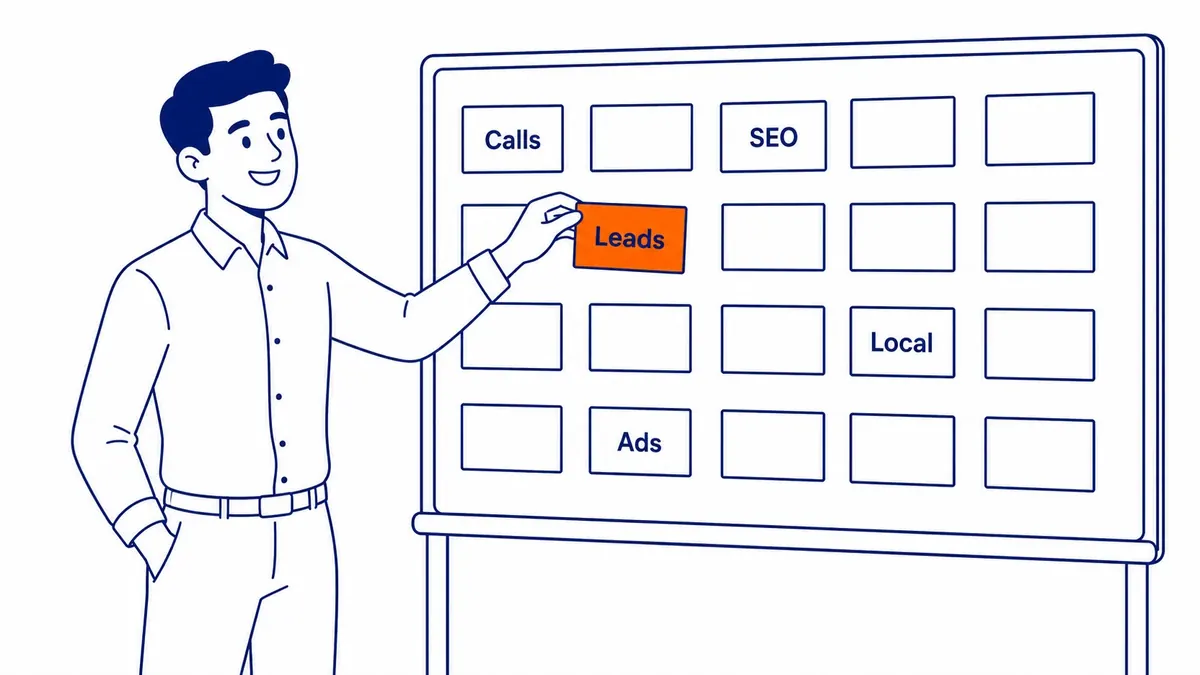
None of this means an association should stop promoting its members. Members joined partly to be promoted, and a site that never mentions them has forgotten whose site it is. The point is balance: the promotional pages work better when the informational pages give people a reason to trust the organization behind them.
Some associations do not face the member-competition problem at all. A research body, or an association whose members are institutions rather than firms, may have no members publishing on the same questions, so ordinary SEO advice applies. Organizations that raise money from donors face a different set of questions again, which this site covers in its guide for charities and the donors who fund them.
Being an association does not rank a page by itself either. The page still has to be crawlable, written by someone who knows the subject and worth linking to, and a website audit is the usual way to find what stands in the way. Search results also take time to respond, and no one can promise when or whether a particular page will rise.
Paid search can fill a gap while that work builds. Google for Nonprofits lists CRA-registered charities, federal nonprofit corporations and provincial nonprofits among the eligible registrations in Canada, provided the organization also passes verification by Google’s partner Goodstack, so some associations can apply, and its products can include Google Ad Grants, although Google notes that not every product is offered in every country. Paid visibility through a grant or through regular Google Ads can promote an event with a deadline, but it stops when the spending stops and does not replace pages worth ranking.
Start with the phone log, not a keyword list
Before anyone builds an association a search strategy, try a short exercise. Write down the five questions your office answers most often by phone or email, choosing the ones that actually arrive rather than the ones you wish people asked. Search each one in Google and read whoever is answering.
If the answers come from national aggregators and member firms with a quote form at the bottom, you have found your first five pages, because each is a question the association can answer without a stake in the outcome. If your association already appears near the top with a plain answer, someone on staff worked this out years ago, and the next step is to repeat what they did for the next five questions. Either way, the result tells you more about your own position than any general statistic about associations could.

Association SEO help in Calgary
Since 2007, SEO Company To-The-TOP! has worked in search engine optimization in Calgary as a solo practice, so one White Hat specialist does the work and there are no junior handoffs. For an association, the first useful job is usually to separate the search terms members should own from the questions only the association can answer, and then to check that the pages answering them can be crawled and indexed. Rankings are reported monthly, and the public portfolio lists keywords the practice has ranked for.
If you would like a second opinion on your association’s site, or on an audit quote you already have, call (403) 308-5949.
Sources (checked November 6, 2026)
- Google Search Central, Google Search technical requirements
- Google Search Central, Structured data for subscription and paywalled content
- Google Search Central, AI features and your website
- Google Search Central, Creating helpful, reliable, people-first content
- Google Search Central, Event structured data
- Google for Nonprofits Help, Eligibility guidelines
Contact Calgary SEO Company To-The-TOP!
Questions about anything in this article, or about your own rankings? Talk to a Calgary SEO specialist directly.
Phone: (403) 308-5949
Address: 1509 14 Ave SW, Calgary, AB T3C 0W4
Hours:
Monday to Friday: 10:00 am – 7:00 pm
Saturday: 12:00 pm – 4:00 pm
Sunday: closed