How to Find Low Competition Keywords
Most guides on keyword research start with tools. This one goes earlier. What these terms actually are, why they matter more than people realize, how to spot them without spending anything. Those questions come first.
What Are Low Competition Keywords
Low competition keywords are search terms where fewer established sites are fighting for position. Not just low search volume terms, though there is usually overlap. Terms where the pages currently ranking are weak, outdated, or thin. Room to enter.
KD stands for Keyword Difficulty. The number runs from 0 to 100, reflecting how strong the current top results appear to be. Scores under 20 are generally accessible for new sites. Between 20 and 30, workable for sites with some existing authority. Above 30, the competition is established enough that pages rarely rank without considerable link building.
Long-tail keywords account for most of the opportunity. Three or more words, highly specific. A query narrow enough that fewer sites have written exactly the right content for it. That specificity is what does the work. Specificity aside, the idea behind SEO keywords has not changed much in a decade. Specificity is a big part of how to choose keywords when authority is thin.

Why Targeting Low Competition Works
Broad, high-volume terms are locked up. New websites and small businesses rarely have the domain authority to challenge established pages that have been building links for years. These terms offer a different path, because they are genuinely easier to rank for than competitive ones.
Good competitor keyword research matches ambition to capability, since seeing what rival sites already rank for shows which terms are realistically within reach. A site with six months of history and a handful of links cannot compete with established domains for terms like “keyword research” or “SEO tips.” Instead, targeting specific low competition phrases produces rankings that actually show up, which builds credibility with search engines over time.
That credibility compounds. Ranking for ten low competition terms earns trust signals that eventually support ranking for harder ones. The traffic from many small wins often matches or exceeds a single ranking for a medium-volume term, since those medium-volume rankings are rarely achievable without years of work.
How to Find Low Competition Keywords
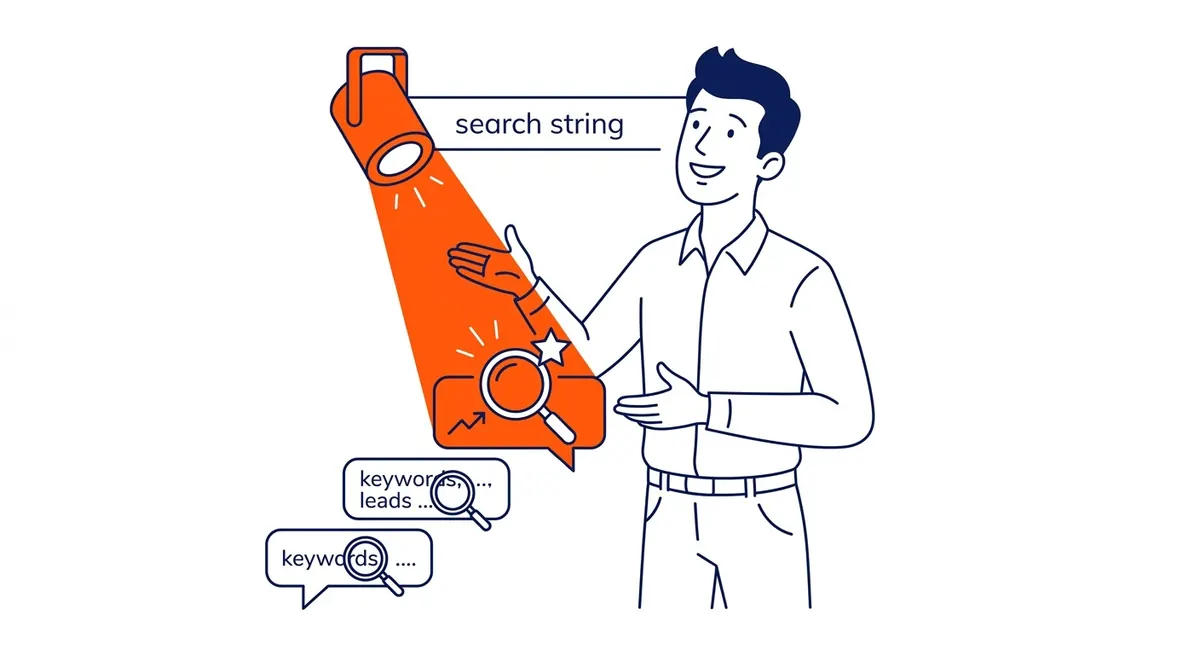
No paid tool is required to get started. Three free sources produce solid leads.
Google Autocomplete fills in search suggestions as users type. Each suggestion reflects real searches. When a Google Ads management company does paid keyword research, it often starts here too. The suggestions further down the list, the ones that require more words before Google offers them, tend to be lower competition than the first few.
People Also Ask boxes appear in most informational search results. Each question in the box is a real query someone typed. These questions are often highly specific and often low competition because fewer sites have written content aimed directly at them.
Community platforms go further. Reddit, Quora, niche forums. Real questions that nobody has answered well on the open web, phrased the way people actually talk. That language rarely shows up in keyword tools because it sits below the threshold of what tools bother tracking.
For users with access to keyword tools, the process is simple: sort by KD, filter for scores under 20, and look at what is left. Most tools also offer a competitor gap view, showing which keywords a competing site ranks for that your site does not. When a competitor ranks for something, that confirms search volume exists. Worth examining.
How to Evaluate Keyword Difficulty
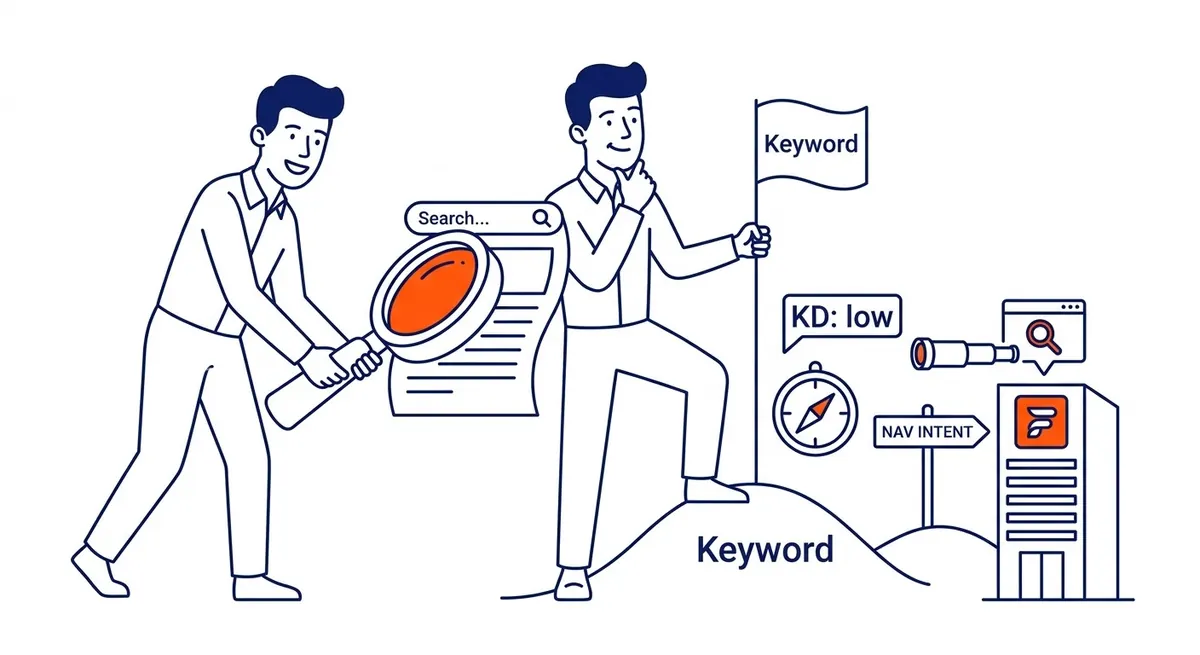
KD scores are useful but not complete. Before committing to specific keywords, check three things.
Search intent. A keyword with a KD score of 2 may still be effectively impossible if navigational intent dominates. Searches for a specific brand or site will always surface that brand, regardless of who else writes about the same topic. Low KD on a navigational term is not a real opportunity.
Domain authority context. Some low KD terms show up in rankings dominated by large brands. The score reflects backlink quantity, not brand strength. If the top five results are all major retailers or established platforms, a small site targeting the same term is unlikely to compete even with a KD under 10.
Manual SERP check. Always look at the actual search results. Small sites ranking in positions one through five is a strong signal of a genuine opportunity. Older content, thin pages, and sites with minimal link profiles in the top results are all green lights. The SERP tells you more than the number, though keyword difficulty thresholds still help.

Low Competition Keywords for Local SEO
Geography does something useful to competition: it shrinks it. A search for “dentist” puts a small dental practice against thousands of competing pages. Searching for “dentist Calgary northwest” puts that same practice against a much smaller pool of locally relevant results.
This is how a Calgary SEO agency approaches almost every service category. Local modifiers transform competitive national terms into genuinely accessible ones. KD scores for local terms are routinely in single digits. The searcher is already pre-qualified by location, so the traffic converts at a higher rate than traffic from broad terms.
For local businesses, this is where the keyword strategy should start. Not with the most-searched version of the target keyword, but with the version that includes the city, neighbourhood, or service area.
FAQ
What is a low competition keyword?
One where the pages currently ranking are not particularly strong. Newer and smaller sites can realistically appear in results. Keyword Difficulty scores under 30 are the usual threshold, though where to draw the line depends on the site’s current authority.
What keyword difficulty score is low competition?
Under 20 for new sites that are still building authority. Once a site has a year or more of established content and some inbound links, scores up to 30 are workable. Above that, meaningful link building is usually required before rankings appear.
How do I find low competition keywords for free?
Start with Google. Autocomplete suggestions, People Also Ask boxes, and related searches at the bottom of results pages all point toward real queries. Reddit and Quora surface questions that tools miss. Google Search Console shows what a site already ranks for at low positions, which often reveals easier related terms worth strengthening.
How many low competition keywords should I target?
Ten to twenty is a solid place to start. Build individual pages around the strongest ones. Multiple modest-traffic pages add up to meaningful totals faster than a single page chasing a competitive term that may never actually rank.
Do low competition keywords still get traffic?
They do. Search volume is smaller, but the rankings are achievable. Position one for a term with 200 monthly searches pulls more traffic than position 18 for a term with 5,000 monthly searches. A good SEO service in Calgary begins by identifying which lower-competition terms can produce early results.
Contact Calgary SEO Company To-The-TOP!
Questions about anything in this article, or about your own rankings? Talk to a Calgary SEO specialist directly.
Phone: (403) 308-5949
Address: 1509 14 Ave SW, Calgary, AB T3C 0W4
Hours:
Monday to Friday: 10:00 am – 7:00 pm
Saturday: 12:00 pm – 4:00 pm
Sunday: closed
