
How Much Keyword Difficulty Is Good for SEO?
Under 30. That’s the number most new sites should chase when hunting for a workable keyword difficulty score. Established sites with real backlink history can push past that, sometimes into the 50s. Score above 60 and a different fight starts, one against domains that have spent years building authority.
Clients ask this question constantly at SEO Company To-The-TOP!. A keyword difficulty number by itself answers almost nothing. It only means something next to the actual site trying to rank. A five-year-old domain with two hundred referring links reads that number completely differently than a brand-new site launched last month.

The Keyword Difficulty Range That Actually Works
New domain, thin backlink profile, no track record with Google yet. Target scores under 30. Quick wins matter more than raw volume at this stage. Low-difficulty keywords are the fastest path to a first page one ranking, and that first win builds momentum for everything that follows.
The ceiling moves once a site has traction. Six months of consistent content. A real link profile, plus a few established rankings already on the board. Scores between 30 and 50 become realistic at that point. Above 50 takes real resources. Consistent content production. Active link building that doesn’t stop after month one. Patience, mostly, to outlast slower competitors. Above 70, reserve that tier for brands with the budget and time horizon to match. None of that helps without checking keyword difficulty properly before the list is built. Difficulty is one filter among several, covered in our write-up on choosing keywords.

What a Keyword Difficulty Score Is Really Measuring
Backlink count on the top-ranking pages. Those backlinks carry domain authority behind them. Content depth on-page. Every keyword difficulty tool blends these signals into one number, weighted differently depending on which platform runs the math. None of them measure whether a specific site could actually compete. They only measure whether ranking there requires heavy lifting in general.
That gap matters more than most people give it credit for. The score describes the competition. It never describes you. Stopping at the difficulty number and moving on skips the harder question underneath it. The one actual keyword research should be asking. Difficulty is one number among several, and the short version of SEO score explains the rest.
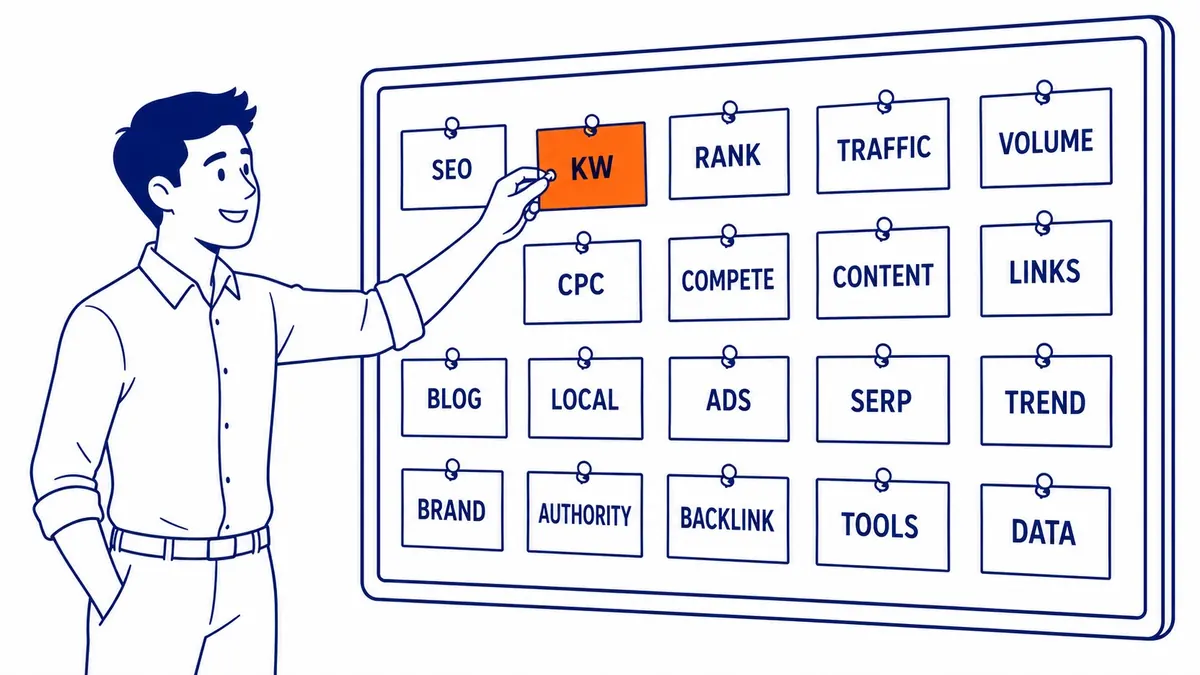
Why the Same Keyword Scores Differently on Every Tool
Semrush might show 42 for a term. Ahrefs shows 51 for the identical search. Moz lands somewhere else entirely. Different backlink indexes produce different math, and none of the major platforms crawl the same slice of the web. Comparing raw difficulty numbers across platforms means comparing apples measured with two different rulers.
Pick one tool. Track its difficulty scores against actual ranking outcomes over months, not days. The number becomes useful once a pattern shows up, specific to that tool and that site. Switching tools resets the pattern back to zero.
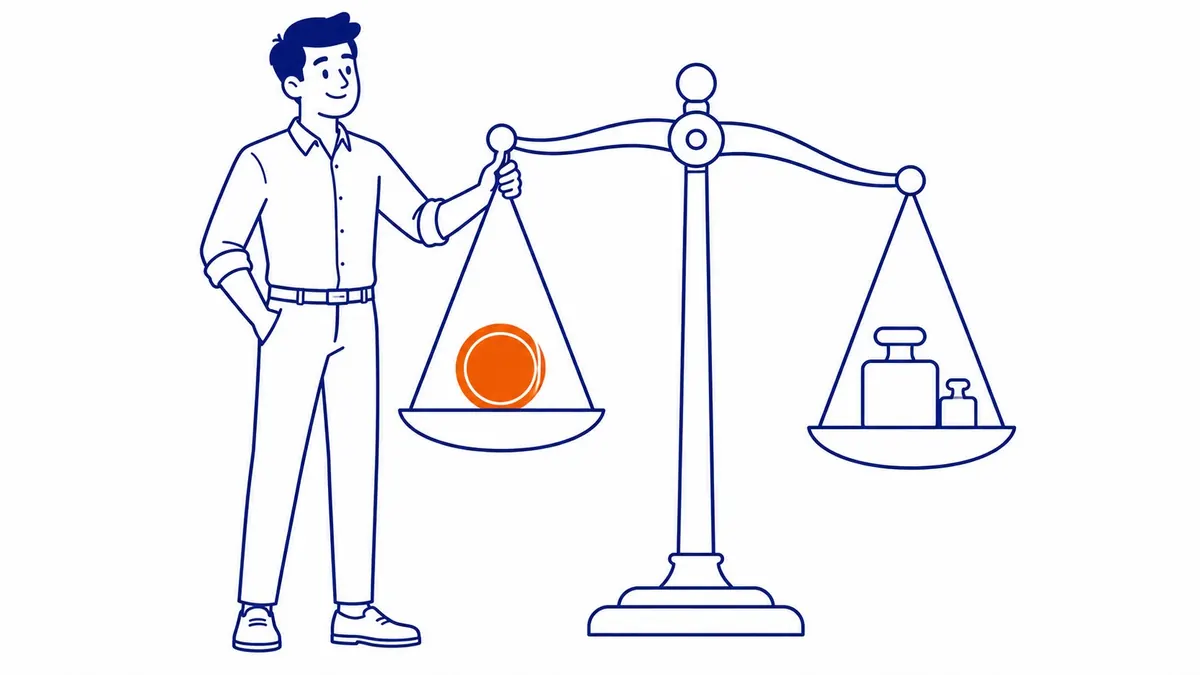
When a High Keyword Difficulty Score Is Still Worth Chasing
A keyword scoring 65 nationally might sit wide open in a single city. Local intent changes the competitive field completely. National directories and enterprise sites often dominate the broad version of a term while barely bothering to target it by location. That gap is where local businesses win.
Content gaps work the same way. A high-difficulty keyword surrounded by thin competing pages is softer than its score suggests. Outdated or poorly structured pages count too. Branded searches for a company’s own name carry difficulty scores that mean almost nothing, since the brand itself is the ranking factor.

How This Plays Out on Calgary Client Accounts
A Calgary client came in last year chasing a keyword scoring 58 on paper, convinced it was out of reach. The nationwide competition was real enough. Locally, the picture looked much softer. Two competitors, neither running much beyond a bare Google Business Profile. Six weeks of targeted content moved the page into the top three locally, well under the ceiling a raw score suggested.
An SEO audit answers the resource question before a client commits budget to a keyword. Nineteen years of watching Calgary SERPs shift means something concrete. A difficulty number gets read next to what’s actually ranking today, not just what a tool estimates in isolation. Calgary SEO work lives or dies on that kind of local reality check.
The Bottom Line
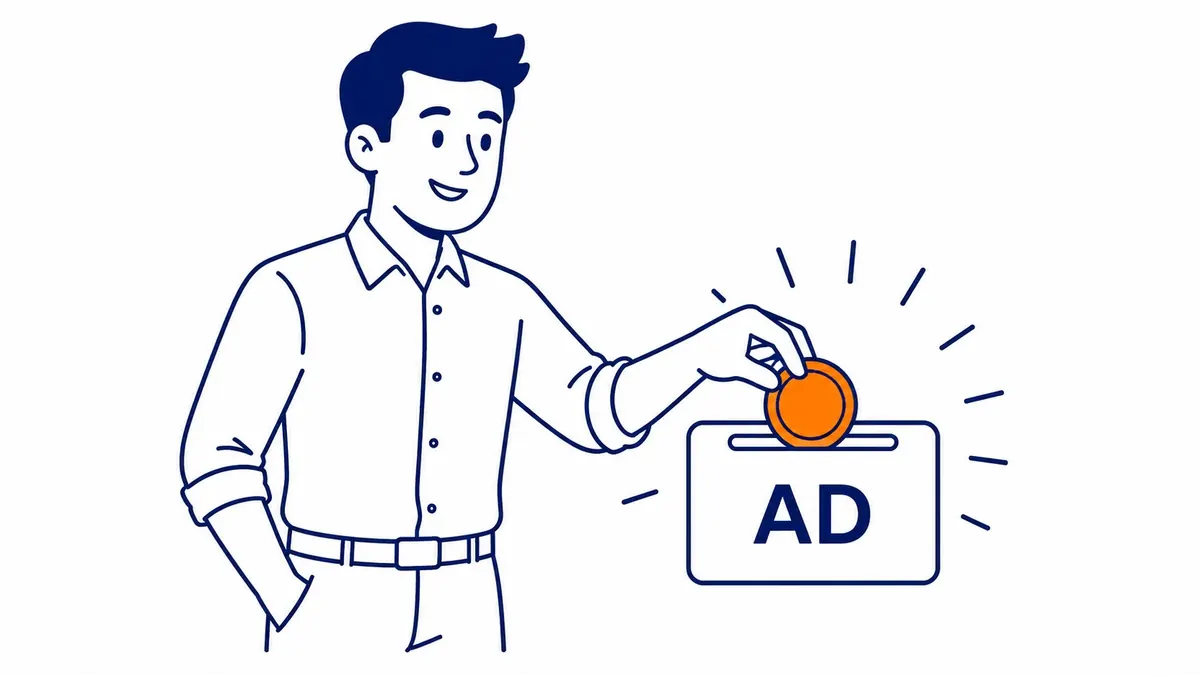
Thirty and under for a new site. Fifty and under once there’s traction. Above that, know exactly what resources back the push before starting. A Google Ads campaign can fill the gap while organic rankings build. Difficulty scores never account for that kind of bought time on their own.
Worth asking before signing off on any keyword list. Does the number reflect the site actually chasing it? Or just generic competition sitting in a database somewhere.
Frequently Asked Questions
Is a keyword difficulty score of zero worth targeting?
Sometimes. A score of zero usually means almost nobody searches the term either. Check search volume before getting excited about an empty competitive field.
Does keyword difficulty predict how long ranking will take?
Loosely, not precisely. Low scores can move in weeks. High scores often take months, sometimes longer, depending on how aggressively competitors defend the position.
Should keyword difficulty override search intent when picking keywords?
No. A low-difficulty keyword that doesn’t match what a business actually sells wastes the win. Intent comes first, difficulty second, domain authority a distant third.
Can keyword difficulty change over time for the same term?
It can, and it does. New competitors enter, old ones fade, algorithms shift what counts as authority. A score checked six months ago is already dated.
Is a low keyword difficulty score always a good sign?
Not automatically. Some low scores hide low search volume or thin commercial value. Pair the score with volume and intent before committing content resources.
Contact Calgary SEO Company To-The-TOP!
Questions about anything in this article, or about your own rankings? Talk to a Calgary SEO specialist directly.
Phone: (403) 308-5949
Address: 1509 14 Ave SW, Calgary, AB T3C 0W4
Hours:
Monday to Friday: 10:00 am – 7:00 pm
Saturday: 12:00 pm – 4:00 pm
Sunday: closed