What Is SEO SEM Marketing
The terminology gets mixed up more than any other pair in digital marketing. Ask ten practitioners what SEM means and six will say paid search. The other four will say SEM covers both paid and organic, with SEO as a component underneath. Both camps are right, depending on who taught them and which sources they read. The distinction matters less than understanding what each channel does and what it costs.
For a service business targeting search in Calgary, the question is almost never “which one.” It is usually which one first, and how much budget to each. That answer depends on timeline and margin. Start there.
SEO and SEM: Two Terms That Mean Different Things
Search engine marketing has two definitions in use simultaneously. Older usage treats SEM as an umbrella term covering both natural search optimization and paid placement. The current industry practice, however, leans toward a narrower definition: SEM means paid search, specifically Google Ads and similar platforms. SEO handles the unpaid side separately.
That narrower usage is now dominant in most agency and in-house contexts. When someone says “we need to look at SEM,” they almost always mean the ad account, not the content strategy. Worth knowing before walking into a conversation with a vendor or a media buyer; the term shifts depending on who is in the room.
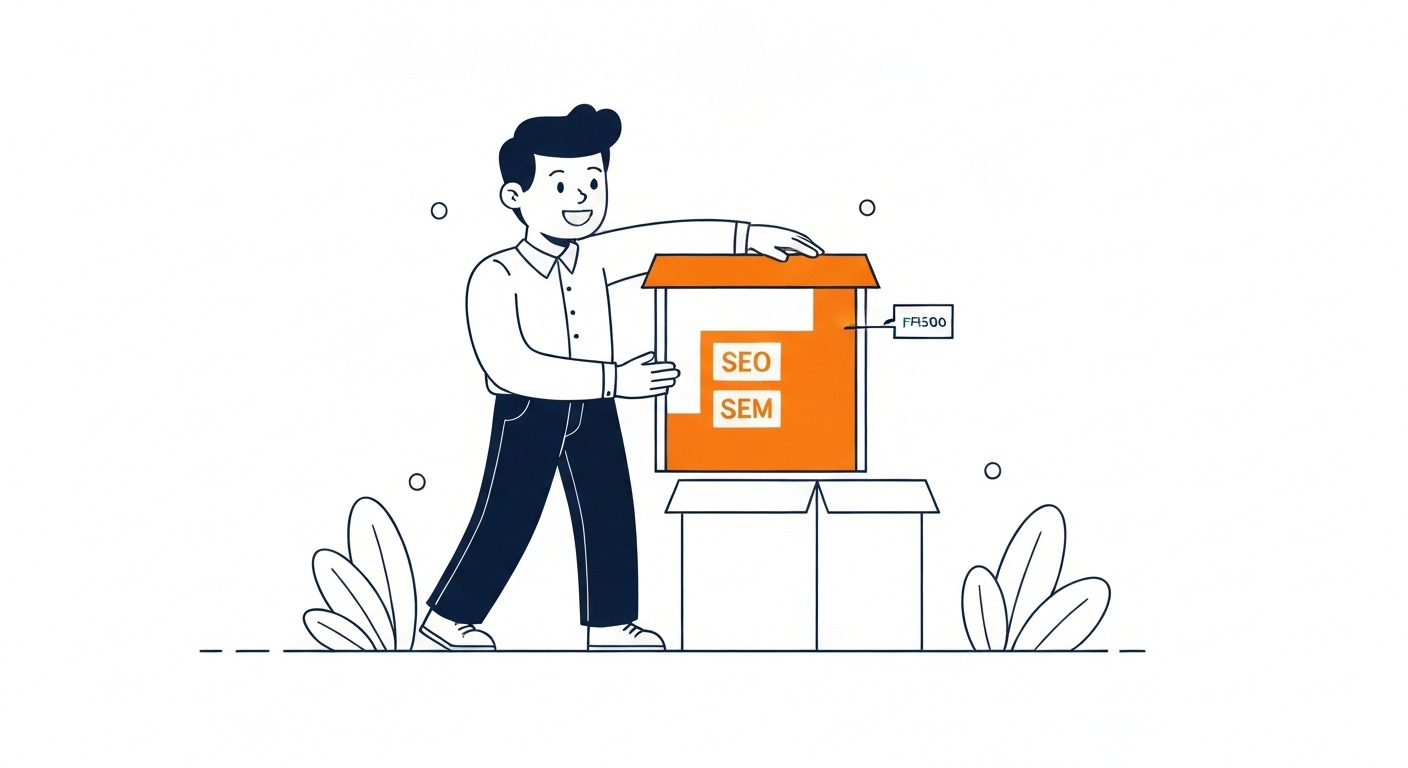
The practical split in search engine marketing: SEO earns unpaid visibility through relevance and authority signals. SEM buys placement through a keyword auction. Both show up on the same search results page. Sponsored labels at the top tell you which results are paid. Everything below without that label is organic.
SEO: The Organic Path
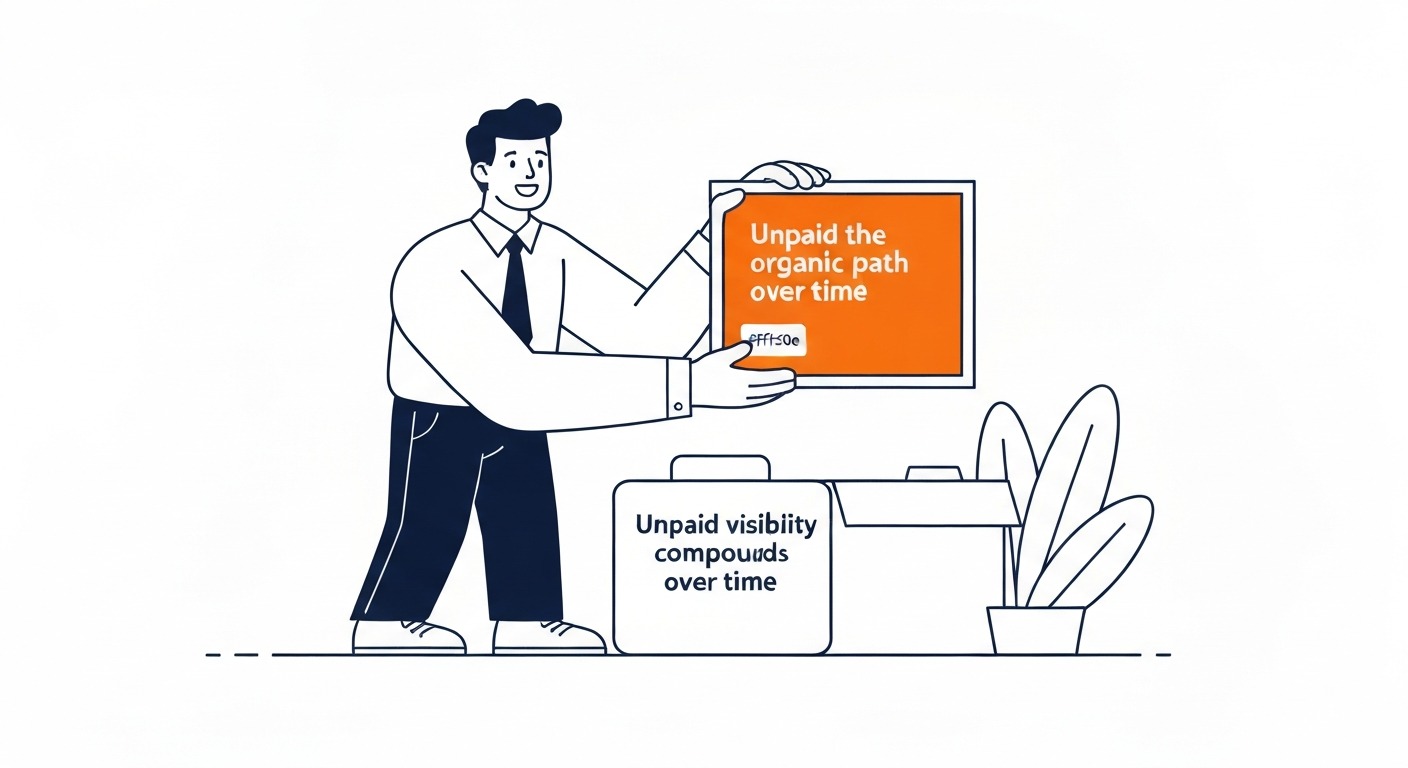
Unpaid visibility compounds over time. A page that earns a first-page position in month six continues pulling traffic in year three without additional per-click cost. That compounding is the economic argument for SEO: it gets cheaper per visitor the longer it holds, assuming the underlying work survives algorithm updates.
Three areas drive search positions. On-page optimization covers content quality, keyword targeting, internal linking, title tags, and meta descriptions. Off-page authority tracks the volume and quality of external sites linking back to the page. Technical implementation handles site speed, mobile performance, crawlability, Core Web Vitals, and schema markup. All three have to be in reasonable shape before rankings move in competitive markets. Getting fluent in each is what how to learn SEO covers.
Timeline is where most business owners get caught out. Three to six months before meaningful movement is realistic for low-competition terms. Twelve to twenty-four months for competitive commercial keywords in major markets. Anyone promising faster is either targeting terms with no search volume or using tactics that create problems later. To-The-TOP! has been running Calgary SEO campaigns since 2007. That timeline holds with occasional exceptions for long-tail terms nobody else has addressed well.
The upfront cost of SEO: content development, technical work, and link building all front-load the investment. No ongoing per-click cost once rankings are established. That is what makes keyword research and targeting so important. Pick the wrong terms and the front-loaded spend never pays back.
SEM: Paid Search and What It Costs
Paid search delivers placement immediately. Run a Google Ads campaign, set a budget, and ads appear in the sponsored section of results the same day the account goes live. The cost structure is per click: every visitor from a paid result carries a price.
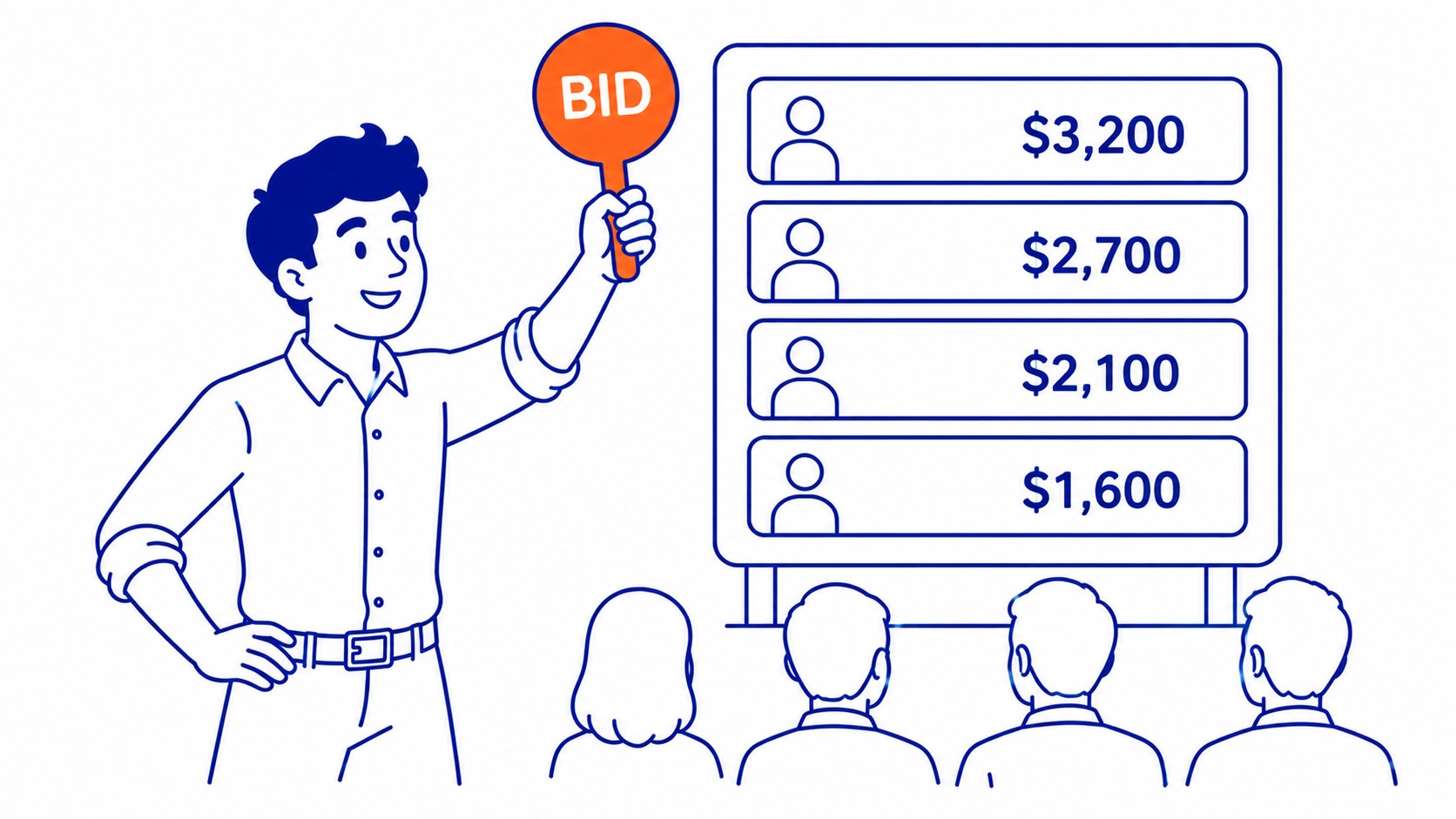
The ad auction determines placement. Maximum bid and Quality Score combine to produce ad rank. Quality Score measures keyword-to-ad relevance, landing page fit, and historical click-through rate. A strong Quality Score lowers cost per click for the same position. Poor scores mean paying more for worse placement.
Average cost per click across all Google Ads industries: $2.13 as of late 2024, according to Statista. Insurance runs $16.54. Legal is similarly high. Competitive local markets for HVAC, legal, and dental run well above the general average, depending on how many advertisers are bidding on the same terms.
The structural trade-off: traffic from SEM stops the day the budget stops. Nothing carries over. Pause the campaign and the visibility disappears. SEM is a tap you turn on and off. SEO is a channel you open slowly and hold over time.
Which One Comes First
New businesses with no organic presence and a marketing budget: run both. Use PPC to generate leads while search positions build around target keywords. Cutting SEM during the SEO ramp-up means months of near-zero site traffic with no paid backup. Most businesses cannot hold that position.
Established businesses with some organic presence need to look at where the gaps are. Competitive terms where rankings sit on page two or three might warrant PPC coverage while the SEO campaign closes that gap. Terms already ranking page one: pull the PPC spend there and redirect it to keywords where search positions are still developing.
Budget-constrained early-stage businesses: SEO first, usually. The economics favour long-term SEO investment for businesses without immediate short-term revenue targets. Timeline, however, is the catch. If the business needs leads within 90 days, PPC is the only lever that moves that fast.
For most service businesses in markets like Calgary, the honest answer is that neither channel alone is optimal. SEO builds the floor that keeps working. SEM fills in while the floor is being laid. That durable floor is much of why SEO is important even when paid runs alongside it.
Using Both Together
Paid search campaigns produce data that an in-house content strategy cannot generate on its own. Running ads on a keyword for 90 days reveals actual conversion rate, cost per lead, and which ad copy resonates with the target audience. That data informs which content pages to prioritize, targeting keywords that converted rather than just terms with search volume.
Search query data shows which keywords Google is already associating the site with. Applying SEM budget to reinforce those terms accelerates total search visibility. Both channels see better returns when they share data rather than run in parallel silos with separate reporting stacks.
Many businesses working with To-The-TOP! run both. The SEO campaign builds long-term authority through SEO services that compound year over year. Meanwhile, a Google Ads account handles high-intent, high-competition terms where organic ranking would require too much time or link investment to justify at current margins.
Frequently Asked Questions
What is SEO and SEM in marketing?
Two channels for appearing in search results, each with different cost structures and timelines. SEO earns search placement through content, technical work, and links. No per-click cost once a page ranks. SEM is paid placement through Google Ads or similar platforms. Immediate visibility, ongoing per-click cost. In search engine marketing practice, the two channels often serve different intent profiles and budget cycles, though most mature programs run both.
Is SEO dead or evolving in 2026?
Evolving. AI Overviews and zero-click results have shifted the landscape, but organic traffic still flows to pages that rank well for queries with clear intent. The channel is harder and the stakes are higher. Thin content and low-authority sites are capturing less of what is available. Pages with genuine depth, schema markup, and topical authority still pull traffic. The technique shifts; the underlying logic of earning search visibility through relevance and authority holds.
What is SEO job salary?
Wide range. Junior SEO roles in Canada: $45,000 to $65,000. Mid-level: $65,000 to $90,000. Senior or agency lead: $90,000 to $130,000. Freelance and consulting work adds variance on both ends. Practitioners running Google Ads alongside organic campaigns typically command higher rates than organic-only specialists. Toronto and Vancouver compress the low end because of competition for talent in those markets.
