How to Optimize Content for AI Search Engines
Search Console data from client accounts in 2025 tells a clearer story than any trend report. Impressions climbing on conversational queries. Click-through rates dropping on head terms. Branded searches arriving from AI-referred visitors who encountered a site weeks before they finally searched by name. The traffic pattern has changed.
SEO Company To-The-TOP! has been doing the local SEO Calgary businesses rely on since 2007. Nineteen years in. No shift moved faster than what happened between 2024 and 2025. Here is the practical account of what changed and why.
What the Data Shows
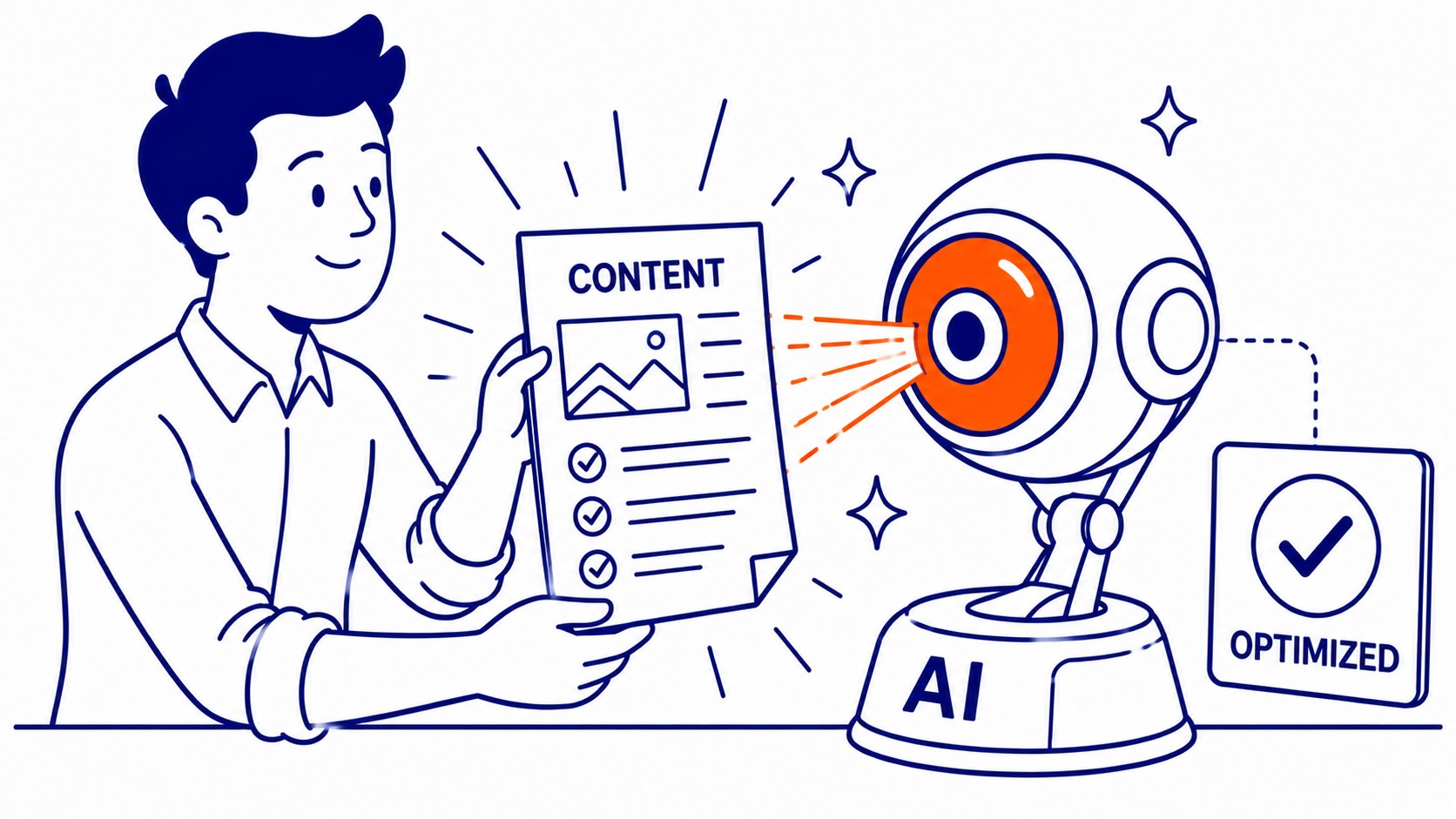
The picture, right now, splits two ways. Most organic traffic still flows through traditional search results. AI summaries have not displaced that. Universal AI replacement has not happened. The rollout is query-dependent and pace varies by category. For informational and research queries, however, AI-generated summaries now intercept a meaningful share of clicks before the visitor reaches any page.
AI Overviews appear on roughly 10 to 15% of queries in Canadian markets, a figure that shifts weekly. Perplexity grows fastest among research-oriented users. ChatGPT search integration via Bing picks up ground on informational queries in the 25 to 45 demographic. Each platform selects its sources differently. That is where the challenge actually sits.

How AI Search Engines Choose Their Sources
Traditional search ranked pages. These platforms cite sources. That distinction is the starting point.
The comparison of what is GEO vs SEO explains how ranking in AI-generated answers differs from ranking in traditional blue-link results.
Google AI Overviews pull primarily from pages already ranking in the top 10 for the query. Targeting that AI summary position and maintaining traditional organic rankings are not entirely separate jobs. Heading structure, direct answers near the section top, schema markup, page authority: the same signals work for both.
That platform reads material in real time and weights recency heavily. A 2019 page with strong backlinks holds position in traditional search. That same page may lose to a fresher, well-structured source on that platform if the topic evolved after publication. Updating older articles matters more to the real-time crawler than it does for traditional rankings.
ChatGPT responses draw from training data plus Bing integration. Sites earning strong Bing rankings appear more often in ChatGPT responses. Bing and Google share substantial overlap. Worth maintaining Bing Webmaster Tools alongside Search Console.

Answer First, Support Second
AI retrieval tools favour material that reaches the answer without making the reader work for it. Conversational queries dominate: “what should I do when my Google Ads account gets flagged” rather than just “flagged account.” Both query formats need covering. That longer, question-form version gets pulled into AI summaries more reliably.
The guide on what is SEO writing covers how to structure sentences and paragraphs that both readers and AI summaries can extract cleanly.
The structure that performs: state the answer in the first two sentences after the heading, then support it in the body. Retrieval tools typically extract from those first two sentences when constructing a response. Burying the answer in paragraph three is the single pattern an SEO web audit catches most often on material-heavy sites. Ordering matters, which is where the basics of AEO vs SEO start.
Structuring Content for AI Search Engines
Clear headings. Short paragraphs. Lists that serve the material rather than pad it. Traditional fundamentals, still. These tools weight them more heavily because they parse for structure rather than simply reading for meaning.
FAQ Schema
FAQ schema makes your question-and-answer blocks machine-readable even when the page does not rank for the question directly. Across client properties tracked since late 2024, that markup appears in AI summaries at higher rates than non-marked-up answers. Worth adding to any page with a genuine Q&A section.
Article Schema
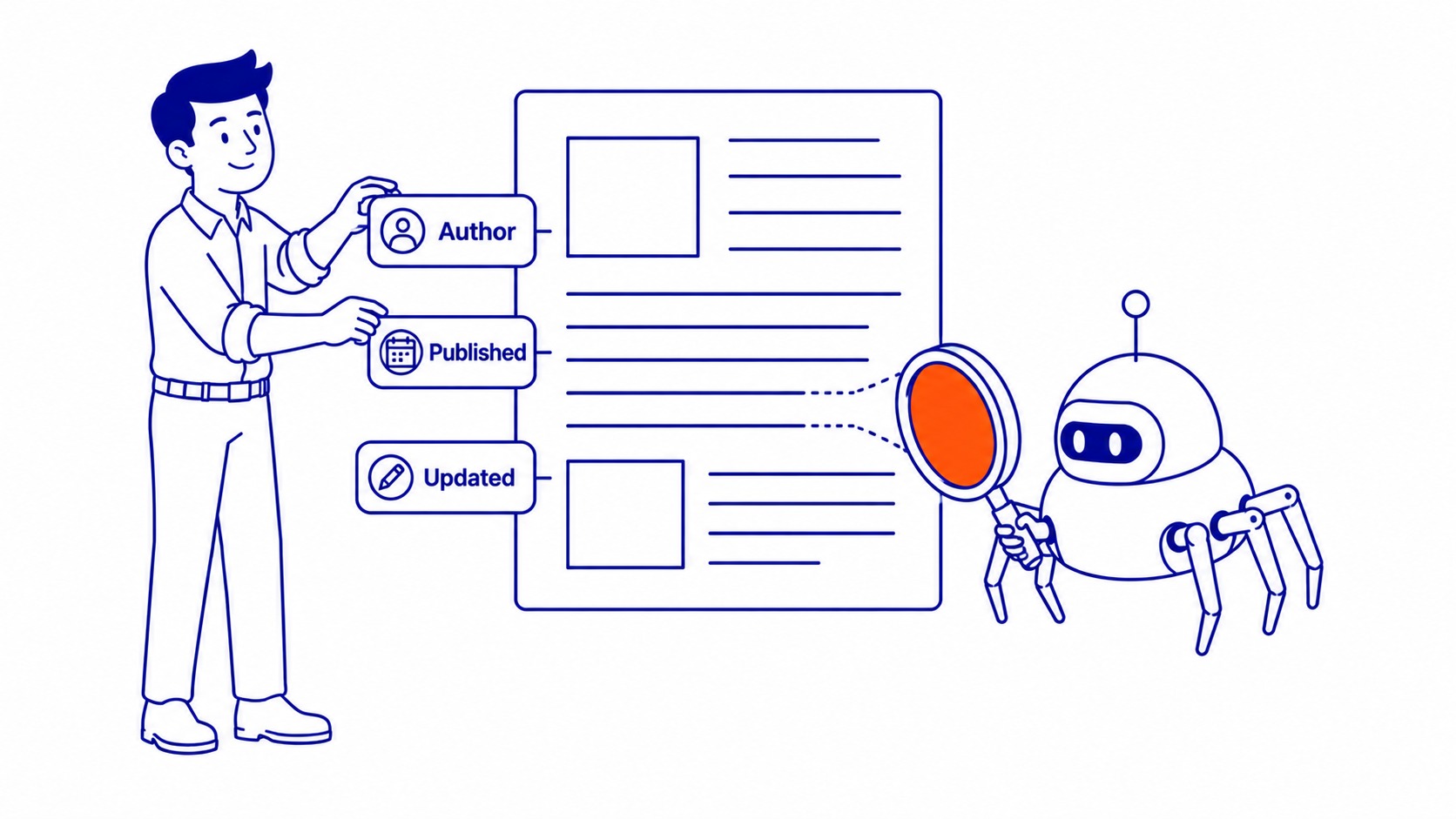
Adding author name, published date, and updated date via Article schema signals both recency and authority. Retrieval tools reading for credibility pick these up. Updated date matters more to that real-time crawler than to traditional rankings.
One technical note: JavaScript-rendered material still creates problems for AI crawlers. Inconsistent JS support means sections that load after a script fires get missed by some retrieval tools. Key text belongs in raw HTML, not behind a render dependency.
Authority Signals for AI Search Engines
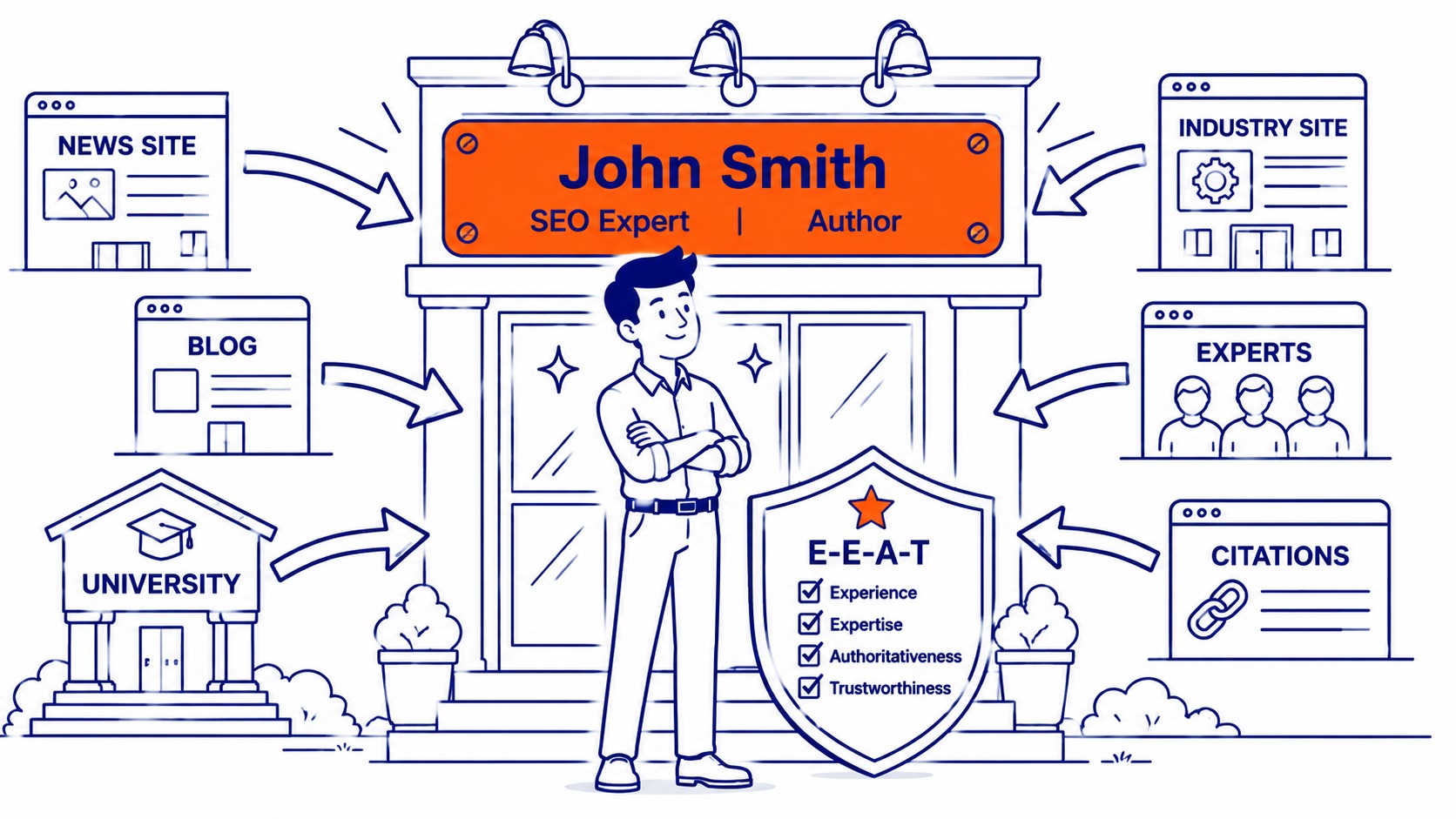
E-E-A-T, meaning experience, expertise, authoritativeness, and trustworthiness, started as a quality rater framework before it became a targeting focus for marketers. AI retrieval systems extended that concept. ChatGPT and Perplexity appear to weight sources where credentials and first-person experience are visible and verifiable, not just claimed.
Detailed author bios. Named authors on articles rather than “By Staff.” Real examples from actual client work rather than generic case studies. These are the patterns that register as trustworthy to both human reviewers and AI retrieval systems alike.
Citation chains also factor in. AI tools tend to surface sources that other credible sites reference. That is a backlink signal in a different form. Where your material is mentioned, linked to, or cited elsewhere on the web still moves the needle on AI visibility, the same way it always has for the search engine optimization company Calgary businesses have relied on for years. The underlying logic has not changed; only the delivery mechanism has.
GEO: Generative Engine Optimization
Generative engine optimization (GEO) is the term gaining traction for strategies aimed specifically at AI citation. That overlap with traditional practice is substantial. The difference is the target: traditional rankings aim for a position in organic results; GEO aims for being cited inside an AI-generated response.
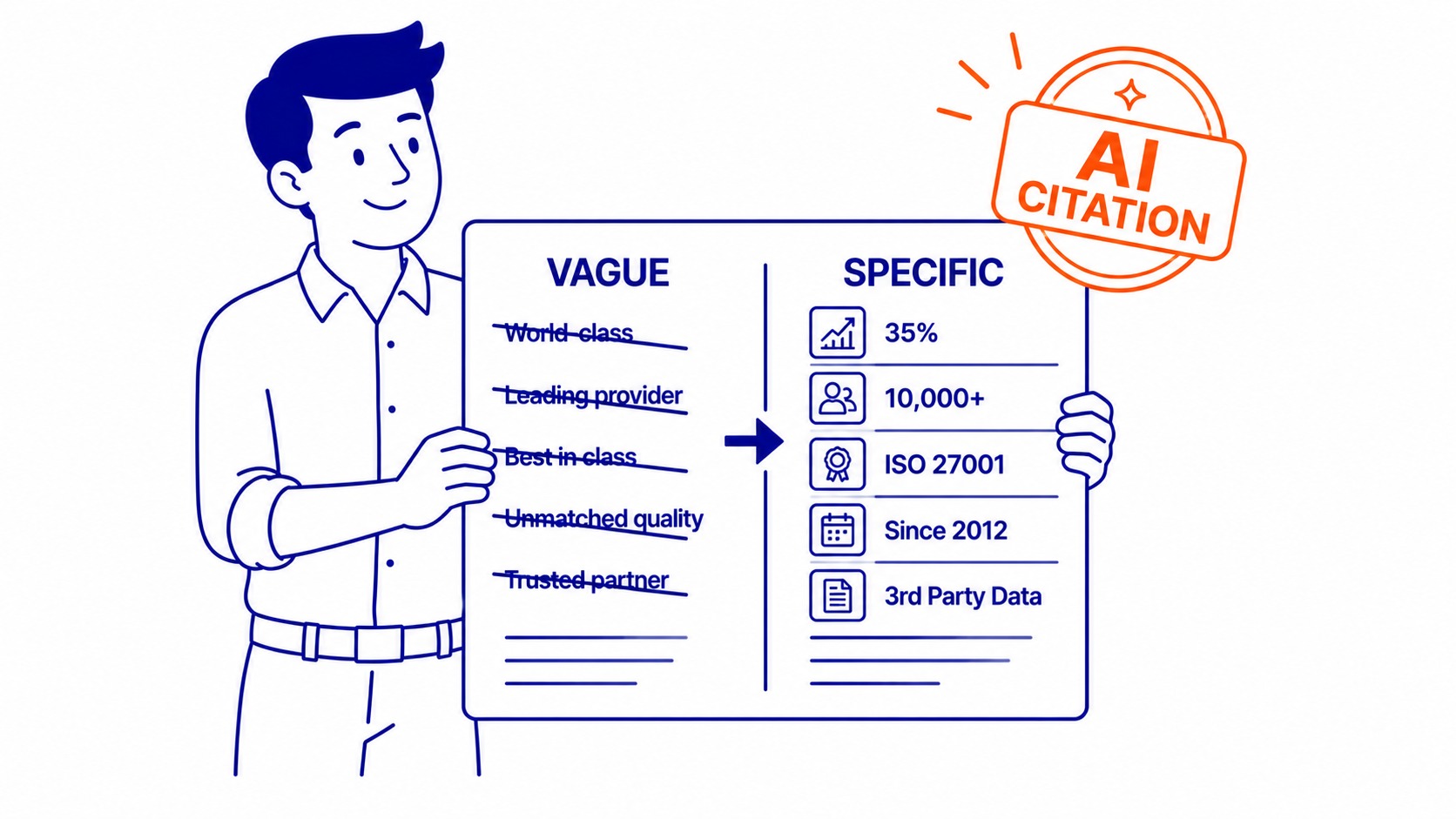
Practically, GEO-oriented material is more specific, more directly structured, and more verifiably authoritative than average web writing. Vague brand language gets ignored. Specific, fact-backed claims with clear sourcing signals get cited. AI retrieval systems reward quality in much the same way organic algorithms have always done.
Worth being direct here: GEO does not replace traditional organic search in the near term. Most traffic still comes from traditional results, particularly for organic search services and local-intent queries. Ignoring either channel costs reach. One strategy with a broader surface area is the correct framing, not two separate ones. Which is why the question of needing both SEO and GEO answers itself for most sites.
What Traditional SEO Still Governs
Page speed. Mobile performance. Crawlability. Core Web Vitals. Internal linking structure. These have not been displaced. They remain the baseline that determines whether AI retrieval systems can index and cite a page at all.
Technically broken pages are not cited by that tool regardless of material quality. Slow pages do not surface in those summary results regardless of relevance. Foundation first, everything else second. That sequence has not changed.
Every engagement at To-The-TOP! still starts with a technical audit and keyword research pass before any writing work. AI search does not fix a broken technical baseline. It rewards a working one.
Content teams in Langley SEO, Leduc SEO, and Lethbridge SEO are restructuring their pages to satisfy both traditional search and AI-generated answers. Hard to square any of that with the argument over whether SEO is dead.
Frequently Asked Questions
Is traditional SEO dead now that AI search is growing?
Not close. Traditional search still drives most organic traffic across nearly every industry and query type. AI search is growing; it is not dominant yet. Practically: optimize for traditional rankings first. Layer AI-specific signals on top after. Most of the technical and writing work overlaps anyway. Worrying about AI search at the expense of organic search fundamentals is the more common mistake right now.
How does Perplexity decide which sites to cite?
Recency and structure both factor heavily. That platform crawls in real time rather than working from a static index. A well-structured, current page without a strong backlink profile can surface where it would not appear in traditional search. Updating older articles regularly helps more on that platform than it does on traditional rankings.
What is the fastest way to optimize content for AI search engines?
Add direct question-and-answer blocks to existing pages. That format is what retrieval systems parse for citation most readily. Pair those blocks with FAQ schema markup. Both traditional results and AI tools receive the structure signal. Short answers near the top of each block. Paragraph-form responses buried mid-page rarely get cited.
Does Google AI Overviews pull from paid or organic pages only?
Organic pages only. AI Overviews draw from the organic index, not paid results. Working with a Google Ads management agency alongside your organic search work creates a keyword intent data advantage, not a shortcut into those summary results. Conversion data from paid campaigns, however, identifies which questions drive action, and those questions are worth answering in organic material.
Contact Calgary SEO Company To-The-TOP!
Questions about anything in this article, or about your own rankings? Talk to a Calgary SEO specialist directly.
Phone: (403) 308-5949
Address: 1509 14 Ave SW, Calgary, AB T3C 0W4
Hours:
Monday to Friday: 10:00 am – 7:00 pm
Saturday: 12:00 pm – 4:00 pm
Sunday: closed
