Can You Use Competitor Brand Keywords in Google Ads?
Clients ask this one often. Usually right after they notice a rival’s ad sitting above their own organic listing, wondering how it got there.
Short answer: yes. Google allows targeting rival brand names as keywords. No policy violation. Suspension does not come into it.
What you can say in your ad is one question. Whether the economics hold up is another.
What Google Ads Actually Allows
Clearer than most people think.

Bidding on a rival’s name as a keyword is permitted. The platform does not restrict selection based on brand status. Someone types a competitor’s name into search, your ad is eligible to appear, the auction runs as normal.
The restriction is narrower. Trademarked names cannot appear in your ad headlines, descriptions, or display URL without authorization from the trademark owner. That is where the platform enforces trademark policy: in the ad text, not the keyword list.
Two things in the same account. Both need their own decision. Keyword volume is a third decision, and the truth about too many keywords surprises most advertisers.
Google’s Trademark Policy and the Complaint Process
One complaint can pull your ad.
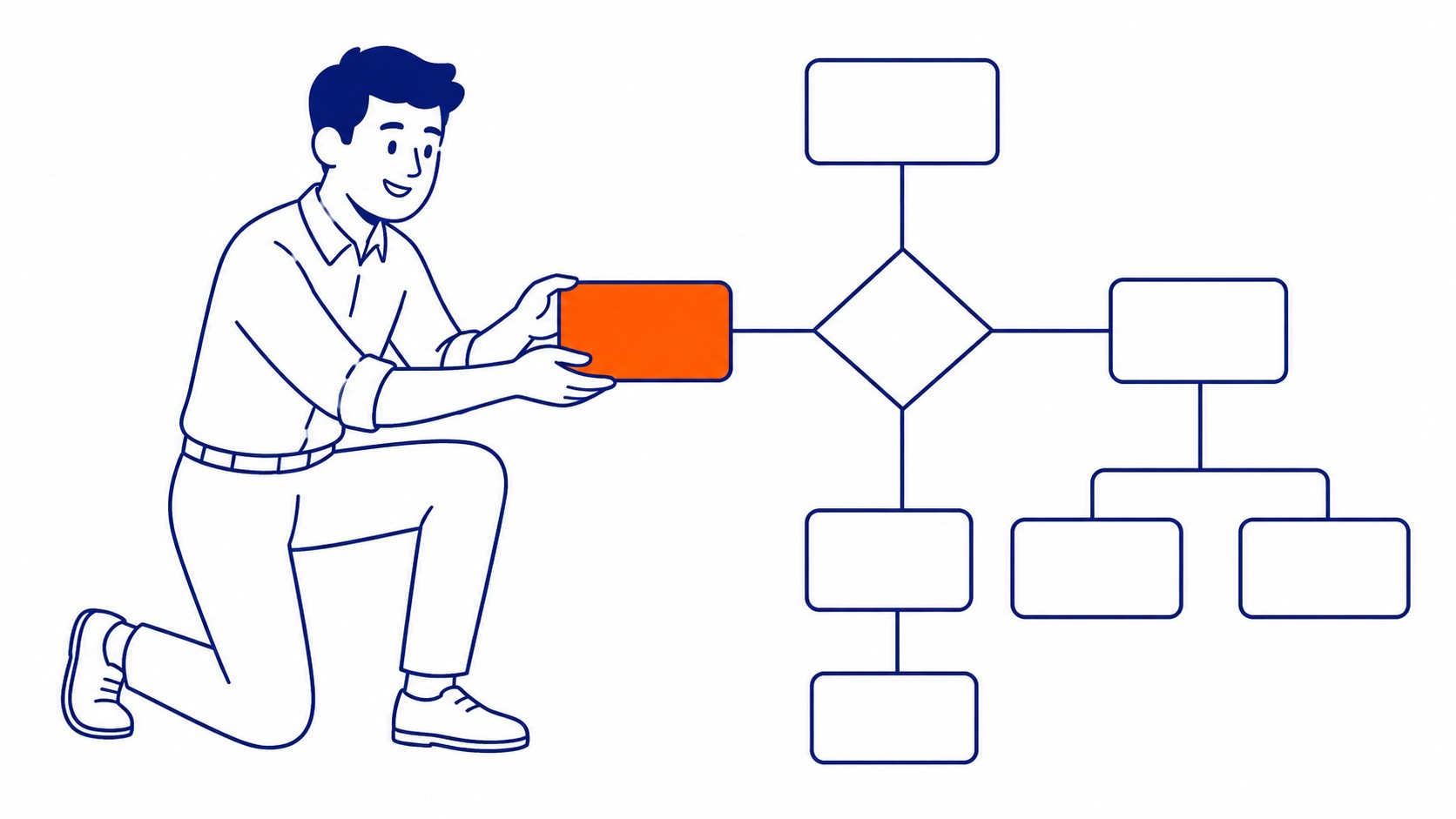
Trademark owners can file a complaint with Google directly. An investigation follows. If the trademarked name appears in your ad copy, the ad gets disapproved. Repeated violations can affect the account.
The keywords themselves are not subject to this. Someone searching a rival’s name and seeing your ad show up is not a trademark violation under platform policy. Writing the rival’s brand name in your headline is a different matter.
Ad disapprovals happen faster than most advertisers expect. Worth knowing the line before the campaign goes live.
The Real Cost of Bidding on Competitor Names
High CPCs. Low CTR. Weak Quality Score.
Someone typing a rival’s name into search has usually already made a mental shortlist. Not browsing. That search intent is directed and specific. Your ad appears, interrupting a journey already pointed somewhere else.

Quality Score takes a hit here. The search term is a rival’s name. Your landing page is about your business. Google scores keyword-to-ad relevance and landing page fit: both suffer when targeting someone else’s brand. Lower Quality Score means higher cost per click.
CTR runs low on these searches. The person typed the other brand’s name for a reason. Your ad shows up as a detour. Most ignore it.
The math usually does not close. You pay more per click and convert fewer of the ones who do click. That gap compounds fast.
When Competitor Keywords Actually Make Sense
A narrow window. Worth knowing.

Some scenarios shift the calculation. The rival has no brand campaign running: their name sits undefended at the top of the SERP. Real opportunity there. Your ad can take the top position without spending against their own budget.
Comparison-stage searches behave differently. Someone searching a brand name alongside words like “reviews” or “alternatives” is still evaluating. That intent is softer. Your ad can meet them there if the copy speaks to the comparison directly.
Clear price or feature advantages help convert. If your product costs half as much, or has a specific capability the rival’s product lacks, that message can land on a branded search. Solid keyword research also helps identify whether the traffic volume justifies the spend.
Niche markets where one brand’s name has become the category term also work better. The search is broader than it looks. Adding rival terms also shifts the right number of AdWords keywords for the whole account.
What Your Ad Copy Can and Cannot Say
This is where most accounts get flagged.
Targeting a rival’s name as a search term is one thing. The ad text is a separate question. Their trademarked name stays out of your headlines and descriptions unless you have explicit permission. No exceptions to that.
Comparative language is permitted. Phrases like “compare your options” or “see how we stack up” work without naming the rival. That approach stays within Google’s policies and avoids complaints.
Implied affiliation fails both the policy test and the conversion test. If the ad suggests a partnership that does not exist, a trademark complaint follows quickly. Write ad copy for the audience who showed up, not for the search term that triggered it.
Someone who searched a rival’s name and landed on your page needs a reason to stay. Make that reason clear.
Negative Keywords: Blocking Competitor Brand Traffic
An underused approach.

Adding rival brand names to your exclusion list keeps branded searches from rivals out of your generic campaigns. The logic is simple: someone searching another brand is not your target audience in that moment. Including those searches dilutes campaign data.
Clean data shows truer CTR and conversion rates. When branded rival searches bleed into your general campaigns, the metrics get muddied. Negative keywords here are a data hygiene decision, not a competitor strategy.
For businesses running paid and organic together, a good SEO service in Calgary already includes isolating this traffic. Run a separate campaign if you want to test competitor keyword targeting. Keep it isolated. That way the performance of your core ad groups stays readable and your budget decisions stay clean.
Defending Your Own Brand Name
Your name. Their targeting.
Your competitors are running the same calculation. Some may already be targeting your brand name. Someone searching To-The-TOP! or any established business by name can see a rival’s ad above the organic results.

Defending your own name is cheap, and SEO keyword research shows which branded variations are worth covering. High Quality Score because the term, the ad, and the landing page all match. Cost per click on brand terms runs at a fraction of what a rival pays to intercept the same search.
A brand campaign protecting your own name is not optional once there is real recognition in the market. Running your own branded terms through a Google Ads management company holds the top SERP position. Calgary SEO clients who skip this often pay for it when a rival swoops in.
Low premium. The alternative is handing your own brand traffic to someone else. Worth thinking through before skipping it.
Frequently Asked Questions
Can you use competitor names in Google Ads?
Targeting a rival’s name as a keyword is permitted under Google’s policies. The trademarked name cannot appear in your ad text: headlines, descriptions, or display URL, without authorization. Keyword targeting and ad copy are two separate decisions under Google’s trademark policy.
Are you allowed to mention competitors in ads?
Comparative language without naming the rival is generally fine. Phrases like “compare your options” or “see how we stack up” stay within policy. Using a rival’s name in the ad text can trigger a trademark complaint and ad disapproval. No implied affiliation with another brand.
What are competitor keywords in Google Ads?
Search terms that include a rival’s brand name or trademarked name. Bidding on them intercepts searches directed at that brand. CTR runs low and CPC runs high in most cases because the search intent is already pointed elsewhere. Useful in specific scenarios: the rival has no brand campaign running, or the search is still in a comparison phase.
Contact Calgary SEO Company To-The-TOP!
Questions about anything in this article, or about your own rankings? Talk to a Calgary SEO specialist directly.
Phone: (403) 308-5949
Address: 1509 14 Ave SW, Calgary, AB T3C 0W4
Hours:
Monday to Friday: 10:00 am – 7:00 pm
Saturday: 12:00 pm – 4:00 pm
Sunday: closed
