What Is the Google Algorithm for SEO?
The first time a client called us after a ranking drop was spring 2011. Panda had just rolled out. They had no idea what hit them. Neither did most business owners watching their traffic disappear that month.
That call set the tone for how To-The-TOP! talks about algorithm changes. Not as abstract events. As things that move real traffic on real pages.
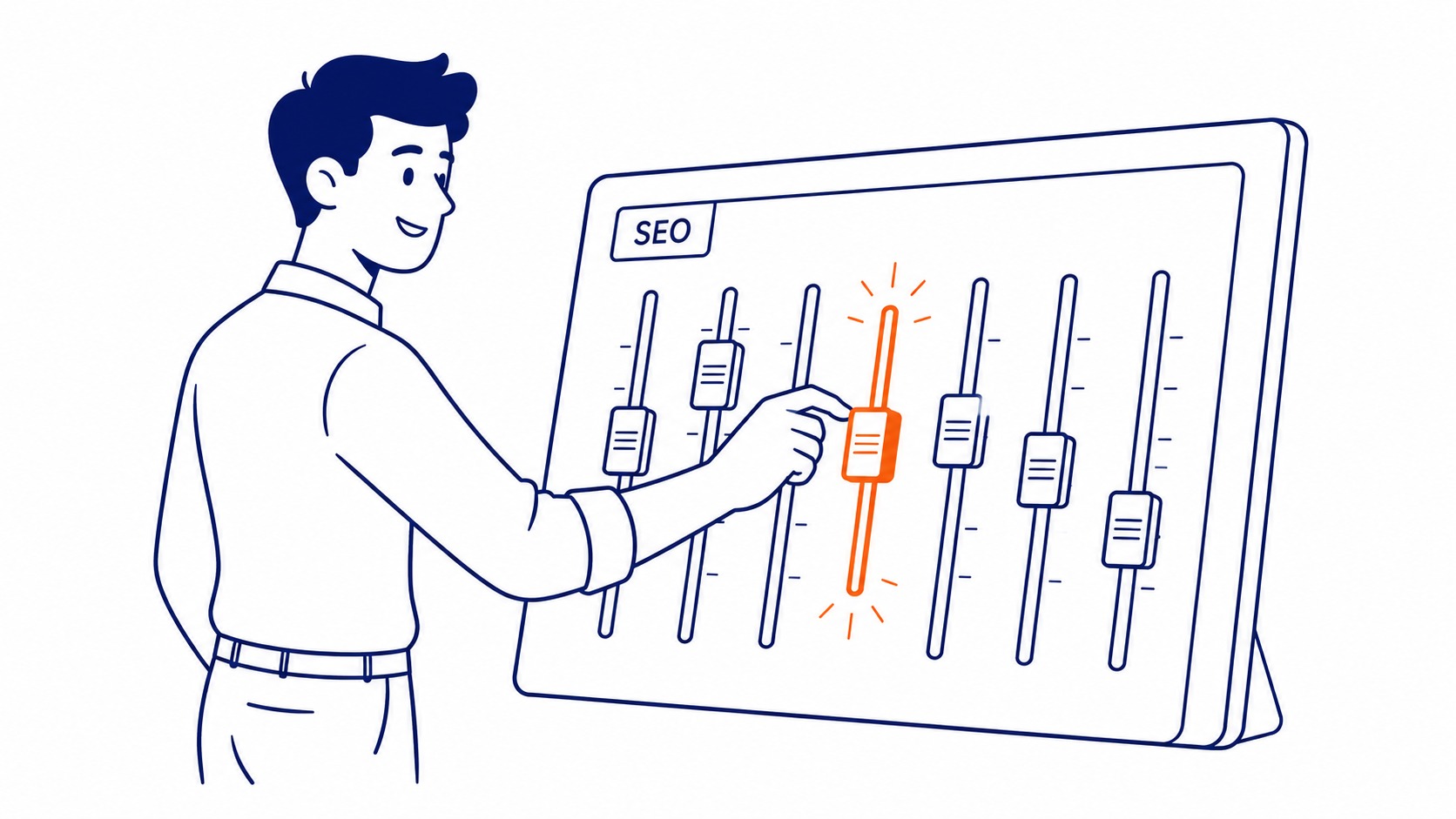
Nineteen Years of Watching This Thing Move
Something changed in late 2011. Every week now.
Google runs hundreds of algorithm changes each year. Most go unannounced. A few get named and covered by industry media. All of them affect where your pages land in search results. Most individual changes are small enough that no single site notices a shift.
Clients ask the same question, over and over. Why did my ranking drop and what do I do about it? The answer almost always traces back to one of two things. Your site did not keep pace with what the algorithm now rewards. Or a competitor improved while yours stayed still.

Understanding what the algorithm actually does is where that answer starts.
What the Google Search Algorithm Is Actually Doing
Not ranking keywords. Ranking pages.
Most people think about SEO in terms of keywords. The algorithm does not, exactly. Ranking positions are the output, not the input. Crawled content. Inbound links. Behavioural signals. Hundreds of smaller factors. Google weighs all of them against each other for every query that comes in.
Billions of searches run through this system each day. Each query gets matched to indexed pages within milliseconds. The algorithm is deciding, for that specific person at that specific moment, which page best satisfies what they were actually looking for. Milliseconds. That is the entire window Google has to evaluate every site.

That last part matters. Google’s goal is not to surface pages that contain the search query. The goal is to answer the searcher’s intent. Those are different problems. They get treated very differently.
A page about Calgary roofing contractors might outrank one literally titled that same phrase. Better answers what searchers want when they type it. Intent wins over keyword density. That shift happened gradually over many years. Hummingbird accelerated it. BERT completed the turn. BERT is language processing, which makes a definition of NLP in SEO useful background here.
The Ranking Factors That Consistently Show Up
Worth knowing before the numbers.
Google’s full ranking system has hundreds of factors. No one outside of Google knows the complete list. The same categories keep surfacing, however. Leaked documents. Court cases. Observable SEO patterns. Content quality. Inbound links. User experience. Page speed. Technical health. Search intent alignment.
Not a surprise list. These have dominated rankings for years. What has changed is how Google measures each one. Content quality in 2013 meant avoiding keyword stuffing and thin pages. Depth. Expertise. Whether users actually get what they came for. Content quality now means all three.

Links still matter. A wave of opinion in 2024 suggested links were losing ranking weight. The evidence from actual ranking patterns does not support that conclusion. High-authority inbound links still correlate strongly with top positions across competitive search results. What has changed is how Google evaluates link quality. Manipulative patterns get ignored or penalised. Links from relevant, trusted sites still move rankings.
Page speed matters. Core Web Vitals matter. Mobile-friendliness matters. These are now direct ranking inputs. A slow page hands its visitors to a faster competitor. The data shows this consistently across industries and markets.
Freshness is also a factor, though it varies by query. Breaking news queries weight fresh content heavily. Evergreen how-to topics weight authority and depth instead. Knowing which type of query you are targeting shapes how you think about updates. Where does the meaning of domain authority sit in all that?
The Named Updates That Shaped Modern SEO
Each one targeted something specific.
Google’s biggest algorithmic shifts got names. Several became inflection points for the SEO industry. Sites that survived them had already aligned with what each update rewarded. Ones that had not felt it immediately.
Panda (2011)
Thin pages. Duplicate content. Ad-heavy sites. Panda targeted all of them. Any built on low-quality content at scale lost large portions of traffic. Some never recovered. Panda established that Google had enough data to distinguish between pages users found useful and pages that existed only to capture queries.
Penguin (2012)
Link schemes and manipulative anchor text were the target. Penguin went after link building patterns that had produced results for years. It devalued those links rather than simply ignoring them. Built on artificial link profiles, rankings dropped hard. Real links from relevant sites held value. They still do.

Hummingbird (2013)
Natural language queries. Conversational searches. Hummingbird moved Google from matching individual keywords to understanding the meaning behind a full query. Voice search had arrived. Queries were getting longer and more specific. Hummingbird let the algorithm read a whole sentence and figure out what the searcher actually wanted.
RankBrain (2015)
Machine learning entered the ranking system. RankBrain handled ambiguous and never-seen-before queries. Hundreds of millions of searches arrive each day that Google has never encountered before. RankBrain learned to handle them by finding patterns across related searches rather than failing on unknown terms.
BERT (2019)
Bidirectional context. Before BERT, Google read queries word by word in one direction. BERT reads in both directions at once, picking up context that individual words create for each other. Prepositions became meaningful. Small function words changed the meaning of a query. BERT reads them the way a person would.
Helpful Content Update (2022)
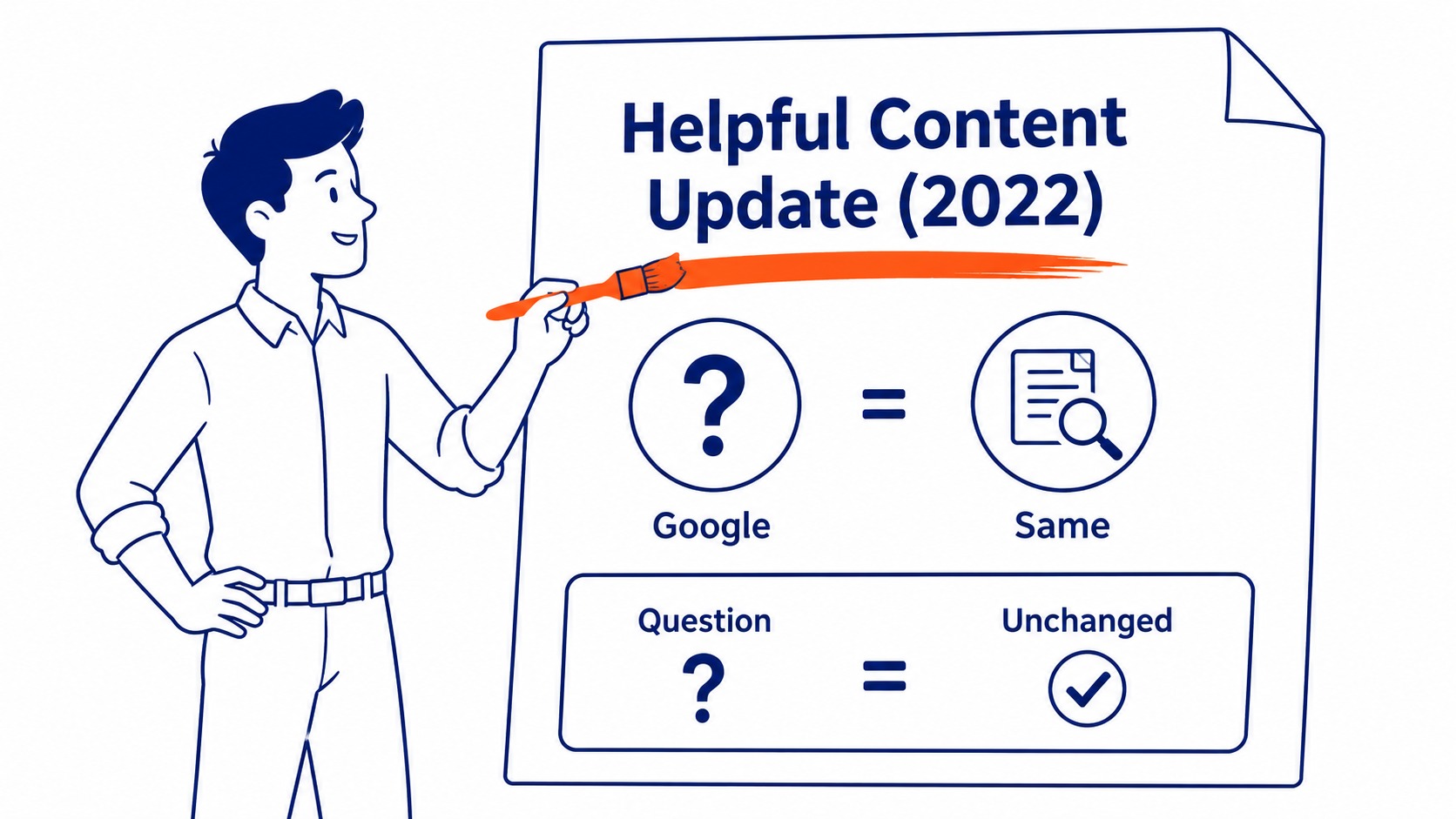
The question Google was asking had not changed. Did this page actually help the person who landed on it? The Helpful Content Update made that question into a ranking signal. Content written for search engines rather than for people was the target. Pages with a high proportion of unhelpful content saw sitewide ranking drops, not just page-level ones.
Core Updates Versus Named Algorithm Updates
A common point of confusion.
Core algorithm updates differ from named updates. Named updates such as Panda and Penguin targeted specific manipulation patterns or technical limitations. Core updates, however, are broader reassessments of how Google evaluates quality across the entire web.
A core update does not mean something specific broke on your site. It means Google recalibrated its quality assessment. Your pages fell on the wrong side of the new evaluation. Sometimes there is no identifiable cause on the affected site at all. Other times, the content is technically correct but not deep enough. Searchers who want a real answer go elsewhere.

That distinction matters practically. If a core update hit your site, fixing a specific technical issue will not resolve it. Improving the overall quality and depth of your content is still the path that consistently works. Core updates happen several times a year. Ranking fluctuations typically settle over two to three weeks following each announcement. Waiting out the volatility before diagnosing is usually the right move.
RankBrain, BERT, and Intent Alignment
Intent is the whole game now.
Search intent alignment is where most sites get it wrong. Keywords get researched. Meta descriptions get written. Content gets published. If the page does not deliver what the searcher was actually trying to accomplish, the behavioural signals tell Google. Dwell time drops. Click-through rates fall. The page slides.
RankBrain learned to recognise intent patterns from user behaviour. Results that users click and return from immediately get demoted over time. Ones that keep users on the page signal that the result delivered value.
BERT let Google read your content the way a human reader does. Picking up context. Noticing the relationship between ideas. Long, thorough content that covers a topic properly became more valuable. Shallow content covering the same keywords became less so.

Write for the person searching, not for the algorithm. That is the practical implication. The algorithm has been getting better at detecting the difference for over a decade. This is not a philosophical point. It shows up in rankings.
What Algorithm Changes Mean for Your SEO Strategy
The landscape shifts. Fundamentals hold.
Every time a major algorithm update rolls out, a wave of advice follows about what to do differently. Some of it is useful. Most overcomplicates what is actually happening.
Businesses that stay stable through algorithm changes share observable patterns. Their content answers specific questions thoroughly. Load speed on mobile stays fast. They earn links from relevant sources over time. Short-term gaming tactics never take hold.
That is not a new observation. It is the same direction the algorithm has been moving since 2011.
However, algorithm complexity matters less than one question for any business competing in organic search results. Is this site more useful and more credible than the competition? A solid SEO service in Calgary focuses on that question consistently, not on chasing each update announcement.
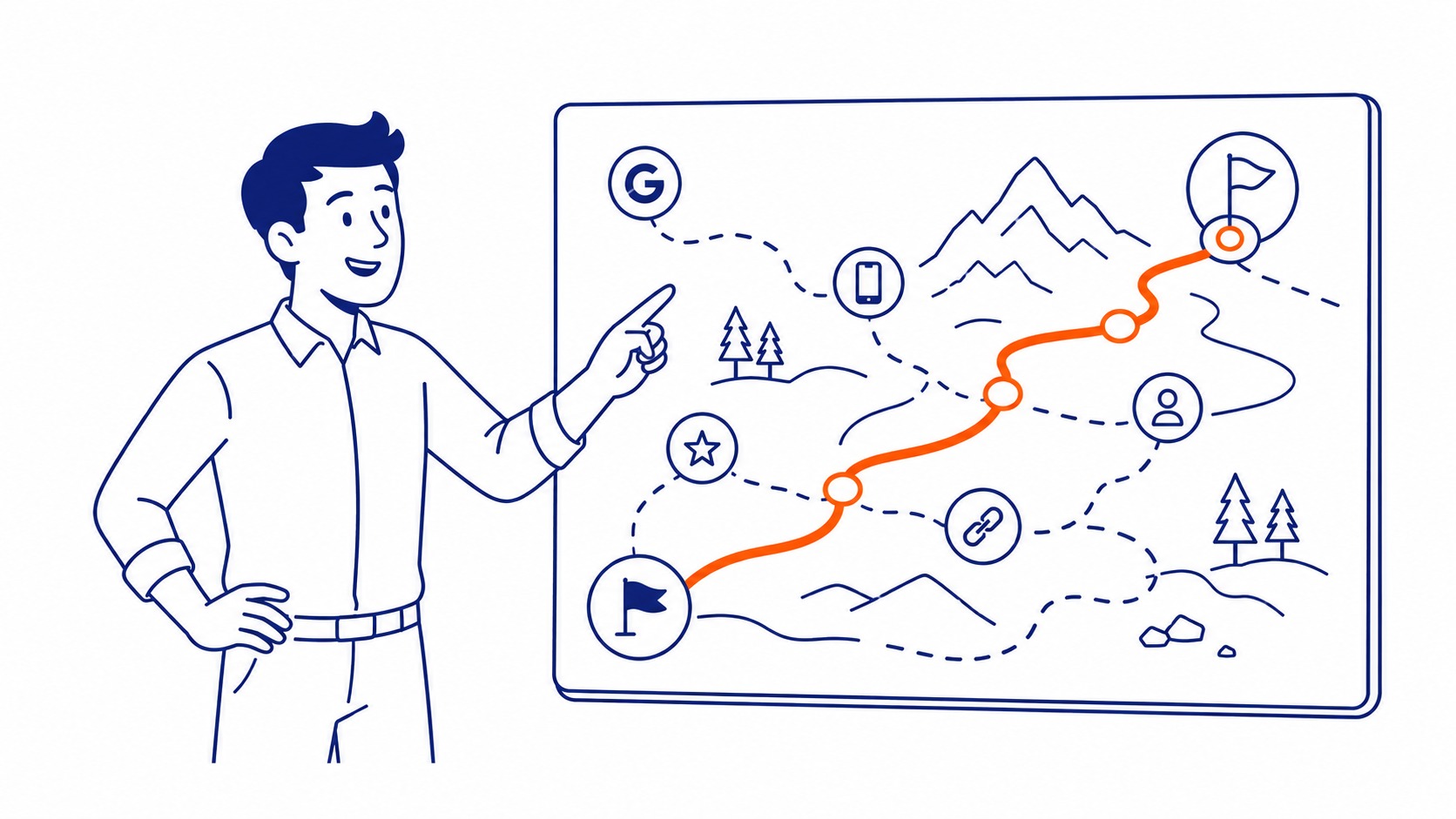
To-The-TOP! has been running local SEO Calgary campaigns since 2007. Through every major named update. Several rounds of core updates, too. The approach that survives across all of them is the same. Real content. Legitimate links. A site that actually serves the people who land on it.
Google Ads campaign management sits alongside organic SEO for clients who need search visibility while organic authority builds. The two approaches serve different timelines. Both deserve a strategy.
A thorough SEO site audit identifies where your current site stands against these algorithmic signals before content or link work begins. Understand the gap first. Then close it.

Solid in-depth keyword identification still feeds the whole system. RankBrain and BERT did not make keywords irrelevant. They made exact-match keyword stuffing irrelevant. Knowing which queries your audience actually uses remains the foundation of any content strategy that survives algorithm changes. Keyword work survived every shift the field of SEO has been through so far.
Frequently Asked Questions
What are Google algorithms in SEO?
A collection of systems that determine which web pages appear in search results and in what order. There is not one single algorithm. Content quality. Link authority. User experience. Intent alignment. Multiple systems evaluate all of them simultaneously. The combined output is the ranking position your page receives for a given search query. No single factor determines the outcome.
Is SEO dead or evolving in 2026?
Evolving. AI Overviews changed how some informational queries surface results. Organic listings still drive the bulk of clicks for commercial and local searches, however. Optimising for the algorithm is still how most businesses earn those clicks without paying per click individually. The audience is still there. That method still works.
What is the 80/20 rule for SEO?
Eighty percent of your ranking results come from twenty percent of the work. In practice, that usually means content quality and inbound link authority. Spending the bulk of effort on those two things outperforms spreading effort across hundreds of minor optimisations. Worth applying this thinking before chasing technical details. Most sites still underinvest in both.
What kind of algorithm does Google use?
A proprietary mix of traditional information retrieval layered with machine learning systems. RankBrain handles ambiguous queries. BERT interprets natural language context. Content quality. Link authority. User experience signals. Core systems evaluate all of them. No single ranking factor dominates. A weighted combination shifts with each update Google runs throughout the year.
Contact Calgary SEO Company To-The-TOP!
Questions about anything in this article, or about your own rankings? Talk to a Calgary SEO specialist directly.
Phone: (403) 308-5949
Address: 1509 14 Ave SW, Calgary, AB T3C 0W4
Hours:
Monday to Friday: 10:00 am – 7:00 pm
Saturday: 12:00 pm – 4:00 pm
Sunday: closed
