
Why Does SEO for Personal Injury Lawyers Matter?
Personal injury law is where the referral model goes to die. Most practice areas sustain themselves on word of mouth for years. Personal injury is different. Someone gets hurt. They go straight to Google. The phone call to an old family connection comes after the search, not before it. Only if the search didn’t already surface something they trusted.
That’s the shift SEO captures. Not the client who already knows your firm’s name. The person who doesn’t know anyone types “personal injury lawyer” at 11pm from a hospital waiting room. Whoever appears credible on page one gets the call. Those clients exist in volume. The question is whether your firm shows up when they’re looking.
We have seen personal injury firms lose significant revenue simply by not appearing for searches they should be winning. The same SEO principles an SEO company in Calgary applies across service categories work here too. Personal injury is the vertical where one case is worth more than most other client relationships put together.

One of the Most Competitive Legal Niches Online
Fragmented field. High-value cases.
Organic Rankings vs. Paid Ads
Personal injury lawyers compete for some of the highest-value keywords in all of legal marketing. The traffic worth winning here is also the hardest to rank for. Firms relying on Google Ads PPC management in this vertical regularly pay $50 to $200 per click on competitive terms. Organic rankings eliminate that cost. Traffic built through search engine optimization doesn’t stop when the ad budget does.
The financial case is clear. Compounding makes it even stronger. Firms that build organic rankings in personal injury see gains that paid search doesn’t deliver. Month six looks different from month one. By month eighteen, the gap is wider still. Each piece of authority built strengthens what came before it. A practice area page ranking for a specific injury type. Client reviews accumulating in Google. A citation from a legal news outlet. They all compound.
Paid traffic stops when the budget does. Eighteen months of well-run SEO doesn’t.
The Authority Gap and Why It Widens
The personal injury legal market is highly localized. Firms that win searches in a given city tend to hold those positions for years. Competitors who enter later face an authority gap that takes real time to close. Injury work is one slice of what law firm SEO means for a practice overall.

How Injured People Actually Search for Help
Search first. Everything else follows.
Mobile Search Dominates Legal Queries
Someone hurt in a car accident doesn’t open a directory or ask a neighbour first anymore. They search. The search happens within hours of the injury in many cases. Often from a mobile device in an urgent care waiting room or from a parking lot right after a collision.
The first firm that appears credible near the top of those results gets the call.
Referrals still arrive, however. Former clients still send friends. But the volume of people finding legal help through organic search has shifted the balance considerably. A personal injury firm without search visibility is invisible to most of the accessible market it could be reaching.
“Near me” queries for legal services climb year over year. Someone in pain, on a phone, at a specific moment. That is where most of the reachable new client volume now lives. Potential clients don’t compare firms slowly over days. They search, they scan results, they call. The whole process often completes in under 20 minutes.

Local SEO and the Map Pack
Three results. That is the window.
Your Google Business Profile
The local map pack shows three listings at the top of most “personal injury lawyer near me” searches. Those three positions capture the majority of clicks before anyone scrolls to organic results below. For personal injury firms, map pack placement often drives more direct calls than organic rankings alone.
Local SEO for a personal injury law firm starts with the Google Business Profile. Firm name. Practice address. Listed phone number. All three need to be consistent across every directory the firm appears in. Yelp is a local citation. Avvo entries count too. FindLaw included. Justia as well. Conflicting signals from inconsistent citations suppress map pack rankings. The correction takes months.
Citation Consistency and Legal Directories
Legal directories beyond Google carry real citation weight. Complete and accurate listings in each one contribute to local citation signals. Avvo matters here. So does Justia. FindLaw too. Lawyers.com included. Most firms have partial or outdated entries in several of these. That inconsistency quietly costs map pack positions month after month without anyone at the firm noticing.
Client Reviews as a Ranking Signal
Reviews sit at the centre of local SEO performance. Google weighs them. Prospective clients read them. A firm with 4.8 stars and 80 reviews consistently outranks a firm with 4.2 stars and 12 reviews in the same market. Volume and recency signal sustained client satisfaction in ways a handful of older reviews don’t.
Getting clients to leave reviews is an active effort. Most firms that struggle with review volume simply aren’t asking. Firms newer to search often want a plain reading of SEO before any of this lands.

Keyword Research for Personal Injury SEO
Not all traffic is equal.
High-Intent Head Terms
“Personal injury lawyer” is a high-intent keyword. Someone typing it is ready to hire. The competition for that term is severe, however. Your firm needs a realistic mix. High-intent head terms alongside longer queries that still carry strong buying intent. A query like “car accident lawyer Calgary” targets someone at a different stage of the decision. Someone typing “what to do after a work injury” is further back in the research process. Both are worth ranking for.
Long-Tail Keywords and Qualified Leads
Long-tail keywords matter for a practical reason. Ranking for “best personal injury lawyer for car accidents in my city” captures clients who have already decided to hire someone. They just haven’t picked a firm yet. Lower competition. Higher conversion rate on the traffic that arrives. The leads tend to be more qualified than those from broader terms.
To have your keywords researched properly, a firm needs real tools rather than guesses. Google Keyword Planner works for volume estimates. Ahrefs and Semrush go deeper on keyword difficulty and competitor rankings. The gap between what your firm assumes potential clients are searching and what they actually type is often larger than expected.

Content That Answers What People Actually Ask
Questions before cases.
Practice Area Pages and Injury-Specific Content
Someone searching for a personal injury lawyer often searches something else first. They’re wondering whether they even need a lawyer. What a fair settlement looks like. How long they have to file. They’re in research mode before hire mode. A firm whose website answers those questions consistently becomes credible to the prospect before they’ve decided to call anyone.
Organic traffic at this stage flows from content built around real questions. Blog posts. FAQ pages. Dedicated practice area pages. All of them compete for the queries people type before they hire. Content that doesn’t answer an actual question doesn’t earn that traffic.
Practice area pages deserve individual treatment. A dedicated page for car accident cases. Another for slip and fall claims. Medical malpractice gets its own page too. Each one is a separate ranking opportunity for injury-type searches. A single general “personal injury services” page competes for everything at once. Dedicated pages compete for the specific queries they’re built around. Search engine optimization rewards that specificity directly.
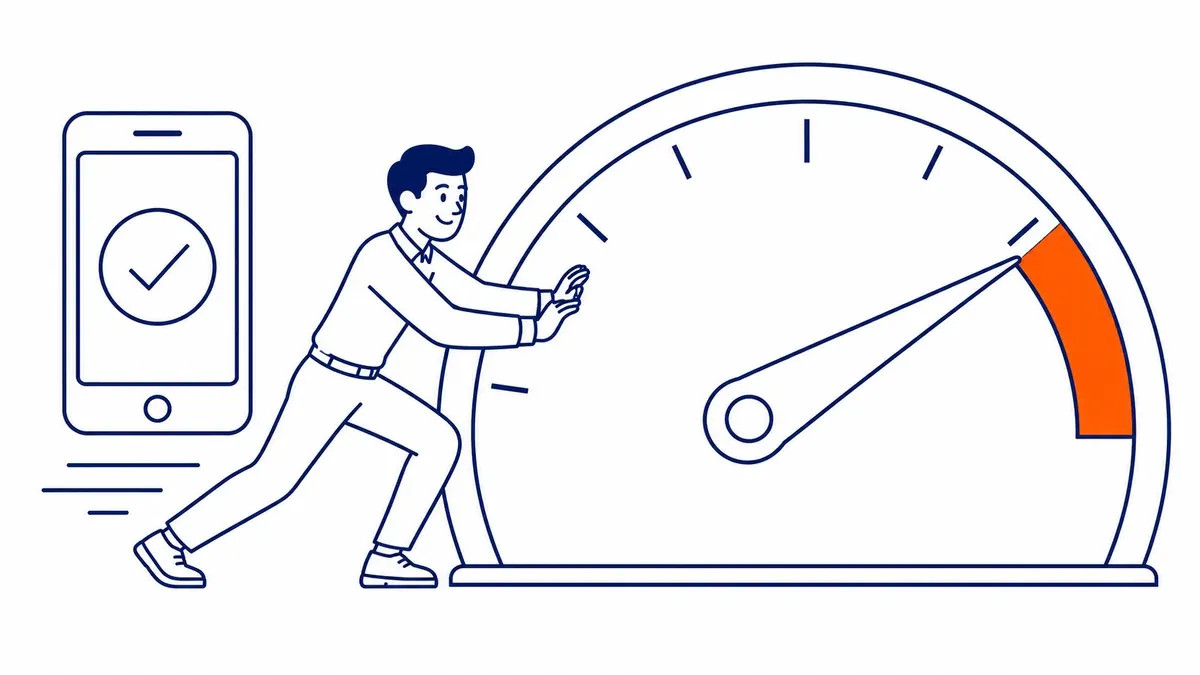
Mobile Usability and Page Load Speed
Your website also needs to work on mobile devices. Most legal searches happen on phones. A slow or broken mobile display loses the visitor before they read a word.
Backlinks, Reviews, and Authority Signals
Credibility signals travel.
Legal Directories and Relevant Links
A personal injury firm featured in a legal publication earns backlinks that competitors without a content strategy don’t. The same is true for firms cited by local news outlets or bar association directories. Those links accumulate over time.
Links from relevant legal and local sources carry more value than links from generic business directories, however. The specificity of the source matters. A citation from a bar association carries different weight than a mention in a generic online listing directory.
Trust Signals That Affect Conversion
Client reviews contribute to both SEO visibility and conversion. Higher review volume correlates with stronger local rankings. So does recency. More detailed write-ups help too. A potential client reading your reviews has already moved past the search stage. They’re deciding. A collection of recent, specific client testimonials moves that decision more reliably than a high star rating with few reviews.
Trust signals matter in personal injury specifically because the stakes for your client are high. Someone dealing with a serious injury and mounting costs wants to hire someone credible. Reviews signal trust. Case outcomes signal results. Professional affiliations signal standing in the field.

Technical SEO: What a Slow Site Actually Costs
Speed kills, quietly.
Page Speed and Core Web Vitals
A personal injury website with slow page load times is losing cases. The site still exists. People still find it in search results. But the visitor who clicked often leaves before the page finishes loading. In a high-intent legal search, that is a case transferred to whoever ranked next.
Technical SEO addresses the infrastructure issues holding the site back. Page load speed. Mobile rendering. Site crawlability. Each one affects how search engines interact with the site. Google Search Console surfaces the pages losing visitors and the queries where your site appears but doesn’t earn clicks. Technical issues block every other SEO effort. Strong content and solid backlinks don’t help a site that search engines can’t properly crawl.
SEO auditing of your website surfaces the problems clearly. Crawl errors. Slow-loading pages. Missing meta descriptions. Schema gaps. Any one of those is manageable. Together they quietly suppress rankings across the searches your firm should be winning.
Schema Markup for Law Firms
Schema markup for law firms deserves specific attention. Attorney schema and LocalBusiness schema tell search engines what type of firm operates here and what it practises. Properly implemented schema can surface review stars directly in search results. That improves click-through rates before a prospect even reaches your website.
Most personal injury law firms see measurable ranking improvement within six months of addressing these technical gaps. An SEO services audit is the right place to start. Scope like that is exactly what pushes legal SEO pricing around from firm to firm.
FAQ: Personal Injury Lawyer SEO
Does SEO work for law firms?
The answer is yes. Personal injury law firms that invest in SEO over 12 to 24 months build organic traffic. Paid advertising doesn’t replicate that once the budget stops. The timeline is realistic. Three to six months before meaningful position movement, longer in competitive markets. Most firms that abandon the effort do so right before it would have compounded into something useful.
How long does SEO take for a personal injury firm?
Three to six months before meaningful position movement. Twelve months before stable organic traffic patterns. That’s the realistic window for a well-run SEO effort in a competitive legal market. Firms expecting results in month one tend to quit before the compounding starts.
What keywords should personal injury lawyers target?
Location-specific high-intent terms first. “Personal injury lawyer [city].” “Car accident lawyer near me.” Injury-type specifics. Then the longer-tail question terms people search during the research phase before they hire. Head terms drive volume. Long-tail terms drive qualified leads. Neither alone covers the full opportunity.
What are red flags when hiring an SEO company for legal marketing?
Guaranteed rankings in a specific timeframe. Legitimate agencies can’t promise that. Also watch for packages with no monthly transparency on what work actually gets done. A proper SEO effort for a personal injury firm should include reporting that connects activity to ranking movement each month. Worth asking for a sample report before signing anything.
Contact Calgary SEO Company To-The-TOP!
Questions about anything in this article, or about your own rankings? Talk to a Calgary SEO specialist directly.
Phone: (403) 308-5949
Address: 1509 14 Ave SW, Calgary, AB T3C 0W4
Hours:
Monday to Friday: 10:00 am – 7:00 pm
Saturday: 12:00 pm – 4:00 pm
Sunday: closed