
A/B Testing in SEO and How to Prove a Change Actually Improves Rankings
Most SEO changes get made on gut feel. Change a title tag. Wait a month. Guess whether it helped. A/B testing in SEO replaces the guess with actual evidence.
Split traffic between two page versions. Measure which one performs better. Same logic as A/B testing for conversion rate, applied to organic search instead.

Why A/B Testing SEO Is Harder Than CRO Testing
Standard A/B testing splits live traffic between two versions of a page, randomly, in real time. SEO doesn’t work that way. Google indexes one URL. Showing different content to Google versus real visitors risks a cloaking penalty, a serious one.
A/B testing in SEO gets around this with a different method. Split URLs into two groups instead of splitting traffic on one URL. Group A gets the change. The control group, B, stays untouched. Compare ranking and traffic performance across both groups over time.
Tools like SearchPilot handle the group splitting and statistical analysis automatically. Some agencies build open-source alternatives in-house instead. Manual A/B testing works too, just slower and messier without the tooling. Worth understanding what SEO testing covers before picking any of those routes. Title and description tests are the usual starting point there, squarely metadata SEO work.

What to Test First
Title tags are the easiest starting point. Test a benefit-driven title against a keyword-stuffed one across a group of similar pages. Click-through rate differences show up within weeks, often faster than ranking changes do.
Meta descriptions come next. Rankings don’t respond to meta description changes directly. Click-through rate does, though. That indirectly shapes ranking behavior over time.
Internal linking structure is worth testing too. Add contextual links from high-authority pages to a target page in group A. Leave group B unchanged. Ranking movement over eight to twelve weeks tells you whether that internal link equity actually moved the needle. Title tests are also the fastest route to improving click-through rate from search.

How Long a Test Needs to Run
Four weeks minimum, usually. Google needs time to crawl and index the change first. Factoring it into ranking calculations comes after that. Two weeks and calling it done almost always produces noise, not a real signal.
Statistical significance matters here just as much as it does in conversion rate A/B testing. A handful of pages showing movement means nothing without enough total traffic volume to rule out random variance. Bigger groups, longer timeframes, more reliable results.
Seasonal traffic patterns can also distort a test running through a holiday period or an industry’s slow season. Account for that before drawing conclusions from any single test window.
Common Mistakes That Ruin a Test
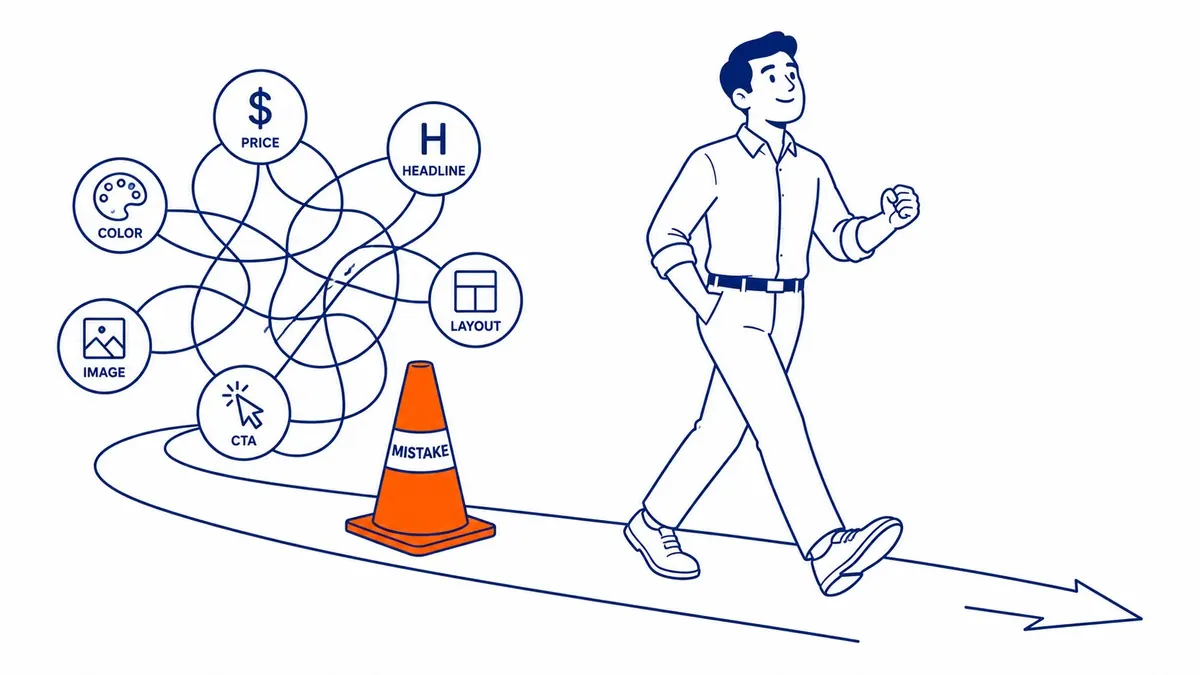
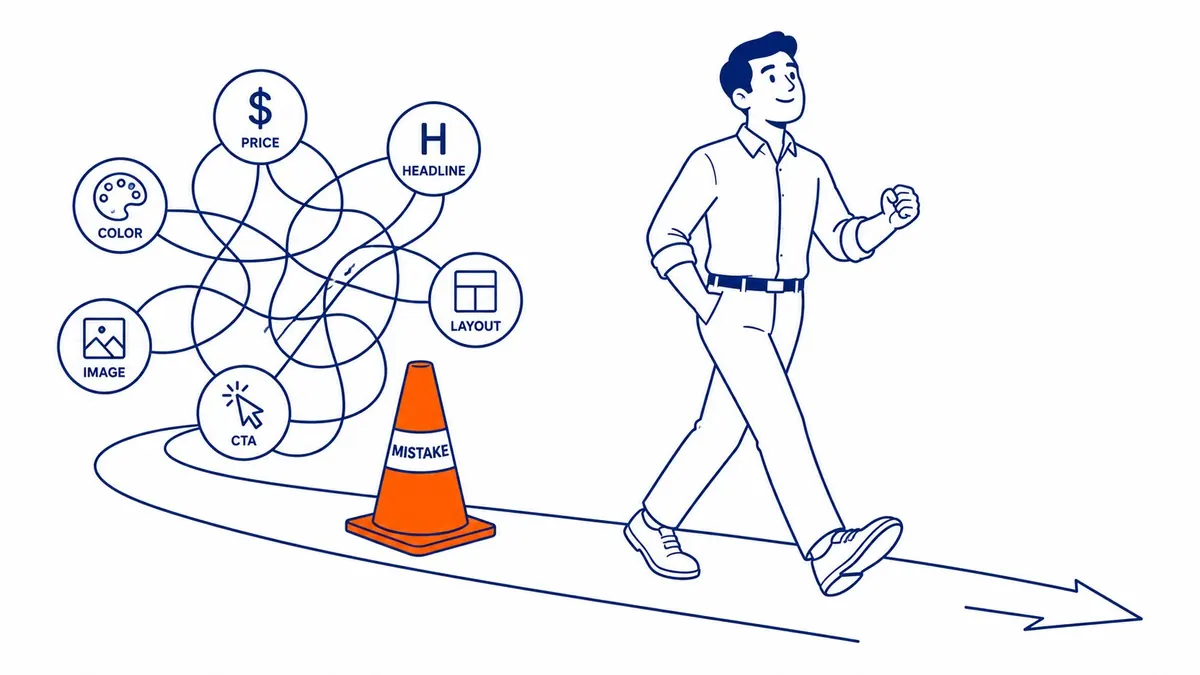
Testing too many variables at once tops the list. Change the title and the meta description simultaneously. Touch the internal links too. Now there’s no way to know which change actually drove the result.
Sample sizes too small to matter come next. Testing five pages against five others rarely produces a statistically meaningful signal. Twenty or more pages per group gives a much more trustworthy read.
Ignoring external factors is another common trap. A competitor’s major content push mid-test can swamp the real signal. Same with a core algorithm update landing at the wrong moment.
Applying Results to a Full Site
A confirmed win on a test group doesn’t guarantee identical results site-wide. Roll changes out gradually. Watch a broader set of pages after the wider rollout to confirm the pattern holds beyond the original test group.
For a Calgary SEO campaign, testing on a subset of service pages before touching the whole site limits downside risk. A title tag change tanking click-through rate on ten pages is recoverable. The same mistake across two hundred pages costs a lot more.
Document every test. What changed, first. Then the result, and why it happened. Six months later, that history prevents re-testing the same failed idea from scratch.
Frequently Asked Questions
Do I need special software to run SEO A/B tests?
Not strictly, though it helps a lot at scale. Manual testing with spreadsheets and Google Search Console data works for smaller sites. Dedicated tools like SearchPilot automate the group splitting and statistical analysis, which matters more as the number of tested pages grows.
How many pages do I need for a valid SEO test?
Twenty or more per group is a reasonable baseline for most sites. Directional signal can still show up with smaller samples. The risk of mistaking random variance for a real effect rises sharply below that threshold, though.
Can A/B testing hurt my rankings?
Poorly executed tests can, yes. Too many pages at once, or changes that genuinely confuse search intent, risk real ranking damage. A controlled subset first, with clear rollback plans, keeps that risk contained. See the SEO blog for more on structuring a safe test.
Contact Calgary SEO Company To-The-TOP!
Questions about anything in this article, or about your own rankings? Talk to a Calgary SEO specialist directly.
Phone: (403) 308-5949
Address: 1509 14 Ave SW, Calgary, AB T3C 0W4
Hours:
Monday to Friday: 10:00 am – 7:00 pm
Saturday: 12:00 pm – 4:00 pm
Sunday: closed