
Do You Need Both SEO and GEO for Your Website?
Yes. Not because they are two different disciplines. GEO runs on the same content signals SEO has always required. The difference is where that content ends up. SEO puts your site in organic search results. GEO puts your brand inside generated answers on platforms like Google and ChatGPT. Not choosing between them. Adding a second distribution surface instead.
The practical question is whether that second surface matters yet for your website. For most businesses, it already does. Not because AI search has overtaken traditional search. It has not. Ignore it and you leave a growing piece of top-of-funnel visibility on the table.

What GEO Actually Is
Short for Generative Engine Optimization. Optimizing for generated answer surfaces instead of ranked organic links. Traditional search gives results. Generative search gives answers. Fundamentally different user experience.
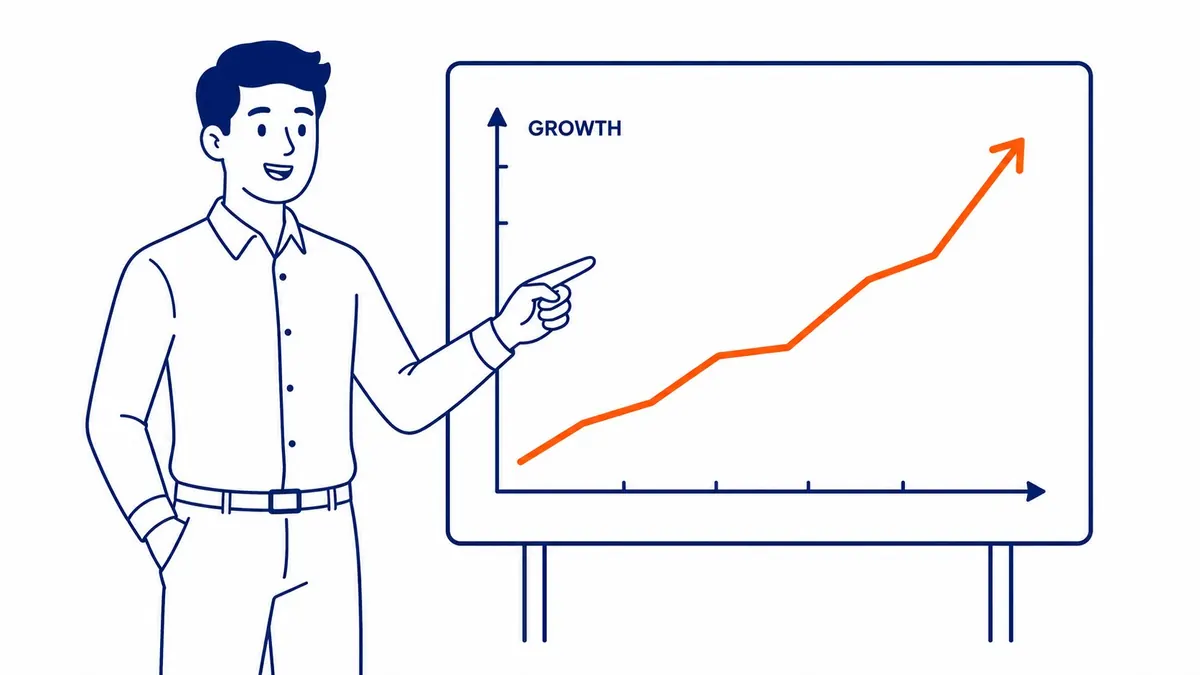
Google still processes roughly 14 billion searches daily. ChatGPT handles about 37 million. The volume gap is 373 to 1. Traditional search is not going away. But that AI surface is growing fast. As of March 2025, 13.14% of all queries triggered Google’s AI Overviews. Three months earlier it was 6.49%. That doubled in a quarter. The direction is clear.
Here is what makes GEO different from standard SEO. Success is not measured in clicks. It is measured in citations and brand mentions inside AI outputs. Someone asks ChatGPT which local SEO company to contact. ChatGPT names three Calgary businesses. That is GEO visibility. There is no click, no visit, no traditional conversion funnel. But the recommendation happened. That matters.

Where SEO and GEO Overlap
The overlap is large. Both reward the same core content signals. Content clarity. Brand authority. Structure. User intent alignment. Well-structured content with real citations and authoritative references works for both at once. Solid SEO fundamentals push content into generative answer surfaces automatically. The two disciplines share the same foundation.
40.58% of citations inside generative answers come from Google’s top 10 results. That should settle the question of which one to prioritize. Ranking well in traditional search is still the fastest path to generative citation. Pick both or pick none.
The content signals GEO values most are the same things a well-run keyword research strategy produces anyway. Clear entity signals. Structured data. Specific statistics and authoritative references. E-E-A-T applies to both. Thin content fails both. You end up in the same place with a plain reading of AEO vs SEO. So combining SEO and GEO is less of a decision than it sounds.
What GEO Adds That SEO Does Not Cover
Three differences matter for website strategy.
Off-site presence is the first. Generative platforms pull from sources you do not own. Reddit threads. Review platforms. Industry directories. Wikidata entries. News coverage. LinkedIn profiles. An SEO strategy focused only on your own website can rank it well. It can still leave your brand invisible in generated answer contexts. These platforms assemble their responses from third-party sources you do not control. GEO thinking pushes attention toward your brand’s footprint across sources these platforms trust.
Entity recognition is the second. In traditional SEO, backlinks are the primary currency. For generative visibility, consistent brand mentions matter more. A generative model builds its understanding of who your business is from the pattern of references across the web. One mention on a reputable industry site carries more GEO weight than ten links from low-context directories. The type of reference counts.
Zero-click reality is the third difference. Bain and Company put it at 80% of users answering 40% of their queries without clicking a link. Google Overviews are accelerating that. A business optimizing only for traffic and clicks misses users who resolve their query at the generative answer stage. GEO is the layer that earns you presence even when no one visits your site. Top-of-funnel brand building at a stage that traditional analytics does not track cleanly. Presence at that stage is one of the basics of generative SEO.

Should You Run Both?
Yes. Sequencing matters more than the yes-or-no. Thin content, poor technical health, no real citation profile. GEO-specific efforts will not accomplish much without fixing those first. These platforms cite authoritative sources. A site Google does not trust will not get cited by them either. Fix the SEO base. The GEO layer follows naturally.
For websites with a solid SEO foundation, a few additions unlock GEO visibility. Explicit statistics in body copy. Authoritative external references. Entity signals must be clear across all surfaces. NAP consistency, Wikidata presence, structured data. An off-site reputation strategy that covers review platforms and industry mentions. None of these conflict with SEO. Each one strengthens it.
Businesses that ignore GEO are usually mid-funnel focused. They care about transactional queries where the user clicks and converts. Fair position. But AI search generates higher-quality conversions for users who do arrive via that path. Longer decision-making process. Users further along in the funnel. The visits that happen through AI referral tend to close at higher rates.
Run Google Ads for immediate conversion intent. SEO for compounding organic traffic. GEO layered into the content strategy as you build. The cost of adding GEO thinking to an existing SEO content process is low. You are already producing the content. Adding explicit statistics and off-site entity signals adds scope to each piece. Not a whole new workstream.
Frequently Asked Questions
Will GEO Replace SEO?
Not any time soon. Google processes 373 times the query volume of ChatGPT. Traditional organic search remains where the bulk of purchase-intent queries resolve. GEO adds to SEO. It does not replace it. Treat it like a replacement and you under-invest in the channel that still drives most search-driven revenue.
How Do AI Platforms Decide What to Cite?
Same query, different platform, different results. No single algorithm governs all of them. Source authority matters consistently. Content clarity. Specific statistics with citations. A pattern of brand mentions across independent sources. Structured data helps. On its own, though, not enough. What the models weight most is real authority. Earned across multiple credible sources, not just technical signals.
How Do I Measure GEO Visibility?
Imperfectly. No unified dashboard for this exists yet. Nothing like Search Console for organic rankings. Monitoring brand mentions inside LLM responses means running manual queries or using third-party tools that are still catching up. Most businesses start by checking how often their brand appears in generated answer outputs for target queries. Not a perfect metric. Directionally useful while better tools mature.
Do Small Businesses Need GEO?
Yes, especially local ones. Google Overviews appear heavily for local service queries. “Best plumber in Calgary.” That type of search. A local business absent from the third-party sources these platforms pull from will not appear in those answers. Google Business Profile. Review platforms. Local directories. These are what the platforms pull from. Local GEO is largely about off-site presence and entity consistency. That is the same work local SEO already demands. Small overlap, high leverage.
Contact Calgary SEO Company To-The-TOP!
Questions about anything in this article, or about your own rankings? Talk to a Calgary SEO specialist directly.
Phone: (403) 308-5949
Address: 1509 14 Ave SW, Calgary, AB T3C 0W4
Hours:
Monday to Friday: 10:00 am – 7:00 pm
Saturday: 12:00 pm – 4:00 pm
Sunday: closed