
How to Do a PPC Campaign From Setup to First Real Results
Structure built before the first dollar gets spent is what makes or breaks a PPC campaign. Budget wastes fast on rushed setup. Problems get caught before they cost real money with a methodical, step-by-step approach instead.
Six core steps cover the process. The whole campaign suffers if even one gets skipped.
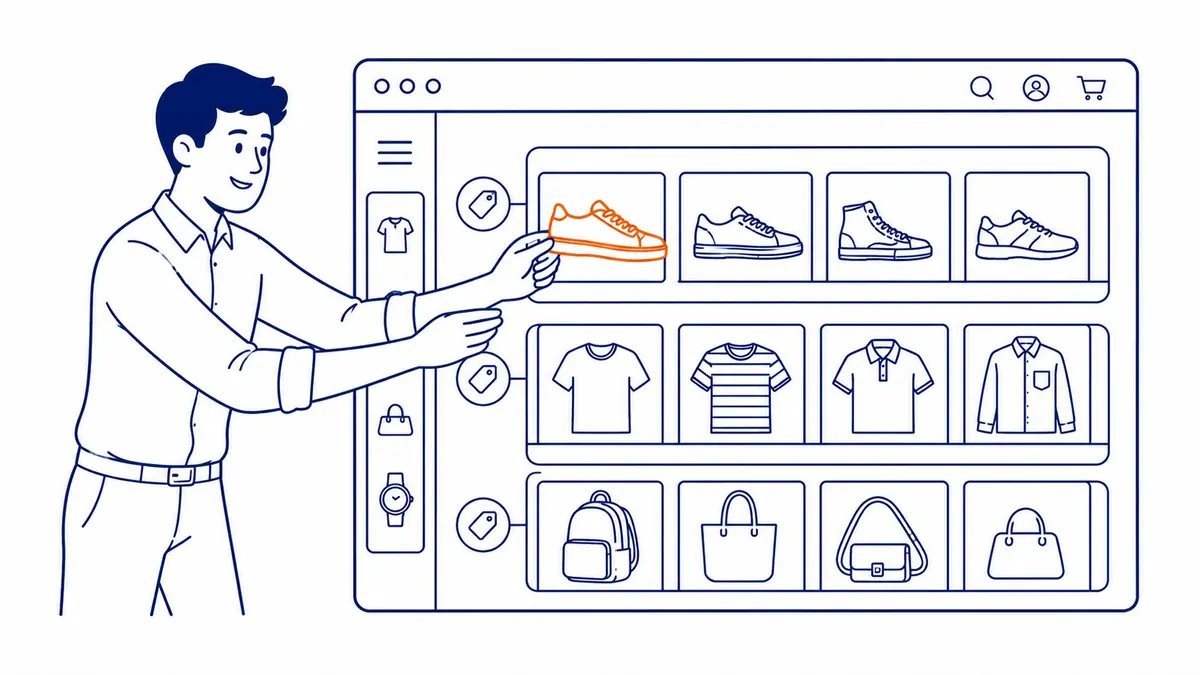
Define a Clear Campaign Goal First
Leads, sales, calls, brochure downloads. One primary goal gets picked before touching the Google Ads platform at all. Nothing optimizes well for a campaign trying to chase everything at once.
Match the campaign type to that goal. High-intent, ready-to-buy searches suit search campaigns well. Awareness goals fit display and video better, earlier in the buyer’s actual journey.
Tie a realistic budget to the goal’s value. Justifying a much higher cost per click makes sense for a business closing a five thousand dollar deal. Nowhere near the same math applies to a twenty dollar product. Getting that math right early is the groundwork behind successful Google Ads campaigns.
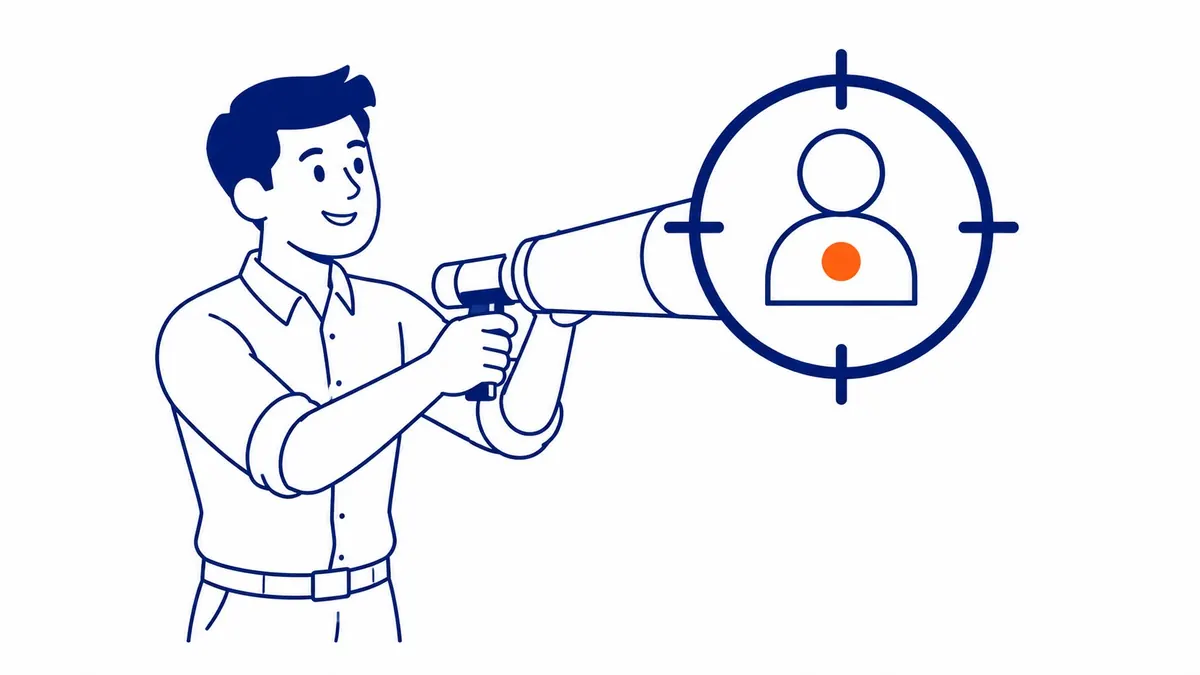
Build Keyword Research Around Real Buyer Intent
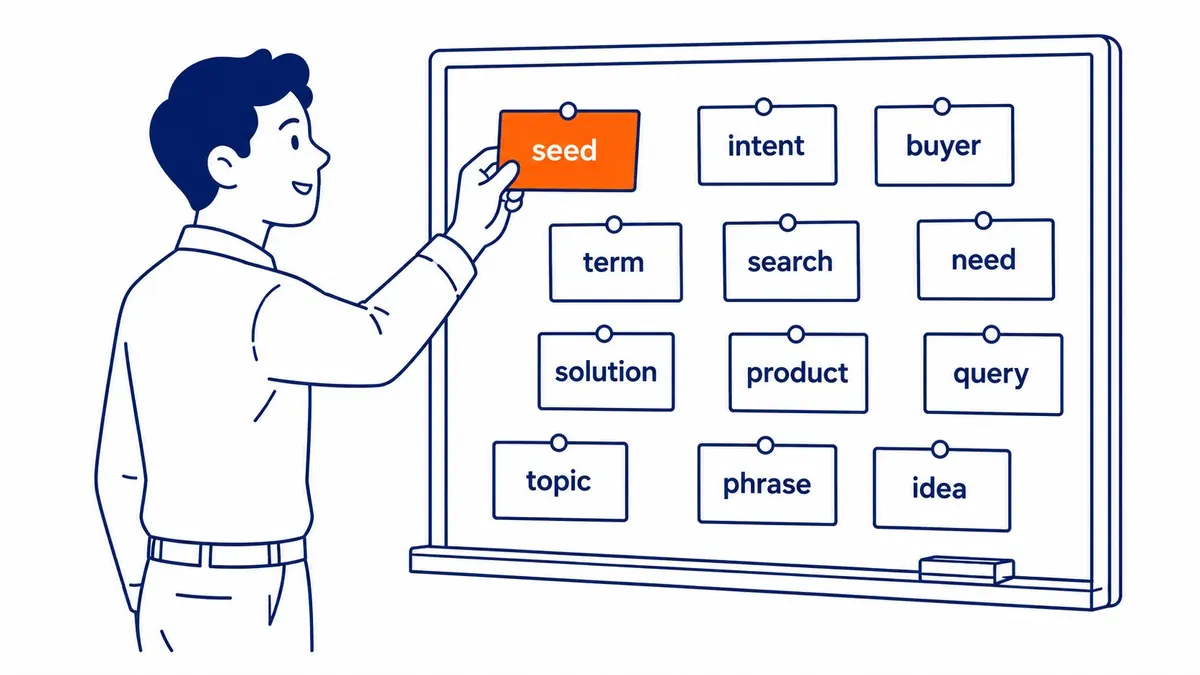
A seed keyword list of obvious terms starts the process. Google Keyword Planner inside Google Ads expands it from there, or a paid keyword tool. Priority goes to commercial and transactional intent keywords over broad, informational ones.
Tight thematic keyword clusters work better than one giant undifferentiated list. Each cluster eventually becomes its own ad group, built around closely related search terms.
A negative keyword list belongs inside Google Ads before launch, not after. Real budget gets saved from day one by obvious exclusions. Terms like “free,” “jobs,” or “DIY” for a paid service business.
Structure Campaigns and Ad Groups Logically
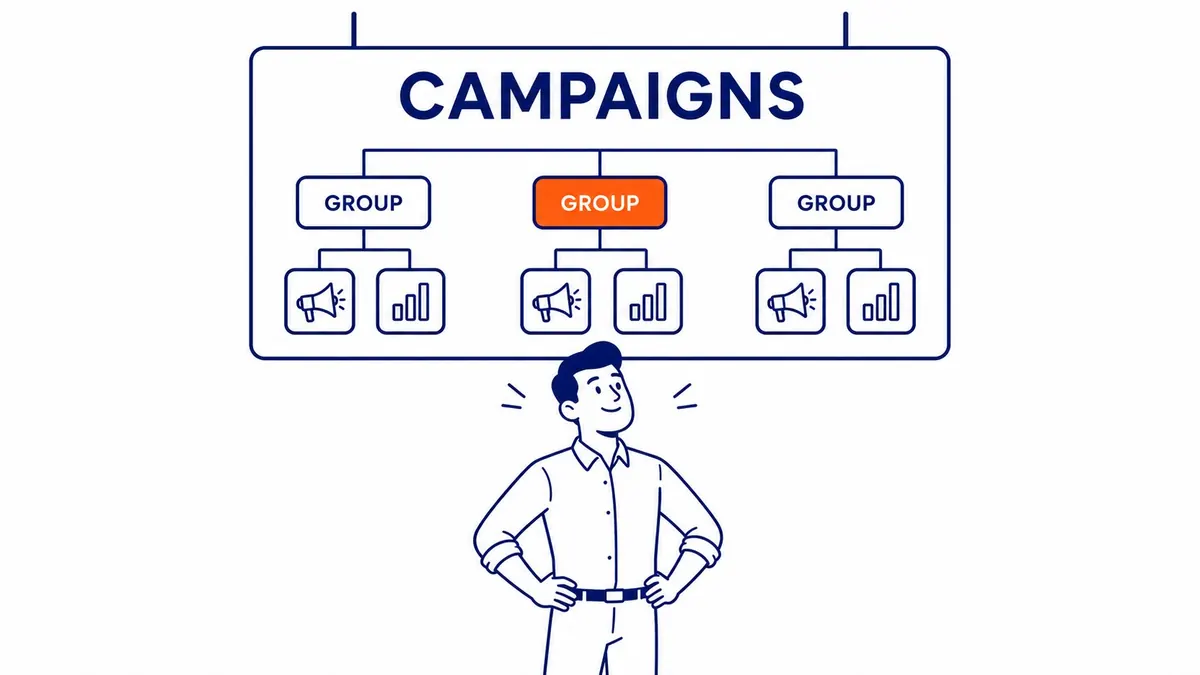
Distinct product lines organize campaigns well. Service categories or geographic areas work too, depending on the business. A plumbing company, for instance, might run separate campaigns for emergency repairs versus routine maintenance.
Within each Google Ads campaign, tightly themed ad groups belong. Five to twenty closely related keywords per ad group usually delivers better results. Fifty loosely connected keyword terms thrown into one bucket rarely does.
Each ad group’s theme and target keyword need matching ad copy. The keyword relevance advantage tight structure was supposed to provide gets wasted by generic ad copy running across every ad group.
Write Ad Copy That Actually Converts
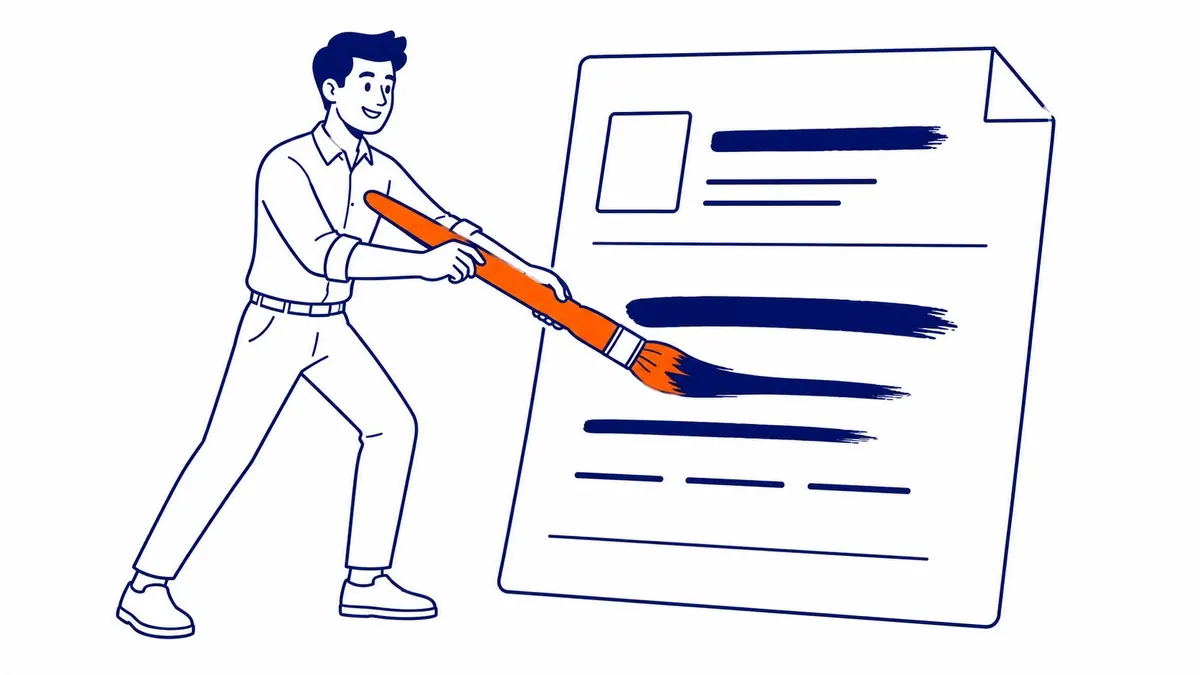
The specific benefit a searcher cares about belongs first, not a generic feature list. Price, speed, guarantee, whatever actually differentiates the offer. That goes in the headline, not buried in the description.
Every Google Ads text ad needs a clear call to action. “Call now.” “Get a free quote.” “Shop the sale.” A noticeably lower conversion rate follows vague ads without a direct next step.
Every relevant ad extension available deserves adding. The ad’s visible footprint grows with sitelinks. Callouts and call extensions too. No extra cost involved, and click-through rate typically improves. A quarterly PPC audit catches the extensions you forgot to add. Copy rules shift once you build a Google display ad instead.
Set Up Conversion Tracking Before Launch
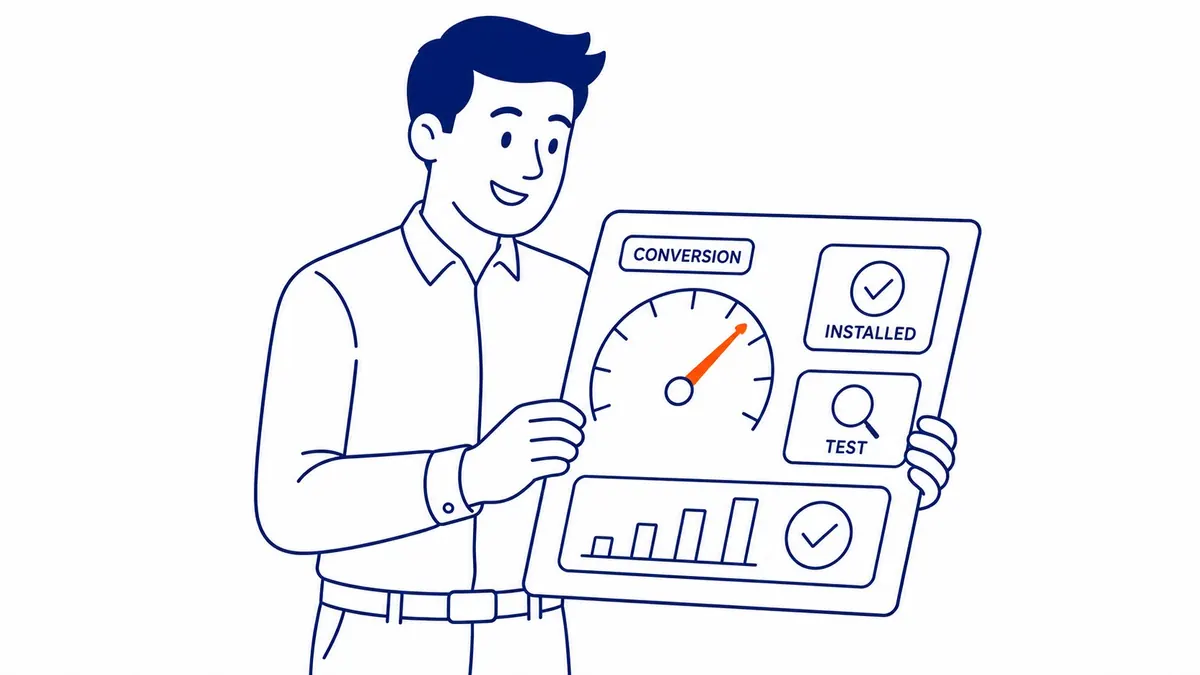
Before spending a single dollar on the live campaign, install and test conversion tracking in Google Ads. Untracked conversions turn every later optimization decision into a guess. Not a data-backed choice.
Test the tracking with a real conversion event before trusting the setup completely. Every report generated afterward gets undermined by a form submission or phone call that doesn’t register properly.
Surprisingly often, businesses managing campaigns solo skip this step. Even a Calgary SEO agency also running Google Ads management sees it happen. A mistake worth avoiding.
Launch, Monitor, and Adjust Early
A moderate budget beats the maximum available spend at the start. Obvious problems surface through a smaller initial test, before real money gets committed at full scale.
Daily performance checks matter for the first two weeks. Search terms triggering ads deserve close attention during this initial window. Actual cost per click and early conversion signals too.
A learning period comes before automated bidding strategies stabilize. Most Google Ads campaigns need three to four weeks of real conversion data. Only then does Google’s algorithm optimize bids effectively.
Frequently Asked Questions
How much budget do I need to start a PPC campaign?
Entirely dependent on industry competitiveness and cost per click. A few hundred dollars monthly can meaningfully start a local service business campaign. Competitive national markets often require several thousand instead, enough to generate real optimization data.
How long before a PPC campaign shows results?
Days, and initial data starts flowing. Meaningful optimization typically takes three to four weeks, though. Full performance stabilization often takes six to eight weeks total, once automated bidding has enough conversion history.
Should I manage my own PPC campaign or hire an agency?
Fine, self-managed, is how smaller, simpler campaigns can work with some learning investment. Professional management usually benefits larger or more competitive campaigns, since mistakes at scale cost far more than the management fee itself. See the SEO blog for more on pairing PPC with organic strategy.
Contact Calgary SEO Company To-The-TOP!
Questions about anything in this article, or about your own rankings? Talk to a Calgary SEO specialist directly.
Phone: (403) 308-5949
Address: 1509 14 Ave SW, Calgary, AB T3C 0W4
Hours:
Monday to Friday: 10:00 am – 7:00 pm
Saturday: 12:00 pm – 4:00 pm
Sunday: closed