How to Do a PPC Audit That Actually Finds the Wasted Spend
Money leaks out of a Google Ads account, and a PPC audit finds exactly where. Wasted clicks. Poor Quality Scores. Misaligned keywords. Real problems hide in plain sight in most PPC accounts, even Google Ads accounts that look fine at a glance.
Run one quarterly, at minimum. PPC accounts drift badly without regular review. Google Ads campaigns are no exception.
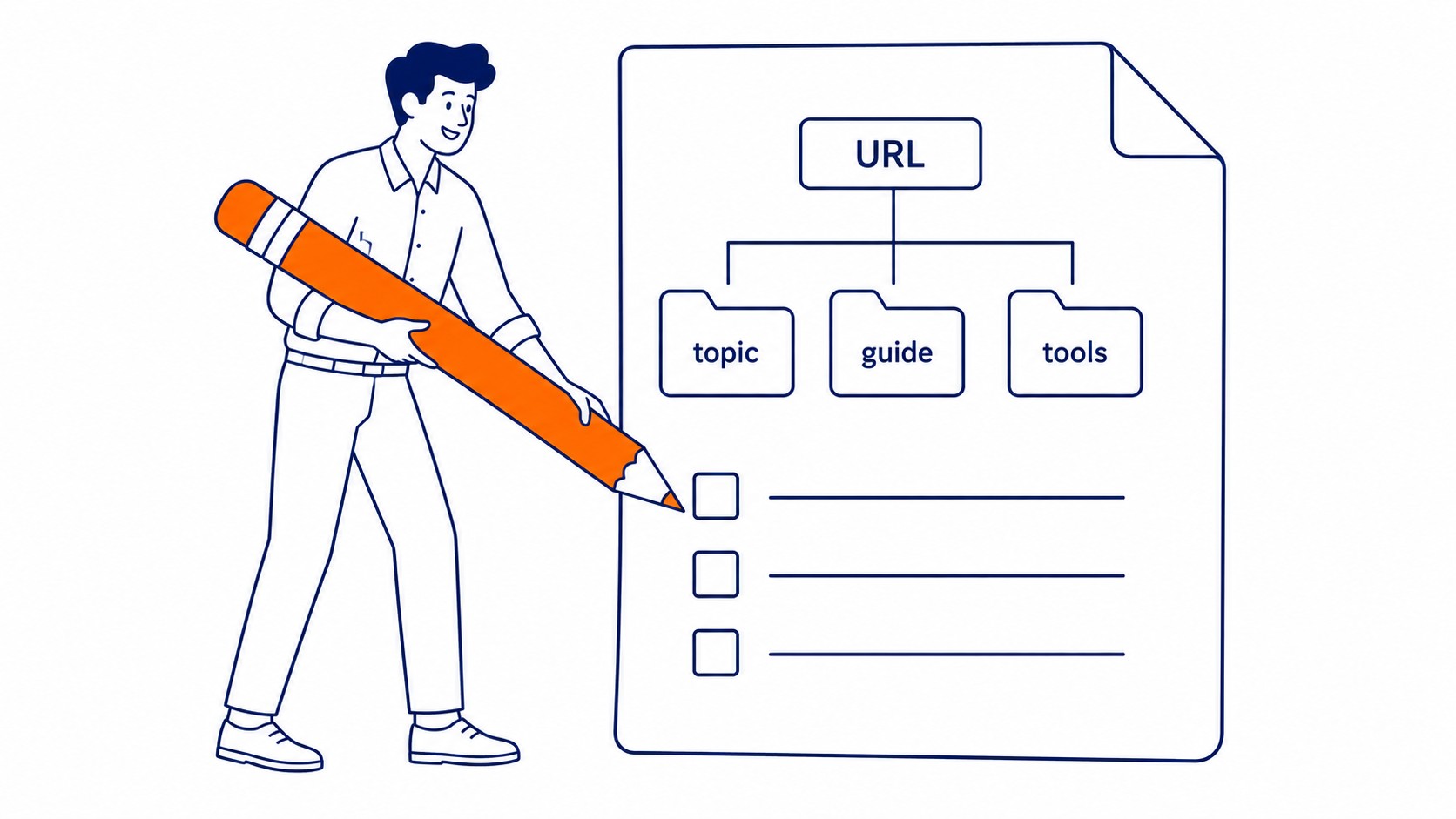
Start With Account Structure and Campaign Settings
A lot gets revealed by campaign structure before even looking at performance data. Product line? Service type? Geography? Do the campaigns actually organize in a way that makes sense? A sprawling, disorganized structure makes optimization nearly impossible.
Check bidding strategy alignment with actual business goals. Take a lead-gen business running Target Impression Share bidding, for instance. The wrong PPC outcome entirely is what gets optimized for in that scenario.
Location and language targeting deserve a close look too. Budget waste happens fast when campaigns accidentally target the wrong country or region. More often than most account managers expect, this mistake shows up. Settings checks like this are PPC campaign management in practice, not a quarterly formality.
Dig Into Keyword and Search Term Performance
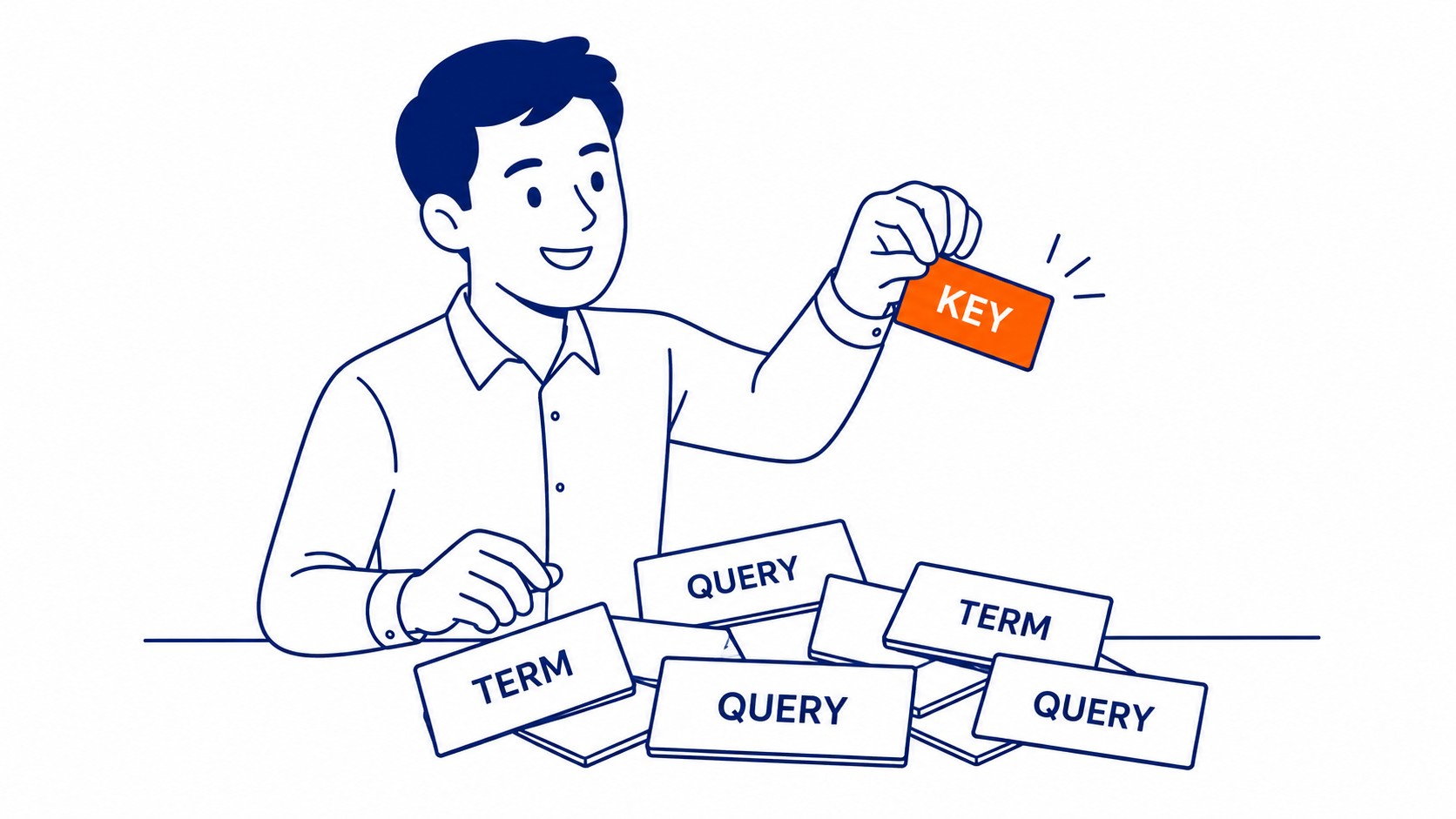
Pull the search terms report. Scan it for irrelevant queries triggering ads. Broad match keywords especially tend to accumulate wasted spend on searches with zero real connection to the product or service being advertised.
Check keyword-to-ad group alignment next. Quality Score takes a hit when a keyword sits in an ad group with loosely related ad copy. Wasted budget follows, on clicks that rarely convert well.
Negative keyword lists need regular auditing too. Months without a single negative keyword added almost certainly means an account bleeding spend. On irrelevant search terms that should have been excluded long ago. Auditing finds the waste, and improving PPC performance starts right there. Finding the waste is half of it; a walkthrough for optimizing Google Ads covers the rest.
Review Quality Score and Ad Relevance
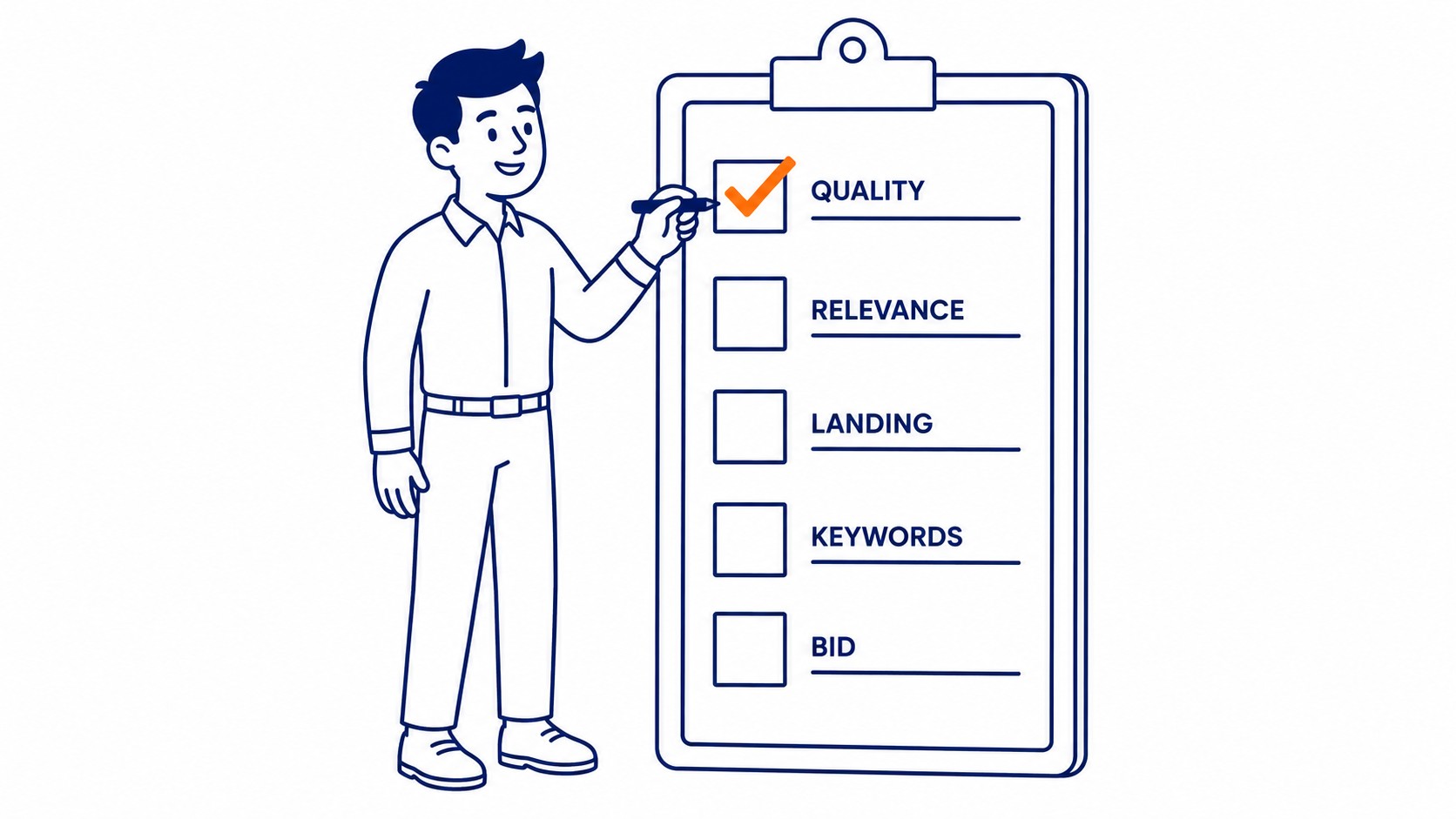
Deeper problems get signaled by low Quality Scores, worth investigating directly. Poor expected click-through rate usually sits behind a Quality Score under five. Weak ad relevance does too. So does a bad landing page experience.
Ad copy testing frequency matters here. An account running the same ad variations for over a year likely has real room to improve. Fresh testing and iteration usually finds it.
Landing page alignment with ad copy and keyword intent gets checked next. A mismatch between what an ad promises and what the landing page delivers hits Quality Score hard. Actual conversion rate too.
Analyze Conversion Tracking Accuracy
Actually firing correctly is what conversion tracking needs verified, before trusting any performance data at all. Every other audit finding becomes unreliable once tracking breaks or duplicates, since the underlying numbers themselves can’t be trusted.
Check for conversion inflation from duplicate tags or misconfigured event tracking. Two or three times higher than actual business results is what some accounts report, purely because of tracking errors nobody caught.
Often the single most valuable audit step is conversion tracking verification. Especially for a Calgary SEO agency running Google Ads management for clients. Every other optimization decision depends on trusting that underlying data.

Check Budget Allocation and Bid Strategy Performance
Compare budget allocation against actual performance by campaign. An immediate, obvious fix is what underperforming campaigns eating a disproportionate share of total budget represent.
Automated bidding strategies need enough conversion data to work well. Only a handful of monthly conversions likely isn’t enough signal for an account switching to Target CPA. The algorithm can’t optimize properly without it.
Device and time-of-day performance patterns often reveal opportunities too. Meaningful efficiency gains sometimes come from bid adjustments based on when and where conversions actually happen. Without touching the core campaign structure at all.

Cross-Check Ad Copy Against Actual Keyword Intent
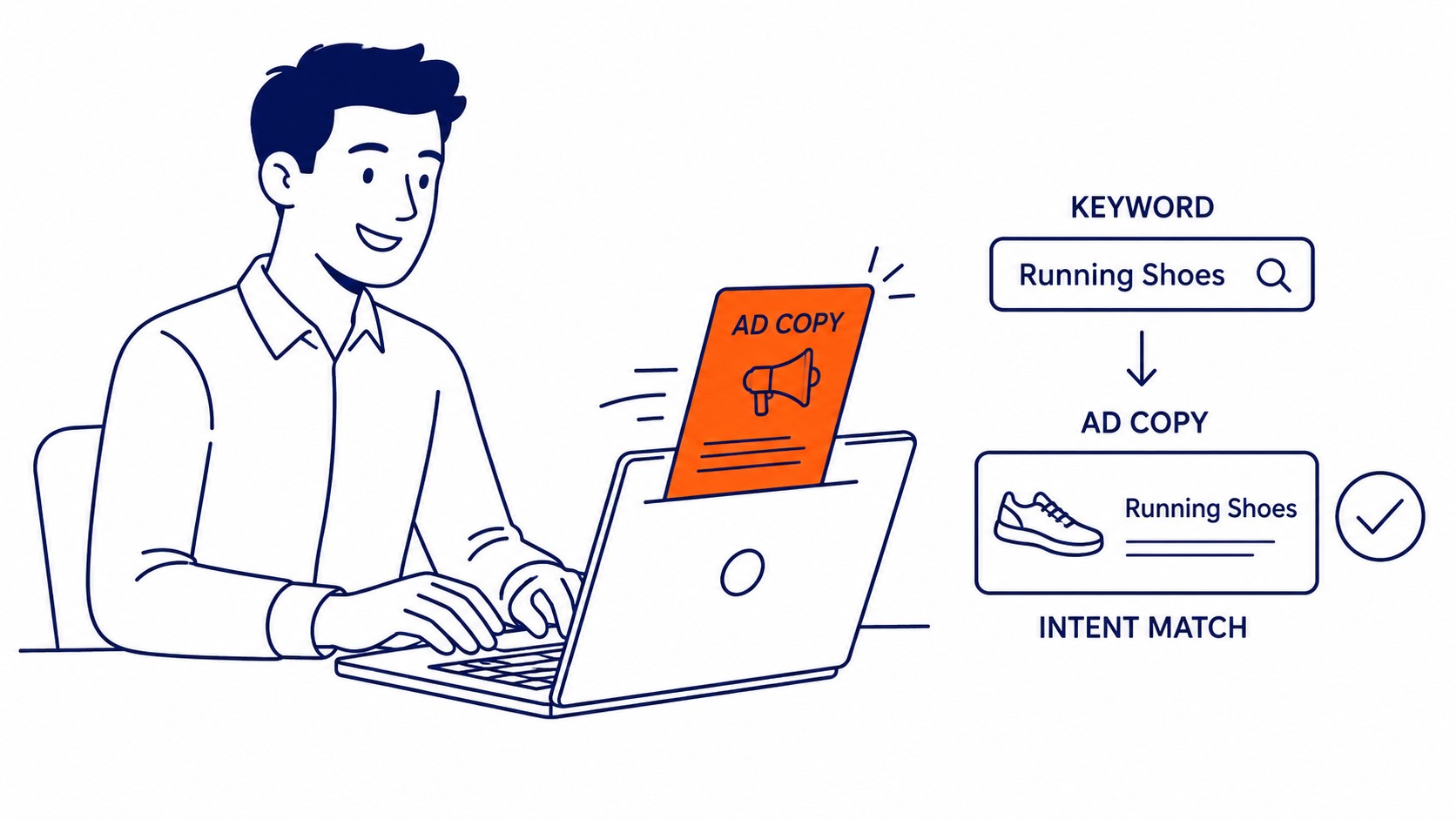
Directly to the keyword driving the click is where PPC ad copy needs to speak. Rarely does generic ad text sitting across dozens of unrelated keywords perform as well as tightly matched copy. Built around specific search intent, that copy tends to win.
Review ad extensions too, since a surprising number of Google Ads accounts skip them entirely. Sitelinks add real estate on the results page. Callouts and structured snippets too. Click-through rate typically improves without any extra spend.
Keyword match types deserve a fresh look during every audit. Fast budget burn follows on an account leaning too heavily on broad match without solid negative keyword coverage. Spend gets eaten up by searches only loosely connected to the actual product or service.
Document Findings and Build a Prioritized Action Plan
List every issue the PPC audit surfaces. Rank each by estimated impact on wasted spend or lost conversions. Start with the biggest keyword mismatches and Quality Score problems. That order brings the fastest visible improvement, typically.
A realistic timeline matters for implementing changes across the Google Ads account and any linked Google Ads campaigns. New problems get introduced by rushing every fix at once, before anyone can properly measure whether earlier changes actually worked.
Thirty to sixty days after implementing audit recommendations, a follow-up review belongs on the calendar. Plenty of fresh data shows up in that window. Confirming whether the keyword and account changes genuinely improved overall Google Ads performance.
Frequently Asked Questions
How often should a PPC account get audited?
Quarterly works well for most active accounts. Monthly reviews benefit larger accounts with frequent changes. Twice a year might suffice for smaller, stable accounts instead.
What’s the biggest mistake found in most PPC audits?
Broken or inaccurate conversion tracking tops the list consistently. A shaky foundation is what every other optimization decision rests on without reliable conversion data. Regardless of how sophisticated the bidding strategy looks on paper.
Can I audit my own Google Ads account, or do I need an agency?
Self-auditing works for smaller accounts with straightforward goals. An outside perspective often benefits larger or more complex accounts, since account managers sometimes miss issues they’ve grown accustomed to seeing. See the SEO blog for more on when to bring in outside PPC expertise.
Contact Calgary SEO Company To-The-TOP!
Questions about anything in this article, or about your own rankings? Talk to a Calgary SEO specialist directly.
Phone: (403) 308-5949
Address: 1509 14 Ave SW, Calgary, AB T3C 0W4
Hours:
Monday to Friday: 10:00 am – 7:00 pm
Saturday: 12:00 pm – 4:00 pm
Sunday: closed