
What Is a PBN in SEO and Why Google Actively Hunts Them Down
PBN stands for private blog network. A group of websites, often expired domains with existing authority, built or bought specifically to link back to one main site. All owned secretly by the same person or agency.
Manufactured authority is the whole goal here. Real backlinks take work and time to earn. A PBN skips both by faking the appearance of many independent sites vouching for one.

How a PBN Actually Works
Expired domains that already carry backlink history and some existing authority get bought up first. Old blogs, abandoned niche sites, dead local business websites. Anything with a clean-looking backlink profile still intact.
Thin content, just enough to look like a real site, goes up on each domain. A link back to the target site sits somewhere in that content. Carefully chosen anchor text, usually, matching a specific keyword.
Ten domains, fifty domains, sometimes hundreds of domains. Multiply that setup across all of them, and the target site suddenly shows a backlink profile that looks organic. None of it actually is. One person controls every single link.

Why PBNs Worked in the Early Days of SEO
Without much sophistication in detecting who actually owned the linking sites, Google’s early algorithms weighted backlinks heavily. That blind spot is exactly what a PBN exploited, manufacturing the signal Google counted on to indicate genuine authority.
Fast rankings followed for sites using PBNs in the early 2010s. Real, dramatic jumps, sometimes within weeks. Competitive terms that would otherwise take months of legitimate link building fell within days.
Despite the obvious risk, that speed made PBNs genuinely attractive. A shortcut that actually worked, at least until Google caught up. The shortcut only worked because the idea behind backlinks in SEO was sound to begin with. Where that sits on the white-to-black scale is covered in grey hat SEO explained.

How Google Detects and Penalizes PBNs
Shared hosting infrastructure ranks among the biggest tells. Dozens of supposedly unrelated blogs running on the same server, or the same narrow IP range, signal common ownership fast.
Thin, low-quality content gives it away too. Some variety in topics and writing style usually shows up on a real, independent blog. One link is often the entire reason a PBN site exists, and it usually reads that way.
Google’s Penguin update, plus its ongoing successors, targets manipulative link schemes including PBNs specifically. Sophistication in detection keeps climbing. Content analysis. Ownership pattern recognition. Cross-site technical fingerprinting too.
What Happens When a PBN Gets Caught
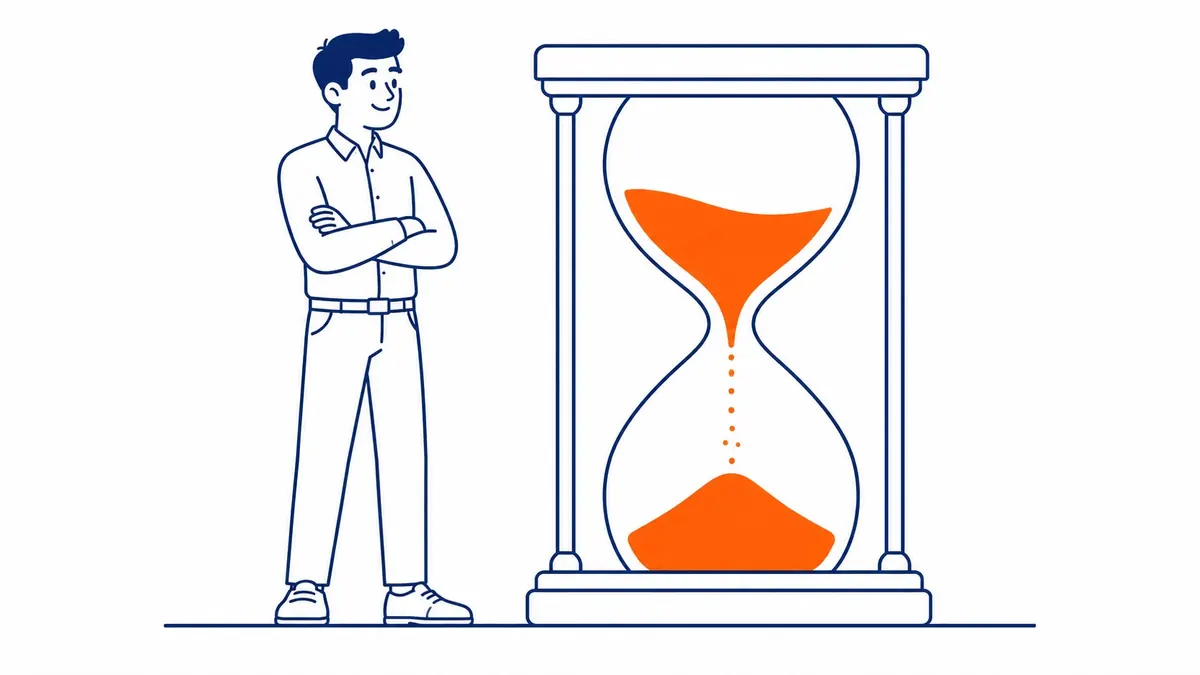
Manual penalties hit the target site directly the moment Google identifies the pattern. Rankings can drop overnight. Sometimes across the entire site, not just the pages the PBN links pointed to.
The same sweep usually wipes out the PBN sites themselves entirely. Years of setup work and hosting costs vanish in one update. Every linked client or project goes down simultaneously with them.
Even after removing or disavowing the links, real time passes before recovery. Slowly, if at all, is how Google’s trust in a penalized domain comes back. Some sites never fully recover their previous rankings.
Why Legitimate SEO Avoids PBNs Entirely
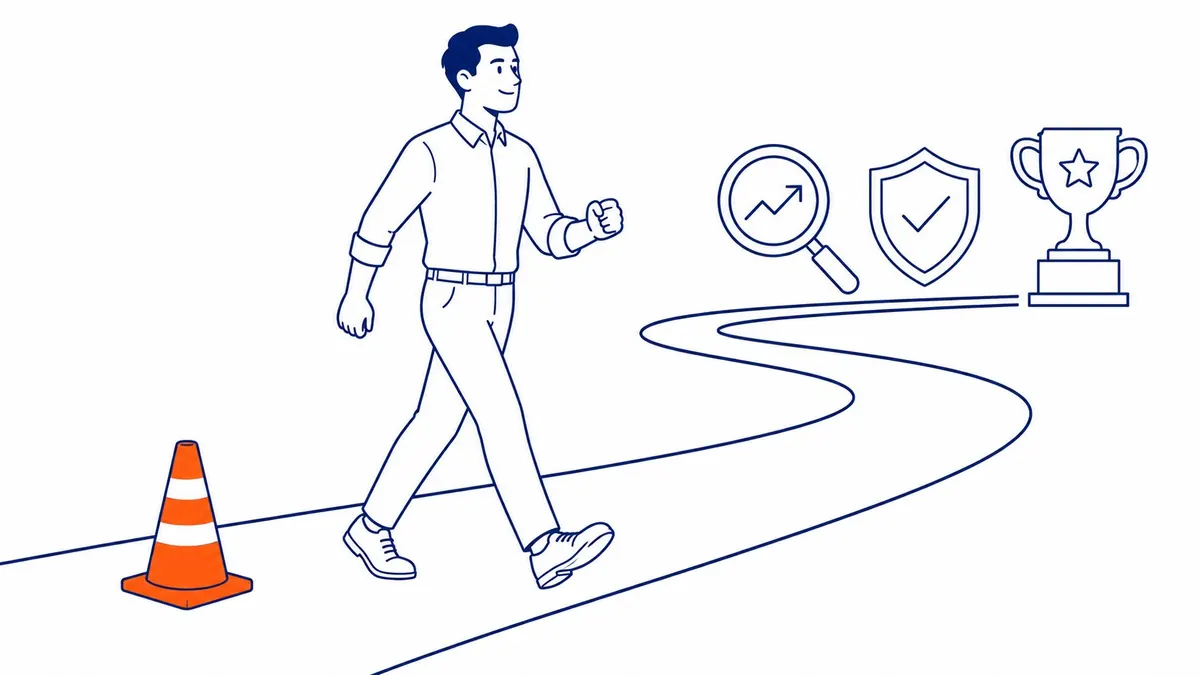
The risk-to-reward ratio simply doesn’t hold up anymore. Enormously better detection since the early 2010s meets a penalty for getting caught that’s grown more severe, not less.
A Calgary SEO campaign built on legitimate, earned backlinks takes longer than a PBN once did. Without the existential risk, though. No manual penalty wiping out years of work in a single update.
Clients asking about PBNs usually don’t fully understand the risk behind the pitch. Serious scrutiny is warranted for any agency recommending one. Whatever short-term ranking bump might show up first, the downside vastly outweighs it. Competitors pointing junk links at a rival fall under the basics of negative SEO.
Frequently Asked Questions
Are PBNs illegal?
No, not in a legal sense. Violating Google’s Webmaster Guidelines is what actually happens, and the penalty lands as a ranking and indexing consequence, not a legal one. Still a serious business risk, just not a criminal matter.
Can Google always detect a PBN?
Not with perfect certainty, but detection keeps improving year over year. Shared hosting raises a red flag immediately. Unnatural anchor text patterns raise one too. Thin content on top of that, all increasingly caught even for well-disguised networks.
What should I do if a PBN links to my site without my knowledge?
Regular checks on the backlink profile in Google Search Console catch this early. Google’s disavow tool handles any PBN-style links the moment they show up. The SEO blog covers more on monitoring a healthy backlink profile.
Contact Calgary SEO Company To-The-TOP!
Questions about anything in this article, or about your own rankings? Talk to a Calgary SEO specialist directly.
Phone: (403) 308-5949
Address: 1509 14 Ave SW, Calgary, AB T3C 0W4
Hours:
Monday to Friday: 10:00 am – 7:00 pm
Saturday: 12:00 pm – 4:00 pm
Sunday: closed