What Are Backlinks in SEO? How Links Build Rankings
Backlinks are links from one website to another. When a business directory lists your plumbing company and includes a link to your site, that is a backlink. A regional news outlet covering your story and linking to your homepage is also a backlink. Simple enough as a definition. Where it gets interesting is why those links matter so much to Google and why improving your website’s backlink profile is often the difference between page two and page one.
Search engines use backlinks as votes. Each link from another site is a signal that the destination is worth pointing to. Not all votes carry the same weight, and not all votes count positively, but the underlying logic has not changed since Google built its first algorithm around it in the late 1990s. Calgary SEO work that ignores the off-page component leaves rankings on the table regardless of how well the on-site work is done. Backlinks are the heart of off-page SEO, the half of the job that happens away from your own pages.

What follows is how backlinks actually work, what separates valuable ones from worthless ones, and how businesses in competitive markets earn the links that move rankings.
How Google Uses Backlinks
Google measures authority partly by counting what other websites say about you, and links are how they say it. A link is an implicit endorsement: a site the author trusts enough to send readers to. Google reads those endorsements at scale, billions of them, and uses the pattern to decide which sites deserve the top spots in search results.
PageRank and Link Value
PageRank was Google’s original ranking mechanism, named after founder Larry Page. The idea was straightforward: a link from a trusted site passes some of that trust to the destination. One from a low-quality site passes less. Links from sites with hundreds of their own strong backlinks pass proportionally more.
Google still uses a version of this. Authority accumulated from backlinks on your website flows through your internal link structure to other pages on the same domain. A single strong backlink to your homepage helps the whole site, not just the landing target it points at. Domain authority, the aggregate score of all a site’s backlinks, matters even for individual pages that have few links pointing directly at them.
Anchor Text as a Relevance Signal
Anchor text is the clickable words inside a link. When another website links to a Calgary plumber using the anchor text “emergency plumber Calgary,” Google reads that as a relevance signal: this destination is relevant to plumbing in Calgary. Anchor text has been part of Google’s relevance calculation since the beginning.
Vary the anchor text across your backlinks. Thirty links all pointing at the same destination using identical anchor text look like a manufactured link scheme, not an organic endorsement pattern. Natural backlinks use varied phrasing: the company name, descriptive phrases, generic calls like “read more,” and exact-match keyword anchors mixed together. Anchor variety is one signal; the role of dofollow links is another. Identical anchors across a hundred syndicated press releases fail that test badly.
Types of Backlinks
Not every backlink works the same way. Two technical attributes determine how much a given link contributes to rankings.
Dofollow and Nofollow Links
A dofollow link passes ranking authority. This is the default. When someone links to your site without adding special attributes to the HTML, Google follows the link, reads the destination, and counts the endorsement.
Nofollow links include a rel="nofollow" attribute that tells search engines not to follow the link or count it as an endorsement. Social media links are typically nofollow. Many news sites add nofollow to user-submitted links. Nofollow links do not pass ranking authority, but they are still valuable for referral traffic and brand visibility. A nofollow mention in a major publication reaches real readers even if it does not move your backlink profile. From the other direction, whether external links are good for SEO when you point them out from your own pages is a separate question worth knowing.
Sponsored and UGC (user-generated content) attributes also exist, added by Google in 2019. These tell search engines the context of the link rather than blanket-blocking it. For most businesses, the practical distinction remains dofollow (counts for rankings) versus nofollow (does not).
High-Quality vs Low-Quality Backlinks
High-quality backlinks come from sites with genuine authority, real visitors, and relevance to your industry or location. A link from a respected Calgary trade publication carries far more weight than a link from a directory website that indexes every business on earth regardless of relevance.
Low-quality backlinks from spam directories, link farm networks, and irrelevant sites can actively harm rankings. Google’s Penguin algorithm, introduced in 2012 and now running continuously as part of the core algorithm, catches and discounts these links. Patterns that look like link buying, link farming, or artificial link building schemes can trigger manual penalties that require disavow files and reconsideration requests to clear.
White hat SEO services never buy links or use schemes. The cleanup after a Penguin hit costs more than any short-term ranking gain was worth. Type matters far more than volume once you ask whether backlinks help SEO at all.
What Makes a Backlink Valuable
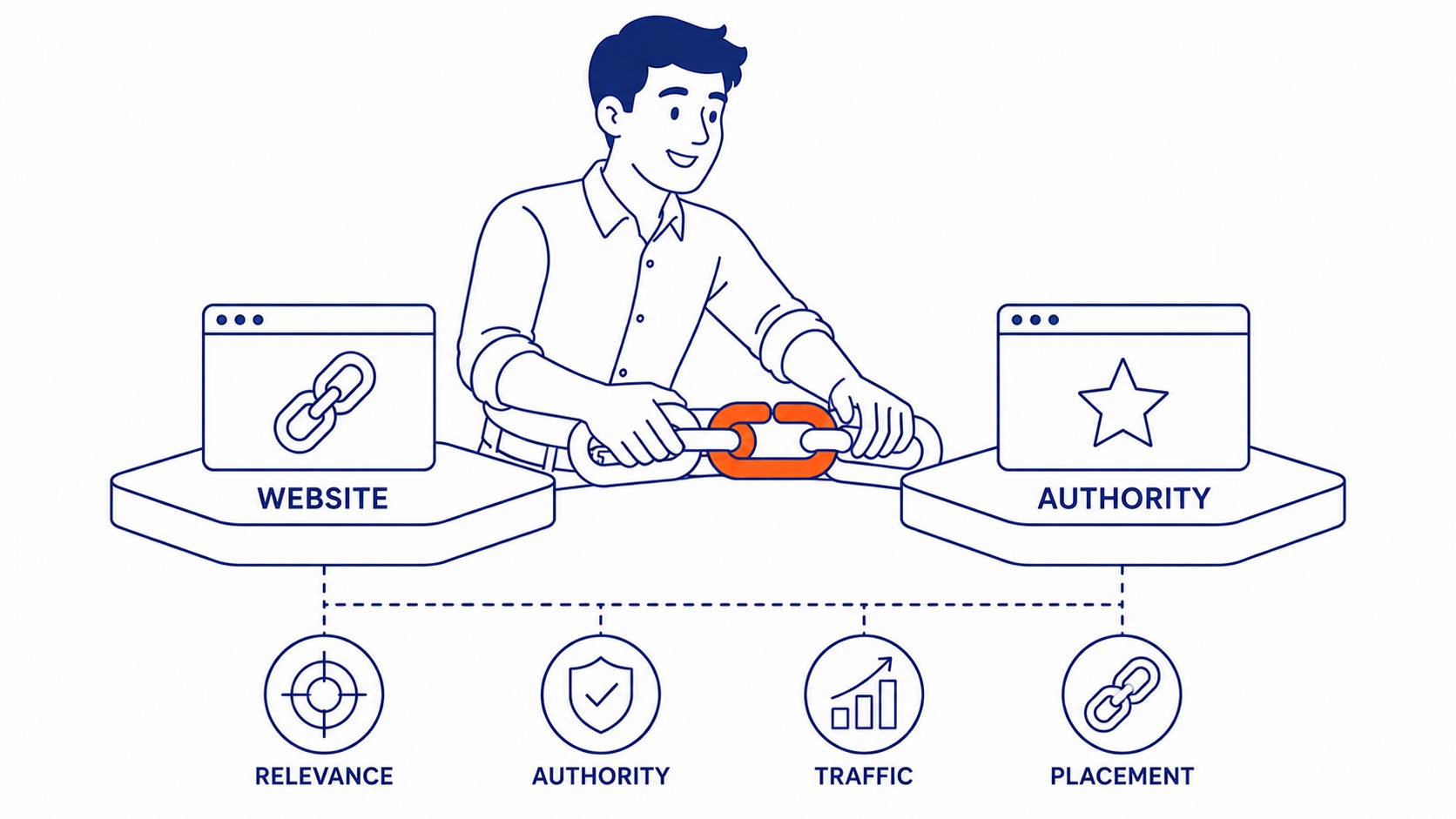
Four factors determine how much a backlink contributes to your website’s authority and search rankings.
Domain Authority and Relevance
Authority is the most important factor. A link from a site with thousands of its own strong backlinks, a years-long publishing history, and genuine traffic passes substantially more value than a link from a brand-new site with no audience and no inbound links of its own.
Relevance matters nearly as much. A backlink from a home improvement directory to a local contractor’s website is more valuable than a link from a sports blog, even if the sports blog has higher domain authority. Search engines measure topical relevance alongside raw authority. The most valuable backlinks are from sites that cover the same subject matter as yours and have genuine audiences in the same region or industry.
Placement, Context, and Link Diversity
Where the link appears on the linking page affects its value. An editorial link embedded within the body of a substantive article carries more weight than a link in a footer, a sidebar, or a comment section. The contextual sentence surrounding a link tells Google something about why the link was placed there.
Diversity matters too. Hundreds of backlinks all from one domain, even a high-authority domain, contribute less than the same number spread across many different referring sites. A healthy backlink profile shows many unique domains pointing at your site, with varied anchor text, from a mix of content types: news mentions, directory listings, partner sites, industry publications. Link diversity signals an organic pattern rather than a manufactured one.
How to Earn Backlinks
Backlinks are earned, not manufactured. The methods that work long-term share a common logic: create something worth linking to, then put it in front of people who cover your subject matter.
Content That Attracts Links
Original research is the highest-return content for earning backlinks. Industry surveys, local market data, and proprietary benchmarks attract links from other sites reporting on findings. Not every business has the budget for formal research, but even small-scale data, a poll of your customers, a local pricing comparison, an annual service volume report, can produce the kind of unique findings that become worth referencing. Publishing this content on your website is where it starts.
Genuinely useful guides attract links too. A roofing company that publishes a comprehensive hail damage repair guide, with specifics about local building codes and insurance process timelines, earns links from real estate sites, local news, and industry publications. Your website becomes a reference rather than just a business card. Generic guides that exist everywhere do not.
Outreach and Local Partnerships
Outreach is contacting other websites and asking for a link, usually by offering something in return: a guest article, a data contribution, a correction to outdated information, or a partnership mention. The success rate for outreach depends entirely on whether the request makes sense from the other site’s perspective. Requesting a link from a Calgary food blog for a plumbing service rarely works. Asking a home renovation blog to reference a useful plumbing guide sometimes does.
Local partnerships produce some of the most reliable backlinks for small businesses. Sponsoring a community event, joining the Chamber of Commerce, getting listed on the BBB, supporting a local charity: each tends to produce a mention with a link on the partner’s website. These links are locally relevant, from real organizations, and carry the added benefit of building the kind of local prominence signals that the local SEO algorithm reads alongside traditional backlinks. To-The-TOP! has tracked these signals across clients in Calgary and consistently finds that a handful of strong local links outperforms a larger number of generic national directory links for city-level rankings.
How to Audit Your Backlink Profile
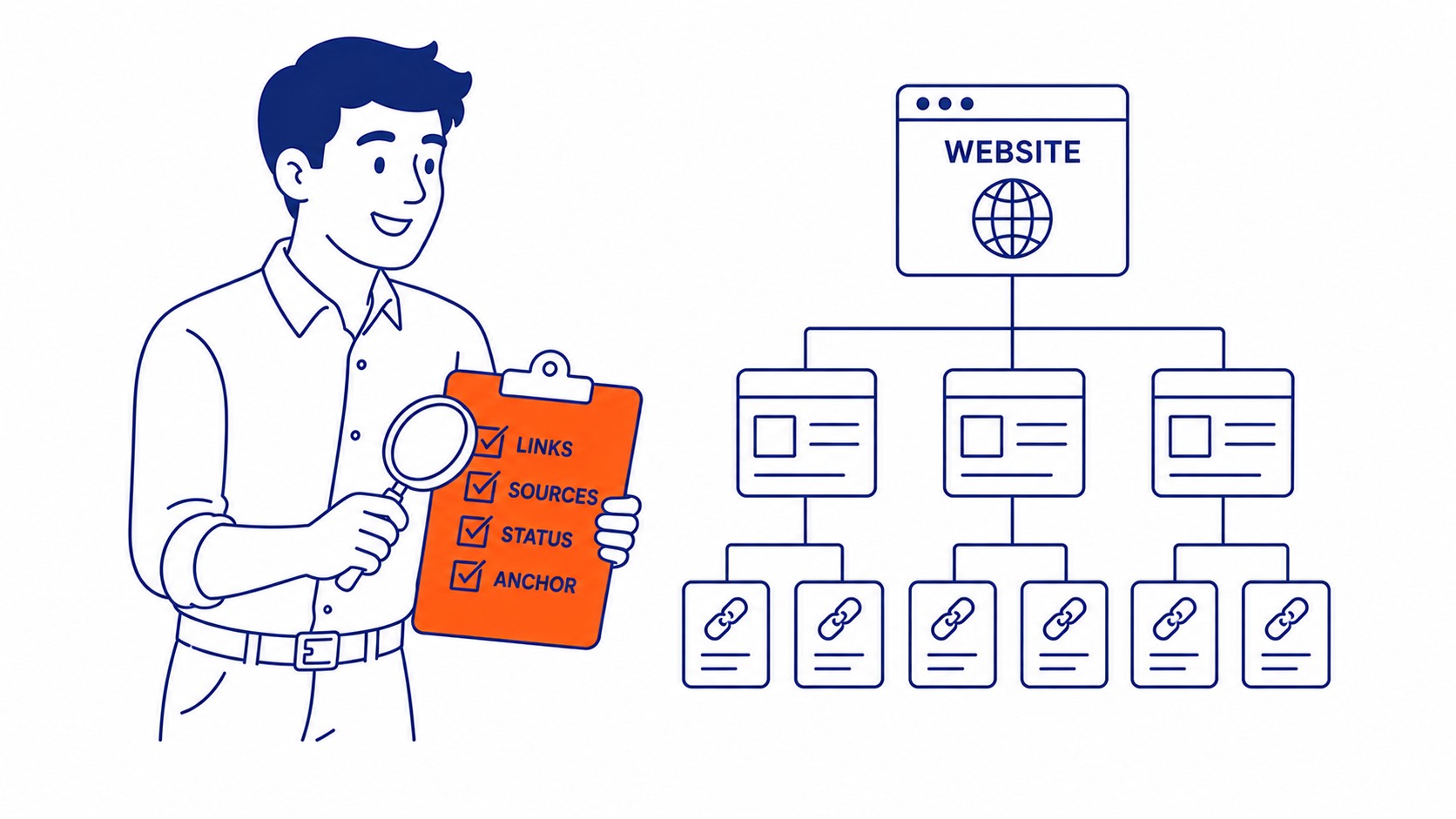
Understanding which backlinks your website already has is the starting point for any link-building strategy. Ahrefs, SEMrush, and Moz all provide backlink data. Google Search Console shows which domains link to your site for free, though it shows a subset rather than the complete picture.
What to look for in an audit: the number of unique referring domains (not just total backlinks), the authority of those domains, the anchor text distribution across all links, and whether any links come from sites Google might consider spam. A good backlink profile grows steadily over time, from a widening range of domains, with varied anchor text. Profiles that grew in sudden bursts, using identical anchor text, from clusters of low-quality sites, are a risk factor worth addressing before link-building investment continues. The process connects directly to a full SEO audit, which covers the off-page component alongside technical and on-page factors.
Backlinks for Calgary Businesses in Context
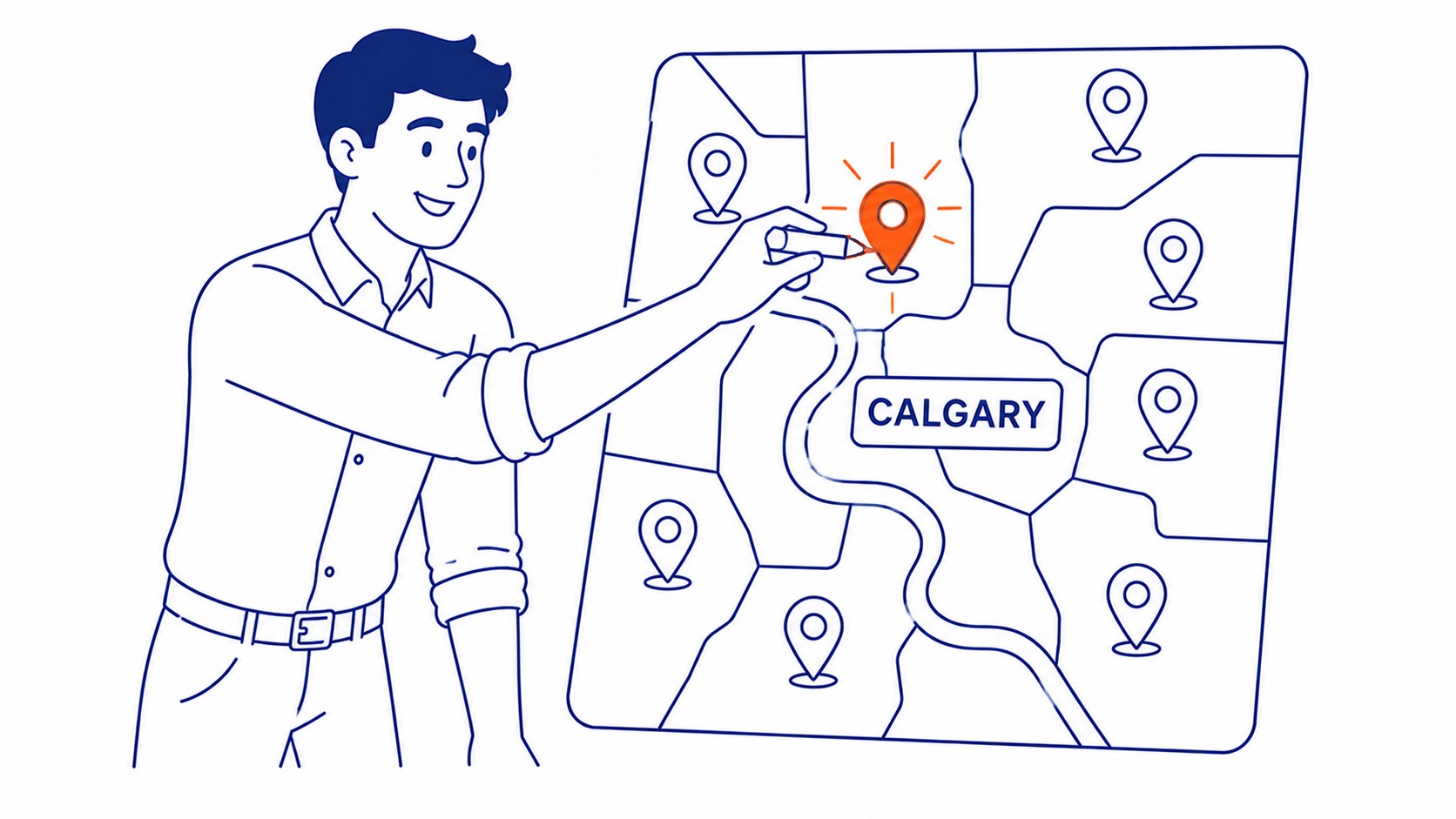
For local businesses competing for Calgary-specific queries, the link-building calculation is different from national SEO. Volume of links matters less than local relevance. Three links from the Calgary Herald, a local trade association, and a respected neighbourhood business directory outperform fifty links from generic national directories. Directory listings shade into citations rather than true links, and what citations are in SEO draws that line.
Local citation links, the name-address-phone listings from Yelp, the BBB, Google Business Profile, and industry directories, form the citation layer of a local link profile. They confirm business legitimacy to search engines. Above that, editorial links from local publications and community organizations build the authority layer. The SEO portfolio at To-The-TOP! shows results from clients who built both layers consistently. The guide on how to improve your SEO covers how link building fits into a broader improvement plan for sites that already have basic rankings. For an honest look at what ongoing work costs, the how much SEO costs guide breaks down what different investment levels typically buy in monthly deliverables.
Frequently Asked Questions
What is a backlink in SEO with an example?
A backlink is a hyperlink from one website to another. Calgary plumber ranking example: a local home services directory lists the plumbing company and includes a link to their website. That link is a backlink. From the directory’s perspective, it points outward. On the receiving end, it is an inbound link pointing at the plumber’s website. Search engines count it as a vote of relevance from the directory to the plumber.
What is an example of a backlink?
Any hyperlink on an external website that points to yours is a backlink. Common examples for Calgary businesses: a mention in a news story with a link to the company homepage, a listing in the Calgary Chamber of Commerce member directory, a supplier or partner site linking to a client business, a satisfied customer review platform linking to the business, or a blogger referencing a useful guide with an editorial link. Each one qualifies regardless of the link format or page type.
How to create a backlink for SEO?
Earn rather than create: that is the frame that survives algorithm updates. Publish content worth linking to: original research, useful local guides, industry-specific data. Submit the business to relevant directories and local citation sources. Build partnerships with local organizations that publish member or sponsor pages. Reach out to publications covering your industry and offer to contribute. Avoid buying links, exchanging links in bulk, or using link network services. The links that move Calgary rankings long-term come from real websites with real audiences covering relevant topics.
Is SEO dead or evolving in 2026?
Still evolving. Backlinks remain one of the strongest ranking signals Google uses. AI-generated summaries pull from ranked, authoritative sources, and link authority is still part of how Google decides which sources to trust. The change is that thin content propped up by low-quality links stopped working several algorithm cycles ago. What changed is the floor, not the ceiling: quality matters more, volume of bad links hurts more, and the sites that build genuine authority through real links and strong content rank better than ever. The SEO blog covers current algorithm signals in more depth.
Contact Calgary SEO Company To-The-TOP!
Questions about anything in this article, or about your own rankings? Talk to a Calgary SEO specialist directly.
Phone: (403) 308-5949
Address: 1509 14 Ave SW, Calgary, AB T3C 0W4
Hours:
Monday to Friday: 10:00 am – 7:00 pm
Saturday: 12:00 pm – 4:00 pm
Sunday: closed
