What Is Negative SEO? How Attacks Work and How to Protect Your Site
Negative SEO is an attempt to damage a competitor’s search rankings. Not your own. Someone else’s. Actions taken against your site to push you down the page so they move up.
It is uncommon. Most businesses never encounter it. However, it does happen. High-revenue niches with tight SERP competition see it more often than most.
What Negative SEO Actually Looks Like
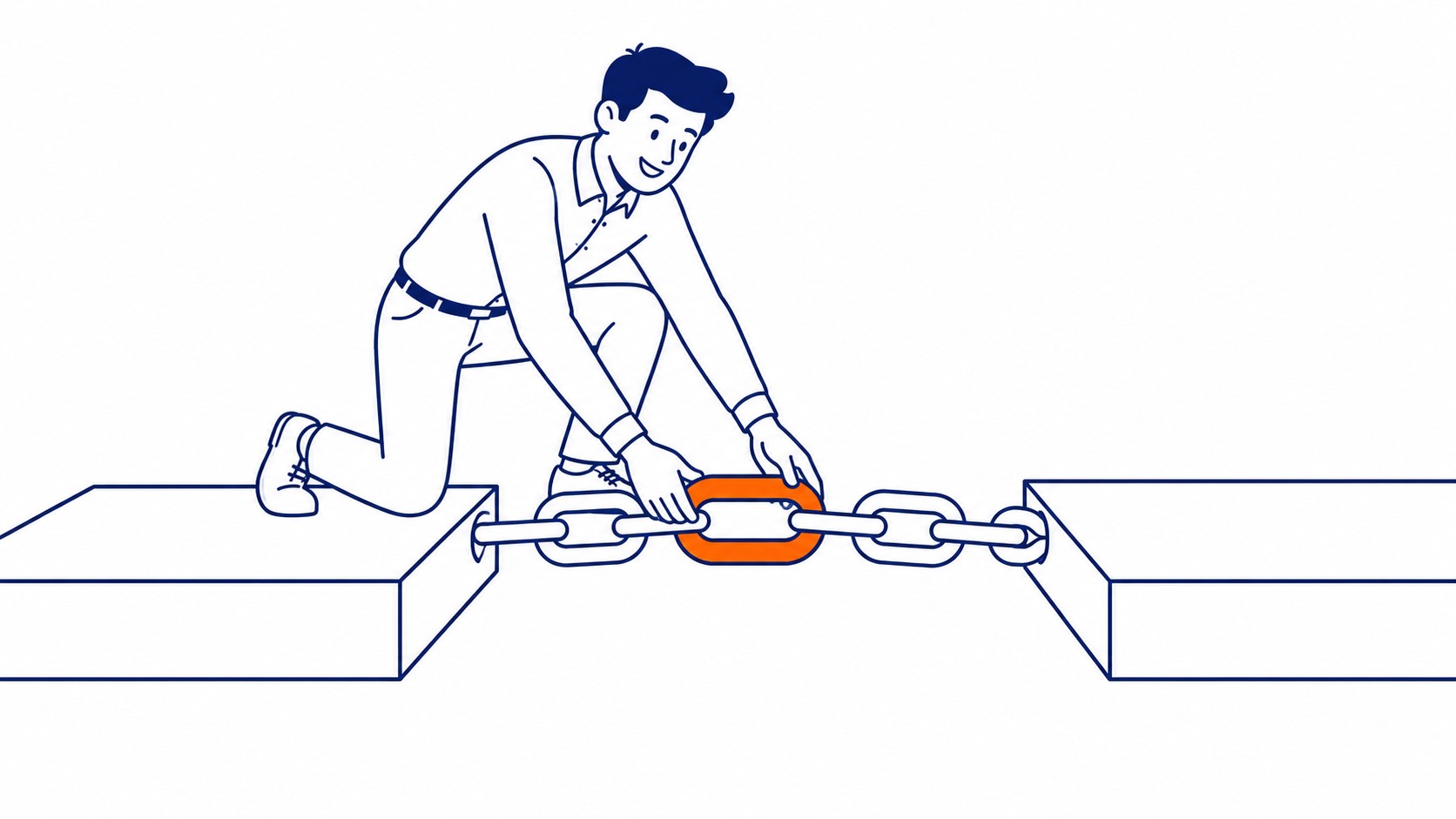
The most common version is a backlink attack. Someone builds hundreds of low-quality links pointing at your site. Spammy casino links. Adult directories. Link farms. The theory is that Google will interpret the sudden spike in toxic links as a signal the site is gaming the algorithm. Rankings drop as a result.
Google has said publicly that the Penguin algorithm handles most of this automatically. Spam links get ignored rather than penalised. That said, a large enough volume of truly toxic backlinks can still cause problems on some sites. So monitoring your backlink profile matters.
Scraped content attacks are another version. Someone copies your content and publishes it on dozens of lower-quality sites faster than Google indexes your original. The goal is to get your page flagged as the duplicate. Google’s systems generally get this right. So original content on an established domain with an existing crawl history is usually protected.
Fake reviews are also in the toolkit. Google Business Profile reviews from accounts that have never interacted with the business. Enough of them can drag down a rating and suppress map pack visibility. These are harder to automate away than backlink attacks. Most of those junk links trace back to a private blog network someone rented cheap.

How Common Is Negative SEO?
Rarer than SEO forums suggest. Most ranking drops come from algorithm updates. Content that stops being competitive. Technical problems on your own site. Negative SEO is the explanation that gets blamed when the real cause is internal.
Still, it happens. Industries with high revenue per customer and tight SERP competition see it more. Legal services. Finance. Online gambling. In those markets the math works out. Knock a competitor off page one and ten leads per month redirect your way instead. Five hundred dollars on link spam is a positive ROI at that scale.
For most local service businesses, the risk is low but not zero. Competitive local markets occasionally see review attacks on Google Business Profile. A Calgary SEO campaign includes monitoring for exactly this reason. See Calgary SEO for what that monitoring includes. Monitoring is most of guarding a site against negative SEO, well before anything gets disavowed. Defence is half of it; the mechanics of building backlinks for SEO cover the other half.
How to Detect a Negative SEO Attack
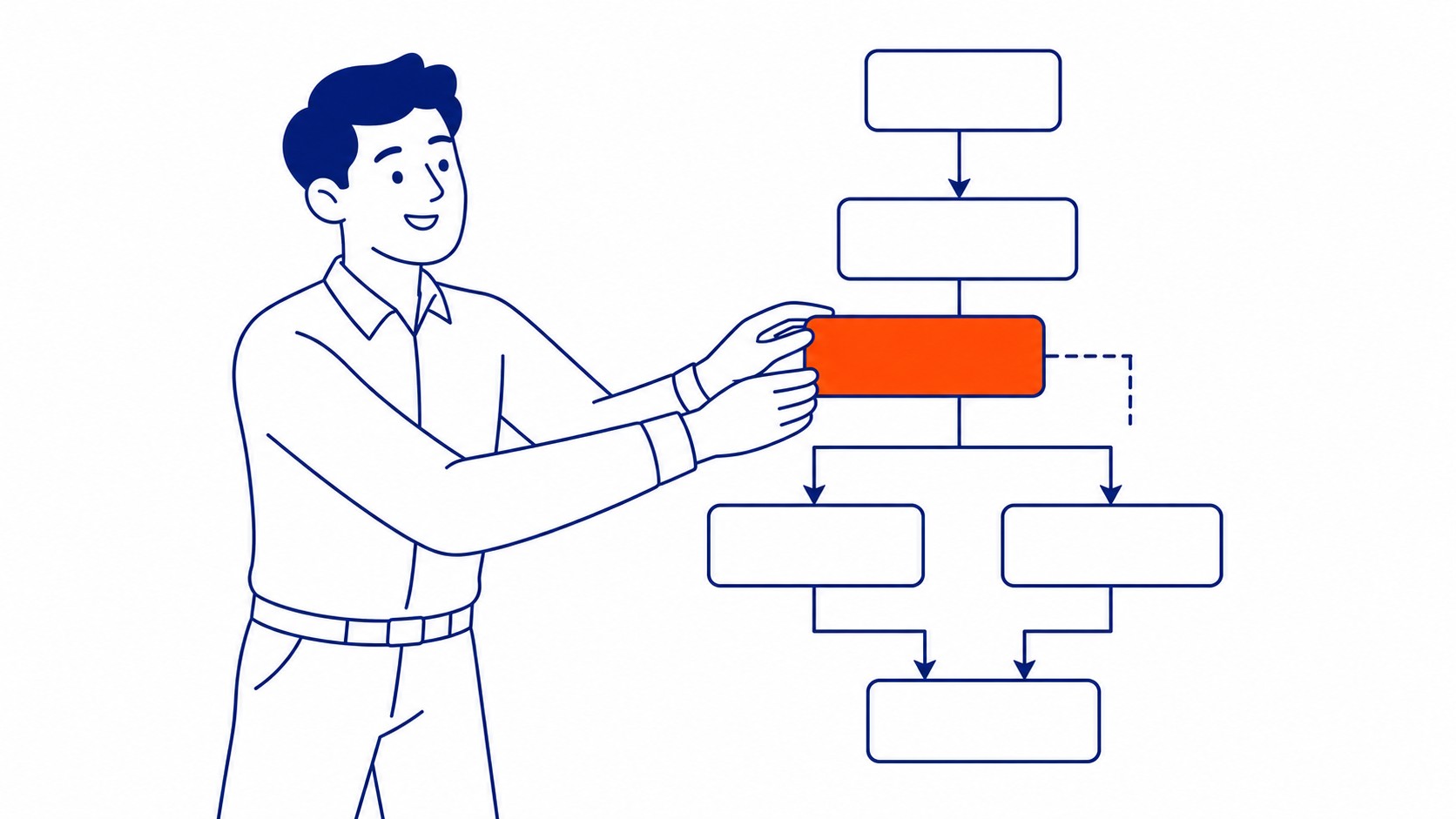
Backlink monitoring is the first step. Google Search Console shows new backlinks as they get discovered. Sudden spikes in referring domains from unrelated niches are a signal. So is a rapid increase in links from known spam networks.
Ahrefs or Semrush show your backlink profile in more detail. Anchor text with nothing to do with your business is the red flag. Anchors like “cheap pills,” “casino online,” and “adult content” pointing to a local plumbing company are clear attack indicators.
For content scraping attacks, search a distinctive phrase from your page verbatim. Quote the entire sentence in Google. Multiple results for that exact phrase mean your content has been duplicated. However, if your original ranks first, the attack has not worked. Worth watching anyway.
Google Business Profile review monitoring is simpler. Alerts for new reviews help. Check reviewer profiles when something looks off. Reviews from accounts with zero prior activity are suspicious. Report those to Google directly through the GBP dashboard.
How to Respond to a Negative SEO Attack
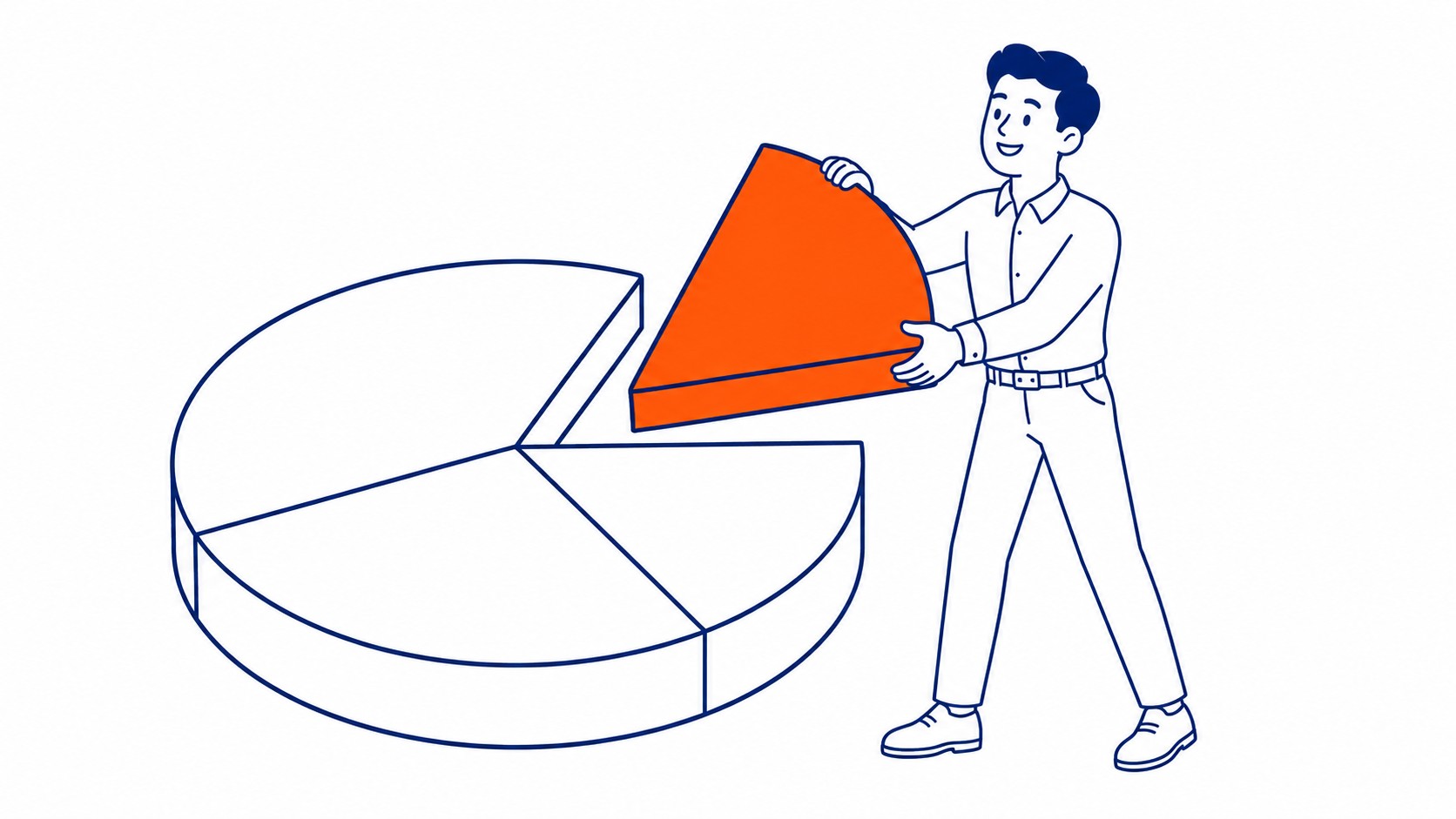
Do not panic. Most link-based attacks fail. Google ignores low-quality links automatically. The first response is documentation. Screenshot the spike in your backlink tool. Save the data.
The disavow tool in Google Search Console is the next move. Upload a file with the toxic domains listed. Not an instant fix. Takes weeks to process. However, it limits exposure on established campaigns where clean authority has been building over time.
For content scraping, submit a DMCA complaint against the sites republishing your content. Also, ensure Google Search Console has your site’s correct canonical URLs so your originals are clearly the primary source.
For review attacks, report each fake review through the GBP interface. Also respond professionally to suspicious reviews so that any genuine visitors reading the review thread see context. Google does remove fake reviews when there is enough documentation to support the complaint.

Protecting Your Site Before an Attack Happens
A strong backlink profile is the best defence. Hundreds of legitimate, high-authority backlinks means a wave of spam gets absorbed without much damage. A handful of real links means more exposure. Spam represents a larger share of their total link equity.
Regular audits catch problems early. Monthly checks on new referring domains via Google Search Console cost nothing. Catching a wave of spam links at 50 new domains is a different problem than catching it at 5,000. The disavow file handles 50 easily. Five thousand requires more work.
For search engine optimisation campaigns we run for clients, backlink monitoring is built into the standard work. Not because attacks are likely. Knowing your baseline makes any anomaly visible quickly. See the SEO blog for more on how ongoing SEO monitoring works in practice.
Frequently Asked Questions
Can negative SEO actually tank your rankings?
Happens, though rarely. Most low-quality backlink attacks get caught by Google’s spam filters automatically. Strong authority and a clean backlink profile make a site much more resistant. Real ranking damage from negative SEO usually hits sites that were already vulnerable. Newer domains with thin link profiles are more exposed than established ones.
Google Ads management can fill the traffic gap while an SEO issue resolves.
What is the most common type of negative SEO attack?
Backlink attacks are the most common. A competitor builds spam links pointing at your site to trigger a penalty. Fake reviews on Google Business Profile come second, particularly in local service markets. Content scraping is less common but harder to detect. Most businesses encounter none of these. However, competitive niches with high revenue per lead see them more.
Should I use the disavow tool if I think I am being attacked?
Selective use is the right approach. The disavow tool lets you flag specific domains for Google to skip. Stick to domains you are confident are spam. Mistakenly disavowing legitimate links costs real authority from your profile. Document the attack data first. Then build the disavow file carefully. Processing takes weeks on Google’s end. Submit early rather than waiting for ranking damage to confirm the attack worked.
How do I know if my ranking drop is from negative SEO or something else?
Check for algorithm updates first. Most ranking drops line up with a core algorithm update. A drop matching a confirmed Google update week means negative SEO is unlikely. Also check for technical problems on your site. Crawl errors. Indexing issues. Speed regressions. No algorithm update. Nothing wrong technically. Spam links spiking in the backlink profile out of nowhere. Negative SEO attack is the likely culprit in that scenario. The spam spike has to predate the ranking drop for it to mean anything.
Contact Calgary SEO Company To-The-TOP!
Questions about anything in this article, or about your own rankings? Talk to a Calgary SEO specialist directly.
Phone: (403) 308-5949
Address: 1509 14 Ave SW, Calgary, AB T3C 0W4
Hours:
Monday to Friday: 10:00 am – 7:00 pm
Saturday: 12:00 pm – 4:00 pm
Sunday: closed
