
How to Do Link Baiting in SEO
Link baiting means publishing something built to make other sites link to you. The tactics are well documented. A surprising statistic. One free tool built and given away. A strong opinion nobody else will say out loud. Original research nobody else bothered to run. That list is real, and other pages cover it well.
So this page will not repeat it. The interesting question was never what bait to build. It is what a bait actually catches, because almost nobody names that part.
Here is the thing every guide skips. You are not writing for the person who links to you. Instead you are writing for the reaction that makes them do it. And a reaction is not a decision. It sits closer to a reflex, the twitch before the thought arrives.
That one shift changes how the whole thing goes wrong.

What Link Baiting Actually Is
Most writing on this treats bait as a nicer word for good content. Publish something worth linking to. Give people a reason to reference you instead of a rival. All true. Handed off, every word of it, to the pages that own that ground.
Link baiting is different in kind. Good content earns a link because the linker read it and weighed it. Then they judged it worth citing on their own page. Bait earns a link because it set something off. Surprise. Disagreement. Delight. The urge to grab somebody by the sleeve and say look at this.
That link still lands either way. Yet it arrived by reflex, not by verdict. Nobody sat and judged your bait on its merits. They reacted to it. Then the reaction left a link behind on the way out. Bait is not black hat, though reporting black hat SEO is its own errand. Compare that with how article submission works, where nobody reacts to anything.
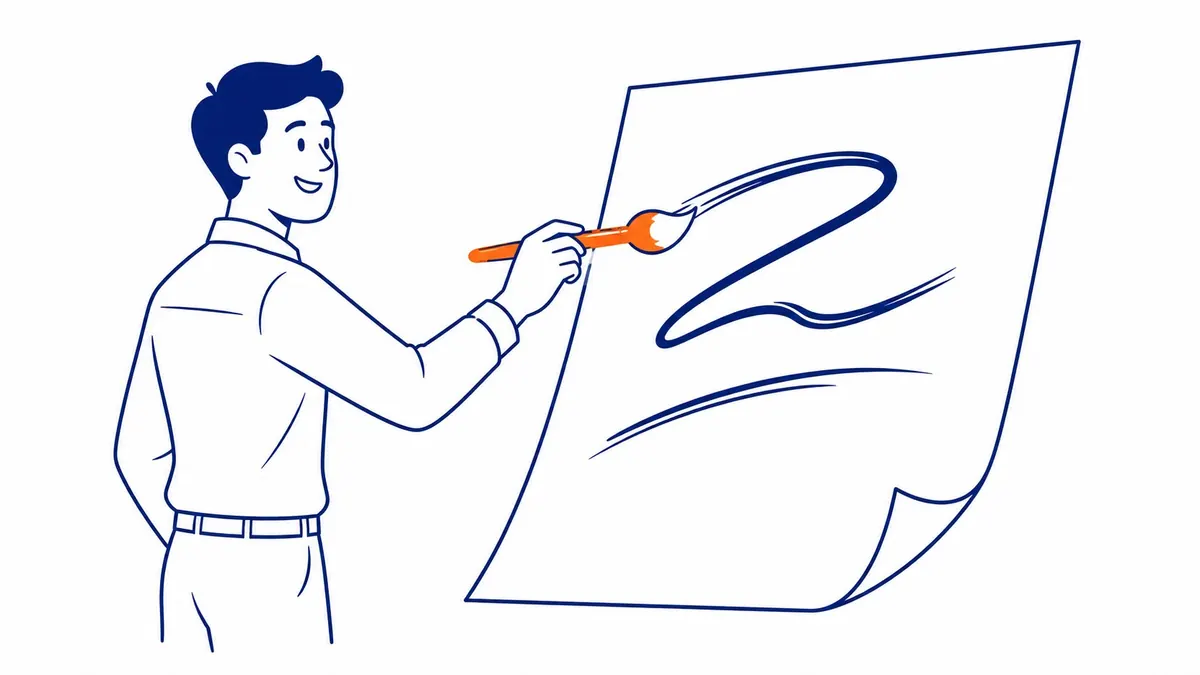
You Cannot Aim Bait at a Person
This is the part that quietly costs people.
A reflex is indiscriminate. You set out a provocation and it provokes whoever wanders past it. The same claim that gets an industry blog to cite you warmly gets a rival to tear it apart in public. Both of them link to you. One meant it as a nod. The other meant it as a target.
You aimed at a link. The water sent back a mix.
That mix is not a flaw in your bait. It is what bait is. A trigger fires for everyone it reaches, and you never get to pick who it reaches. The scraper copies you. Some off-topic forum passes you around for a laugh. The annoyed competitor writes a rebuttal and links to the thing being rebutted. Every one of those is a backlink. Not one of them was chosen.
So the plain way to hold it is small. You cannot bait a link. What you bait is a reaction. The reaction then decides what kind of link it becomes. People who want control over that end up at cloud stacking SEO, which has its own problems.
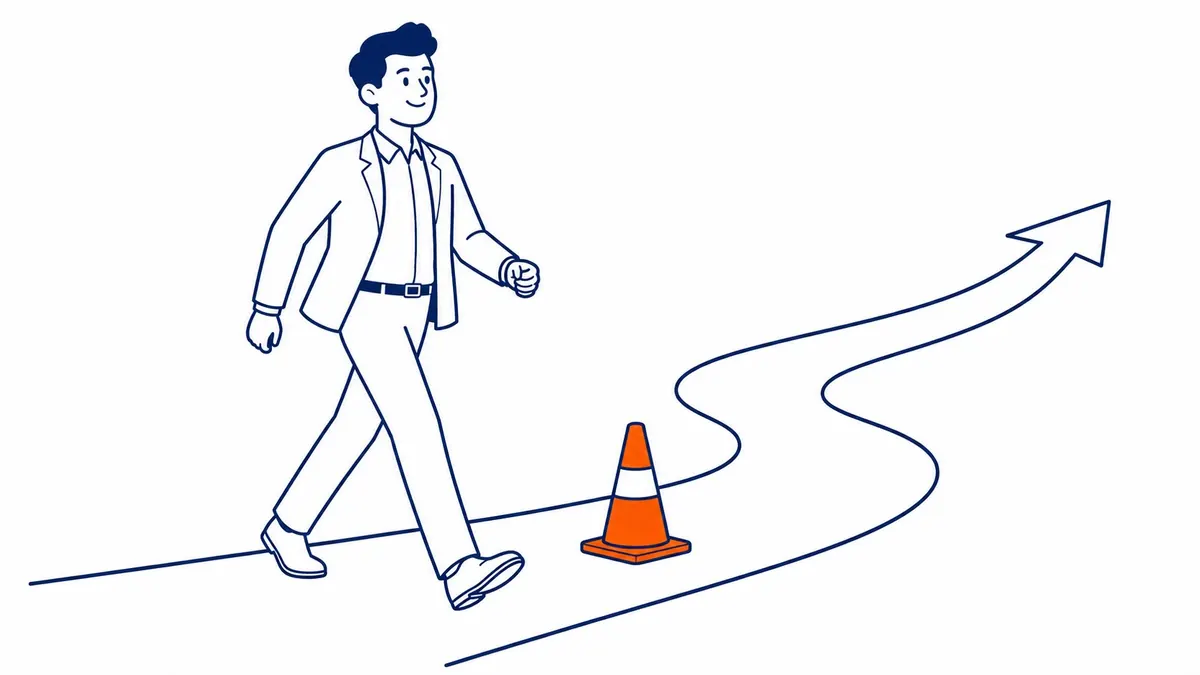
A Link Is a Reaction Somebody Wrote Down
Here is why the wrong reaction matters more than it should.
Every link is permanent. Not the click alone. The sentence wrapped around it. Its words, the ones somebody picked for the anchor. The reason they gave their own readers for pointing at you.
Open your own backlinks sometime and read them. The link never travels alone. It carries the linker’s reason, printed right there in their copy, for as long as the page stays up. Somebody linked because your number amazed them. That reason now works for you, indefinitely. Another linked to mock the number. That reason sits there just as long.
A search engine reads both. So does the next person who follows the trail. The reaction that produced the link outlives the burst of traffic that came with it. You wanted attention. What you got was a record.
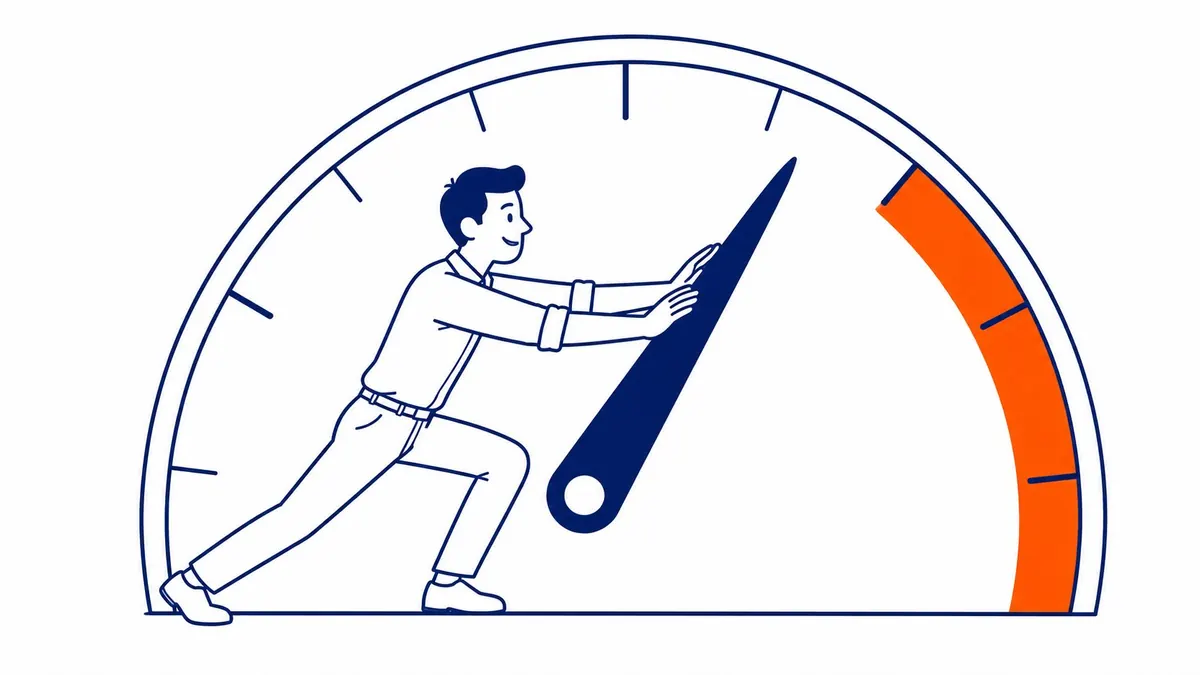
The Bait That Is Safe to Set
None of this makes baiting a trick. It works, and it works fast. A genuine provocation can earn in a week what a patient, useful page takes months to build. That speed is real, and for a young site with nothing to its name yet, it is worth a great deal. Earning attention the fast way has its place in serious website promotion.
The discipline was never getting a reaction. That part is easy. The discipline is choosing a reaction you would be glad to own forever.
Some reactions read the same from every angle. A true, surprising number pulled from your own client work sets off the same thing in everybody who meets it. The friend links to share it. A rival links because ignoring it looks worse than citing it. Both bites are ones you keep. Nobody comes off badly quoting a fact.
So the safest bait is the one whose every possible reaction is a reaction you can afford. Build that, and the indiscriminate part stops being a danger. It turns into reach.
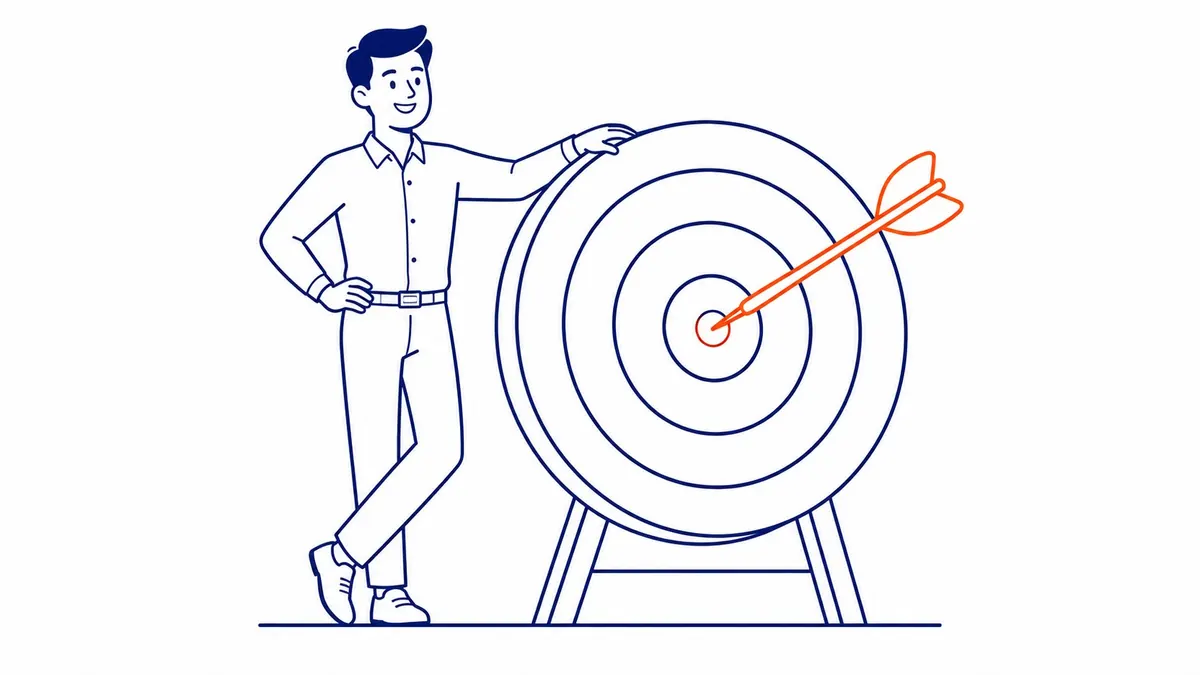
Where It Goes Wrong
Outrage is the easy bait. It is also the one that wrecks people.
A deliberately inflammatory take gets links. Plenty of them, fast. Then look at what those links actually say. Many of them linked to disagree, or to warn their readers off. Some held you up as the example of what not to do. The reaction you provoked was contempt. Now contempt is on the record with your name bolted to it.
That is worse than earning no links at all. A page nobody links to is merely invisible. One linked by fifty sites calling it wrong is visible for precisely the wrong reason. The bait worked. It just worked at the wrong thing.
This is clickbait wearing an SEO hat. It counts whether it got linked. Never what the link says about you. And the link always says something.

Where To-The-TOP! Fits
We have watched Calgary businesses chase a viral moment, land one, then spend the next year explaining it away. Link baiting was never the problem there. Aiming it at a reaction nobody thought through was.
SEO Company To-The-TOP! has earned links the durable way since 2007. The provocations we help clients build are the safe kind, the sort where every reader who reacts leaves a link worth keeping. No manufactured outrage. And no stunt anyone has to apologize for six months later. That patient search engine optimization work sits alongside the faster channels, not against them.
A sharp Google Ads campaign buys you attention today while the earned links compound underneath. And the record of what we have actually built stays public, not promised, over on the portfolio. Provocation is a tool like any other. It cuts whichever way you point it.
Common Questions About Link Baiting
Is link baiting a black hat SEO tactic?
No. Publishing something people genuinely want to link to is ordinary SEO. It only edges toward risky when the thing you publish is built to provoke the wrong reaction. The kind you would not want attached to your name. That tactic itself is neutral. The reaction you aim for is the choice that carries the weight.
Does link bait content have to be controversial?
Not at all, and controversy is usually the worst version of it. A surprising true statistic pulls links. So does a genuinely useful free tool, or a piece of original research. None of them staples a fight to your reputation. Controversy does work. It simply collects the wrong reactions alongside the right ones.
How fast does link baiting work?
Faster than most link building. A strong piece can earn links within days rather than the usual months. That speed is the real draw. Just remember the links it brings are permanent, so the speed cuts in both directions at once.
What makes a piece of link bait backfire?
The reaction it sets off. Sites link to laugh at you, or to steer people away. Those links carry the reason in their anchor text and the copy around it. A search engine reads that reason. The page ends up known for the wrong thing, which lands worse than staying unknown.
Is link baiting still worth doing in 2026?
Yes, as long as the bait is something you would be proud to be cited for. Original data and useful tools still earn links the way they always have. The tactic has not aged out. Only the outrage version has worn out its welcome.
Contact Calgary SEO Company To-The-TOP!
Questions about anything in this article, or about your own rankings? Talk to a Calgary SEO specialist directly.
Phone: (403) 308-5949
Address: 1509 14 Ave SW, Calgary, AB T3C 0W4
Hours:
Monday to Friday: 10:00 am – 7:00 pm
Saturday: 12:00 pm – 4:00 pm
Sunday: closed