
What Are Three Things a PPC Ad Shows?
Headline text. A visible web address. Then description copy underneath.
There is your answer, and it cost you a dozen words. But now the awkward part. The ad you wrote is almost certainly not the ad anybody saw.
SEO Company To-The-TOP! has been buying clicks for Calgary businesses since 2007. Owners still email us a screenshot of their ad, captured from inside their own account. That screenshot simply shows a menu. Their customer was served a plate.
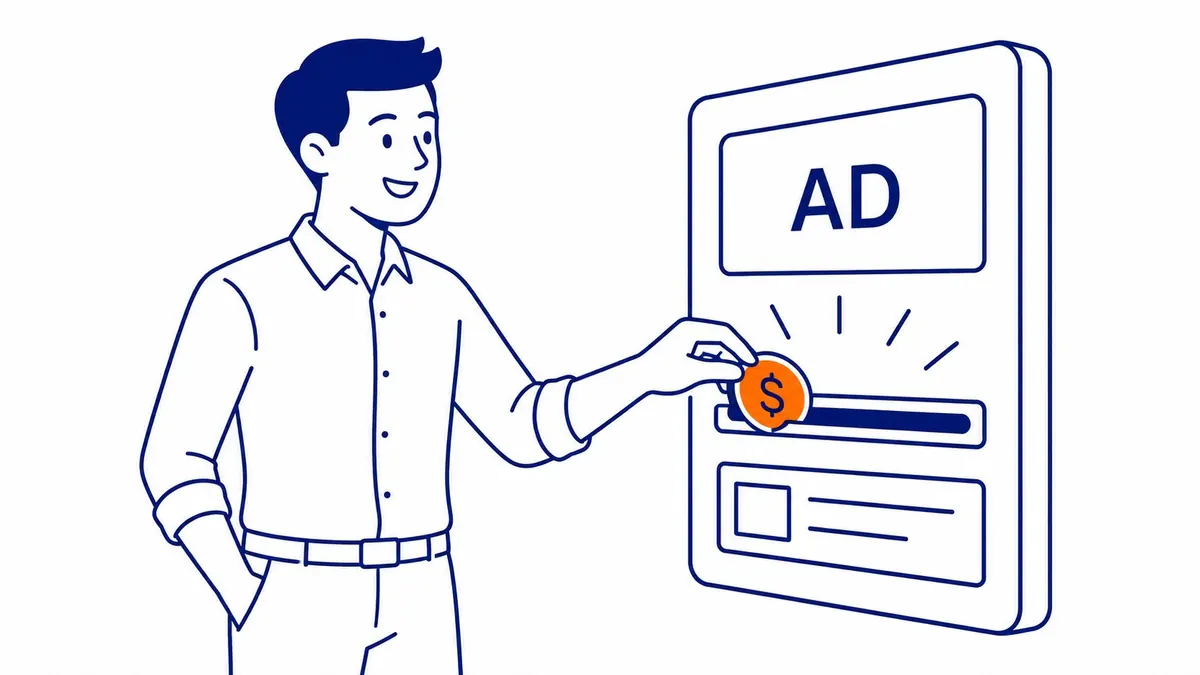
The Answer Everyone Wants From a PPC Ad
Three things, memorized in ten seconds.
PPC stands for pay per click. A search ad has carried the same visible skeleton for years. Something clickable along the top. A display URL beneath it. Description copy under that. Where each format puts its pixels is a separate subject, and we have covered it elsewhere. It is also not the interesting question here.
The interesting question is hiding in the verb. Shows. Shows to whom, on which search, on what day?

Three Parts Describe a Format Not a Promise
Formats age. Answers built on formats age even faster.
Those three parts describe a container. They say nothing about what sits inside the container on any given morning. Google’s standard search ad now works from a pool. You hand over many headlines. Several descriptions go in beside them. The system assembles an ad at auction time, once somebody actually types.
Nobody explains this to the small business owner, though. The editor still looks like a form, so it still feels like a form. The limits are real enough, and the characters in a Google Ad still get counted.

You Wrote a Menu Not a Meal
Picture a kitchen. Writing the menu is your job. The kitchen plates the food.
Your asset pool is that menu. A single impression is one plate. The diner reads whatever is in front of her and never once reads your menu. She cannot. It simply was never printed for her.
Owners review the menu and call it dinner. That is the entire mistake. It is also expensive.
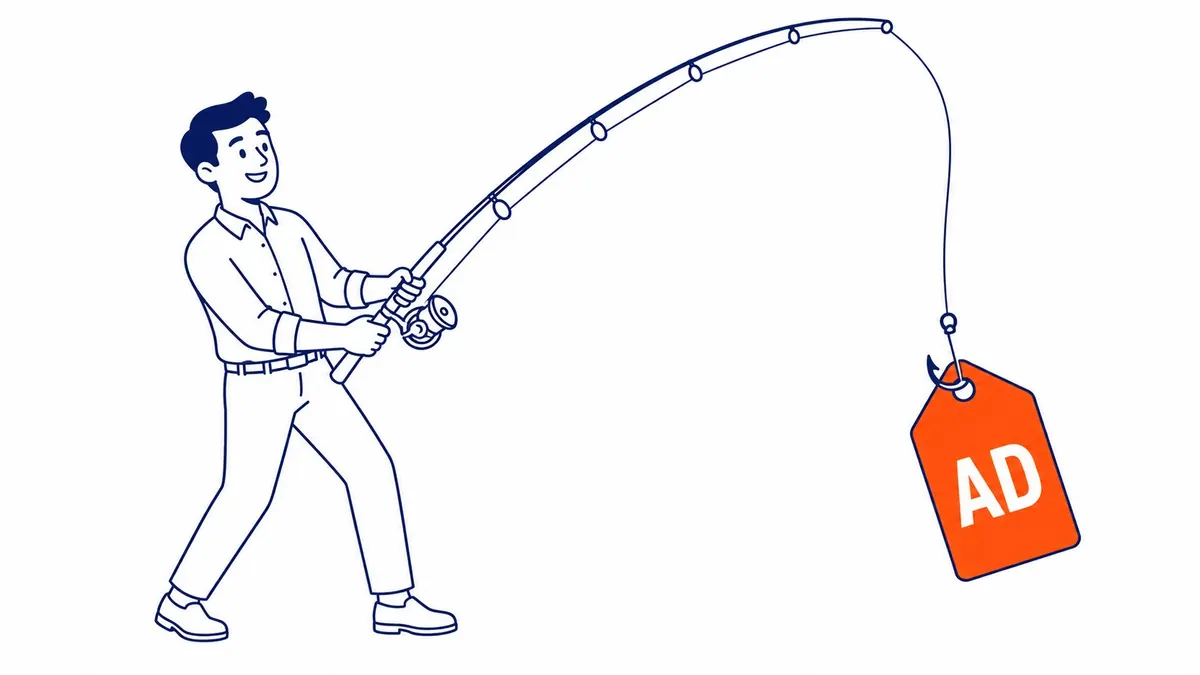
Nobody Sees Every PPC Headline You Wrote
One searcher, one plate.
Change the keyword and the plate changes. Switch the device and it changes again. The headline you argued about for an hour on Tuesday may have gone out a handful of times. Another line, the one you typed in thirty seconds to fill a box, may have carried the whole campaign.
Ask a room of marketers what their PPC ad shows. They answer instantly and they answer with confidence. Ask which combination actually ran most often last month. Silence, usually. Then somebody opens a laptop.

Which PPC Ad Actually Served
Stop guessing. The account already knows.
Reporting inside Google Ads names which of your assets ran and which combinations went out. That report still sits a few clicks from the screen most owners live on. Yet hardly anybody opens it.
Read it before you touch a single word of copy. A headline that never served cannot be underperforming. It is simply absent. Rewriting an absent headline changes nothing at all, though it does fill a meeting.
Almost every account we inherit tells the same story. Somebody wrote a stack of strong lines. A handful of them have quietly done all the work for two years already. Sizing up a PPC competitor works differently, since none of that report is public.

Writing for a Sentence You Cannot Predict
Every headline has to stand alone.
You are not writing a sentence anymore. Instead you are writing pieces that must survive being shuffled. Your strongest line might land first. It might land third, wedged against something you wrote as filler.
Pinning exists for the cases where order genuinely matters. It locks an asset to a chosen position. A legal disclaimer. Perhaps a price you are contractually required to display. Use it deliberately and sparingly. Pin every asset and you have quietly rebuilt the old fixed ad by hand. That rather defeats the point of supplying a pool.

What a Blind PPC Review Costs You
Look at where the hours go.
Three people sit in a room and argue about a PPC headline that barely served. The copy gets approved. Everybody feels productive. The waste here is not the ad spend, which at least bought data. Attention is what actually got burned.
Meanwhile the combination doing most of the work goes unread by anyone in the building. Nobody approved that one. Instead, the auction assembled it.
Worse, the lesson never lands. A campaign underperforms and the owner blames the words. Those words may have been perfectly good. Some of them never ran at all.
Where the Three Part Answer Still Holds
The skeleton is real. Give the three-part answer in a job interview and you will be right.
It holds for one more thing, and this is the part worth keeping. Whatever Google assembles from your pool, the click always lands exactly where you pointed it. The headline is a variable. Your landing page is not. Owners obsess over the part they cannot control and shrug at the part they own outright.
You cannot approve an ad you have never seen. Still, you can absolutely approve the page it opens.
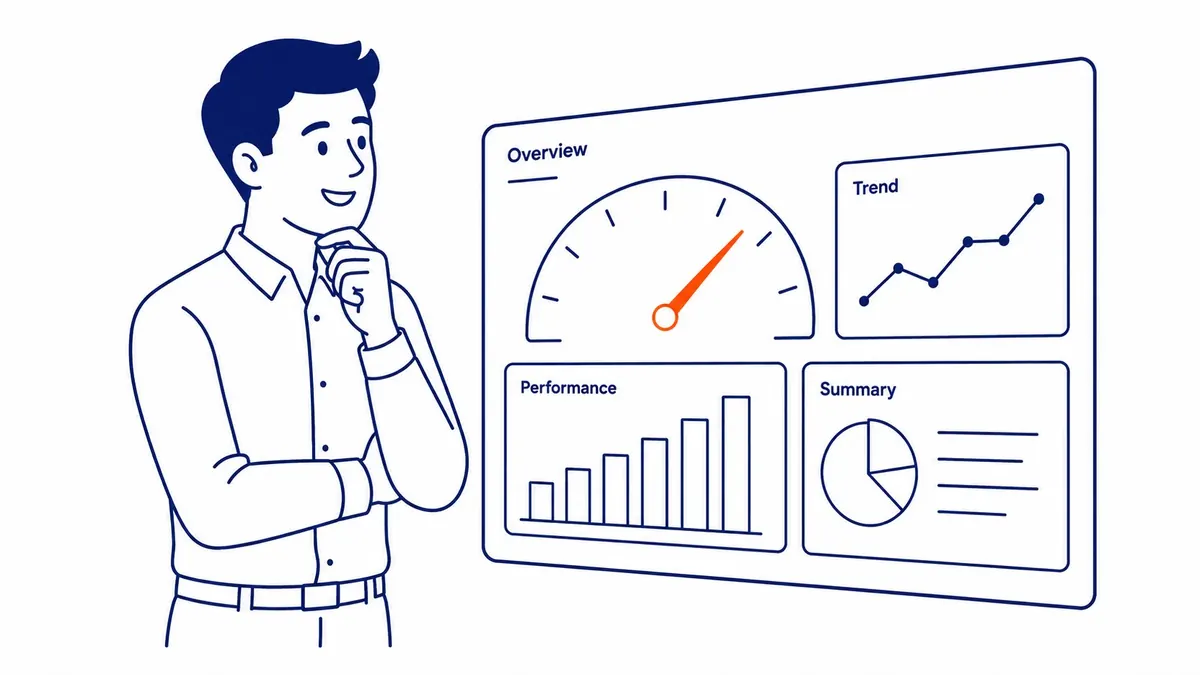
What We Tell Calgary Clients About PPC Ads
Nineteen years of this. One person doing the work, no junior handoffs.
Our Google Ads management begins with the served-assets report, never with the copy. Then we look at the destination. A click landing on a slow page wastes whatever the ad happened to say. Paid search and Calgary SEO are buying the same landing page.
Then the words, last. Solid keyword research tells you which questions your ad should be answering.
Proof also comes up early in most conversations. Our SEO portfolio is public and always has been. The SEO services Calgary pages spell out the process before anybody signs anything. Plenty of first calls start further back, with the meaning of PPC.
Common Questions About What a PPC Ad Shows
What are the three parts of a PPC ad?
Headline text. A visible web address. Description copy underneath. That skeleton has still held for years. What fills it varies from one impression to the next.
Does Google show all my headlines?
No. You supply a pool of assets. The system builds each ad from part of that pool. Some of your headlines will serve constantly. Others barely run, if ever.
Can I control which PPC headline appears first?
Pinning locks an asset to a position. Reserve it for lines that must appear, such as a price or a disclaimer. Pin everything and you remove the reason to supply a pool in the first place.
How do I see what my ad actually looked like?
Open the asset and combination reporting inside your account. It names which assets served and which combinations went out. Read that before rewriting a word.
Should I still write every headline carefully?
Yes. More carefully than before, in fact. Any line might run beside any other line. Filler you typed at four o’clock on a Friday can end up sitting in front of your best customer.
Contact Calgary SEO Company To-The-TOP!
Questions about anything in this article, or about your own rankings? Talk to a Calgary SEO specialist directly.
Phone: (403) 308-5949
Address: 1509 14 Ave SW, Calgary, AB T3C 0W4
Hours:
Monday to Friday: 10:00 am – 7:00 pm
Saturday: 12:00 pm – 4:00 pm
Sunday: closed