
Can International SEO Efforts Be Enhanced With Rapid URL Indexer?
Yes, narrowly. A rapid URL indexer takes a list of addresses and works at getting them noticed sooner than plain waiting would. On a locale folder that went live yesterday, that is worth something real.
Then the enhancement stops. It stops a long way short of the failure most international sites are actually having. So this page spends almost no time on submission mechanics.
How Google discovers a page, and why it sometimes declines to keep one, are covered properly elsewhere on this site. The sitemap route. Whatever links happen to point at a new page. That manual request inside Search Console. None of it gets repeated here.
International SEO breaks somewhere else. There is a third failure underneath it, and it only exists once you run more than one country version.
Indexed Is Not a Country
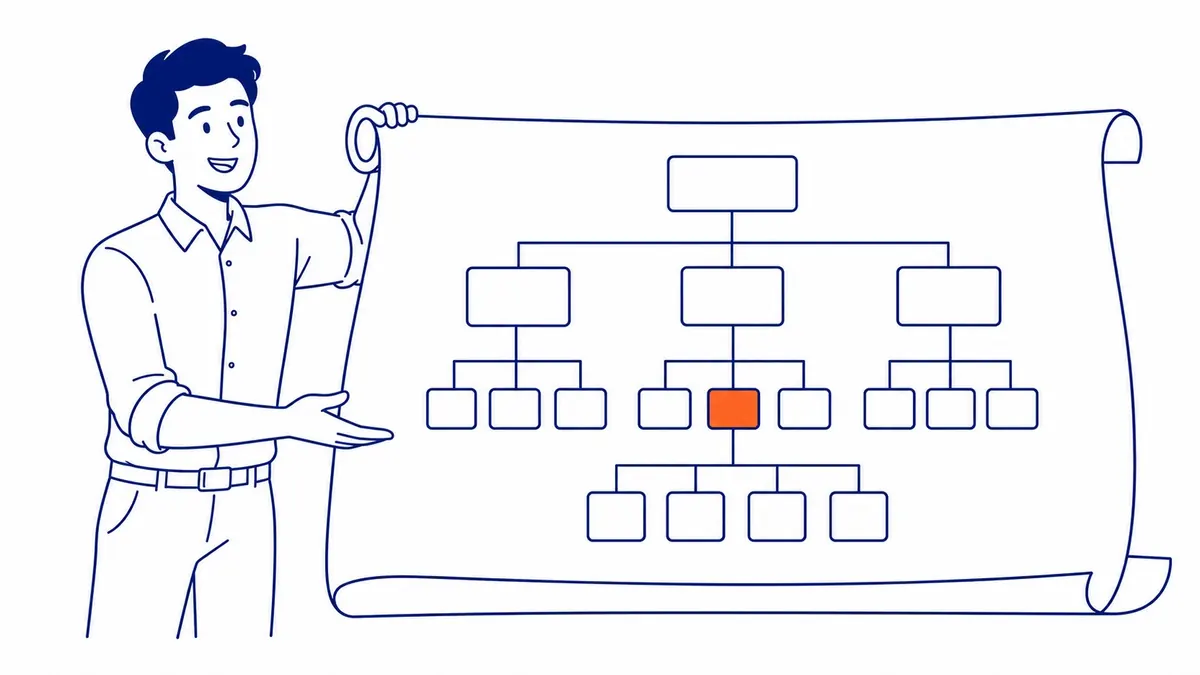
Start with what the index is.
There is one of them. Google does not keep a German index sitting beside a Canadian one. A page enters the index a single time. It is then eligible, in the sense that any results page anywhere could draw on it. Eligible is a property of the page. Visible in Munich is a property of a query somebody typed in Munich.
So read what the word indexed tells you. It tells you the page is available. Nothing beyond that.
Which country actually sees the page gets decided afterward. Every time somebody searches, in fact. Separate machinery. Your hreflang set feeds that decision. So does the domain structure. Links pointing at each language version feed it too, along with the market signals Google reads off them.
A submission feeds none of it. Announcing an address is not the same act as arguing about which market the address belongs to.
Three Ways a Page Fails. Submitting Reaches One.

Google never found your page. That is a discovery failure. Submitting the URL is precisely the cure.
Or Google found it, read it, then declined to keep it. Nothing you submit will move that verdict.
Then the third one. Google found the page. It got indexed properly, with nothing broken anywhere. And the market you were aiming at gets shown a different language version instead.
Only the third belongs to international SEO. A single-language site cannot have it. There is no rival version of the page for Google to prefer.
It is also the common one. A business running four locale folders has long stopped arguing about whether the pages exist. The argument moved. It is now about which folder wins in which country, and that fight never touches the index.
The Third Failure Passes Every Check You Own

Here is the expensive part.
Run a site query on the German URL. It comes back. Open the URL inspection tool in Search Console and the page reads as indexed. Push the same address through a URL indexer and the report says indexed as well.
Everything agrees. The page is in.
Meanwhile a searcher in Munich still gets your English page. Or your .com. Possibly nothing of yours at all.
Nothing in that chain lied to you. Each check answered the question it was asked, which was whether the page sits in the index. That was never the question you had.
Analytics tells the same flattering story. The German URL shows sessions, so the page is clearly working. Filter those sessions by country and some share of them can turn out to be Canadian. Yours, your developer’s, a translator checking a heading.
So the tool most people buy at this moment reports on the one thing that was already fine.
Somebody Will Say International Sites Are Big

Fair objection. Large sites do run into genuine discovery problems, and an international site is large by URL count. Ten thousand addresses is unremarkable.
Then look at what multiplied.
Not the writing. One thousand pages became ten thousand URLs because ten locales got added. The content count never moved.
Now ask how those ten thousand URLs reach each other. Every variant carries a language switcher. That switcher points at every sibling version of the page somebody is standing on. Nine links out of each URL, aimed at nine URLs that exist for the same reason.
So the architecture that looks worst on a raw URL count is among the best-linked structures in common use. A crawler landing anywhere inside it can walk to the whole set.
Real discovery problems live elsewhere. They live on sites where thousands of URLs sit behind pagination with nothing pointing at them. Locale variants are close to the opposite case.
The sitemap usually reflects that. Plenty of international builds ship a sitemap index with one child file per language. The same system generated both the pages and the file listing them. Whatever is missing from the index is rarely missing from the sitemap.
What the Indexing Report Actually Contains

A submission comes back with a verdict. Indexed, or not indexed.
You could already get that verdict. Search Console gives it away for free. One URL at a time through inspection. Or by the folder, through the indexing report.
Then notice what no indexing report carries. Which country the page surfaces in. Whether the German version beat the .com for a German query. Or whether the market you paid a translator for can see the thing at all.
That last set is measurable. Not from Calgary, though. Checking a foreign results page from an Alberta connection shows you an Alberta approximation of it. The country filter inside Search Console sits closer to the truth. So does anybody reporting from inside the market.
There is a free version of the same test. Add the locale folder as its own URL-prefix property in Search Console. Its indexing report then counts that folder alone. Indexed pages on one side, everything Google left out on the other.
Worth saying plainly. The number a URL indexer hands back is the number you did not need.
Where the Rapid URL Indexer Argument Stops

None of this makes the tools useless. One window exists where a rapid URL indexer earns its place, and the window is short.
You launch a locale. Ten thousand fresh URLs go live on a Tuesday. Nothing outside the site links to any of them yet. Your sitemap has been submitted, and it is now queued behind everything else Google has scheduled for the week.
That is a true bottleneck. Submitting the set can shorten it.
Then the window closes. A month on, those URLs are known. Linked from the switcher. Crawled on some schedule Google worked out on its own. Anything still absent is absent for a reason no submission can reach.
Worth naming the other limit too. A site running one language in one country gets nothing here that Search Console was not already handing over.
International SEO Work for Calgary Businesses

SEO Company To-The-TOP! has been doing this since 2007. Mostly Alberta and British Columbia work, plus a steady number of clients selling well past the border.
To-The-TOP! runs as a solo practice. One SEO specialist handles the work start to finish. An international build never gets passed down to somebody who has not seen a locale folder before. White Hat methods only. Monthly position reporting, broken out by market where a client needs it that way.
The opening question on an international project is never about indexing. It is which market is supposed to see which page. Our Calgary SEO work writes that map down before a single page goes to a translator. A map drawn afterward only describes what happened rather than what anybody wanted.
Then keyword research runs again per market. The German phrase is rarely the translated English one. A technical website audit catches the structure problems that a submission was quietly being asked to paper over. Meanwhile a Google Ads campaign can buy visibility in a new country while the slower work settles underneath it.
The To-The-TOP! portfolio shows which keywords that work has reached. Worth reading before hiring anybody, here or elsewhere.
Three to six months before positions move in any meaningful way. No guarantees attached to that, in Canada or anywhere else.
The submission question usually arrives about a month after the wrong version started ranking.
Common Questions About Rapid URL Indexer and International SEO
Can a rapid URL indexer help international SEO?
It can help with one thing. Getting new locale URLs known to Google sooner than waiting would. That is genuinely useful in the weeks after a launch. It does nothing about which country version Google chooses to show. That is the failure most international SEO projects actually run into.
Does faster indexing improve international rankings?
No. Indexing makes a page eligible to appear. Ranking in a particular country depends on hreflang, domain structure, links and content quality in that market. Arriving in the index sooner does not change any of those inputs.
Why is my German page indexed but not ranking in Germany?
Indexing and country selection are two separate decisions. The page can sit in the index perfectly while Google keeps showing your English version to German searchers. Check the hreflang pairs first, then look at the country filter in Search Console before assuming a discovery problem.
Do I need a URL indexer for a multilingual site?
Usually not. Language switchers link every variant to every sibling. Multilingual sites tend to get crawled well as a result. A large launch is the exception worth considering.
How do I check which country version is ranking?
Use the country filter in Search Console rather than searching yourself. Your own results page reflects where you are sitting. Filter impressions by country, then read which URL earned them.
Contact Calgary SEO Company To-The-TOP!
Questions about anything in this article, or about your own rankings? Talk to a Calgary SEO specialist directly.
Phone: (403) 308-5949
Address: 1509 14 Ave SW, Calgary, AB T3C 0W4
Hours:
Monday to Friday: 10:00 am – 7:00 pm
Saturday: 12:00 pm – 4:00 pm
Sunday: closed