
Does AMP Affect SEO?
Not your rankings. That part closed in 2021.
Google dropped the AMP requirement for its Top Stories carousel that year. The little lightning bolt disappeared from mobile results. Page experience signals took over instead. Any fast page could compete for the same slot after that, whatever framework built it.
So most articles about Accelerated Mobile Pages end right there. Verdict delivered. Framework dead. Move along.
Only that is the part people get wrong. A framework going quiet is not the same thing as a framework leaving your website.
This page is about the second thing. What AMP still does to the SEO of a site that already has it.
The Ranking Question Closed. Your Plugin Kept Running.

Nobody at your company decided to keep AMP.
Somebody installed it once. Probably 2017 or 2018, back when every SEO blog said to. Then that person moved on. Or the site got redesigned. Maybe the retainer ended and nobody picked the file back up.
The plugin never noticed any of that.
It is still generating a second version of every post you publish. Still writing tags into your HTML. Serving stripped-down copies to anything that asks for one.
Dead frameworks do not uninstall themselves.
Find Out If You Have AMP Pages
Stop reading for a second and go look.
Take any blog post on your site. Put /amp/ on the end of the address. Load it.
A stripped-down, unfamiliar version of the page means the plugin is live. Getting a 404 means it is not. Ten seconds, and you know which site you are actually running.
Plenty of business owners find a whole parallel website they had forgotten about. Their SEO reports never mentioned it once.
AMP Pages Are a Second Set of URLs

Every AMP page is a real URL. Crawlable. Indexable too, unless something tells Google otherwise.
That something is the canonical tag. The AMP copy points back to the original. Then the original points forward to its AMP twin with a rel amphtml tag. Together those two tags tell a crawler which address holds the actual page.
Get the pairing right and nothing bad happens. The copy stays a copy.
Get it wrong and you have two live addresses holding identical content. Nothing explains the relationship between them. Google picks one on its own, and the one it picks is not always the one you sell from.
That is a real SEO outcome. It has nothing to do with whether AMP ranks.
Notice what the pairing depends on. Two tags, on two separate pages, generated by two separate processes, both staying correct indefinitely. That held fine while somebody was maintaining it. Maintenance is exactly what stopped in 2021.
The Tag Was Written by Software You Stopped Updating
Here is where the whole thing turns.
That canonical pairing is not a setting somebody typed once. A plugin regenerates it on every page load. Forever.
So the tag currently telling Google which version of your content to index came out of code from an abandoned release. Nobody has read it since. There was never a reason to.
Then think about everything that happens around it. A theme change. Another plugin’s update. A move to a new host. None of those events know the AMP plugin is there.
Validation is the quiet part. AMP has a strict spec. A page either clears it or drops out of AMP surfaces entirely.
Nothing crashes when that happens. No email arrives. The page simply stops qualifying, and nobody is watching a report for a framework they believe is dead.
Somebody Will Say Google Ignores All of This Now

Fair objection. AMP carries no ranking preference anymore. So why would a stale setup cause an SEO problem at all?
The crawler does not know it is looking at a dead framework.
It sees URLs. Fetches them. Then it follows whatever tags it finds and decides what to index. A canonical tag is an instruction regardless of which year generated it. Google reads it either way.
Deprecation did not switch anything off. It only removed the reason anybody had to check.
That is the trap in the five-second answer. “AMP does not matter” is true about rankings and false about your server. The first half is why the second half went unattended for five years.
Somebody Will Say Removing It Is the Bigger Risk
Also fair, and worth taking seriously. Ripping out a working setup can break more than it fixes.
Only notice the word doing the work there. Working.
A maintained AMP setup that validates cleanly is genuinely fine. Leave it alone. High-traffic publishers still run them deliberately, and they have people whose job is to watch them.
The problem is the middle state. Installed, unmonitored, nobody’s job. That is not a working setup. It is a setup nobody has checked.
Find out which one you have before arguing about whether to keep it.
What to Check Once You Find It
Four things, and none of them take long.
Open the AMP version and view its source. Find the canonical tag. It should point at the normal URL of that same post. A canonical pointing at your home page, or at nothing, is a broken setup wearing a working one’s clothes.
Then check the original page for its rel amphtml tag. Both halves of the pairing have to agree. One-sided pairings are common on sites that changed themes.
Next, count what Google actually holds. Search Console reports indexed URLs, and the AMP addresses will be sitting in there among them. A number close to your post count is normal. Anything far above it means something is generating pages you never wrote.
Last, run the AMP validator against one page. Failures there are not emergencies. They only tell you how long the setup has been drifting, which is the thing you came to find out.
Removing AMP Pages Is a Redirect Job
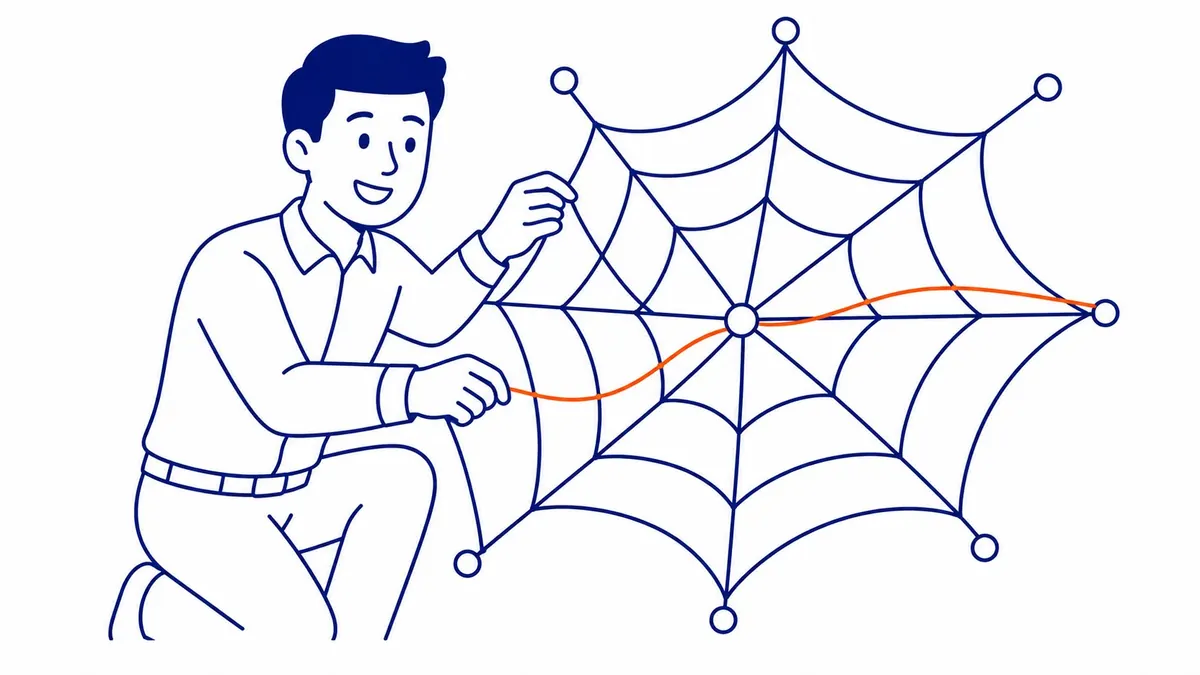
Deactivating the plugin is the easy half. The URLs are the other half, and almost everybody forgets them.
Those /amp/ addresses have been sitting in the index for years. Some of them have picked up external links along the way. Turn the plugin off cold and every one of them starts returning a 404.
So redirect them instead. Each AMP URL should 301 to its canonical original. Then watch Search Console for crawl errors over the following few weeks.
Do it on a quiet week. Not the week before your busiest season. Numbers move around while Google reconciles the two sets. You want room to tell an ordinary swing from a real problem.
Expect the reporting to look strange for a while. Two URL sets collapsing into one always does.
Technical Cleanup at SEO Company To-The-TOP! in Calgary

Nineteen years of this work turns up the same pattern over and over.
The thing hurting a site is rarely the thing its owner is worried about. It is usually something switched on years ago by somebody who has since moved on. AMP is one example of that. Stale redirect chains and a forgotten staging subdomain are two more.
A proper website audit surfaces them, which is the point of running one before commissioning anything new. Calgary businesses come to To-The-TOP! wanting more content, and leave with a shorter list of things to switch off first.
Paid campaigns deserve the same look. An ad points wherever its final URL says to point. So a Google Ads account built while AMP was live can still be sending paid clicks to those stripped-down pages. Worth checking before the next budget cycle.
None of this is glamorous work. Search engine optimization rarely is. Most SEO progress on an older site comes from subtraction rather than addition. To-The-TOP! has been doing it since 2007 without junior handoffs, which mostly means somebody actually opens the files.
Common Questions About AMP and SEO
Do AMP pages rank higher?
No. Google removed the AMP requirement for Top Stories in 2021 and replaced it with page experience signals. A fast page competes on its speed now, not on its framework. Building AMP today for ranking reasons is building it for a rule that no longer exists.
How do I know if my site has AMP pages?
Add /amp/ to the end of any blog post URL on your site and load it. A stripped-down version of that post means the plugin is still generating them. Your CMS plugin list will confirm it, and Search Console will show you how many of those URLs are indexed.
Should I remove AMP from my site?
Depends on the state it is in. A validating setup that somebody monitors can stay. An abandoned one is worth removing, mostly to stop it making canonical decisions nobody reviews. Check first, then decide.
Will removing AMP hurt my traffic?
Not if the old URLs redirect properly. Skip the redirects and you will lose whatever those addresses had accumulated. The removal itself is low risk. Cleanup around it is where sites get hurt.
Is AMP dead?
Not formally. The project still exists and the pages still render. Its SEO advantage is what died, back in 2021. That distinction matters, since a dead advantage and a dead installation are two very different problems.
Contact Calgary SEO Company To-The-TOP!
Questions about anything in this article, or about your own rankings? Talk to a Calgary SEO specialist directly.
Phone: (403) 308-5949
Address: 1509 14 Ave SW, Calgary, AB T3C 0W4
Hours:
Monday to Friday: 10:00 am – 7:00 pm
Saturday: 12:00 pm – 4:00 pm
Sunday: closed