
How Agencies Align SEO Tactics With Marketing Objectives
Four agency proposals land in the same inbox. All four list the same work.
Technical fixes. Keyword research. New content. Link building. Local listings. A monthly report.
So the tactic list tells you nothing about alignment. It cannot. Every item on that page behaves the same way no matter what the business is trying to achieve.
Alignment happens somewhere else. Two places, in fact. The pages each tactic points at. Then the condition that declares the work finished.
SEO Tactics Are Objective-Neutral

A crawl fix does not know why anyone got hired. Neither does a rewritten title tag.
Take link building. The instruction is identical for a law firm chasing high-value cases and a parts supplier chasing catalogue orders. Earn relevant links to a page that deserves them. Nothing in that sentence shifts when the marketing objective shifts.
Content behaves the same way. Publish a page. Target a query. Satisfy the intent behind it. That description fits an awareness objective and a lead generation objective equally well, which is exactly the problem.
Technical work is even more neutral. Nobody has ever fixed a redirect chain differently because the client wanted more commercial enquiries.
That is why an agency can truthfully say it aligns SEO tactics with marketing objectives while doing nothing of the kind. The claim survives because the tactics themselves are neutral. Neutral things absorb whatever story gets told about them.
The Objection: Some Tactics Obviously Match an Objective

Fair pushback. Isn’t local SEO built for a local objective? Video work serves awareness. Surely a real map exists between tactic and objective.
Look at local SEO more closely though. Two Calgary plumbers hire the same agency in the same month.
One wants emergency callouts at eleven at night. The other wants scheduled maintenance contracts with property managers.
Both proposals name the tactic identically. Local SEO. The checklist underneath reads identically too. Categories. Service areas. Review acquisition. Location pages.
What differs is which queries those location pages chase. Then which language the review requests ask customers to use. “Fast” and “reliable” pull noticeably different callers.
So the objection confirms the point rather than defeating it. Even the tactic that looks objective-specific turns neutral one layer down. The marketing objective always shows up in the aim. Never in the tactic name.
Alignment Lives in the Target Set

Name the objective in plain business language. Then name every page and query that could plausibly serve it. That second list is the alignment.
More booked maintenance contracts is an objective. Its target set stays small. Maybe four pages. A commercial services page. Two location pages. One case study nobody has written yet.
Meanwhile a blog post about DIY leak repair sits outside that set. The post might rank beautifully. It still cannot serve the objective, since the reader is fixing the leak themselves and has no intention of phoning anybody.
Most misalignment looks exactly like this. Competent work aimed at the wrong pages. Nobody was lazy. The target set simply never got written down, so every tactic defaulted to whatever looked promising in the tool that week.
Writing it down costs an afternoon. That afternoon belongs to keyword research, because a target set is a keyword decision long before it becomes a content decision.
Then in the Stopping Condition

The target set covers half of it. A stopping condition covers the rest.
Ask an agency when a tactic is finished. Most answer with the deliverable. Page published. Audit delivered. Twelve links acquired.
Those are completion conditions for a task. Not for a marketing objective.
Now try the objective version. The commercial services page is finished when two things hold. It ranks in the top five for the commercial term. The form on it has produced leads.
Same page. Identical tactic. Wildly different amount of work implied.
A stopping condition tied to the objective forces the second pass nobody budgets for. Rankings arrive. The form converts badly. So the page returns to the list instead of moving to the archive.
Without that condition the page ships and the tactic gets marked done. Ranking well. Converting nothing. Everybody reports a win.
Where the Marketing Objective Actually Gets Lost

Alignment rarely fails in the strategy meeting. It fails at the handoff, one layer below where anyone looks for it.
The proposal names the objective clearly enough. More qualified enquiries from Calgary property managers.
Then the strategy becomes tasks. A brief goes to a writer. Then a ticket to a developer. An outreach list goes to whoever handles link building. None of those documents mention property managers anywhere.
The brief says target keyword. Word count. Competitors to beat. Internal links to include.
So the writer optimizes for the brief, correctly, because the brief is the only instruction they received. The resulting page is good. It is also aimed at nobody in particular.
One line repairs most of this. Put the marketing objective on the deliverable itself, inside the brief and inside the ticket. Who should act after reading this, and what should they do next.
Costs nothing to add. Almost nobody adds it.
Two Marketing Objectives, One Tactic List

Picture a Calgary equipment supplier with two live objectives. Filling a new second location. Defending margin on a product line that competitors keep undercutting.
An identical tactic list serves both. Content. Technical. Link building. Local SEO.
Under the first objective, location pages carry the weight. Review volume matters more than blog volume. A website audit prioritizes whatever blocks that new location page from being indexed.
Under the second, those same tactics point at comparison and specification queries. Content answers “this model versus that model”. Links point at the product hub rather than the location page. Reviews barely matter.
Nothing on the tactic list changed between those two. Everything underneath it did.
That is the entire mechanism by which agencies align SEO tactics with marketing objectives. Not tactic selection. Aim.
Realignment Mid-Engagement
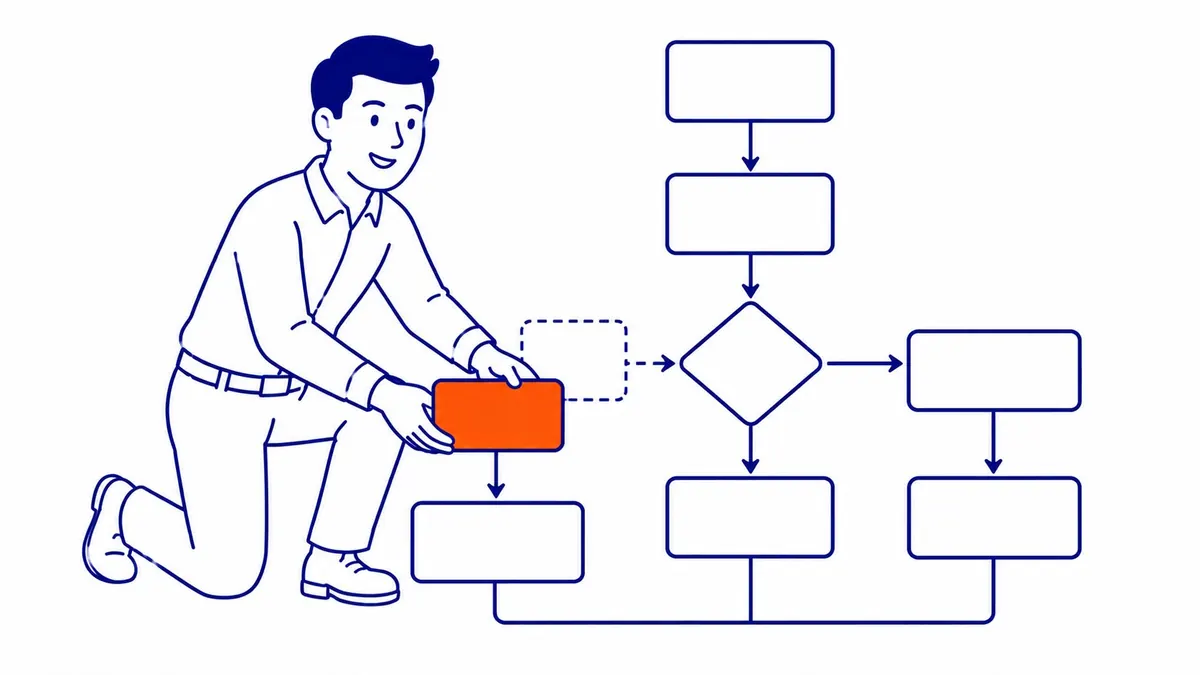
Objectives move. A location closes. One product line quietly takes over the revenue mix.
Then the target set moves with it. Just as important, the old target set gets retired out loud.
Retiring targets is the step agencies skip. Pages keep getting optimized because they were already on the list. Momentum, not strategy. A quarterly review that only adds work has stopped being a review.
Ask for the current target set every quarter. Unchanged for a year while the business plainly changed? Then the SEO tactics are aimed at an objective nobody holds anymore.
Some objectives also outrun organic search entirely. A launch date eight weeks out will not wait for rankings to mature. That window belongs to Google Ads management. The organic target set builds behind it, aimed at the same objective rather than a separate one.
How To-The-TOP! Ties SEO Tactics to Marketing Objectives

SEO Company To-The-TOP! has worked this way since 2007. The objective gets named first. Then the target set, written down before a single tactic starts.
Solo practitioner throughout. No junior handoff, so the marketing objective cannot evaporate between the strategy call and the brief.
Monthly position reporting covers movement on that target set specifically. Not a site-wide keyword count. Calgary SEO clients get the target set revisited whenever the business changes shape. Ongoing SEO services run the same way for Vancouver and Edmonton accounts, and White Hat methods only. Nineteen years of them.
To-The-TOP! will also say when a target belongs on a different channel. That conversation costs a little revenue. It also keeps a quarter of work off the wrong pages.
Common Questions About Aligning SEO With Marketing Objectives
How do I tell whether an agency aligns SEO tactics with marketing objectives?
Ask which pages next quarter’s work points at. Then ask why those pages specifically. An aligned agency answers with a short list of URLs. A misaligned one answers with a tactic list.
Are some SEO tactics better suited to certain marketing objectives?
Marginally, at the edges. Mostly no. The same tactics serve most objectives perfectly well. Only the aim changes, plus the standard for calling something finished.
What is a stopping condition in SEO?
The evidence that a piece of work is done. Tied to the objective instead of the deliverable. A page ranking and producing enquiries, rather than a page merely published on time.
How often should the target set be reviewed?
Quarterly suits most businesses. Sooner when something structural changes. A new location, a discontinued service, a pricing shift that moves the revenue mix.
Does any of this apply to Google Ads?
Yes, and it surfaces faster there. Paid traffic arrives immediately, so budget aimed at the wrong objective wastes money in days rather than quarters.
Contact Calgary SEO Company To-The-TOP!
Questions about anything in this article, or about your own rankings? Talk to a Calgary SEO specialist directly.
Phone: (403) 308-5949
Address: 1509 14 Ave SW, Calgary, AB T3C 0W4
Hours:
Monday to Friday: 10:00 am – 7:00 pm
Saturday: 12:00 pm – 4:00 pm
Sunday: closed