
How Do Local SEO Agencies Use a Rapid URL Indexer?
They feed it a list of URLs. Then they wait to see which ones turn up in the index.
That is the whole mechanic. So this page asks something else instead. What is an indexing submission actually able to fix?
Google’s own routes into the index are covered properly elsewhere on this site. The sitemap. Whatever links point at a new page. The manual request inside Search Console. So is the list of reasons a page stays out, and so is crawl budget. None of it gets repeated here.
What follows is about one gap. The distance between telling Google a page exists and Google deciding to keep it.
Every Way In Does the Same One Job
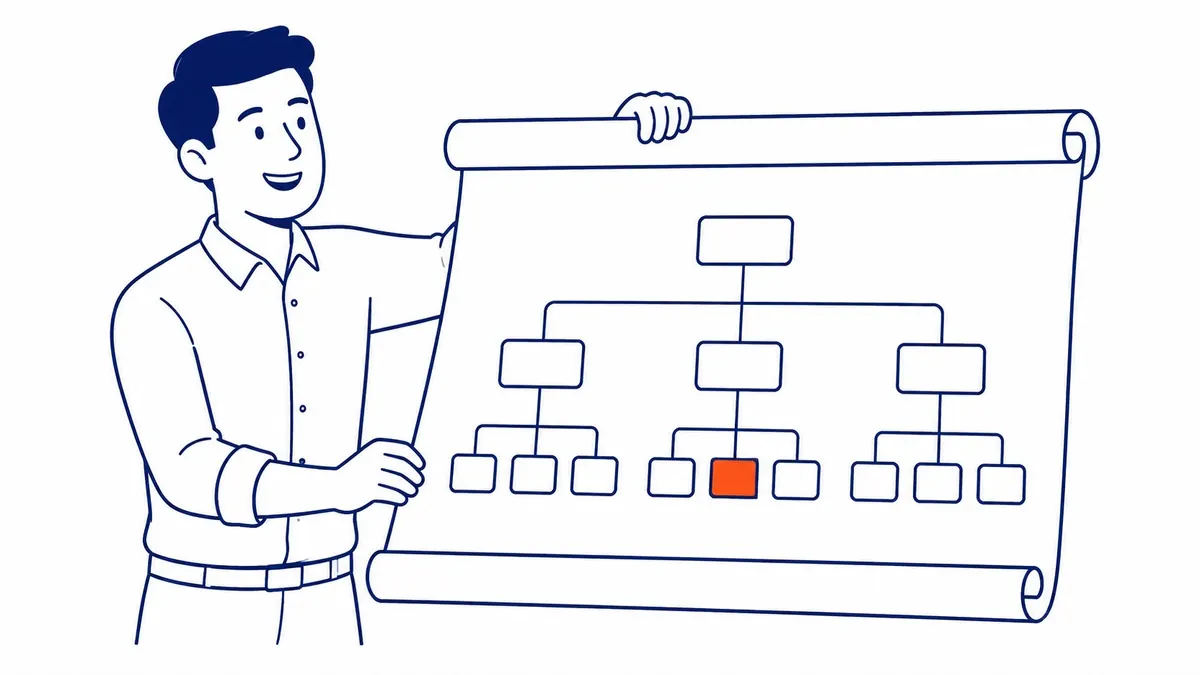
Line up every method anybody has used to get a page indexed.
A sitemap lists your URLs for indexing. An internal link hands a crawler a path to follow. The manual request in Search Console passes over one address at a time. Meanwhile a third-party indexer takes a list and pushes those same addresses through whatever route it uses.
Now read what all four have in common. Each one announces a URL.
That is the job. Every one of them says the same short thing. A page is there. The specifics of RSS feed submission fit the same pattern, one more way of announcing a URL exists.
Nothing on That List Is an Argument

Then watch what none of them does.
Not one carries a reason. A sitemap has a priority field, and Google has said for years that it ignores that field. No submission explains why the page deserves a place. Nothing in a sitemap argues that the content is worth holding on to. A URL arrives, and it arrives bare.
So the whole indexing category does one thing. It does that one thing well. Doing it closes the distance between publishing something and Google knowing the thing is there.
Only that was never the same as wanting it. You can tell somebody about a page a hundred times. Nothing about telling them again changes whether they wanted it the first time.
Two Indexing Failures That Look Exactly Alike

Your page is not in the index. Two rather different things could have happened.
Google may never have reached it. Nothing pointed at the page. Or the sitemap missed it. Perhaps a crawler simply has not come round yet. That is a discovery failure, and a submission is precisely the cure for it.
Otherwise Google reached the page, read it, then declined to keep it. Different failure entirely.
Here is the awkward part. From a search results page, those two look identical. You search for the page and it is not there. Absent is absent.
Search Console does separate the two. Reading it costs nothing. Which is worth sitting with. The answer usually sits there already, before anybody submits a thing.
So the submission gets bought against a diagnosis nobody bothered to make. Article submission in SEO explained covers one path Google actually reaches a page through, not just links.
On a Twenty-Page Website, Discovery Rarely Failed
Think about what discovery asks of a local business site.
There are maybe twenty pages. Every one of them sits in a menu somebody built. A sitemap goes out from the plugin without anybody touching it. New pages link back to older ones, since that is how a website gets put together.
Google tends to find and index pages under those conditions. So on a small site, the announcing half is seldom the half that broke.
Which leaves the other half sitting there. And no amount of submitting reaches it.
Somebody Will Point at the Speed

Fair enough. A submission can be quicker than waiting, and that speed is real.
Only ask what the speed is a fact about. Arriving sooner helps whenever arriving was the problem. Where Google already came and already passed, arriving sooner buys you a faster no.
Same answer. Earlier.
How Local SEO Agencies Use a URL Indexer

Here the question in the title gets its answer, and it runs more generously than the argument so far suggests.
An agency is not looking after one website. It might be looking after fifty. So a problem a single business meets rarely turns up regularly across a portfolio that size.
That changes what the tool is for. Used well, it is no fix at all. Rather it settles which of the two failures you have.
Submit the URL. Should the page get indexed within a day or two, discovery was the trouble. That part is now behind you. Should nothing happen, you have learned the more useful thing. The easy explanation is gone, so whatever is wrong sits in the page.
At fifty sites that saves a great deal of guessing. It is not the thing most people believe they are buying.
Ask What Happened After They Submitted It

Whenever an agency mentions one of these, one question is worth putting to them.
Do not ask whether they submitted your pages. The answer is yes, and it settles nothing.
Ask what happened next instead. Somebody running the submission as a test will tell you which pages came back indexed. Then they will say what they did about the rest. Somebody treating the submission as the work will tell you how many URLs went in.
One of those answers is about your website. Meanwhile the other is about their afternoon.
Where the URL Indexer Argument Stops

None of this makes the tools worthless. The exceptions are real.
Large sites genuinely do have discovery problems. Thousands of pages. Weak internal linking. Whole sections sitting behind pagination. At that scale, announcing a URL is a true indexing bottleneck rather than a redundant one.
A brand new website is the other real case. Nothing points at it from anywhere yet. Nobody has told Google the site exists.
There is a limit on what anybody can say here. How Google treats any particular submission route is not something people outside the company can settle. So this page will not pretend otherwise.
Indexing Work for Calgary Businesses
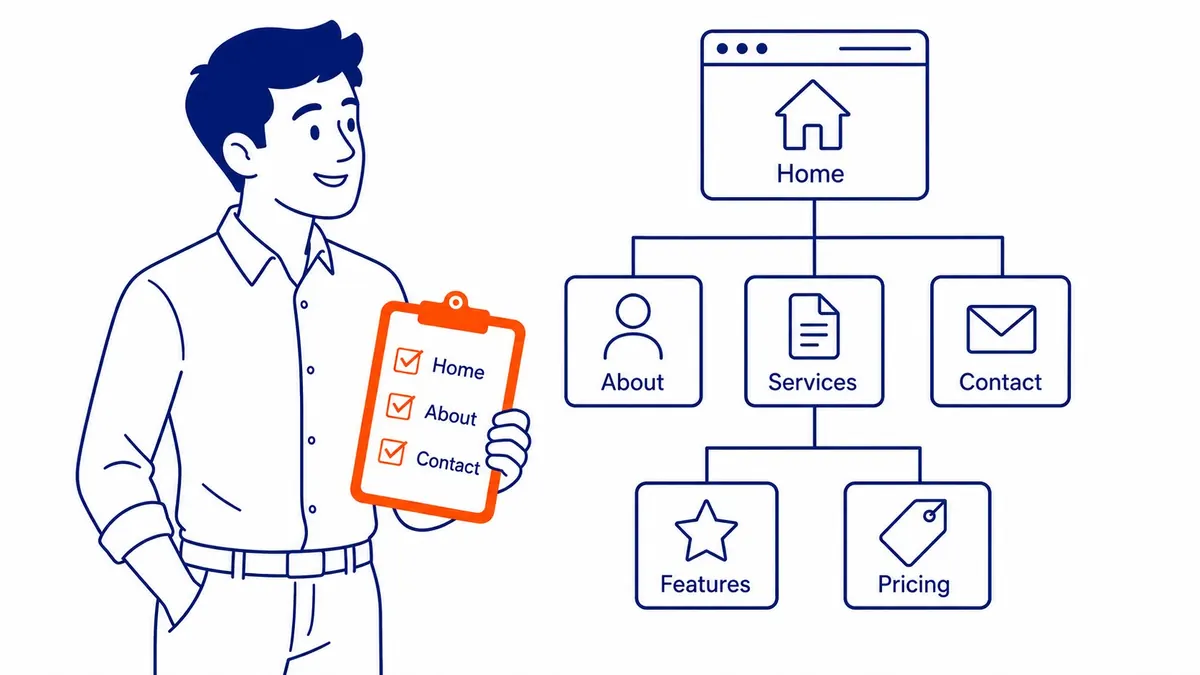
An indexing worry turns up often enough at SEO Company To-The-TOP!, usually as a question about a tool. Often the useful hour goes elsewhere, on working out which of the two failures is in front of us.
That check belongs inside a website audit rather than beside it. The work stops being technical once the page turns out to be findable and unwanted. It becomes ordinary search engine optimization instead, which To-The-TOP! has been doing for Calgary businesses since 2007. No guarantees. Three to six months is the plain range. A Google Ads campaign is the better answer whenever the phone has to ring sooner. The portfolio shows the keywords this work has reached.
Nothing here gets sold to a client as an indexing subscription. To-The-TOP! has fixed plenty of pages that were being crawled and quietly set aside.
Common Questions About URL Indexers and SEO
Does a rapid URL indexer actually work?
For one job, yes. It announces a URL, and announcing works whenever nobody had announced the page yet. Nothing about it argues that the page deserves an index entry once Google has read it.
Is using a third-party indexer risky for my SEO?
Telling Google where your own pages are is an ordinary thing to do. What a tool like this can cost you is attention. An indexing tool aimed at discovery quietly suggests discovery was the problem, and on a small local site that is rarely true.
Why is my new page still not indexed after a month?
Two possibilities, and they look the same from outside. Either nothing has reached it, or something reached it and passed. A month is long enough that the second one is worth taking seriously.
Can I do the same thing myself for nothing?
Mostly. Search Console takes a URL by hand, and a sitemap covers the rest. What an agency buys is the ability to run that across many sites at once rather than one address at a time.
Will getting a page indexed improve my rankings?
Being in the index is the condition for ranking rather than a cause of it. A page can sit in there for years and bring no traffic at all. Whatever decides where it lands is a separate question, and a longer one.
Contact Calgary SEO Company To-The-TOP!
Questions about anything in this article, or about your own rankings? Talk to a Calgary SEO specialist directly.
Phone: (403) 308-5949
Address: 1509 14 Ave SW, Calgary, AB T3C 0W4
Hours:
Monday to Friday: 10:00 am – 7:00 pm
Saturday: 12:00 pm – 4:00 pm
Sunday: closed