
How to Conduct an Effective Ecommerce SEO Audit
A store audit lands as a spreadsheet. Four thousand rows in it. Sorted by issue type. Somebody exports it on a Tuesday, then somebody else starts at the top.
The method behind it is sound. What to crawl. How to measure it. Which checks belong in an ecommerce SEO audit at all. None of that gets repeated here.
This page is about the rows. Most of them should never have been rows.
A Service Site Has Pages, a Store Has Output

Picture a plumber’s website. Twelve pages. Somebody sat down and decided on every one of them.
Now open your store’s sitemap. Read the URLs. How many would a person in your building recognise?
Variant URLs for every size. Filter combinations nobody has ever typed. Pagination running eleven deep under one category. Tag archives the theme switched on years ago.
Nobody chose those. A rule made each one, in the second a product got added.
So the two sites are not the same kind of object at all. One was authored. The other is mostly output.
Which Means Your Crawl Export Is Not the Audit

Screaming Frog reports one row per URL. That is what a crawler is built to do.
Nothing in the export names the rule that produced any given row. Nor could it. That inference sits outside the software entirely.
Yet the inference is the whole job. Somebody has to read three hundred thin product pages, then name the thing that made them thin.
An export is raw material. Treat it as a finished ecommerce SEO audit and you have bought a list of symptoms.
Watch what an export does to a meeting. Somebody reads the row counts aloud. Nine hundred missing alt attributes. Four hundred titles over the limit. Everyone nods at the size of the numbers. Yet nobody in the room can say what produced them. That column was never in the file.
Count the Findings, Not the Rows

Here is a test for any audit sitting in your inbox.
Try counting findings rather than URLs. A finding is a sentence that survives having every URL deleted from it.
Product 4417 has a duplicate description. That one does not survive. Delete the URL and nothing is left standing. Meanwhile imported products inherit the supplier description survives fine, since it never named a page to begin with.
Four thousand rows and no such sentence? Somebody audited your output. Eleven sentences that each name a rule? Then somebody audited your store.
The row count tracks your catalogue size. Finding count tracks how your store was built. Only one of those numbers is about you.
That is also what separates a website audit worth paying for from a crawl somebody re-badged.
The Same Fault Comes Back in March

Say the audit lists three hundred products with duplicate descriptions. Somebody works through them. Real hours. A real improvement.
Then the spring import adds ninety products. Every one arrives carrying the supplier’s text in the description field.
So the fault returned because nothing about it was ever fixed. The import maps a field. That mapping was the finding. Three hundred URLs were the costume it turned up in.
Recurrence is how you spot a rule nobody named.
Ask what that fix costs the second time. Three hundred edits, then ninety more, then however many the autumn range brings with it. The bill grows with your catalogue. Meanwhile one line in the import mapping would have ended the whole thing.
Category Pages Are the Authored Part of a Store

The split runs through your site in a useful place.
Most category pages are authored. Somebody decided that work boots deserved a page, then decided what sat underneath it. Product pages are generated. They exist because a SKU exists.
Audit the two in different registers. Category pages take page-level attention, one at a time, the way a service site gets audited. Product pages almost never do.
Frequently the whole value of an ecommerce SEO audit sits in that category layer, where keyword research changes what gets built next.
Somebody Will Say Plenty of Faults Are Genuine One-Offs
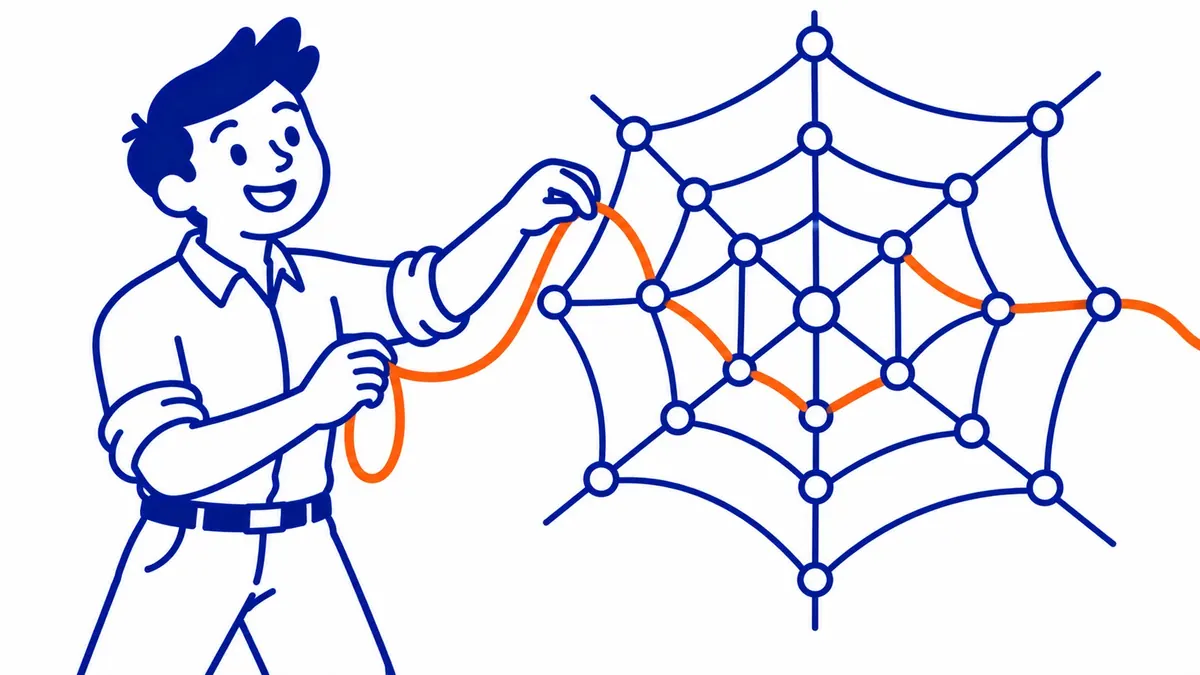
They are. The buying guide nobody linked to. A category renamed last spring with the old URL still dead. One homepage title written in a hurry.
Real faults. Page-level fixes. Fair enough.
Only notice which pages those are. A person authored every one.
So the objection sorts your store the same way this argument does. Pages a person made produce page-level findings. Anything a rule made produces rule-level findings. The exception draws that line rather than erasing it.
Somebody Will Say This Just Means Fix the Template

Partly right. Templates are one kind of generator. They are not the only kind.
Facet configuration is a rule. The import mapping is a rule. So is the naming habit your merchandiser applies to new collections each season, though it lives in nobody’s code.
A rule is anything that will produce the next thousand URLs without a meeting. Some run in software. Others run in staff.
Four Rules You Can Name Before You Crawl

Four questions cover most stores. None of them need a tool.
What creates a new URL here, and who can reach it?
Where does the text on a product page come from?
What links to a product besides its own category?
A discontinued product leaves a URL behind. Where does that URL go?
Ask whoever built the site. Answers take an afternoon. Then the crawl tells you how far each answer has spread. Google’s index shows how much of it landed. That beats a report telling you a store has problems.
The Out-of-Stock Rule Is the One Nobody Writes Down

That fourth question earns its own section. Products end. Every store handles the ending differently.
Some return a dead page. Others redirect to the parent category. Plenty leave the page live with a sold-out badge and nothing else to click.
Whichever yours does, somebody set it once. It has applied to every discontinued product since. Count the lines you dropped after last season. That is how often the rule fired without review.
One finding. Thousands of future URLs.
A business decision sits buried in there as well. Some discontinued line with links pointing at it earns its keep alive. One nobody ever linked to does not. Hardly any store separates the two, since somebody set the rule long before anybody asked the question.
Where the Argument Stops

Run the crawl anyway. Nothing here argues against it. A crawl is how you find out whether the rule you named is actually firing, and how badly.
Small stores sit outside this too. Sixty products, all written by the owner. That catalogue was authored, so audit it page by page like any other small site.
Nothing on this page is a claim about how Google weighs any of it, either. Nobody outside Google can settle that one.
Ecommerce SEO Work for Calgary Businesses

SEO Company To-The-TOP! has worked on Calgary SEO since 2007. Solo practitioner, so the person reading your sitemap is the person you hired. No junior handoffs.
An online store gets the same first hour at To-The-TOP! as everybody else. That hour goes on how the site generates pages, before any website audit gets quoted. Then comes keyword research, run against the catalogue you already have rather than the one somebody wishes you had.
Positions move over three to six months. Sometimes longer. No guarantees, though the portfolio here shows which keywords this work has reached.
Meanwhile a Google Ads campaign is the better answer when you need buyers this quarter rather than next year.
Open Your Sitemap and Count

Two counts. Ten minutes.
Open the XML sitemap first. Estimate how many of those URLs a person consciously decided to create.
Then open the last audit anybody ran on the store. Count the findings that stay true once the URLs are deleted.
Should those two numbers sit close together, your audit matched your store. Four thousand rows against thirty decisions instead? Somebody described your catalogue back to you. Then called it an ecommerce SEO audit.
Your sitemap is one click away. Nothing about that count needs a login or an invoice.
Common Questions About an Ecommerce SEO Audit
How long does an ecommerce SEO audit take?
A crawl of a mid-size store runs in an afternoon. Naming the rules behind what the crawl found takes longer. Usually a week or two of back-and-forth with whoever maintains the site.
What tools do I need to audit an ecommerce site?
A crawler plus Google Search Console covers most of it. Tools produce rows. Turning rows into findings gets done by a person reading them.
How often should an online store be audited?
Most stores do fine on a yearly pass. Then one more after any replatform or theme rebuild. Rule-level findings age slowly. That is part of why they get written that way.
Should product pages or category pages come first?
Category pages. They usually carry the search volume. Somebody authored them too, so the fixes stick instead of being overwritten by the next import.
Can I run an ecommerce SEO audit myself?
The four questions above, yes. Nobody needs an agency to ask how their own store generates URLs. Reading a crawl against those answers is where outside help earns its fee.
Contact Calgary SEO Company To-The-TOP!
Questions about anything in this article, or about your own rankings? Talk to a Calgary SEO specialist directly.
Phone: (403) 308-5949
Address: 1509 14 Ave SW, Calgary, AB T3C 0W4
Hours:
Monday to Friday: 10:00 am – 7:00 pm
Saturday: 12:00 pm – 4:00 pm
Sunday: closed