
How to Improve CPC in Google Ads
Every guide gives you the same four moves. Tighten the keywords. Write ads that sit closer to the search. Fix the landing page. Cut the traffic you never wanted.
All of it works. This site covers all of it properly elsewhere. So none of it gets repeated here.
One thing about that list never gets said out loud. Every item on it lives inside your own account. The cost per click you actually pay does not.
Your Price Is Calculated From the Ad Underneath You
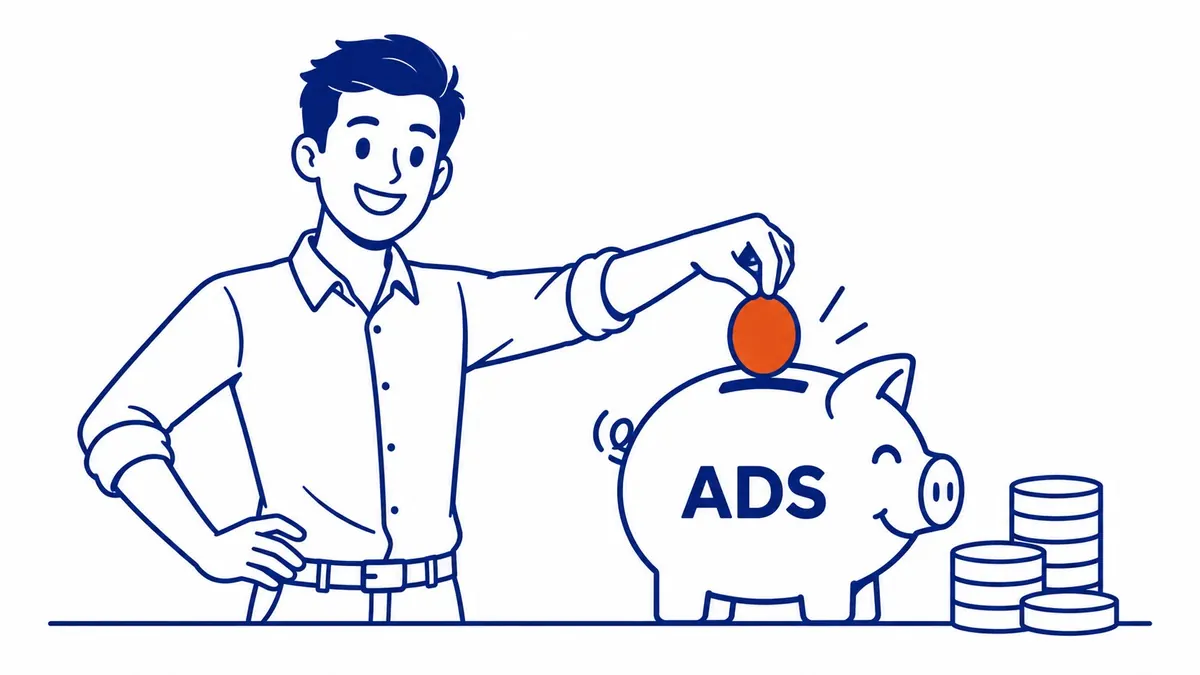
Google does not charge you what you bid. It charges the least you can pay and still hold the spot you won.
Least compared to what, though. To the ad ranked directly below yours.
So a second account sits inside your price. It is not yours. That advertiser’s bid feeds it. So does their relevance. Their landing page too. Whatever they typed into a bid field on a Tuesday morning while you were elsewhere.
None of that is visible from your dashboard. All of it is priced into the click you just bought.
Which reframes the question a little. You are not improving a price. Really you are improving your side of a comparison.
No ad below you at all, and Google’s own ad rank thresholds set the floor instead. Still not your number.
The Advertiser Below You Can Improve CPC Without You

Their daily budget empties by two in the afternoon. Your price drops for the rest of the day. You did nothing to earn that.
Then a funded competitor walks into the same keyword in March. Now your best month of relevance work reads flat on the report.
Same effort. Opposite numbers.
Nothing exotic is going on. Advertisers pause for a slow quarter. They cap budgets in December. A competitor switches to a smart bidding strategy and their ad rank shifts overnight, taking your price with it.
Which is why improving CPC feels so unreliable to the people actually doing it. The work is real. Only the reading is contaminated.
Somebody Will Point at Quality Score
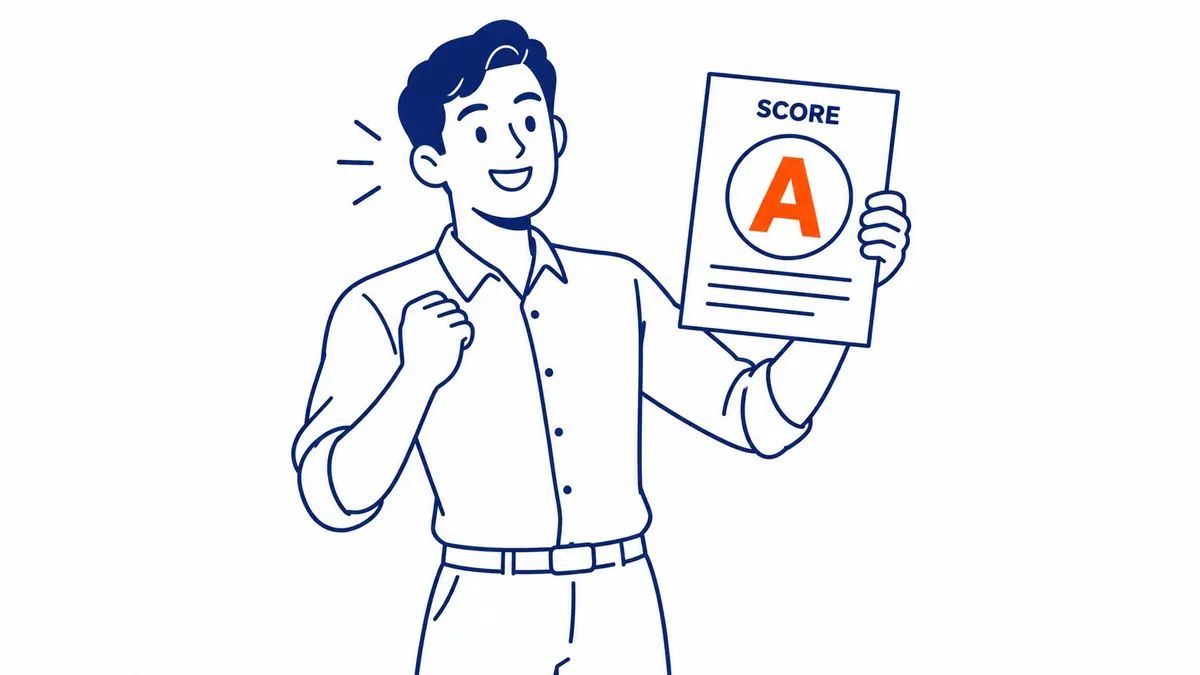
Fair. You own Quality Score outright. It moves your price. Nobody else can touch it. Every guide is right to push it hard.
Only look at where it sits in the arithmetic. It is a divisor. What it shrinks is the number underneath you, before the charge lands.
Which is the whole argument. Your Quality Score never authored a price. It bought you a discount on somebody else’s figure.
Improve it above a weak advertiser and the discount is big. Do identical work in a crowded auction and it barely shows.
So the objection makes the case rather than breaking it. The one input that is genuinely yours only ever operates on an input that is not.
Two Accounts, the Same Work, Opposite Reports

Picture two Calgary businesses tightening their ad copy in the same month. Same trade. Similar budgets.
One watches average CPC fall by a third. The other watches it climb.
Neither was better at the work. One had a competitor quit underneath them. The other had one arrive.
Read a single CPC column and you would fire the second account’s manager. Reading it that way is the actual mistake.
The Half of CPC in Google Ads You Actually Improve
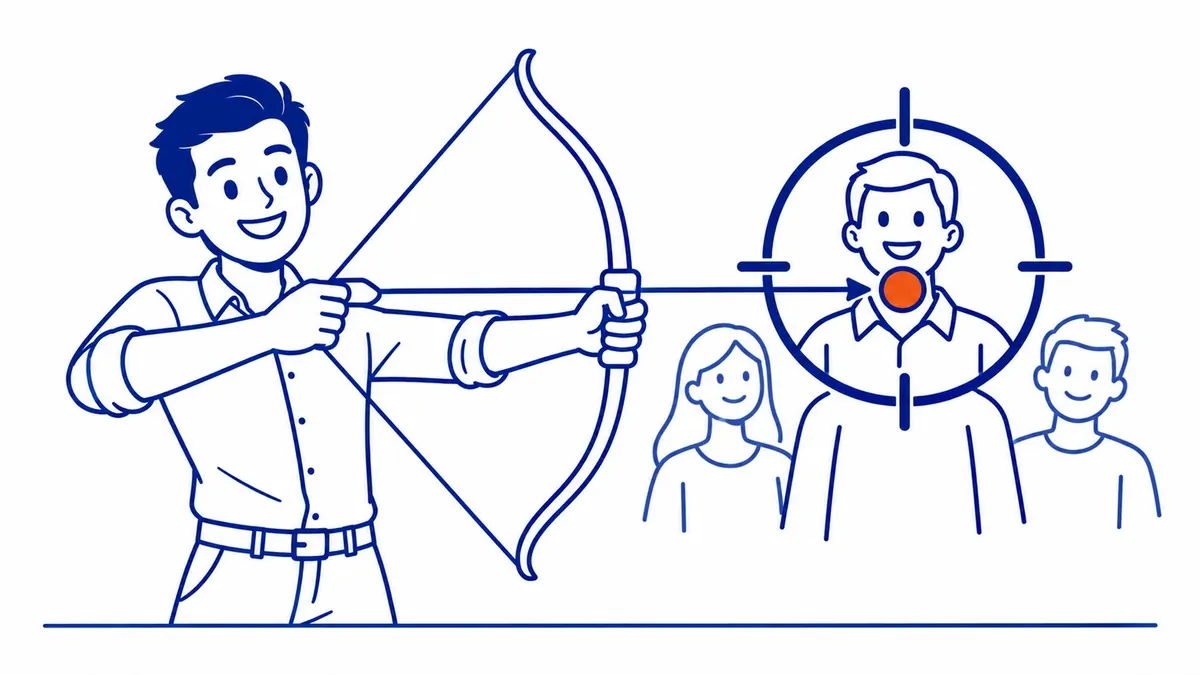
Your half of it. That is the plain version.
Relevance between the search and the ad you show for it. A page that keeps whatever the ad promised. Click history on the terms you genuinely want. Every one of those lands in the divisor. Then the divisor compounds quietly across months.
None of that half is fast. Relevance work pays out in weeks, not afternoons. Yet it is the only work that survives whatever the account below you decides to do next quarter.
Then there is a second thing you can improve, and almost nobody bothers. What you are prepared to accept as evidence.
Average CPC on its own settles nothing. It moved. Something moved it, though the column will never tell you which account did.
Read the Improvement Where It Cannot Be Faked
Take one keyword. Ten minutes, and it works on any account you have access to.
Pick a busy one. Thin data reads as movement when it is only luck.
Pull average CPC beside top impression rate for the same period. Two columns, same rows, nothing else needed.
Price down while top impression rate holds. That is your half moving. You are paying less to stand in the same place.
Price down and top impression rate down with it. Something slipped. You bought a cheaper position rather than a cheaper click.
Price up while top impression rate climbs. Somebody moved in underneath you. Your work may well have been the best you did all year.
Auction insights carries the rest of the story. It names the domains sharing your auction and shows how much of it they take. Check it monthly. See your CPC move and that report move with it. The answer was never in your account.
Improving CPC on Calgary Accounts at To-The-TOP!
SEO Company To-The-TOP! has been reading these reports since 2007. A falling CPC arrives on the desk most months, usually attached to somebody who is pleased about it.
Then the first useful hour goes on working out which half moved. Sound Google Ads management keeps paying long after a competitor’s budget change has washed through. Relevance is the only part of the price you own outright.
Nobody here offers guarantees or promises a number. Plenty of Calgary SEO work sits alongside the paid side for exactly one reason. The same words drive both. Careful keyword research prices one channel and ranks the other. Meanwhile the portfolio shows which keywords that work has reached.
Three to six months remains the plain answer on timelines. Paid search moves faster than search engine optimization does, yet neither one moves in a week.
Common Questions About Improving CPC in Google Ads
How do I improve CPC in Google Ads?
Improve the half you own. Relevance between the search and your ad. A landing page that delivers what the ad said. Click history on the keywords you actually want. All of it discounts what the auction charges you. The other half of your price comes from the advertiser ranked below you. No amount of work in your account reaches it.
Why did my CPC go up when I changed nothing?
Somebody underneath you got better. Maybe they raised a bid. Or they arrived for the first time. Your price is calculated against them. A rising CPC with steady conversions often points to a harder auction rather than a worse account.
Does Quality Score really lower my CPC?
Yes, though not the way most people picture it. It does not set your price. Instead it divides the number the auction hands you. So the same improvement pays out differently depending on who is below you.
How long before better relevance shows up in my CPC?
A week or two of clicks before anything moves, and considerably longer on a quiet account. Read the direction across a month. Any single day is mostly noise about other advertisers.
Is a lower CPC always an improvement?
No. Pause a campaign and its CPC goes to zero. Drop your bids and the number falls while your visibility falls with it. A cheaper click only counts as an improvement if you held your position while getting it. Lower cost, same visibility. That is the pair worth watching.
Contact Calgary SEO Company To-The-TOP!
Questions about anything in this article, or about your own rankings? Talk to a Calgary SEO specialist directly.
Phone: (403) 308-5949
Address: 1509 14 Ave SW, Calgary, AB T3C 0W4
Hours:
Monday to Friday: 10:00 am – 7:00 pm
Saturday: 12:00 pm – 4:00 pm
Sunday: closed