
How to Lower Customer Acquisition Costs With Enterprise E-Commerce SEO
A large store already knows its acquisition cost. One number, updated monthly. Finance produces it. Nobody argues with it.
That same number is why the cost never falls. It averages a catalogue where the economics change from shelf to shelf.
So the useful work starts by breaking the number apart, long before anyone edits a product page.
One Acquisition Cost Across Forty Thousand Products Explains Nothing

You already know the formula. Skip it.
Variance is what the formula cannot show. Two products on the same site can carry acquisition costs an order of magnitude apart. One competes against a marketplace listing and the manufacturer’s own page. The other has a model number that four sites in the country mention.
Blending those two produces a figure nobody can act on. Channel splits do not rescue it either. Paid acquisition cost still averages every query the account touched last month.
SEO Company To-The-TOP! has run organic and paid side by side since 2007. The stores that lower acquisition cost are rarely the ones that ranked for more things. They are the ones that worked out which paid spend organic could take over.
Build the Two Lists Before You Touch a Page

Two exports. Both sit in accounts you already own.
Pull paid spend by search query for the last full quarter. Sort it by cost, descending. Not by clicks. Ignore the conversion column too. Cost.
Sorting by clicks buries the problem. A query pulling a hundred low-bid clicks looks alarming on the screen. Beside it sits a query with eight clicks. Four dollars apiece. The second one costs the business more. Only the cost column ranks a catalogue the way the budget experiences it.
Then build the second list from your own catalogue. Which pages could realistically hold a top-three organic position inside a year? Be strict here. A page does not qualify because you would like it to.
Now intersect the two lists. That overlap is the only place enterprise e-commerce SEO lowers acquisition cost.
Everything outside it falls into two piles. Paid spend you cannot replace. And rankings that were never costing you anything in the first place.
Search Console Already Sorted Your Catalogue for You

Judging rankability by instinct goes badly at catalogue scale. Nobody holds forty thousand product pages in their head.
So use the data instead. Filter Google Search Console to average positions four through fifteen. Those pages have already proven they can appear for something.
Moving a page from nine to three is ordinary work. Creating a ranking from nothing is a different job entirely, with a different timeline and a much weaker case for the budget. Start with the first kind. There are usually more of them than anyone expects.
Most of the Catalogue Belongs to Somebody Else
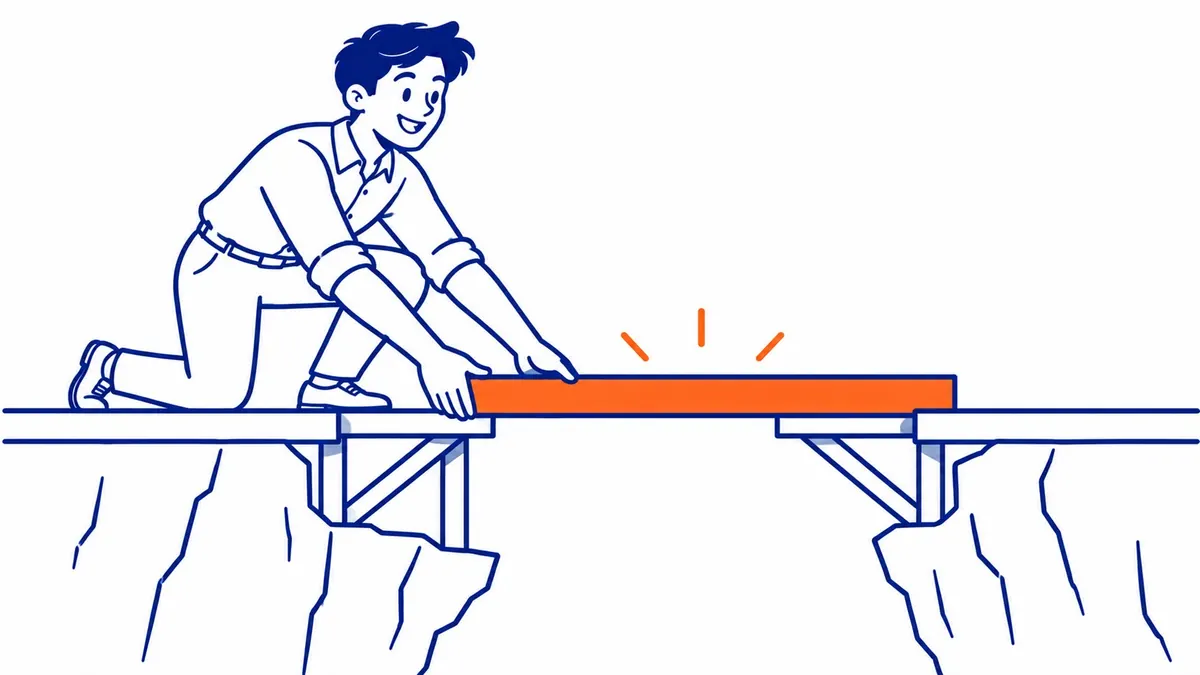
Open a private window. Search five of your highest-cost head terms.
Count the results you could plausibly outrank this year. Marketplaces occupy several slots. Manufacturers hold others. National retailers with a decade of links take whatever remains.
Those terms are not an SEO project. They are an ads project. Disciplined Google Ads management is the right tool for that ground. Paying for a click you cannot earn is not waste. The waste is paying for one you already earn.
Merchandising teams hate hearing this. Head terms carry the product names everyone in the building recognizes. Nobody enjoys being told the category page is unlikely to reach page one this year. Yet the gap there is usually a link gap. Links at that level normally take longer than a fiscal year to close.
The Tail Is Where Acquisition Cost Actually Moves
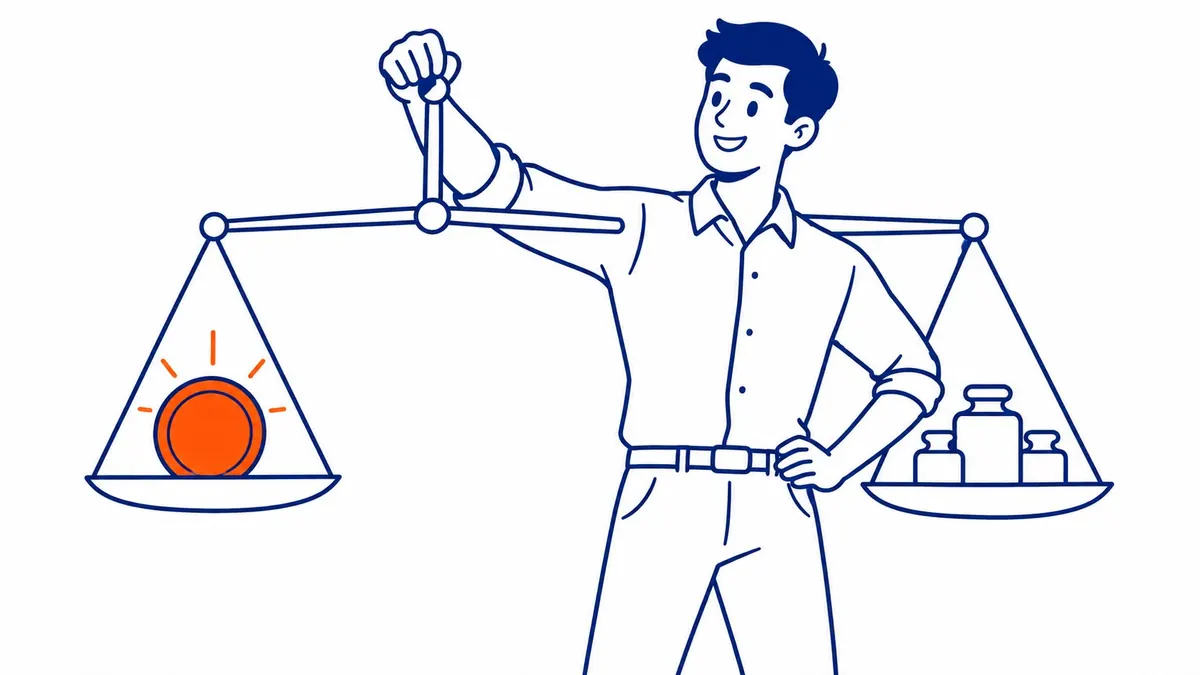
Model numbers. Compatibility questions. Spec comparisons nobody at head office has ever read.
Individually these queries are tiny. Ten searches a month, sometimes fewer. Collectively they can outweigh the head of the catalogue. A large store already owns a page for most of them, too.
Scale is what hides the money here. Nobody reads forty thousand rows of a search terms report. So the spend behind those rows never gets questioned by a person. It gets approved as a total, then repeated next month.
Some campaign types make the reading harder still. Automated formats report search categories rather than a full query list. Check which of yours does that before you trust the export.
The fix underneath is unglamorous. Careful keyword research mapped to the real catalogue structure. Then a technical pass, so the tail can be crawled and indexed at all.
The same thing turns up in every SEO audit at this scale. Long stretches of the tail sit behind filters, outside the index. Those pages cannot earn a click. So the ads account quietly buys it instead. Month after month. The invoice never explains why.
Worth checking your own conversion rate on model-number queries against the account average, as well. Specific intent tends to close better. That is exactly where paying full auction price stings most.
Somebody Will Say You Lose the Click Anyway
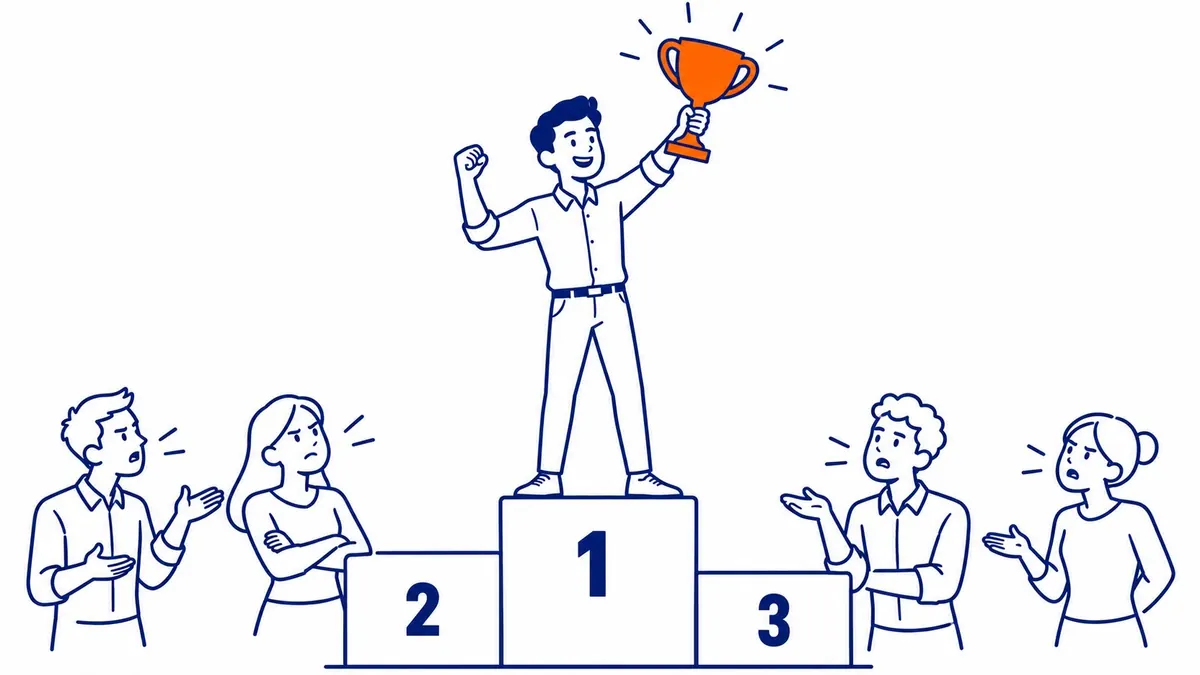
The objection arrives fast, and it deserves respect. Stop bidding on a term you rank for and a competitor’s ad takes the slot above your listing. The click leaves. Acquisition cost climbs rather than falls.
Sometimes that is precisely what happens. Still, it is testable. Enterprise scale is what makes the test affordable. Run it on a slice. Leave the rest of the account alone.
Pick that slice carefully. Non-brand queries only. Top-three organic position already held. Paid spend large enough to notice.
Pause the paid side for a fixed window. Then watch total orders on those pages. Not paid orders. Total.
Holding steady means the ads were buying traffic you already had. A drop means they were doing real work, and now you know roughly what that work is worth. Both results are useful. Only one of them lowers the number.
A Falling Number Can Be an Accounting Artifact
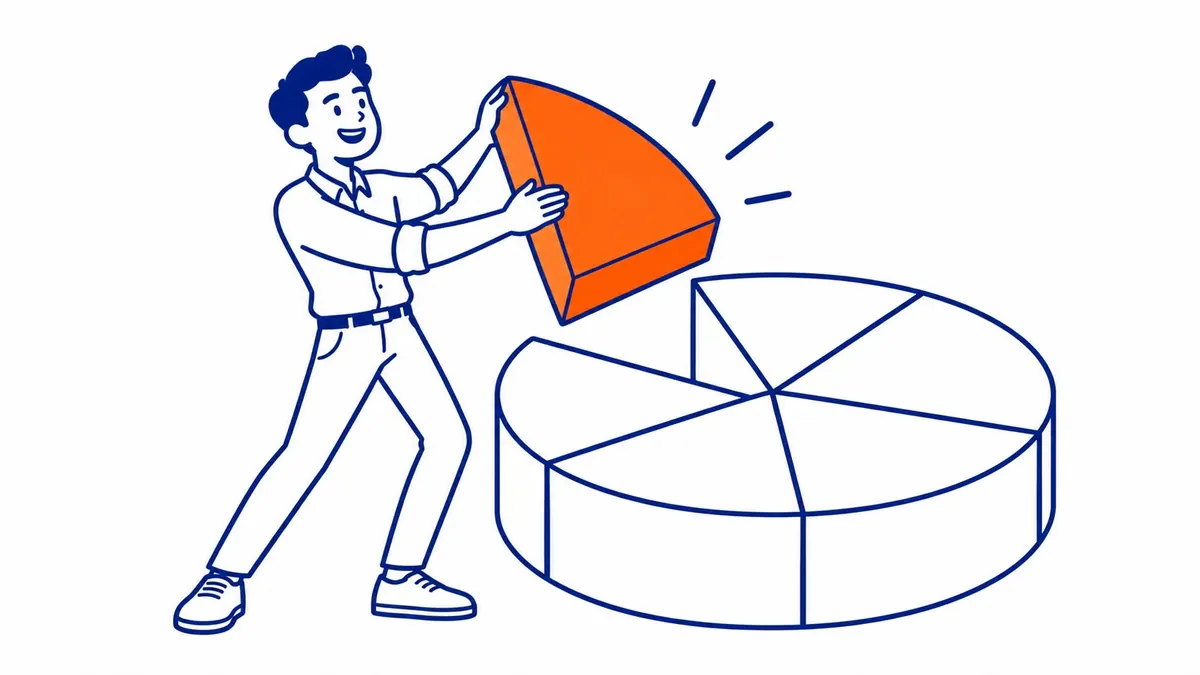
Here is the trap on the reporting side. Organic and paid frequently touch the same buyer.
Last-click attribution hands the order to whichever channel closed it. Cut paid, and organic’s cost per order improves on paper. Total revenue may sit flat, or slip. Either way the dashboard reads like a win. The bank account disagrees.
Reverse the same effect and it fools people just as easily. Add paid coverage to a product organic was already selling, and paid looks brilliant for a quarter. Nothing new arrived. The credit simply moved across the report.
So measure the slice test on totals, per catalogue segment. Channel-level acquisition cost is the number that got you into this in the first place.
Rank First, Then Pull the Spend
Sequencing trips people up constantly. Budgets get cut in anticipation of rankings that have not arrived yet.
Three to six months before meaningful organic movement. That timeline does not shorten because a quarter ended.
So hold the paid spend while the pages climb. Then cut it after the position survives a full quarter, seasonal peak included. A ranking that holds through Black Friday is a ranking you can budget against. One measured in July tells you very little about November.
Cutting early has a second cost that rarely gets counted. Restarting a long-paused campaign is not instant. Automated bidding re-enters a learning period. Performance can wobble while the system reads the account again. So a store pulling spend too soon pays twice. Lost orders first. Then the ramp back.
What to Watch Every Month

One count matters more than the rest. Count the queries where you still pay for a click on a page that already ranks in the top three.
Track it monthly and watch the direction. Segment acquisition cost by catalogue tier too, rather than by channel alone. Head, mid, tail. Three numbers instead of one, and each one answers a different budget question.
Our SEO services work for larger stores reports that overlap alongside positions. A position report on its own never shows the money. Every Calgary SEO engagement here comes with monthly reporting for the same reason. To-The-TOP! rarely finds that overlap empty on a catalogue of any size.
Most teams have never counted it once. The number tends to surprise whoever signs off on the budget.
Common Questions About Enterprise E-Commerce SEO and Acquisition Cost
How does enterprise e-commerce SEO lower customer acquisition cost?
By replacing paid clicks on queries your catalogue can rank for organically. The saving comes from spend you stop, not from traffic you add.
How long does it take before acquisition cost changes?
Three to six months for the rankings. Then another quarter before paid budget can safely come off those queries.
Should a store stop bidding on terms it already ranks for?
Test before deciding. Pause a small non-brand slice, then measure total orders rather than paid orders.
Which catalogue pages deserve SEO investment first?
Pages where heavy paid spend meets a realistic shot at a top-three position. Nothing outside that overlap moves the number.
Does a falling acquisition cost mean the ads budget should shrink?
Not automatically. Freed budget often works harder on new products, where organic has no history to build on yet.
Contact Calgary SEO Company To-The-TOP!
Questions about anything in this article, or about your own rankings? Talk to a Calgary SEO specialist directly.
Phone: (403) 308-5949
Address: 1509 14 Ave SW, Calgary, AB T3C 0W4
Hours:
Monday to Friday: 10:00 am – 7:00 pm
Saturday: 12:00 pm – 4:00 pm
Sunday: closed