
Are Bad Backlinks Hurting My SEO?
Almost certainly not. A harder answer sits underneath that one. Your backlink report cannot show you either way. The evidence you are reading off it is not the evidence you think it is.
Traffic dropped. Then you opened a backlink tool and found spam. Two facts. You joined them with a date.
That date is the whole case against your bad backlinks. It deserves a look before any SEO work gets rearranged around it.
First Seen Is Not the Date the Link Went Up
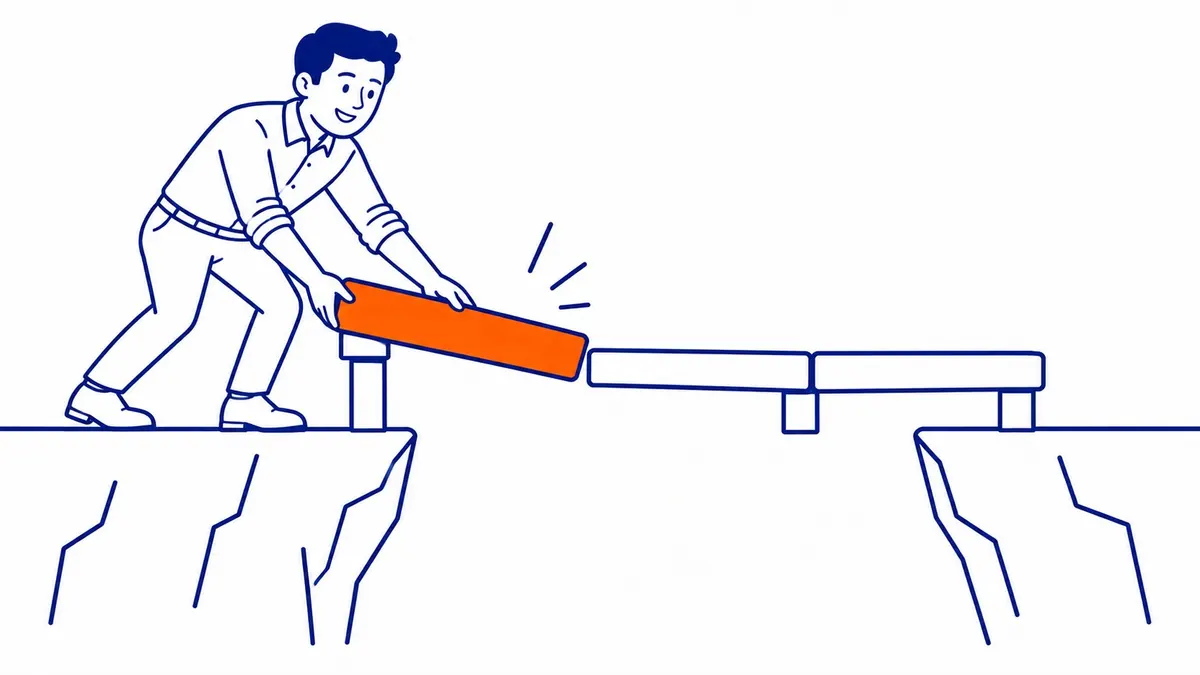
Open Ahrefs or Semrush. Sort the referring domains by first seen. Ugly stuff arrives at the top, stamped last month, right around the week your traffic went sideways.
First seen means first seen by that tool’s crawler. Not published. Google’s index does not enter into it. Merely found by one vendor’s robot.
So the column records a fact about the vendor’s crawl schedule. It records nothing about your site. A link posted to a dead forum in 2021 gets discovered the first Tuesday a crawler bothers with that forum. The stamp says last month regardless. Five years late, presented as news.
Nobody is hiding this. Look up what the vendor says that column means. The definition sits in their own documentation, and hardly anyone goes looking for it.
Search Console Hands You No Dates Whatsoever
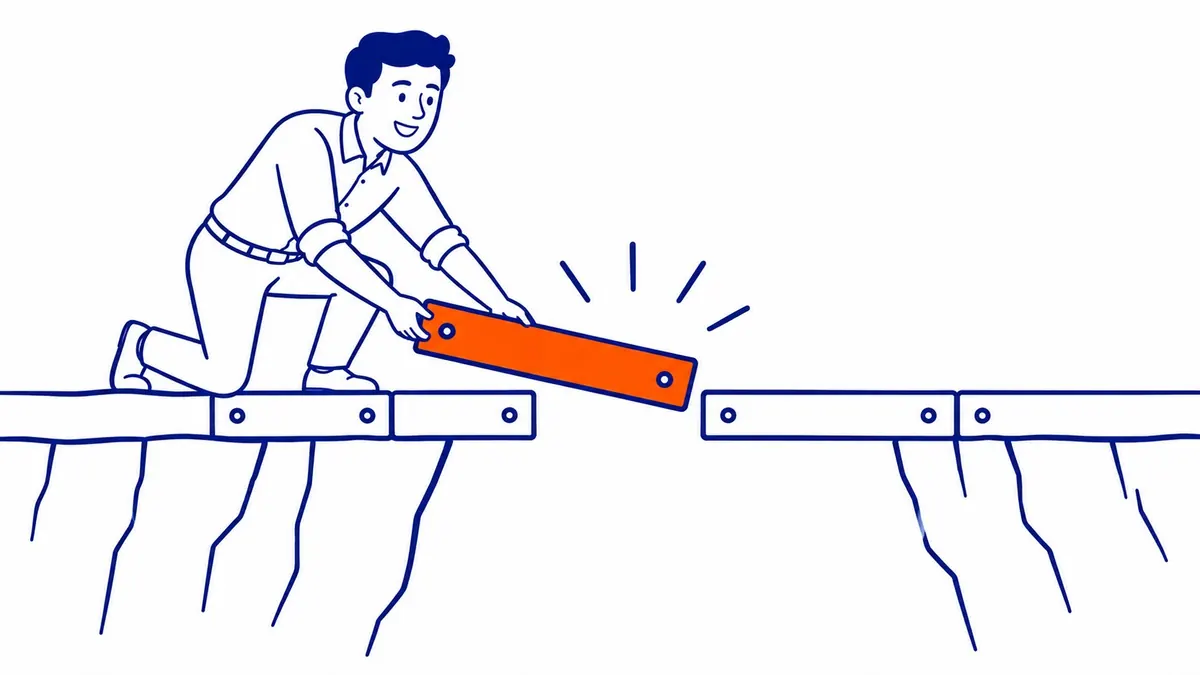
Now go to the source that matters. Google’s own links report inside Search Console lists top linking sites. Top linked pages. Then a list of the anchor text people used.
Notice what is missing. There is no date column anywhere in that report. Not one.
Google will not tell you when a link appeared. Recrawl dates stay hidden too. The report is a snapshot with no timeline attached, which is why nobody can build a before-and-after out of it.
Hence the borrowed timeline from the paid tool. It is the only one available. Also the wrong clock entirely.
Four Hundred Domains in a Week Is a Crawl, Not an Attack

Here comes the sentence that usually ends the conversation. Somebody counted four hundred spam domains in a single week. All at once. That has to mean something.
It does. Just not the thing it appears to mean.
Watch how genuine link acquisition behaves. It trickles. A few rows this month, a few the next, spread across weeks with no shape to them. Batches are not what earning links looks like.
Ingestion, though, arrives in exactly that shape. A crawler reaches a network of interlinked junk sites and the whole cluster resolves in a single pass. Four hundred rows land together because one crawl found four hundred pages together. They were sitting there in March.
The strongest piece of evidence that bad backlinks are hurting you turns out to argue the other way. Simultaneous arrival is the signature of a discovery event, not an attack.
So Nothing Is Left Connecting the Drop to the Links
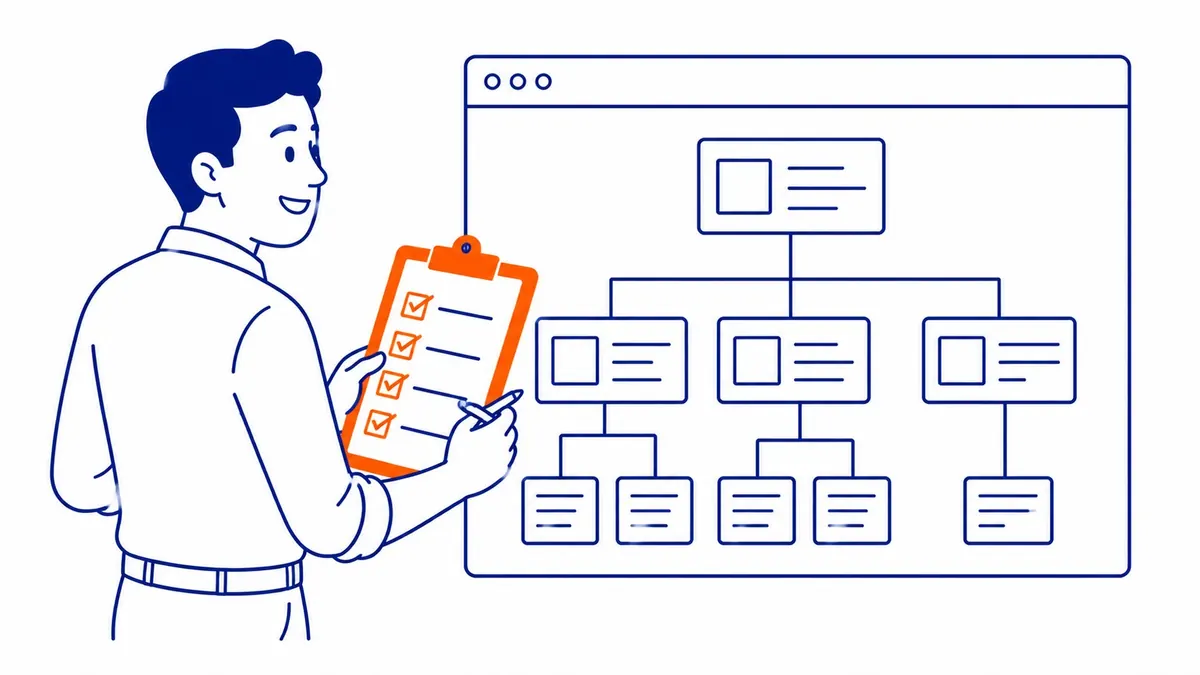
Take the timeline away and check what remains of the case.
The links are ugly. Nobody disputes it. Ugly links point at every site on the internet, including whatever site currently ranks first for the term you want. Ugliness by itself was never evidence of anything.
The rankings fell. Also true. That happened on your pages, for your queries, on a date Search Console will actually confirm for you.
Between those two facts there is now no bridge. Only a coincidence you built out of a crawler’s calendar. Plenty of owners arrive at SEO Company To-The-TOP! holding exactly this spreadsheet, convinced the case is closed.
We open the same spreadsheet. Then we ask when the ranking loss started, which nobody has usually checked in Search Console yet.
What Google Does With Junk Links
Short version, because our SEO blog covers the disavow side of this properly. Google discards spam links rather than punishing whatever they point at. Penguin folded into the core algorithm in 2016. The behaviour has been subtraction ever since.
Subtraction is the part people miss. A link that gets ignored and a link that never existed produce the same ranking outcome. Zero either way.
Which means bad backlinks mostly do nothing at all to you. Not helping you. Doing nothing against you either.
The One Link Signal That Reads Clearly
There is a single exception, and it announces itself.
Open the manual actions report in Search Console. A notice for unnatural links means a human reviewer at Google looked at your profile and acted. That is readable. It carries a date. And it is the only link problem you can confirm from a screen.
No notice sitting in that report? Then no reviewer has ruled on your links. The algorithmic side issues no statements whatsoever, which is precisely why guesswork rushes in to fill the gap.
Somebody Will Say the Toxicity Score Settles It

Seventy-one out of a hundred. Red bar across the dashboard. The word toxic printed beside it.
That number came out of the same public page you are looking at. The tool counted outbound links, checked the domain for a few patterns, then scored the appearance. Appearance is all it can reach.
No vendor can see whether Google counted a given link. Nobody outside Google can. A toxicity score is a guess about how a page looks, dressed as a measurement of harm.
Ask what would change on that dashboard if Google quietly ignored every link in the list tomorrow. Nothing would. The bar stays red. Which tells you what the bar is measuring.
Start From the Pages That Lost Instead

Try the opposite direction entirely.
Stop reading incoming links. Open the Search Console performance report and compare the last month against the month before it. Sort by page. Then sort by query.
Look at the shape of the loss. A site-wide link problem drags the whole property down together, every page, roughly at once. That shape is rare. You would not miss it.
Far more often the loss is narrow. Eleven pages moved. Everything else held. Now you have something worth investigating, because eleven pages share something the rest of the site does not.
Then narrow it further. Filter to those eleven URLs and read the queries under each one. Sometimes the clicks vanished while impressions held steady, which points at the result listing rather than the ranking. Other times the impressions went too. Different problem, different fix.
Neither of those diagnoses arrives through a link report. No spam domain in the world explains why one query held and the one beside it collapsed.
Usually those pages share a search intent Google reinterpreted. Sometimes a template change did it. Or a competitor finally wrote the better page. None of those live in a backlink export, which is why the export never answers the question. A proper website audit reads the losing pages instead. That takes a morning.
When Bad Backlinks Genuinely Are the Problem

One case, and it does not need a tool to identify.
Somebody bought links for your site. Maybe you did it years ago. Perhaps an agency did it on your behalf without saying so. Plenty of site owners inherit the problem from whoever held the domain before them.
Check the invoices rather than the backlink report. Ask whoever ran the site in 2019 what they paid for. Old agency reports are worth pulling out of the archive too. Link packages usually show up there as a line item nobody bothered to disguise.
Procurement history answers this question. A referring domain list never will. Bought links and earned links look identical in every export ever produced.
Turned up a purchase in the records? That is the one situation where a disavow file earns its afternoon.
Go and Check Your Own Dates Today
Three things worth twenty minutes. No purchase required for any of them.
Open the manual actions report first. Read whether it says anything at all.
Then open the performance report and set it to compare two periods. Sort the losing pages by clicks lost. Write down how many pages carry most of the damage.
Last, go back to that backlink tool and find its definition of first seen. Read the vendor’s own wording. Compare it against the story you had been telling yourself about that week.
Link Worry Among Calgary Businesses

To-The-TOP! has audited hundreds of profiles since 2007. Bad backlinks were the actual cause in a handful of them. Nearly all of those traced back to somebody paying for links at some point. The rest were content problems wearing a backlink costume.
That matters commercially. Chase phantom links for six months and you have spent six months not fixing what actually broke. Meanwhile the pages keep losing traffic. Our Calgary SEO work starts on the losing URLs for that reason, never on the referring domain export.
Nobody needs an invented enemy in a market this size. Search engine optimization in Calgary is difficult enough already. Bad backlinks make a comfortable enemy, though. They belong to somebody else, so nothing on your own site has to be wrong.
Recovery still takes months once the real cause is found. Some businesses cannot sit through that quietly. Then Google Ads management runs alongside the SEO work. Paid clicks cover the gap while the organic side recovers. Spend on Google Ads tapers as the rankings come back.
Worth knowing before anyone sells you a link cleanup.
Common Questions About Bad Backlinks
Can a competitor hurt my rankings with spam links?
Very rarely. Google built its systems expecting exactly that attempt, so pointing junk at a site is mostly a waste of a competitor’s money. Watch your profile anyway. Just stop treating every unfamiliar domain as sabotage.
How many bad backlinks does it take to hurt my SEO?
No threshold exists. Damage tracks intent rather than volume, which is why a hundred scraper links are fine and ten purchased ones are not.
My traffic dropped the same week spam links appeared. Coincidence?
Probably, yes. The appearance date belongs to the crawler that found them. Check whether the ranking loss is site-wide or concentrated on a few pages before blaming anything incoming.
Should I disavow links I do not recognise?
No. Recognition is not a test. Most unfamiliar referring domains are scrapers or forgotten directories doing nothing to you in either direction.
Does removing bad backlinks improve rankings?
Removing something that was already ignored changes nothing, because zero minus zero is still zero. Rankings improve when the pages get better.
How do I know my SEO problem is not the links?
You will not get a certificate. Check the manual actions report, then check whether the loss is narrow. Narrow losses are page problems almost every time.
Who can look at this for me?
To-The-TOP! runs backlink audits for businesses across Alberta and British Columbia. Ask whoever you hire to diagnose the ranking loss first. That conversation comes ahead of any SEO invoice mentioning link cleanup.
Contact Calgary SEO Company To-The-TOP!
Questions about anything in this article, or about your own rankings? Talk to a Calgary SEO specialist directly.
Phone: (403) 308-5949
Address: 1509 14 Ave SW, Calgary, AB T3C 0W4
Hours:
Monday to Friday: 10:00 am – 7:00 pm
Saturday: 12:00 pm – 4:00 pm
Sunday: closed