
Does a Privacy Policy Help SEO?
No. Your privacy policy never enters the scoring.
Most answers stop right there, which leaves a false impression behind. A missing privacy policy has cost plenty of businesses real traffic. None of that loss arrived through rankings.
Nothing Scores Your Privacy Policy. Plenty of Things Check for It.

Two separate mechanisms act on your website. Keep them apart and the question answers itself.
The first one scores. Google’s ranking systems weigh your page against every other page chasing the same query. Everything in that comparison is relative. You move up by passing somebody.
The second one checks. A check has no scale at all. Present or absent, then a consequence follows or it does not.
Your privacy policy lives entirely on the checking side. So both things you keep reading are true at once. It does not help SEO. Also, going without one can shut your traffic off in an afternoon.
That distinction is the whole answer. Everything below is just where the checks sit.
What Actually Runs the Check

Start with the one that bites soonest. Google’s advertising policies have long expected a privacy notice on sites that collect visitor data for personalized advertising. Remarketing tags fall under that. So do the audience lists built from them.
Read the current policy wording yourself before relying on any summary of it, mine included. Google revises those documents without much warning.
The mechanism matters more than the wording though. A policy review does not nudge your position down four spots. It disapproves ads or suspends an account outright. Yesterday you had paid traffic. Today you have none.
Google Ads enforcement also runs on its own clock. A review can land months after the tag went live, long past the point where anybody remembers installing it. Most owners find out by email. Then they spend a day working out which page triggered it.
Canadian law runs its own check, separately from anything Google does. PIPEDA covers private-sector data handling federally. Alberta and British Columbia each add provincial legislation on top. A complaint under any of them has nothing to do with search engines.
Consent tooling forms a third check. Install a banner that holds analytics until a visitor agrees, then watch your reporting thin out. Your positions stay exactly where they were. What gets worse is the ability to see them.
Notice what all three share. None of them sit inside the ranking system. Every one of them can stop traffic reaching you.
Somebody Will Quote Google Saying It Is Not a Ranking Factor

Fair, since Google has said close to that for years. Anybody who has watched a Search Central video has heard some version of it.
Look at which question that statement answers. It answers a scoring question. Does this page element move a position, yes or no. No, it does not.
So the objection turns into the argument rather than away from it. Google is a company with several departments and only one of them ranks pages. The advertising side publishes its own rules and enforces them on its own timetable. Nobody there needs a ranking factor to remove you.
Compare the two failure modes. A weak ranking factor costs you a handful of positions and you keep trading through it. Fail a policy check and the channel stops. One is a slope. The other is a door.
People treat those as the same risk because both get filed under SEO. Then they price the risk wrong.
Watch how the confusion forms. An audit checklist lists your privacy policy beside title tags and internal links. Same list, same tick box, so it inherits the same job in everybody’s head. Nothing on that list says which items score and which ones merely get checked.
Somebody Will Say a Privacy Policy Is an E-E-A-T Trust Signal

This one deserves more care than it usually gets.
Trust does sit at the centre of Google’s quality rater framework. True enough. Still, raters read sampled results and score them. Their scores never touch your position directly, because that is not what the rating program is for.
A rater is a careful visitor working from a long brief. Careful visitors do notice which pages are missing from a site asking for a credit card. Nobody is checking a box marked privacy policy, though. They are forming an impression of a business.
Trust in that framework gets assembled out of things a stranger can verify. A named business. Contact details that reach a person. An address somebody could actually visit. Your privacy policy joins that same family of pages, without being any more decisive than the rest of them.
Which makes the page evidence rather than a lever. Evidence of a real company that has thought about the data it collects. E-E-A-T gets covered properly on its own page here, so none of that gets repeated.
Pulling the lever does nothing on its own. Plenty of thin affiliate sites carry a generated privacy policy and rank nowhere.
Where the Privacy Policy Argument Stops
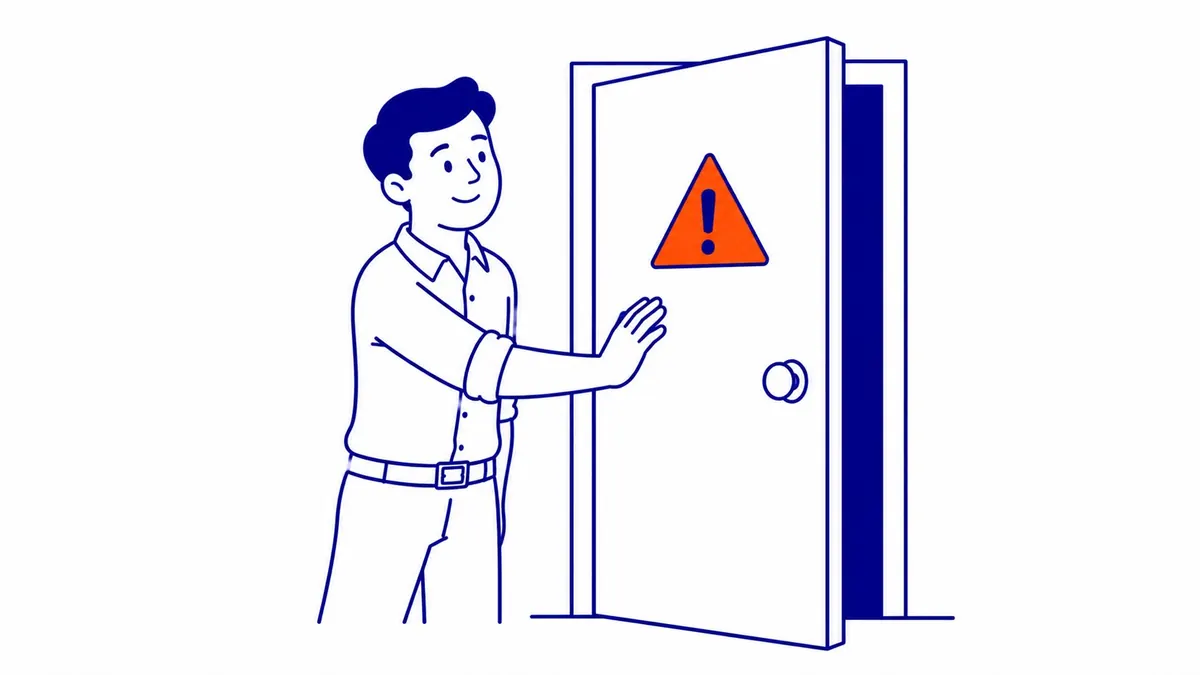
Most privacy policies come out of a generator. That worries people for the wrong reason.
The usual worry is duplicate content, since the same template sits on thousands of other domains. Set that one down. Google is not ranking you for boilerplate legal text, so it has nothing to demote. The page will not rank and was never meant to.
Should you noindex it? You can. Very little changes either way. Leaving it indexable costs nothing and lets somebody find it by searching.
There is a real cost hiding in the template, mind you. A generated privacy policy describes a generic business rather than yours. It names data collection you never do. Worse, it stays silent about the tools you actually run. Session recording, live chat, a pixel from a platform you tested in 2023 and never removed.
That gap is a legal exposure question. It has no SEO dimension whatsoever. Yet the SEO framing of this question keeps sending people to the wrong advisor.
Structure gets a quick mention too. Link the page from the footer, name it plainly, keep it one click from anywhere. A website audit flags a missing or orphaned policy page as a matter of course. That is housekeeping rather than optimization.
One habit is worth dropping here. People add the page, then report it back as SEO work completed. It was compliance work. Filing it under the wrong heading is how a month of budget disappears into tidying that nobody measures afterward.
Check Your Own Site in Five Minutes
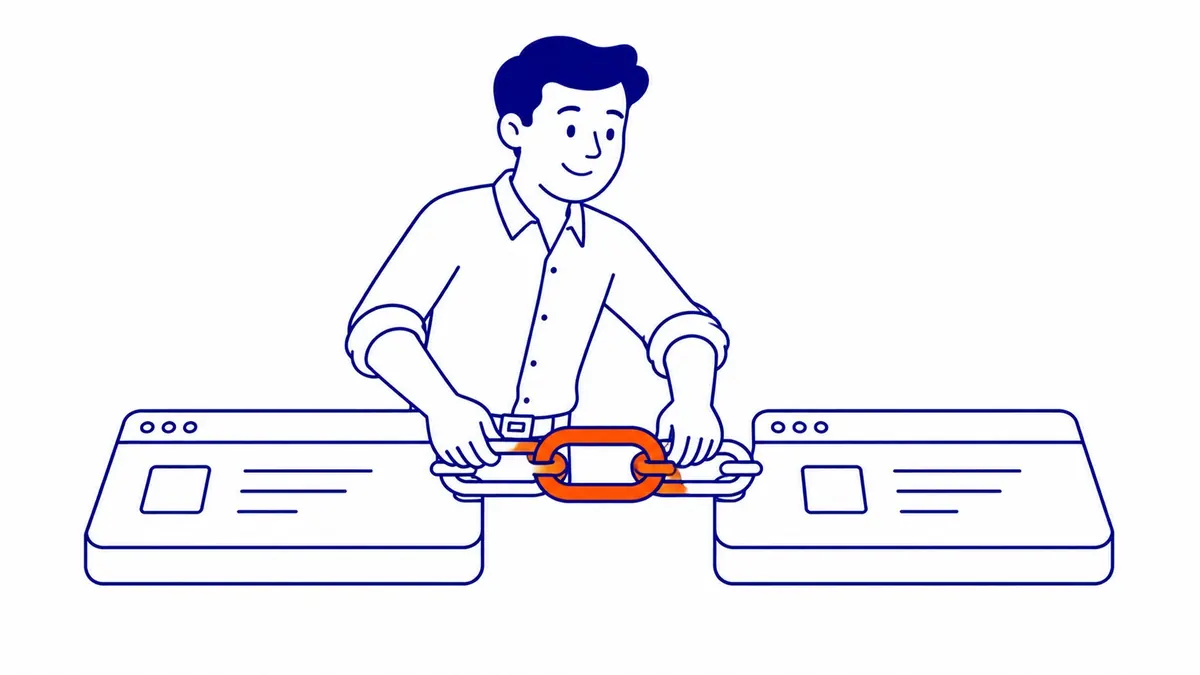
Open your own footer first. Find the link, then click it and read what loads.
Run a site search after that. Type this into Google on its own
site:yourdomain.ca privacy
Nothing returned means Google has never indexed the page. Sometimes there is no page at all, which the footer link hid because it pointed at a template file.
Now open your Google Ads account. Go to the policy manager and look for anything raised against your site rather than your ad text. Site-level flags sit in a different place from creative disapprovals, so people miss them for months.
Finally, read the policy against your own tag manager. List every tool firing on your site. Then find each one named in the text. Most businesses stop at three names and discover the fourth was never mentioned.
Whatever that exercise turns up, it will not change a single position in the results.
Privacy Policy Pages and the Work at SEO Company To-The-TOP!

Calgary businesses raise this on the first call fairly often. The answer stays short. Add the page, link it from the footer, get proper wording if you take payments or handle health data. Then move on to work that changes positions.
To-The-TOP! has run SEO in Calgary since 2007. One person handles your account start to finish, with no junior handoffs anywhere in it. White Hat methods only. A position report lands monthly so you can see what moved and what did not.
The hours go into the things that do move positions. Keyword research that picks winnable comparisons. Pages rewritten until they answer the question somebody typed. Links that another business chose to give. All slow work, three to six months before anything meaningful shifts.
Paid search covers the gap while that matures. Which loops back to where this started. Your ad account is the one place a missing privacy policy really can cost you traffic tomorrow.
Common Questions About Privacy Policies and SEO
Will adding a privacy policy improve my rankings?
No. Nothing in Google’s ranking systems reads it as a positive signal. Add the page for legal and advertising reasons, then expect zero movement in your positions.
Can a missing privacy policy get my site penalized by Google?
Not through search. Your ad account is a different matter. Google’s advertising policies expect a privacy notice on sites collecting visitor data for personalized advertising. Enforcement there hits the account rather than your rankings.
Does a generated privacy policy count as duplicate content?
Effectively no. Boilerplate legal text is not what duplicate handling targets, and the page was never going to rank anyway. The real risk with a template is that it describes a business other than yours.
Should I noindex my privacy policy page?
Either choice is fine. Indexing it costs nothing and makes the page findable. Noindexing keeps a thin page out of your indexed count. That only matters on very small sites, where every URL shows up in the reporting.
Contact Calgary SEO Company To-The-TOP!
Questions about anything in this article, or about your own rankings? Talk to a Calgary SEO specialist directly.
Phone: (403) 308-5949
Address: 1509 14 Ave SW, Calgary, AB T3C 0W4
Hours:
Monday to Friday: 10:00 am – 7:00 pm
Saturday: 12:00 pm – 4:00 pm
Sunday: closed