
GEO Best Practices: How to Optimize Your Business for AI Search
Generative engine optimization geo best practices. Most lists ranking for that exact phrase repeat the same five bullet points written back in 2025. Recycled before anyone had real data on what actually gets a business quoted inside an AI answer.
This page pulls from what already got other pages cited inside AI Overviews. Not a rehashed checklist copied from a competitor’s blog.
Readers who need the base definition first should start with the guide to what generative engine optimization actually means. This page assumes that part. It goes straight into what to actually do about it.
What Counts as a Real GEO Best Practice

Plenty of “GEO best practices” articles just rebrand ordinary SEO advice with new letters stapled on. Optimize your meta tags becomes optimize your GEO tags. Nothing about the underlying work changed.
A genuine geo best practice does something more specific. It changes how a page reads to a model summarizing an answer. Not just how the page ranks in a results list.
Real specificity. Genuine structure. Actual consistency. Three things separate what actually works from filler advice, and each one gets ignored by a different kind of business.
Specific Facts Beat Generic Claims
A price range gets quoted by a generative engine. Vague promises get smoothed into nothing.
“We provide quality service” answers no question a model can pull from. “Most jobs get quoted within 24 hours, and repairs typically run two to three hours” answers something concrete. That second sentence survives the summarizing process. The first one gets skipped for a competitor who actually stated a number.
Numbers work the same way for timelines. A page that states “most Calgary GEO improvements show early signal within eight to twelve weeks” gives a model something quotable. One that just says results vary gives it nothing.
Structure Beats Clever Writing
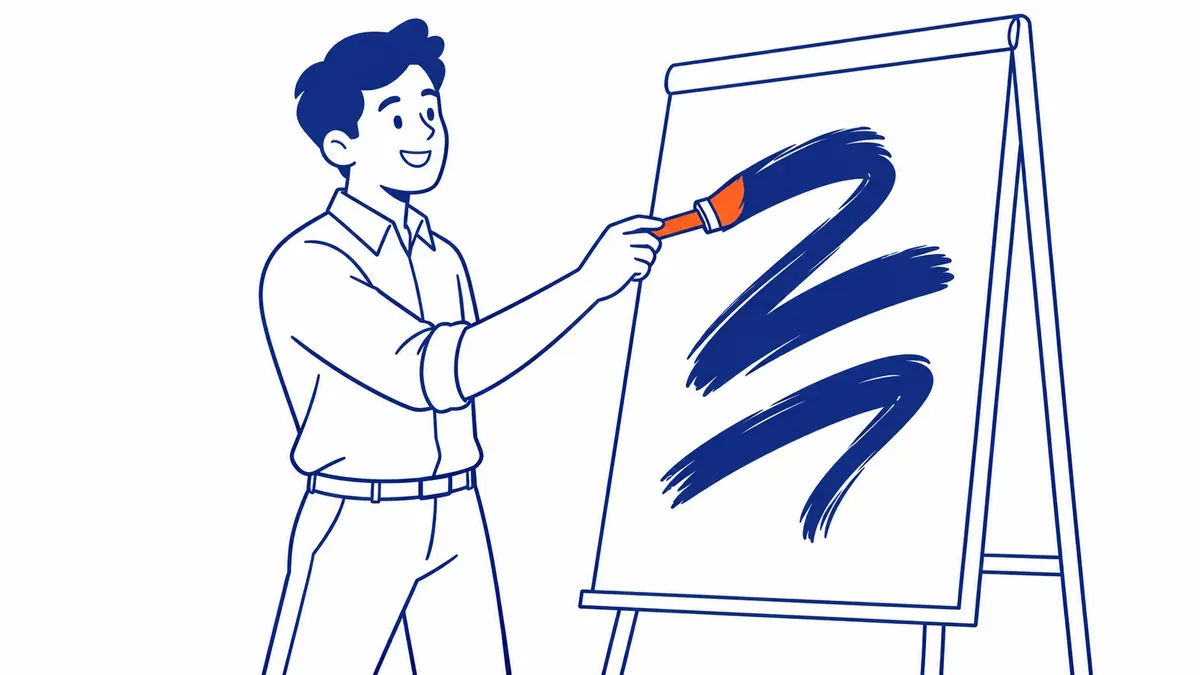
Front-loaded answers. Short paragraphs. Headings phrased the way a person actually types a question. All three help a model locate the sentence worth citing.
Bury the answer under three paragraphs of throat-clearing and a model skips past it entirely. State the fact in the section’s first sentence, then explain. That single habit does more for citation odds than any other tactic on this page.
Question-form headings pull differently than statement headings, too. “How to Implement Generative Engine Optimization” matches more of the raw language people actually type than “Generative Engine Optimization Implementation” ever will.
Target the Questions Buyers Are Actually Typing
A model rarely stops at the headline query. Ask a chatbot about GEO best practices and it silently fans that question out into smaller ones. What to fix first. How long results take. Whether anything actually worked. A page built to answer only the headline question gets partially quoted, at best.
Pull the real sub-questions from Search Console, from the PAA box, from what customers actually ask on a call. “What are the key best practices for generative engine optimization” hides a narrower question underneath it. Which one to do first, when time is short. Answer that narrower question directly, in its own sentence. A model then has something specific to lift.
Skip the fan-out and a page reads as generally relevant. Generally relevant rarely gets quoted, however. Specifically useful does.
A local service page built this way answers three questions in three places. “How much does this typically cost” near the top. “What does the work actually involve” in the next section. “Is it worth doing at all” in the FAQ. Each answer standalone enough to lift on its own. A single paragraph trying to cover all three at once rarely survives the summarizing step intact.
Make the Business Read as a Real Entity
A generative engine treats a business as an entity first, a page second. Something quieter gets answered first, before anything gets quoted. Who is actually saying this. Can that source be trusted on this topic. Blurry answers keep a business out of the citation entirely, even when the content itself is solid.
Organization schema on the homepage is the clearest signal available. Name, service list, service area, all machine-readable in one block, not scattered across five different phrasings on five different pages. “SEO Company To-The-TOP!” as one consistent string, used everywhere, does more for entity clarity than another paragraph of prose.
Sameness matters more than cleverness here. About page. Google Business Profile listing. LinkedIn profile. A business calling itself something slightly different across those does not confuse a human reader much. Deciding whether all three references point at the same entity confuses a model instead, and confusion reads as risk. Risk gets skipped in favour of a source the model already trusts.
“SEO Company To-The-TOP!,” “To-The-TOP! SEO,” and “TTT SEO Calgary” read as three separate businesses to a model with no other context to go on. A person recognizes all three instantly. Pick one form for the homepage and schema, then carry it into the footer too. Every other mention on the site defers to that one.
Keep Facts Consistent Across the Whole Web

Reputation carries real weight in how a model decides whether to trust a source. A business name has to read the same everywhere it appears.
The website needs to say it one way. Google Business Profile needs to say it the exact same way. Every directory listing needs to match too, right down to the phone number and the service list.
Contradictory listings teach a model something unfortunate. They teach it not to trust any single source, including the correct one. That damage to generative engine optimization geo for brand reputation compounds quietly. A business owner often doesn’t notice the drop in AI mentions until much later.
Let AI Crawlers Actually In
None of this works if the crawler behind a model cannot reach the page at all. Robots.txt files written years before any of this existed sometimes block GPTBot or PerplexityBot by accident. Usually inherited from a stock security plugin that blanket-blocks anything resembling a bot.
Checking that file takes five minutes. It catches a mistake that quietly zeroes out citation odds, regardless of content quality. An llms.txt file at the site root is the newer addition. A plain-language index of what a site covers, aimed squarely at the crawlers reading it. Not every model uses it yet, though adding one costs almost nothing and removes one more excuse for getting skipped.
Heavy JavaScript rendering causes the same failure quietly. A crawler reading only raw HTML sees an empty shell if content only appears after a script runs in the browser. Server-rendered content, or at minimum a crawlable fallback, keeps that content visible to whichever bot shows up first.
GEO and LLM Optimization Overlap More Than They Differ
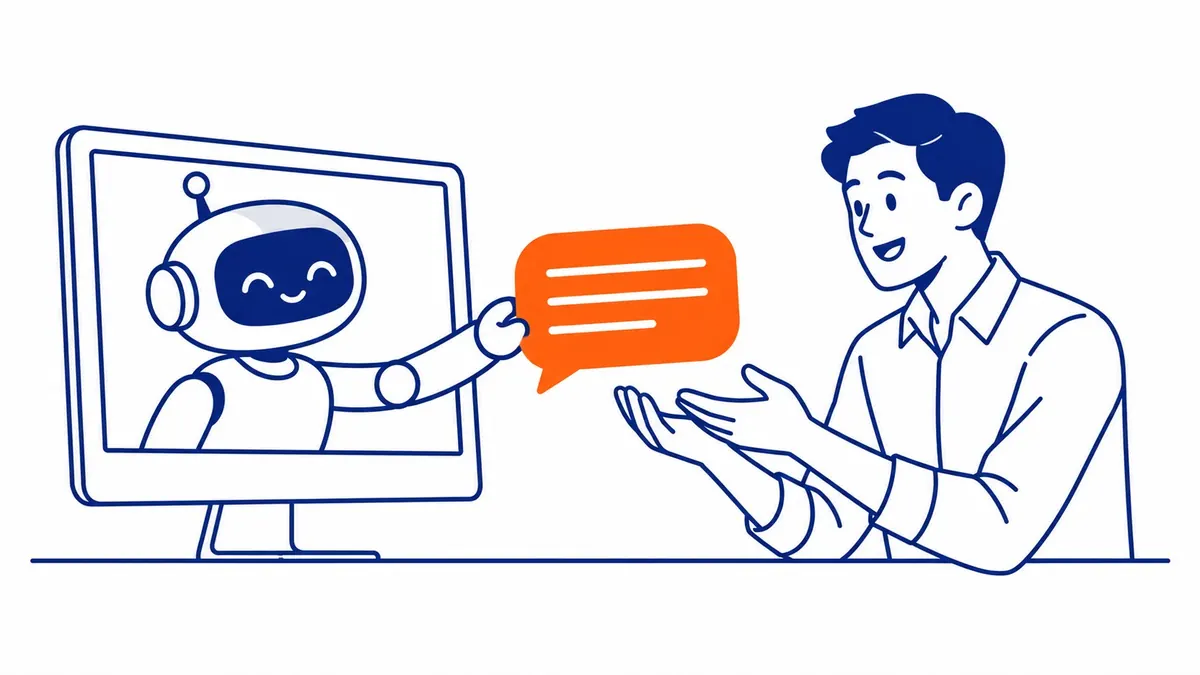
Google’s AI Overview draws the most attention here, but the same practices carry into a standalone LLM. ChatGPT works this way. So does Claude. Perplexity is no different, though it cites far more aggressively than the others, footnoting almost every claim it makes. Each engine runs its own version of generative engine optimization geo and llm optimization on roughly the same underlying content.
The difference shows up in how a business checks its own visibility. A geo llm search test means literally asking each tool the question a customer would ask. Then noting whether the business gets named. Also whether the citation links back to the right page. Some tools name a brand without linking to it at all.
How to Implement Generative Engine Optimization, Step by Step
Start with a technical read of the site before touching a single sentence. Page speed. Mobile rendering. Crawler access, covered above, in full. Skipping this step wastes every hour spent on the writing that follows.
Add structured data next. FAQ schema and article schema both give a crawler an instant map of what a page covers. A clean heading hierarchy underneath does the same job for a human reader and a language model at once.
Rewrite the thin sections after that. Vague, general sentences get replaced with something specific. A number. Maybe a name. A dated fact, wherever one genuinely exists. This is the slowest part of the work and the part most businesses skip.
Close the loop with reputation. Real reviews. Press mentions. Citations from other sites already talking about the business. That signal takes longer to build than any page edit, and a model weighs it heavily anyway.
GEO Best Practices for a One-Person Business, Not an Enterprise Team

Entity schema built. Four AI platforms monitored. Copy refreshed every quarter. Every checklist above assumes someone available for all three. One writer. A developer alongside them. An analyst too. Most guides covering this topic assume a marketing team splitting the work between them, not a single owner-operator. A one-person shop, or an owner doing this alongside actually running the business, needs a shorter list and a clear order.
Fix the technical basics first, since nothing else matters if a crawler cannot reach the page. That is an afternoon of work, not a quarter of one. Rewrite the highest-traffic page next. The one already earning the most organic visits gets real numbers first, not vague claims. Everything else on this list waits until that single page is solid.
Skip the tool subscriptions until the first page is done and proven to move. A geo checker tracking four platforms costs real money every month. Asking a chatbot the customer’s actual question by hand costs nothing but ten minutes. Automate the tracking once there is a pattern worth tracking, not before.
One page, done properly, beats five pages half-finished. That order matters more than the checklist itself for a business without a marketing department to spread the work across.
Common Mistakes That Undercut GEO Best Practices in 2026
Chasing every acronym at once is the most common one. Real GEO work. Genuine AEO work. Half a dozen other three-letter labels alongside them. A business spending on all of them usually does none of them well. Vendors sell the confusion on purpose, since a business that can’t tell GEO from AEO is easier to sell a bundle to. Pick the fundamentals and get those solid first.
Treating GEO as a one-time project is the second. AI Overviews reshuffle which sources they cite as competitors update their own pages. A page optimized once in January can lose its citation by summer without a single change on the business’s own site. Revisiting quarterly, not yearly, keeps pace with how fast competitor pages actually change.
Ignoring the technical foundation is the third, and probably the costliest. Content polish on a slow, poorly structured site rarely earns a citation no matter how sharp the sentences read. The foundation has to hold before the writing matters. A site audit catches most of this before a single sentence gets rewritten.
Tracking Whether the Work Is Actually Paying Off
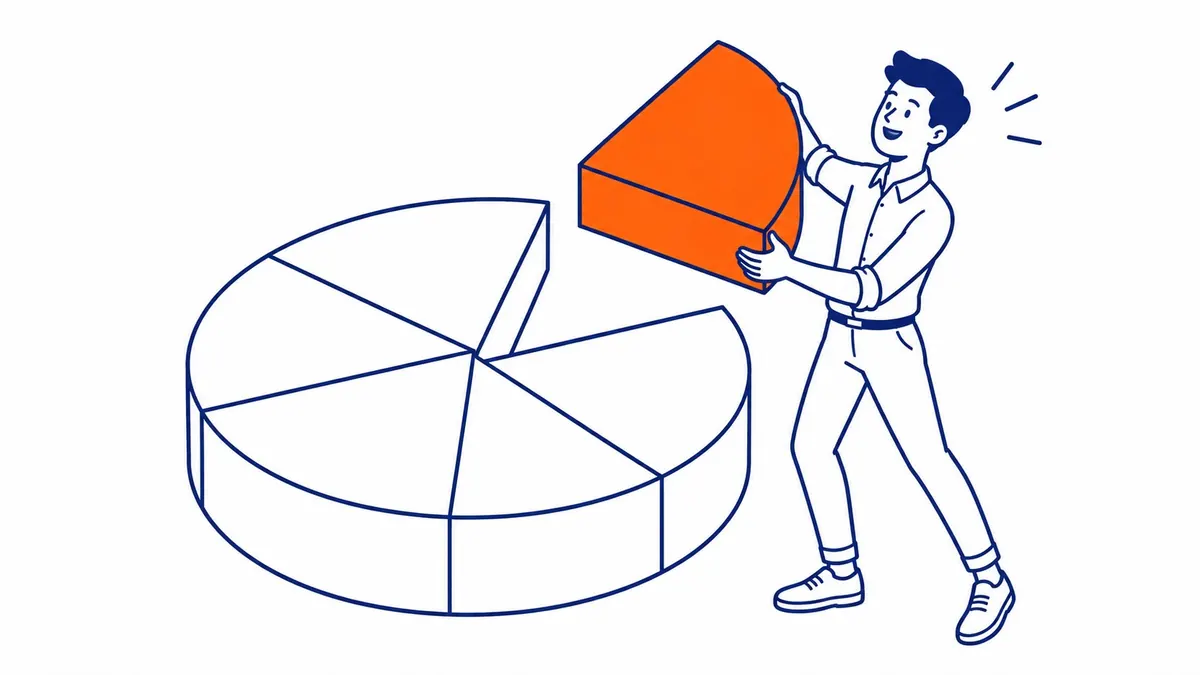
Improving geo ranking is hard to judge by feel alone. A business either shows up inside an AI-generated answer for a given prompt or it does not. There is no position five to watch move slowly upward.
A dedicated geo checker tracks that presence over time. Coverage across ChatGPT. Google’s AI Overview too. Similar tools, all checked on a schedule. To-The-TOP! covers the free and paid options in a separate roundup of GEO monitoring tools. The tool question deserves its own answer, not a rushed paragraph here.
SEO Company To-The-TOP! has tracked this shift since AI Overviews started appearing in a meaningful share of Calgary search results. The technical foundation behind strong search engine optimization rankings also gets a page cited inside an AI answer. Worth confirming that foundation is solid before layering GEO work on top of Google Ads or anything else.
GEO Best Practices: Frequently Asked Questions
What Are the Key Best Practices for Generative Engine Optimization?
Specific facts over vague claims. Front-loaded, question-shaped structure. Consistent brand facts across the site. The Google Business Profile. Every directory listing too. Reputation signals layered on top of a technically sound site. Skipping any one of those weakens the rest.
How Do You Implement Generative Engine Optimization?
Start with the technical basics, since nothing else matters if a crawler cannot read the page cleanly. Add structured data and a clean heading hierarchy. Rewrite vague sections with specific facts. Build reputation signals last, because that part takes the longest to compound. Most businesses try to do all four at once and end up finishing none of them properly.
How Do You Increase GEO Ranking?
“Ranking” is the wrong frame, since generative answers do not have a ranked list. Improving GEO presence means giving a model more reasons to trust and quote a specific page over a competitor’s. Specific facts push that needle. Consistent listings help too. So does solid technical hygiene.
What Does Brand Entity Clarity Mean for GEO?
Consistent self-description, more than clever copy. Organization schema, plus a matching name and service list, tells a model this is one business. Not five loosely related mentions. Ambiguity there gets a business skipped even when the content itself is strong.
Do AI Crawlers Need Special Access to a Site?
Often, and most sites never check. Robots.txt files can block major AI crawlers by name without anyone noticing, usually inherited from a security plugin’s default settings. Five minutes reviewing that file catches a mistake that zeroes out citation odds regardless of content quality.
What Is the Best Tool for Generative Engine Optimization?
No single tool covers the whole job. Monitoring tools show whether a brand appears in AI answers, but they do not fix the underlying content or technical gaps. A separate roundup on this site compares the free and paid options in more detail.
Is Generative Engine Optimization a Real Thing?
Skepticism about it is fair, given how much vague marketing language surrounds the term. The underlying mechanism is real, though. AI Overviews and chat tools do pull from and cite specific sources. Whether the effort is worth it depends on how much of a business’s traffic already flows through AI-generated answers. A business getting most of its leads from a map pack search can afford to wait and watch before committing budget here.
Contact Calgary SEO Company To-The-TOP!
Questions about anything in this article, or about your own rankings? Talk to a Calgary SEO specialist directly.
Phone: (403) 308-5949
Address: 1509 14 Ave SW, Calgary, AB T3C 0W4
Hours:
Monday to Friday: 10:00 am – 7:00 pm
Saturday: 12:00 pm – 4:00 pm
Sunday: closed